Durable and Efficient 25 Ton Hydraulic Winch Solutions | LBS Winch
The Quiet Powerhouse: Why the 25 Ton Hydraulic Winch Matters Globally
When it comes to heavy lifting in industries from construction and marine to disaster relief, the 25 ton hydraulic winch quietly pulls its weight. Behind the scenes, these machines help move mountains (sometimes literally) and keep key projects running efficiently. Globally, as infrastructure projects expand and emergency response becomes more critical, understanding the value and capabilities of this device has grown from niche engineering talk to a practical necessity.
Why? Because in a world increasingly focused on safety, reliability, and sustainability, using the right mechanical advantage can reduce risk, save costs, and ensure operations run smoothly — whether clearing debris after a natural disaster or hauling equipment in remote mining areas. If you’re wondering what exactly a 25 ton hydraulic winch is and how it fits into the puzzle, let’s unpack that together.
Behind the Numbers: The Global Context of Heavy Lifting Solutions
It’s easy to underestimate the scale and reach of winches in global operations. According to the International Organization for Standardization (ISO), more than 60% of heavy construction and maritime projects now depend on hydraulic machinery for efficiency and environmental compliance (ISO 17757:2017). The World Bank notes that developing nations invest heavily in infrastructure upgrades where such machinery is essential, often relying on robust equipment like the 25 ton hydraulic winch — designed to handle very heavy loads reliably.
But there’s a problem: traditional winches often face limitations like insufficient power, poor durability, or slow deployment, especially in harsh environments. The 25 ton capacity, paired with hydraulic operation, addresses these challenges head-on by delivering precise control and immense force without cumbersome setup.
So, What Exactly Is a 25 Ton Hydraulic Winch?
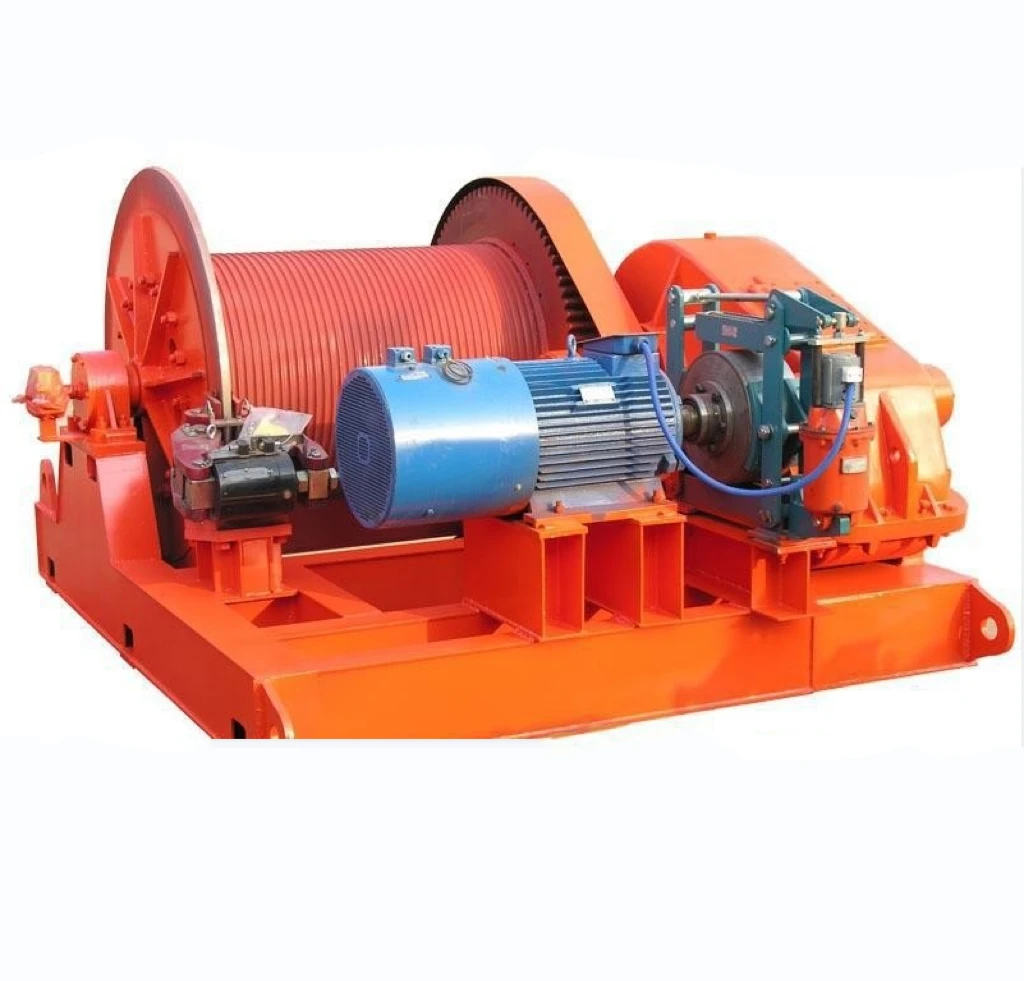
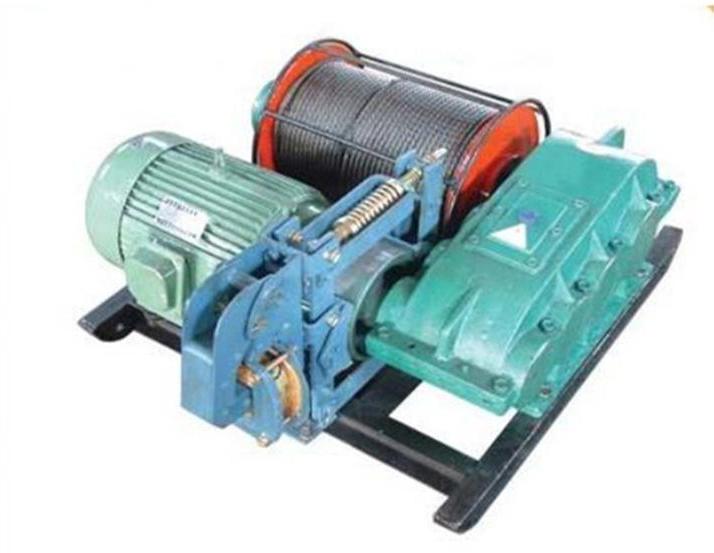
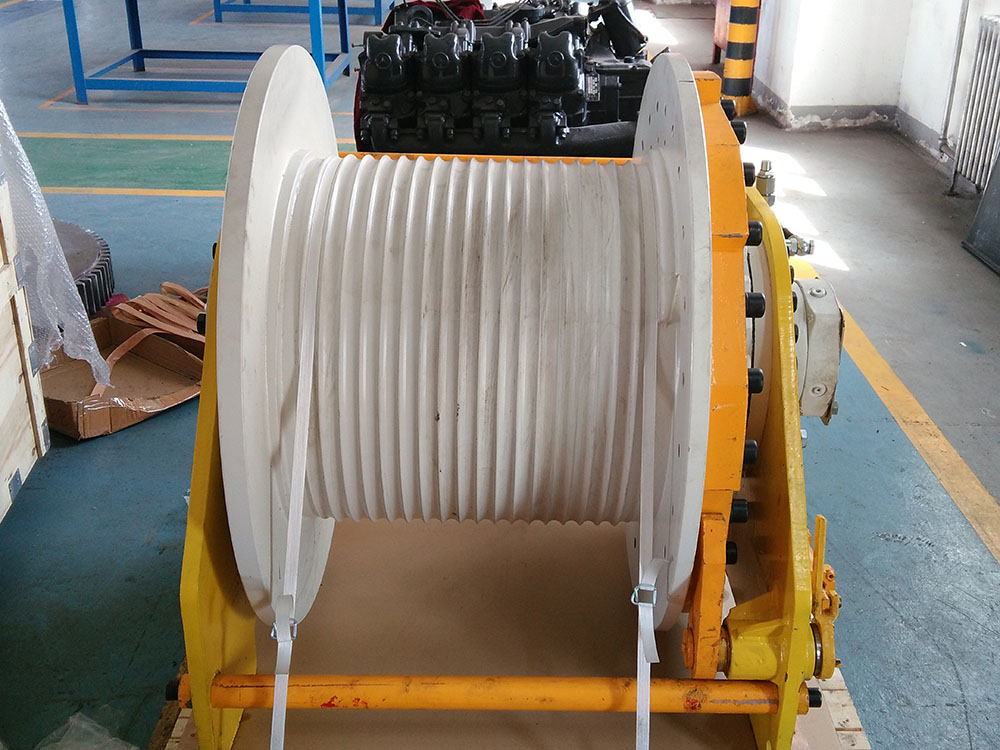
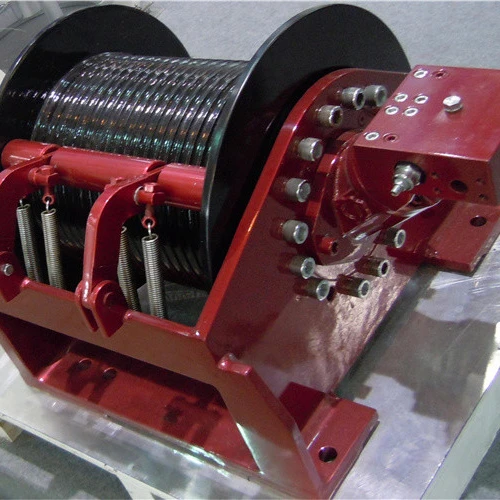
Put simply, this winch is a mechanical device powered by hydraulic systems — fluid under pressure — that can pull or lift loads up to 25 tons (around 55,000 pounds). The hydraulic aspect provides smooth and reliable force, superior to electric or manual systems, particularly for sustained or repetitive heavy work.
Think of it as the muscle behind many modern industrial and humanitarian operations. Its ability to safely manage heavy weights makes it invaluable for lifting construction materials, positioning large equipment, or aiding in rescue efforts where time and precision are critical.
Mini takeaway:
- The 25 ton hydraulic winch balances strength with control.
- It’s a critical asset in industries where lifting heavy loads safely is non-negotiable.
Core Aspects of the 25 Ton Hydraulic Winch
Durability Under Pressure
These winches are usually built from high-strength steel components and sealed hydraulic systems to resist wear and weather. This makes them ideal for harsh environments — offshore rigs, desert mines, or freezing relief zones. Engineers often remark that a winch like this, when properly maintained, can last decades, which puts it ahead of other tools that wear out quickly.
Scalability and Flexibility
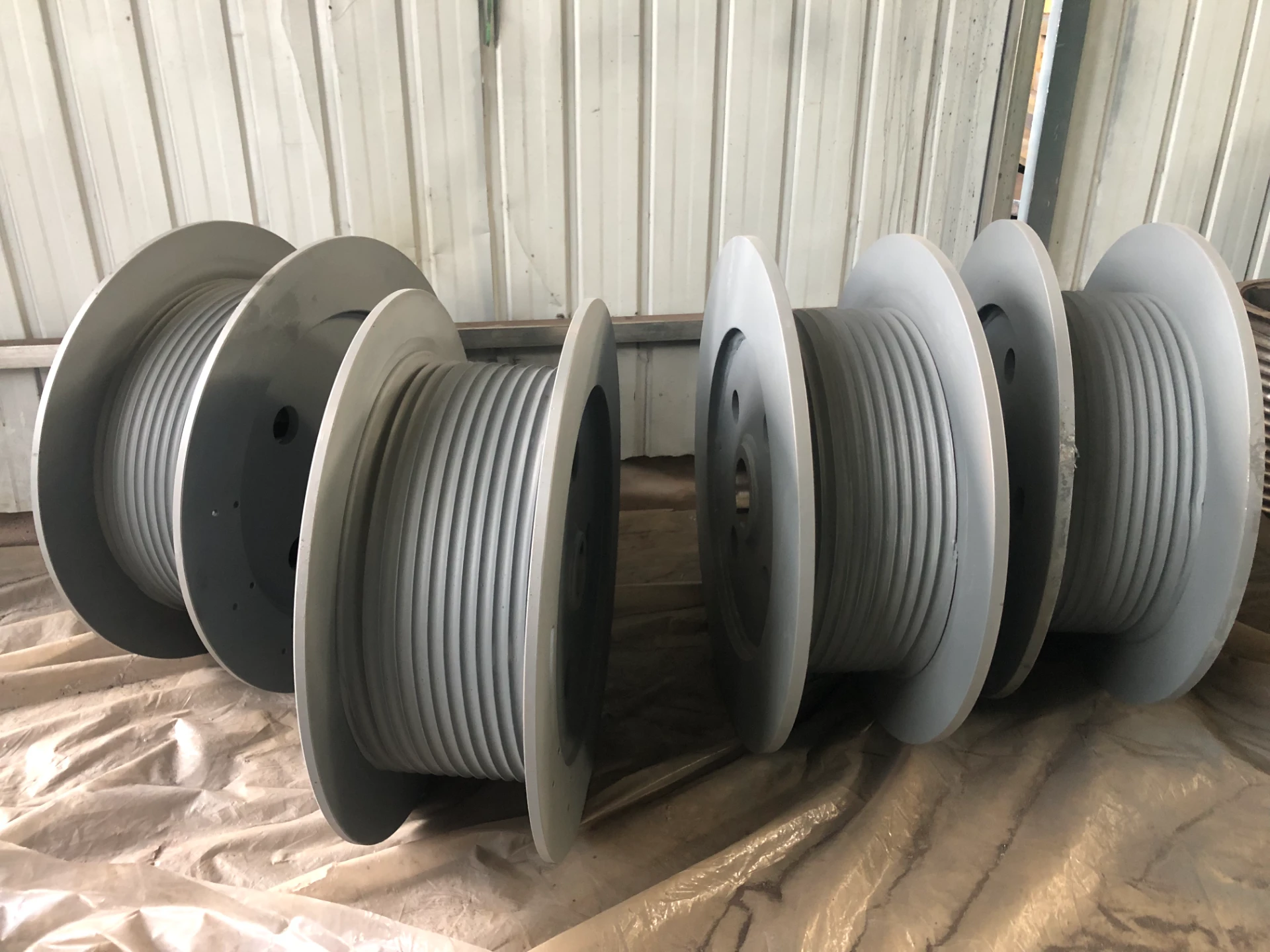
Though a 25 ton capacity might sound massive, these winches come in modular designs. You can attach different drums, ropes, or controls to fit project demands. It’s sort of like having a tool that adapts whether you’re hauling a generator onto a ship or pulling debris after a hurricane.
Cost Efficiency
At first glance, investing in such robust equipment might seem steep. But considering the reduced labor, improved safety, and faster job completion, the overall return can be impressive. Plus, many modern units incorporate smart hydraulic controls that reduce energy consumption and maintenance downtime.
Safety Features
Given the heavy loads involved, safety is paramount. Hydraulic winches often have integrated overload protection, controlled braking systems, and emergency stop functions. This minimizes the risk of accidents that could otherwise lead to injury or severe project delays.
Integration Capabilities
Some next-gen models can integrate into digital remote-control systems, allowing operators to control winch action from a safe distance, which is huge in hazardous or hard-to-reach locations.
Mini takeaway:
- Durability and safety go hand in hand.
- Scalable design means a winch can do many jobs beyond 25 tons if needed.
Global Applications: Where 25 Ton Hydraulic Winches Shine
Across the globe, the 25 ton hydraulic winch is a trusted workhorse:
- Disaster Relief: In 2019, during cyclone recovery in Southeast Asia, humanitarian groups used these winches to clear fallen trees and move heavy debris quickly, accelerating rebuilding efforts.
- Offshore Oil & Gas: Platforms in the North Sea rely on such winches to handle heavy equipment transfers and anchor positioning despite challenging conditions.
- Mining Operations: Remote mining sites in Africa employ hydraulic winches for hauling ore containers, reducing manual labor risk.
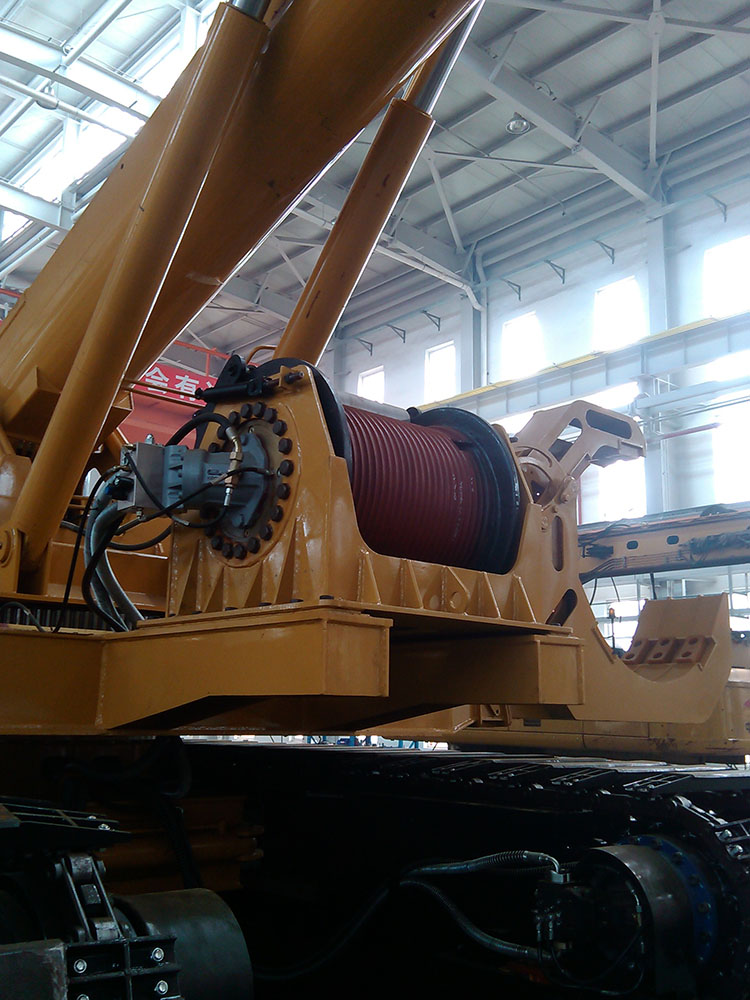
- Construction Projects: High-rise developments in urban centers worldwide use these for safely lifting steel beams and components into place.
Mini takeaway:
The 25 ton hydraulic winch isn’t just a machine; it’s an enabler of progress and safety in industries critical to modern life globally.
Product Specification Table
| Specification | Details |
|---|---|
| Rated Load Capacity | 25 tons (55,115 lbs) |
| Drive Type | Hydraulic motor with variable speed |
| Cable Diameter | 19 mm (0.75 inch) steel wire rope |
| Max Line Pull Speed | 5 m/min |
| Brake Type | Spring-applied hydraulic release |
| Weight | Approx. 950 kg (2,094 lbs) |
| Operating Voltage | Hydraulic system powered by 24V or 12V powerpack |
How Do Leading Vendors Stack Up?
| Brand | Load Capacity | Price Range (USD) | Noteworthy Feature |
|---|---|---|---|
| LBS Winches | Up to 25 tons | $15,000 - $20,000 | Modular hydraulic controls with remote option |
| Titan Tech | 22-27 tons | $17,000 - $22,000 | Enhanced heat dissipation system |
| HydroLift Industries | 25 tons | $16,500 - $21,000 | Advanced safety cutoffs, integrated diagnostics |
The Long Game: Advantages and Lasting Value
What nudges many contractors and agencies to choose the 25 ton hydraulic winch? It boils down to:
Reliability: When deadlines and lives are on the line, you want gear that doesn’t quit.
Cost savings: Far beyond upfront price, the durability and low maintenance tally up to real savings.
Sustainability: Modern hydraulic systems use oil efficiently, and many are compatible with biodegradable fluids, reducing environmental footprint.
Social impact: Safer lifting means fewer accidents — protecting workers and communities.
Innovation: The addition of remote controls and diagnostics brings workflows into the 21st century.
All that said, it’s not just a purchase — it’s an investment in trust and capability.
What’s Next? Future Trends for the 25 Ton Hydraulic Winch
Though already technologically mature, several innovations are shaping the future:
- Green Hydraulics: Use of non-toxic, biodegradable hydraulic fluids to curb environmental harm.
- Automation: Semi-autonomous winching with sensors that adjust load and speed in real-time.
- Digital Integration: Remote monitoring through IoT platforms for maintenance prediction, reducing downtime.
- Lightweight Materials: Incorporating composites to reduce weight without compromising strength.
Common Challenges and How Experts Solve Them
Of course, no tech is perfect. Challenges include:
- Hydraulic leaks: These can be costly and polluting but are often prevented with improved seals and regular inspection.
- Energy consumption: New variable speed systems help reduce wasted power.
- Training requirements: Operators need thorough training, but modular, intuitive controls ease this burden.
Many in the field recommend working closely with vendors such as LBS Winch who offer ongoing support and tailor solutions — it makes all the difference.
FAQ: Quick Answers on 25 Ton Hydraulic Winches
- What factors determine the ideal hydraulic winch for my project?
- Beyond load capacity, consider environment, frequency of use, power source availability, control options, and maintenance support. A versatile 25 ton hydraulic winch adapts well but don’t forget site-specific nuances.
- How do I maintain a hydraulic winch for longevity?
- Regularly check hydraulic fluid levels, inspect seals and hoses for leaks, lubricate moving parts, and follow manufacturer's periodic service guides. Preventive maintenance keeps you ahead of downtime.
- Can the 25 ton hydraulic winch be used in cold climates?
- Yes, many are designed with cold-weather packages — heated reservoirs, special fluids, and seals that remain flexible. Always verify specs for extreme temperatures.
- Is remote operation safe and reliable?
- Modern remote systems include multiple fail-safes, encrypted controls, and real-time feedback, making operating from a distance not only safe but often preferable in hazardous zones.
Wrapping It Up: Why This Winch Matters Today and Tomorrow
In real terms, the 25 ton hydraulic winch represents a blend of strength, precision, and evolving technology that industries worldwide rely on to build, clear, and innovate. Its capacity to improve safety, cut costs, and integrate modern tech reflects a machine that has matured with global needs — yet remains eager to adapt.
So whether you’re part of a construction crew in New York or a humanitarian team in the Philippines, this hydraulic powerhouse is likely working quietly behind the scenes to keep wheels turning and projects moving forward.
Interested in learning more or sourcing your own rugged 25 ton hydraulic winch? Visit our website and discover how the right tools can make all the difference.
References
-
The Ultimate Guide to Gear Steels for Durability and PerformanceNewsApr.16,2026
-
High Performance Gear Stainless Steel for Industrial DurabilityNewsApr.09,2026
-
Comprehensive Guide to Steel Bevel Gears Applications and SelectionNewsApr.07,2026
-
Comprehensive Guide to Durable Stainless Steel Miter Gears and ApplicationsNewsApr.04,2026
-
Comprehensive Guide to Steel Spur Gears Functionality and ApplicationsNewsMar.31,2026
-
Comprehensive Guide to Durable Stainless Steel Spur Gears and Their ApplicationsNewsMar.28,2026