Durable and Reliable 30 Ton Hydraulic Winch Solutions for Industry & Relief
What Is a 30 Ton Hydraulic Winch and Why It Matters Globally
Imagine a machine pulling the weight of about 30 elephants with ease. That’s basically what a 30 ton hydraulic winch does. These devices are, frankly, unsung heroes in industries as diverse as maritime shipping, construction, oil drilling, and disaster recovery. Understanding their role isn't just a nuts-and-bolts matter; it’s about grasping how massive loads get moved safely and efficiently around the world.
Globally, heavy lifting is more essential than ever — infrastructure projects, mining operations, and humanitarian missions all rely on a dependable winch. According to the International Organization for Standardization (ISO), equipment like hydraulic winches must meet strict safety and durability standards to ensure operational success in challenging conditions (see ISO).
But here’s the kicker: with increasing urbanization, climate change-driven disaster responses, and offshore exploration, the demand for robust, versatile heavy winches is skyrocketing. That’s why getting familiar with 30 ton capacity hydraulic winches is not just industry-speak—it’s crucial for engineers, project managers, and even NGOs alike.
Mini takeaway: The 30 ton hydraulic winch is a keystone device in moving heavy loads, essential across sectors from construction to emergency relief worldwide.
Setting the Stage: The Global Landscape of Heavy Load Handling
If you take a quick glance at the latest World Bank data, you’ll find that infrastructure spending is booming in Asia and Africa, sometimes doubling year-on-year. Roughly, billions of tons of material and equipment need hauling, and that’s just one piece of the puzzle. Add in offshore oil platforms in the North Sea, massive cargo ships docking in Rotterdam, or heavy equipment moving in remote mining sites in Chile, and the picture becomes clear—the hydraulic winch isn’t simply a tool, it’s a necessity.
But here’s a real-world issue: lifting and pulling loads approximately 30 tons requires more than brute force; it demands precision, safety, and adaptability. Many operators grew wary due to past equipment failures or lack of proper maintenance, putting lives and projects at risk. Modern 30 ton hydraulic winches address these gaps with superior engineering and digital integrations.
Breaking It Down: What Exactly Is a 30 Ton Hydraulic Winch?
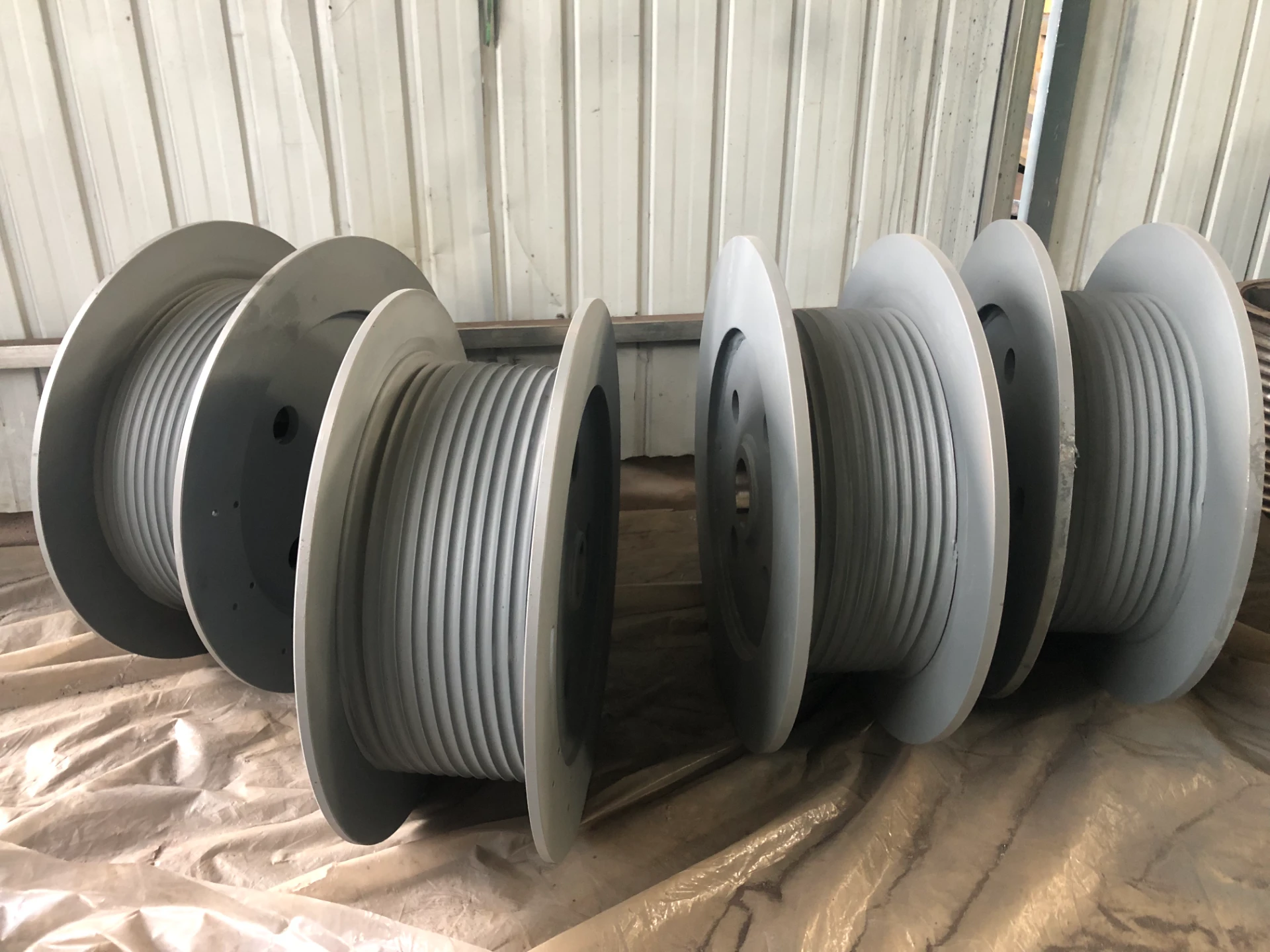
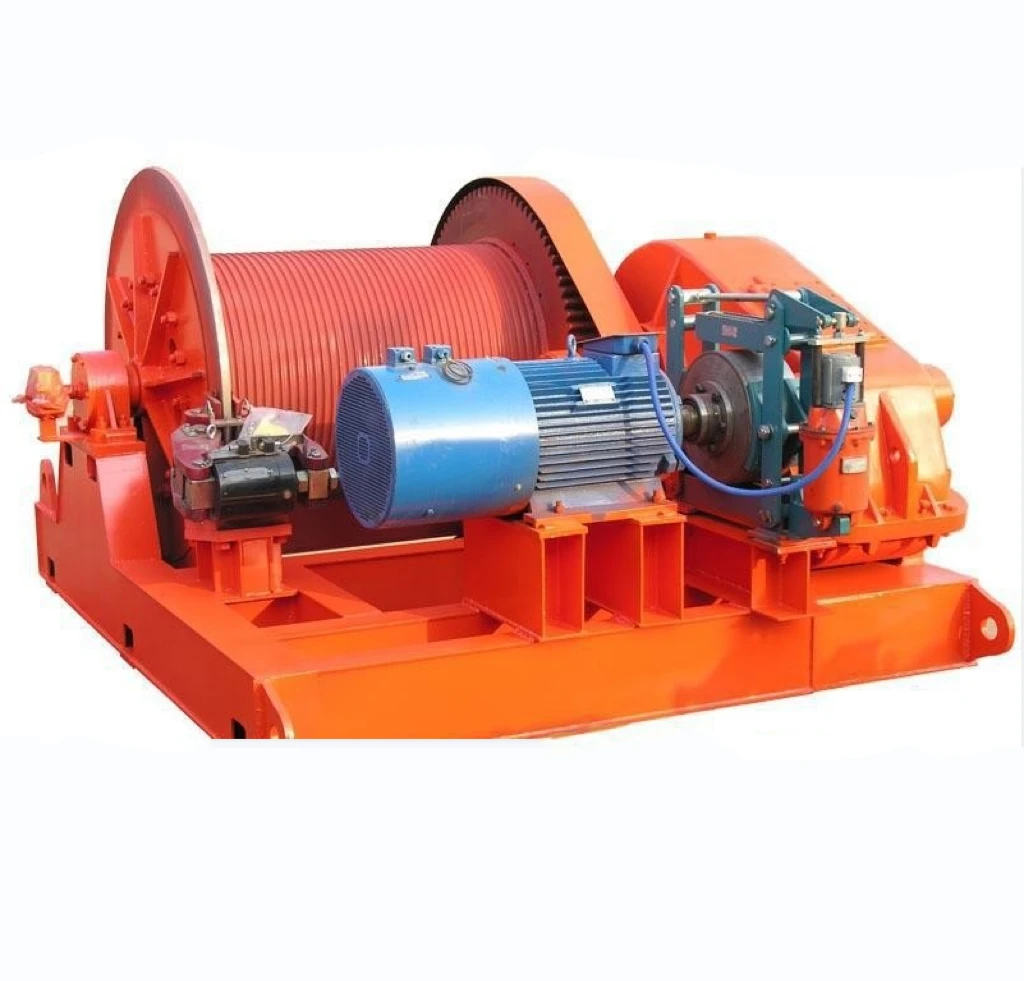
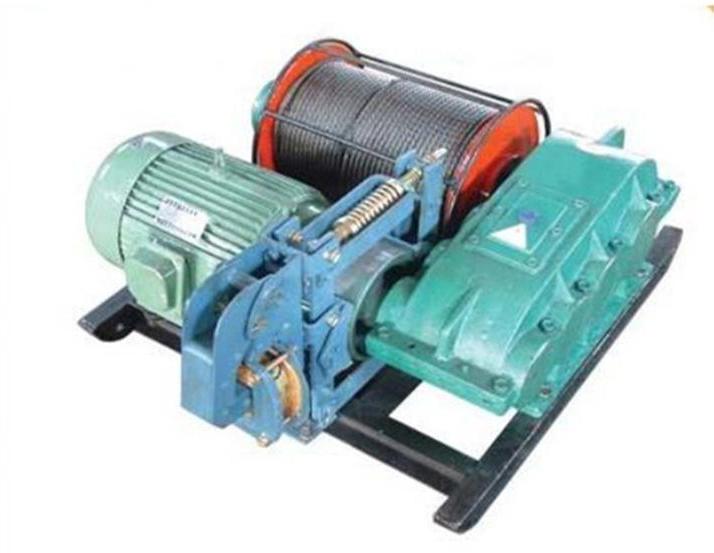
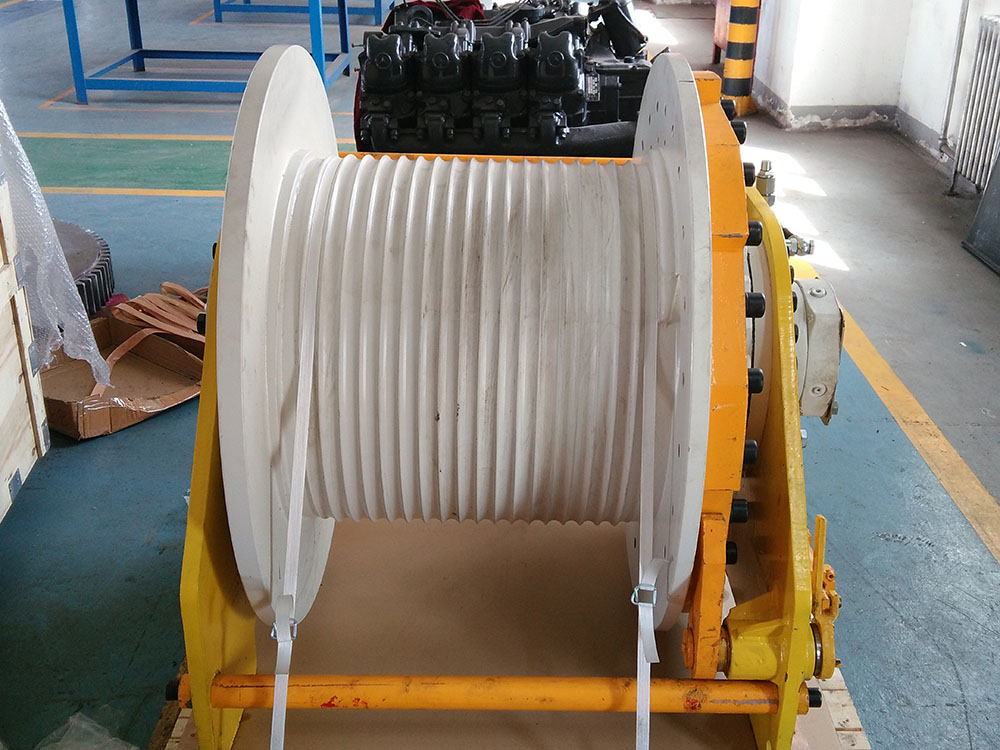
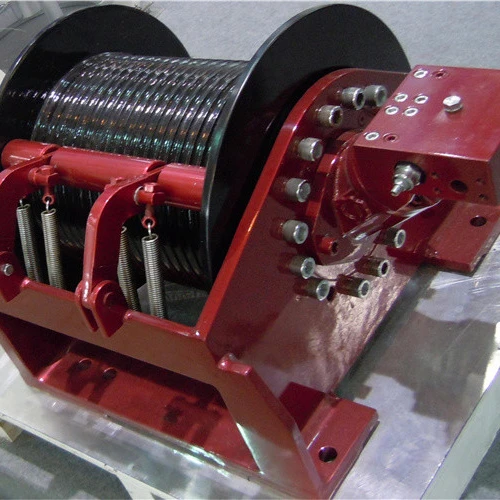
In the simplest terms, a 30 ton hydraulic winch is a powered drum or spool system that pulls or lifts loads up to 30 tons (~27,200 kg) using hydraulic pressure. Unlike electric or mechanical winches, hydraulic ones harness the power of fluid pressure, making them smoother, more controllable, and able to handle heavier weights in tough environments.
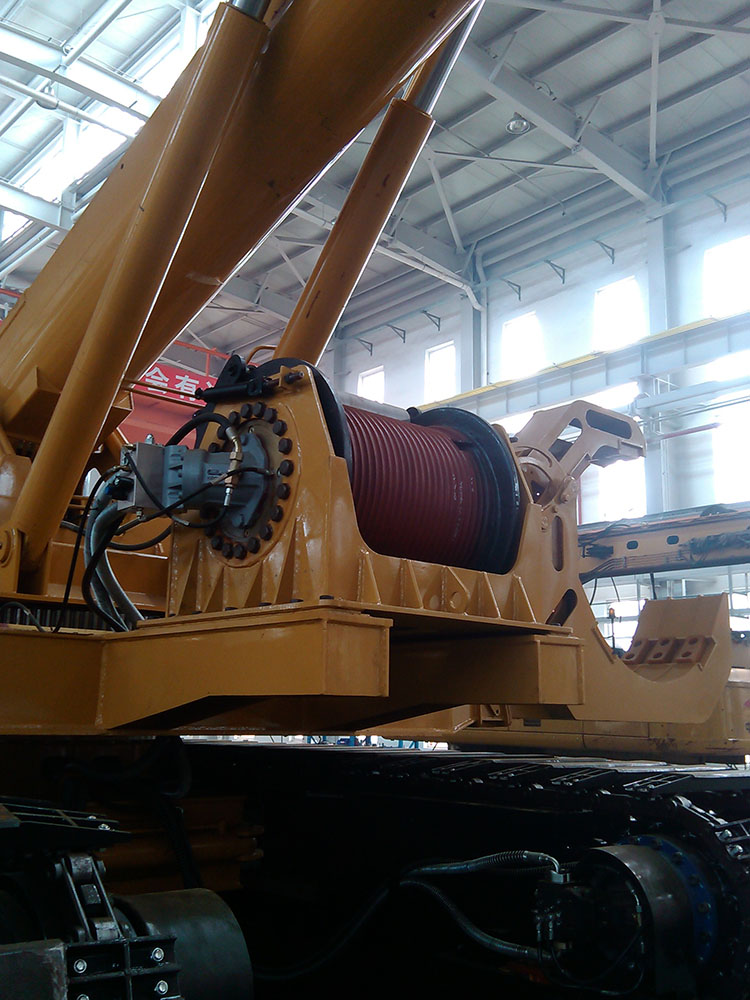
Where do we see this usage? Think oil rigs needing to reel in heavy cables, construction sites pulling steel beams into place, or disaster zones dragging debris and vehicles safely out of harm’s way. The hydraulic element means they can be mounted almost anywhere, from trucks to ships to fixed installations, without worrying about electric supply constraints.
4 Key Features That Define a Good 30 Ton Hydraulic Winch
1. Durability
These winches are built tough. Most are made from high-grade steel alloys and sealed hydraulics to resist corrosion, dust, and saltwater. This durability is non-negotiable when operating offshore or in extreme climates.
2. Precision Control
The hydraulic system allows fine speed adjustments—a lifesaver on unstable terrain or delicate rescue missions. Many units now include remote controls, improving operator safety.
3. Load Capacity and Safety Systems
Handling 30 tons isn’t just about raw power. Modern units feature automatic brake systems and load sensors to prevent overload or sudden drops. These safety features meet standards such as those from the Occupational Safety and Health Administration (OSHA).
4. Scalability
Engines and hydraulic inputs can be scaled or customized to suit the job, whether it’s a single rope pull or complex multi-line operations.
5. Maintenance and Serviceability
Easy-to-access components and modular designs make it simpler for on-site technicians to perform checks, extend the machine's lifespan, and cut downtime.
Summary:
- Built for endurance and harsh environments
- Hydraulic controls allow smooth, precise operation
- Strong safety features prevent mishaps
- Customizable configurations for varied industrial tasks
The Versatile Globe-Trotter: Applications Around the World
It’s fascinating how widely these winches are used across continents:
- Disaster Relief: After hurricanes or earthquakes, NGOs often deploy 30 ton hydraulic winches for clearing rubble or hauling vital supplies into unreachable areas.
- Marine and Offshore: In ports like Singapore or Rotterdam, winches operate sky-high to control container cranes or position anchors.
- Mining Regions: In Australian opal fields or Canadian nickel mines, hydraulic winches haul heavy drilling gear or ores.
- Construction Sectors: Skyscraper projects in Dubai or urban renewal in Europe rely on winches to safely manage building materials.
This remarkable reach speaks volumes about the design’s reliability and versatility.
Technical Specs: A Typical 30 Ton Hydraulic Winch
| Specification | Details |
|---|---|
| Load Capacity | 30 tons (27,200 kg) |
| Motor Type | Hydraulic motor, variable displacement |
| Line Speed | Up to 15 meters/min |
| Drum Diameter | 500 mm |
| Weight | Approx. 1800 kg |
| Brake System | Automatic multi-disc hydraulic brake |
Leading Vendors and How They Compare
| Vendor | Key Features | Warranty | Average Price |
|---|---|---|---|
| LBS Winch Co. | Remote control, robust marine-grade build | 2 years | $25,000 - $30,000 |
| Global Pull Systems | Compact design, heavy-duty brakes | 1.5 years | $24,000 - $28,000 |
| TorqueMax Inc. | High power-to-weight ratio, customizable drums | 3 years | $27,000 - $35,000 |
Why Should You Care? The Tangible Benefits
When it comes down to it, the real-world benefits of a 30 ton hydraulic winch are often about more than just moving loads. In safety-critical environments, they protect human lives by preventing mechanical failures. In cost terms, hydraulic winches typically last longer and require less electrical infrastructure, reducing total ownership costs.
In addition, from a sustainability standpoint, many modern models boast energy-efficient motors and recyclable materials, aligning with environmental policies aimed at lowering a project's carbon footprint.
Emotional peace of mind? Yes, many operators say there’s a trust factor; knowing your winch “has your back” makes all the difference when working in remote or hazardous locations.
Looking Ahead: Trends That Will Shape Hydraulic Winches
- Smart Controls: Integration of IoT sensors for real-time load and performance monitoring.
- Green Hydraulics: Use of biodegradable hydraulic oils and energy-recovery systems.
- Automation: Semi-autonomous winches that adjust tension and speed automatically during complex operations.
- Lighter Materials: Advanced alloys and composites to reduce weight without compromising strength.
It’s a bit like watching the evolution from the first steam engines to sleek hybrid cars—a modest-looking winch can become a highly sophisticated, eco-friendly powerhouse.
Common Questions About 30 Ton Hydraulic Winches
Q1: How often should hydraulic winches be serviced?
Regular maintenance is key—ideally, a full inspection every six months, with hydraulic fluids replaced annually or per manufacturer guidelines. Frequent checks ensure safety and prolong equipment life.
Q2: Can these winches operate in extreme weather?
Yes, most 30 ton hydraulic winches are designed with weather-resistant coatings and sealed components, making them suitable for everything from desert heat to offshore salt spray.
Q3: What’s the difference between hydraulic and electric winches?
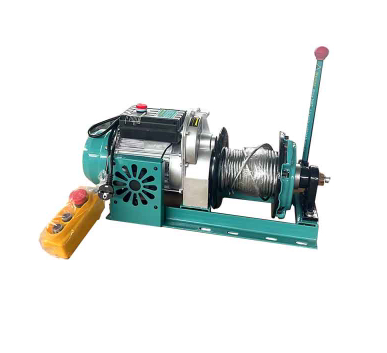
Hydraulic winches generally offer smoother control, greater power for heavy loads, and operate in environments where electric power might be unreliable or hazardous.
Q4: Can a 30 ton hydraulic winch be customized?
Definitely. Vendors like LBS Winch Co. offer tailored solutions — different drum sizes, rope types, or control options — to fit your specific project needs.
Wrapping It Up: Why 30 Ton Hydraulic Winches Remain Essential
The long-term benefits of investing in a 30 ton hydraulic winch go beyond lifting capacities. They bring safety, reliability, and adaptability to some of the most critical jobs on earth. Whether rebuilding after storms or pushing technological boundaries in mining, these winches make the impossible imaginable.
Curious to learn more or ready to pick the ideal winch for your project? Visit our website: https://www.lbswinch.com — where expertise meets heavy-duty performance.
Mini takeaway: Though mechanical at heart, the 30 ton hydraulic winch is evolving fast — blending tradition with tech to forge a safer, smarter future.
References
-
The Ultimate Guide to Gear Steels for Durability and PerformanceNewsApr.16,2026
-
High Performance Gear Stainless Steel for Industrial DurabilityNewsApr.09,2026
-
Comprehensive Guide to Steel Bevel Gears Applications and SelectionNewsApr.07,2026
-
Comprehensive Guide to Durable Stainless Steel Miter Gears and ApplicationsNewsApr.04,2026
-
Comprehensive Guide to Steel Spur Gears Functionality and ApplicationsNewsMar.31,2026
-
Comprehensive Guide to Durable Stainless Steel Spur Gears and Their ApplicationsNewsMar.28,2026