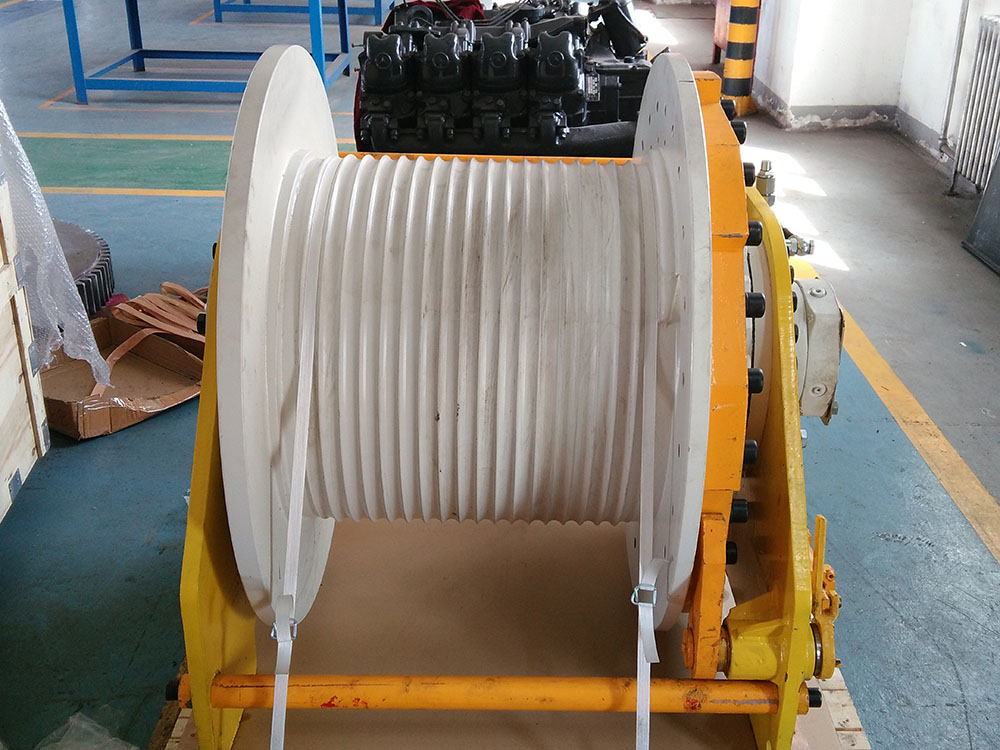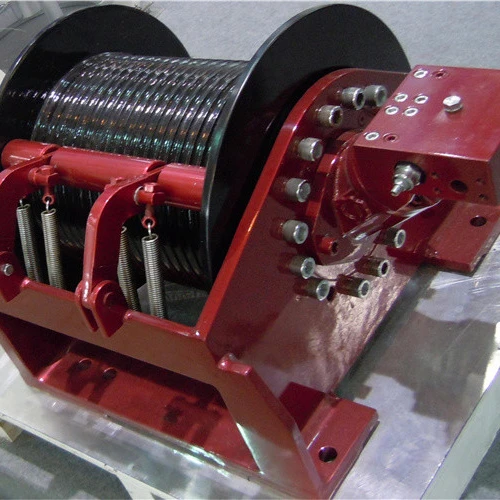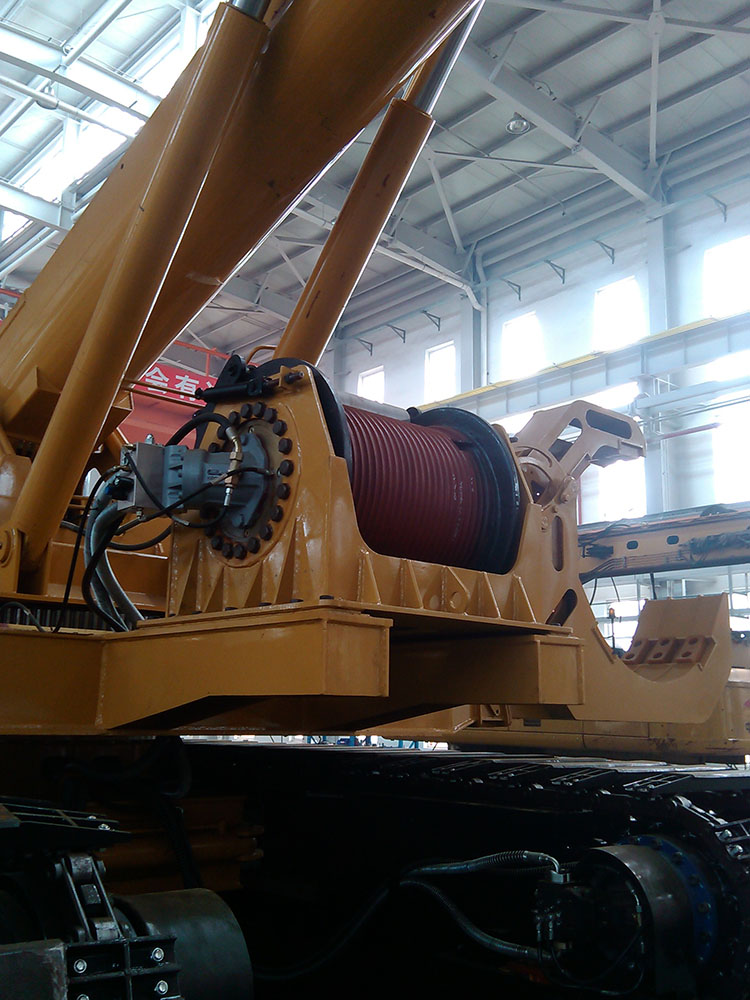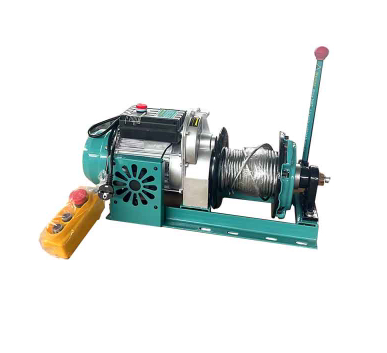
The Comprehensive Guide to Electric 110 Volt Winch Selection and Applications
Understanding the Power of an Electric 110 Volt Winch
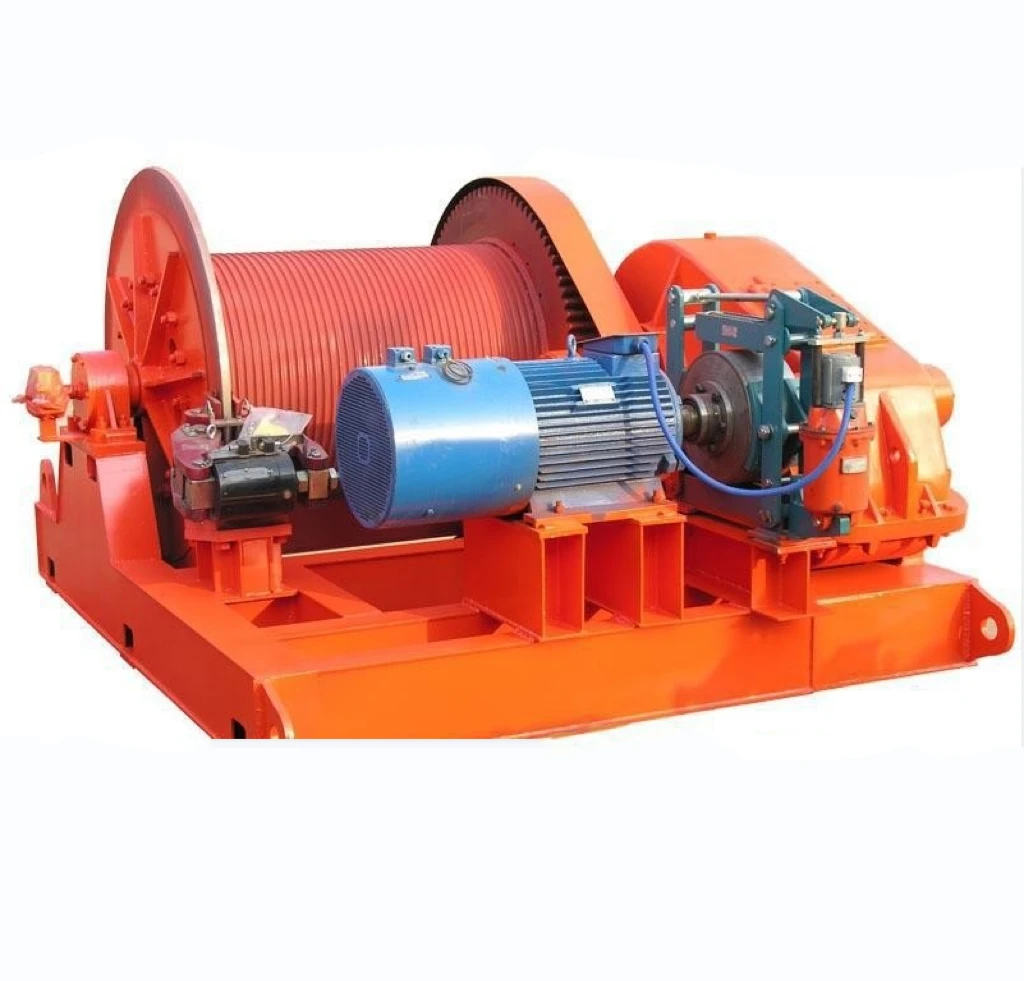
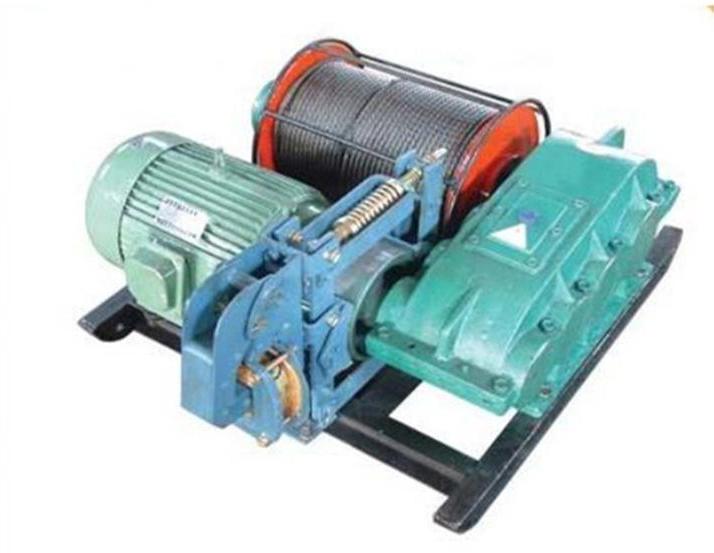
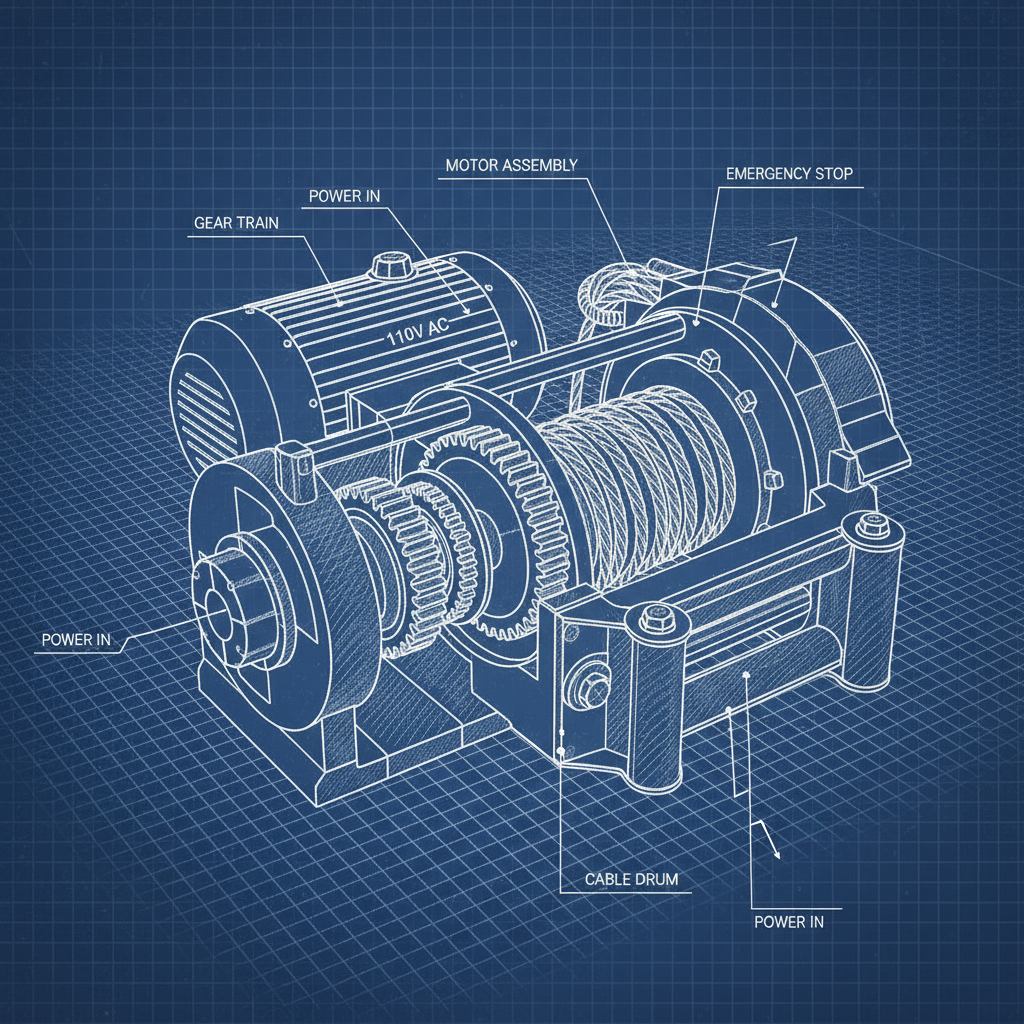
When it comes to lifting and pulling tasks in various applications, an electric 110 volt winch offers a compelling solution. These winches provide controlled power and efficiency, making them ideal for marine, industrial, and automotive use. This article will explore the benefits, applications, considerations, and key features of an electric 110 volt winch, helping you understand if it’s the right choice for your needs. Choosing the right winch means improved safety and productivity. We’ll delve into how to select a winch that matches your specific requirements.
Benefits of Choosing an Electric 110 Volt Winch
Electric 110 volt winches offer several advantages over manual or hydraulic models. Primarily, they deliver consistent and reliable power, reducing physical strain on the operator. Their precision control allows for smooth lifting and lowering of loads, enhancing safety and accuracy. Furthermore, these winches often require less maintenance compared to hydraulic systems. The convenience of plug-and-play operation, coupled with the elimination of messy hydraulic fluids, makes them a practical choice for many applications. They're also typically quieter than combustion engine-driven winches. Consider an LBS winch for premium performance and reliability.
Key Highlights: Consistent power, reduced operator strain, precise control, lower maintenance requirements, and quieter operation.
Applications of Electric 110 Volt Winches
The versatility of an electric 110 volt winch lends itself to a wide array of uses. In marine environments, they're commonly employed for boat launching and retrieval, anchor pulling, and general deck operations. Industrial settings utilize them for lifting machinery, positioning equipment, and material handling. Automotive applications include vehicle recovery, equipment loading, and workshop tasks. They are also effective in construction for lifting materials and tools to elevated work areas. The adaptability of these winches makes them a valuable asset across multiple industries.
Application Examples:
• Boat Launching & Retrieval
• Industrial Lifting & Positioning
• Vehicle Recovery
• Construction Material Handling
Choosing the Right Electric 110 Volt Winch: Key Considerations
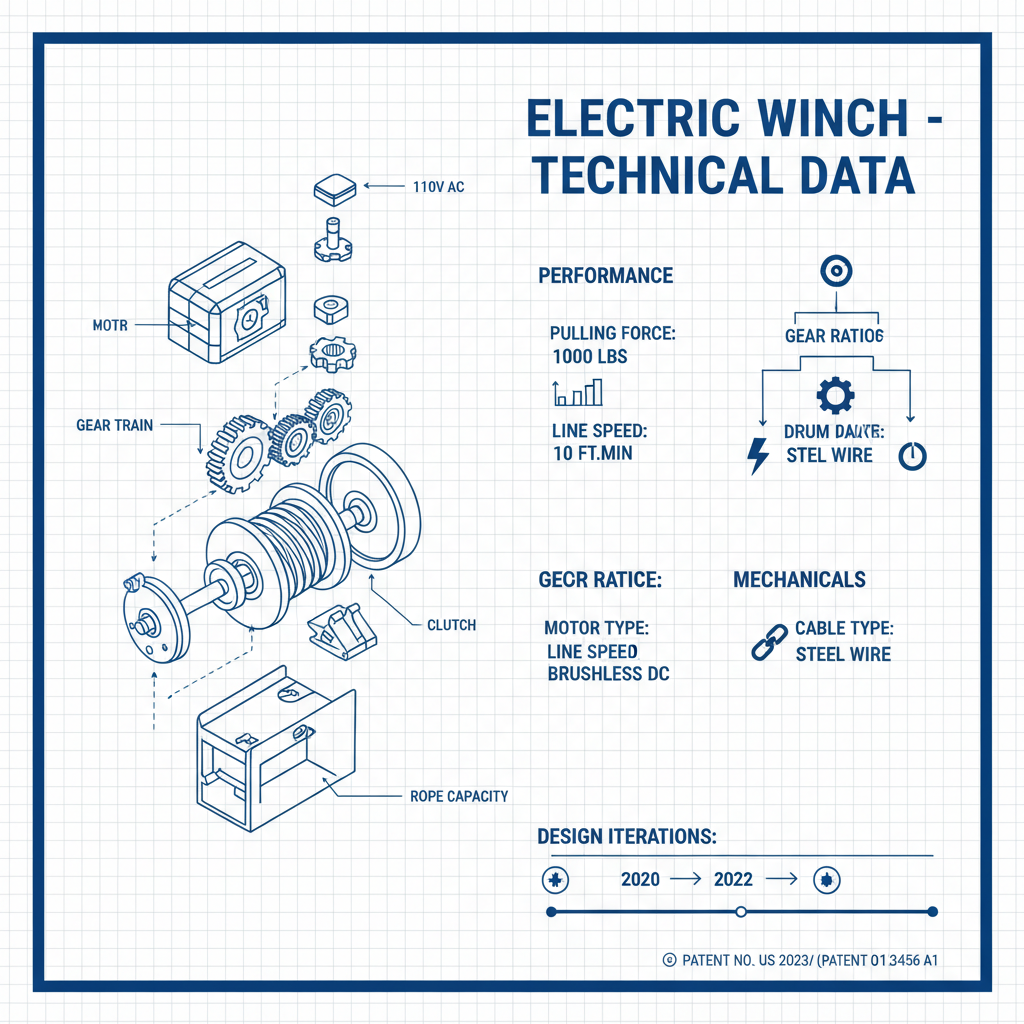
Selecting the appropriate electric 110 volt winch requires careful consideration of several factors. The first is the line pull (the maximum weight the winch can lift). Match the winch capacity to the heaviest load you anticipate handling, adding a safety margin. Next, consider the cable length needed for your applications. Longer cables provide greater reach but can also slow down lifting speeds. The type of cable (steel or synthetic) will depend on the application and desired durability. Finally, assess the power source availability and ensure a compatible 110-volt outlet is readily accessible. A robust and reliable LBS winch provides peace of mind.
Electric 110 Volt Winch vs. Other Winch Types
Compared to manual winches, electric models eliminate physical exertion, significantly boosting efficiency. Hydraulic winches offer higher power but require more complex maintenance and are prone to leaks. Gas-powered winches provide portability but generate emissions and require fuel. An electric 110 volt winch strikes a balance between power, convenience, and environmental friendliness. The chart below highlights a simple comparison:
Safety Precautions When Using an Electric 110 Volt Winch
Safety is paramount when operating any winch. Always wear appropriate personal protective equipment (PPE), including gloves and eye protection. Ensure the winch is securely mounted and the cable is properly spooled. Never exceed the winch's rated capacity. Inspect the cable and hardware for damage before each use. Keep bystanders clear of the lifting area. A properly maintained and operated electric winch from a reputable supplier like LBS Winch is your first step to safe and efficient operation.
Conclusion: Power and Reliability with Electric 110 Volt Winches
An electric 110 volt winch offers a versatile, powerful, and efficient solution for a wide range of lifting and pulling applications. By carefully considering your needs and following safety guidelines, you can harness the benefits of this valuable tool. Investing in a high-quality winch, such as those offered by LBS Winch, ensures reliability and long-term performance.
Frequently Asked Questions (FAQs)
What is the typical lifespan of an electric 110 volt winch?
With proper maintenance and use within its specified load limits, an electric 110 volt winch can last for many years—typically 5-10 years or even longer. Regular inspection for wear and tear, lubrication of moving parts, and protection from the elements will significantly extend its lifespan. The quality of the winch itself is also a key factor; a winch built with durable materials and components will naturally last longer.
What kind of maintenance is required for an electric 110 volt winch?
Regular maintenance includes inspecting the cable for fraying or damage, lubricating gears and bearings, and checking electrical connections for corrosion. It’s important to keep the winch clean and dry, and to store it properly when not in use. Also, test the operation of the winch periodically to ensure it’s functioning smoothly. Refer to the manufacturer’s manual for specific maintenance recommendations.
Can I use an extension cord with my electric 110 volt winch?
Yes, but it’s crucial to use a heavy-duty extension cord that is rated for the winch’s amperage. Using an undersized extension cord can cause voltage drop, leading to reduced performance and potential overheating. The extension cord should also be suitable for outdoor use if the winch will be used in wet conditions. Always ensure the connection is secure and protected from the elements.
What safety features should I look for in an electric 110 volt winch?
Essential safety features include a load limit switch (to prevent overloading), a dynamic braking system (to stop the winch quickly), and a cable guard (to prevent the cable from unspooling too quickly). A remote control can also enhance safety by allowing the operator to stand clear of the lifting area. Look for winches that meet relevant safety standards.
-
The Ultimate Guide to Gear Steels for Durability and PerformanceNewsApr.16,2026
-
High Performance Gear Stainless Steel for Industrial DurabilityNewsApr.09,2026
-
Comprehensive Guide to Steel Bevel Gears Applications and SelectionNewsApr.07,2026
-
Comprehensive Guide to Durable Stainless Steel Miter Gears and ApplicationsNewsApr.04,2026
-
Comprehensive Guide to Steel Spur Gears Functionality and ApplicationsNewsMar.31,2026
-
Comprehensive Guide to Durable Stainless Steel Spur Gears and Their ApplicationsNewsMar.28,2026