Reliable Lebus Grooved Drum for Precision Spooling
In the high-stakes world of heavy lifting, offshore drilling, and marine operations, the reliability of your equipment is not just a matter of efficiency—it's a matter of safety. At the heart of every high-performance winch is a critical component: the drum. While standard smooth or helical drums have been used for decades, the industry has overwhelmingly shifted towards a superior technology for multi-layer wire rope spooling. This guide provides an in-depth exploration of the lebus grooved drum, covering everything from its core technical advantages to how to select and buy a Lebus grooved drum that meets your precise operational needs.
The global industrial winch market, valued at approximately USD 1.5 billion in 2023, is projected to grow at a CAGR of 4.5% through 2030. A significant driver of this growth is the increasing adoption of advanced safety and efficiency-enhancing components like the **lebus grooved drum**. This technology directly addresses the chronic problems of wire rope damage, uneven spooling, and operational hazards associated with traditional drum designs, making it an indispensable asset for modern heavy-duty applications.
Understanding the Lebus Advantage: Beyond the Simple Drum
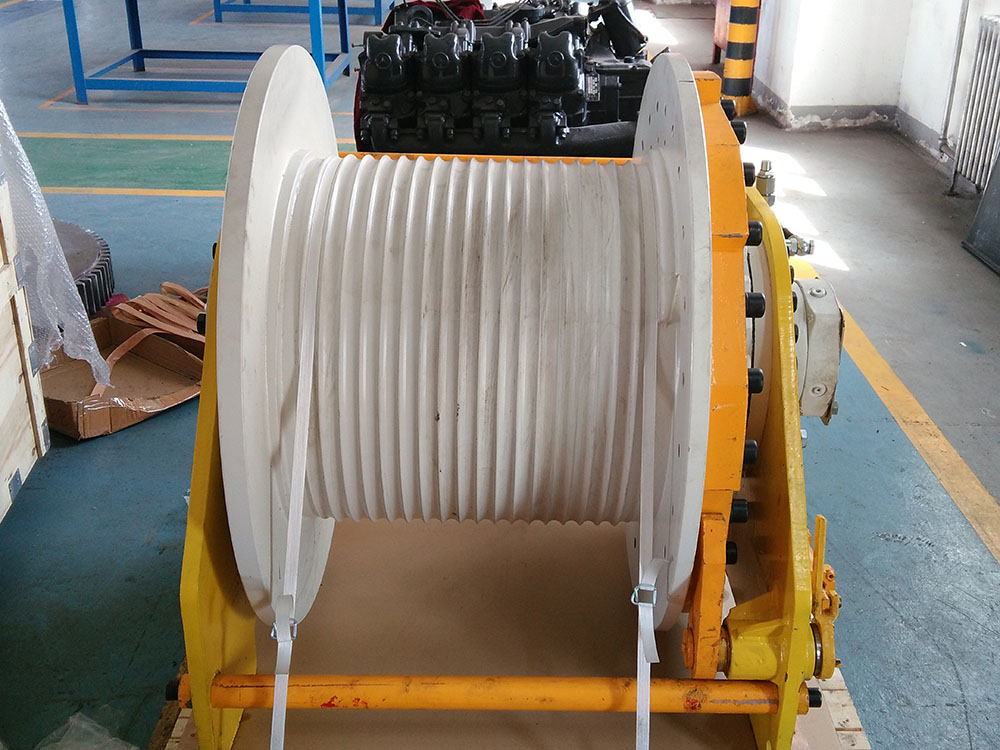
What exactly is a lebus grooved drum, and why is it considered the gold standard for wire rope management? Unlike a smooth drum, which offers no guidance, or a helical drum, which has a continuous spiral groove like a screw thread, the Lebus system features a unique groove pattern engineered for flawless multi-layer winding. The drum barrel is machined with parallel grooves, except for two specific crossover sections on the circumference. These crossover points are precisely engineered to guide the rope smoothly from one wrap to the next and from one layer to the next, ensuring a tightly packed, uniform winding pattern.
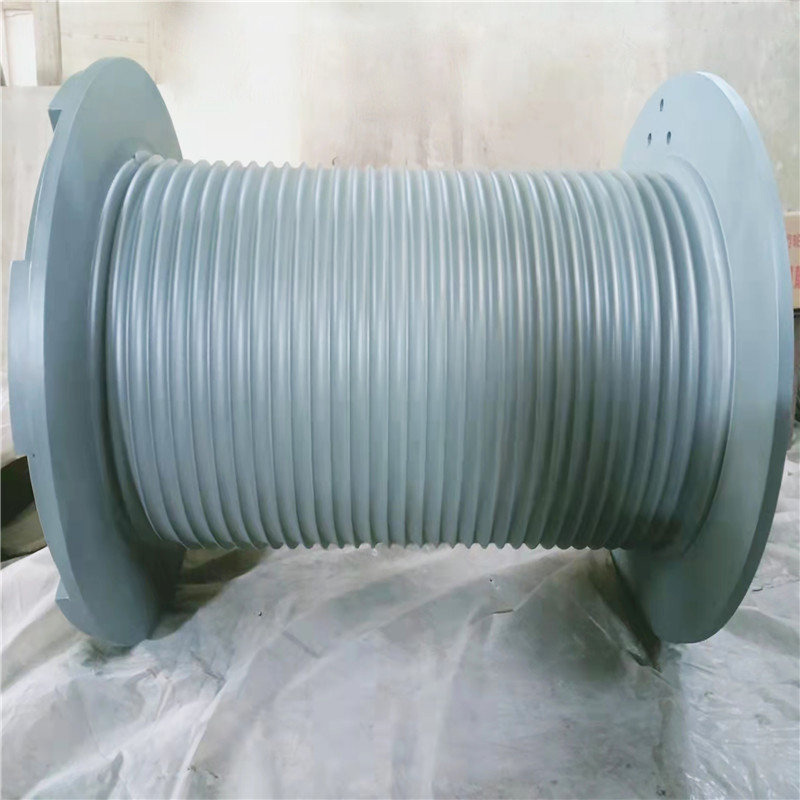
The intricate parallel and crossover grooves of a Lebus drum designed for optimal rope spooling.
This controlled spooling prevents the wire rope from "cutting in," crushing, or developing random winding patterns, which are common failure points on other drum types. The result is a dramatic increase in wire rope service life—often by over 500%—and a significant enhancement in operational safety and predictability. For anyone looking to buy a Lebus grooved drum, understanding this fundamental principle is key to appreciating its value.
Core Technical Parameters of a Lebus Grooved Drum
When specifying a lebus grooved drum, several key parameters must be considered to ensure perfect compatibility with your winch system and wire rope. These specifications are critical for achieving the flawless spooling that the Lebus system promises.
| Parameter | Description & Importance | Typical Range / Options |
|---|---|---|
| Drum Diameter (D) | The diameter of the drum barrel. A larger diameter reduces bending stress on the wire rope, extending its life. The D/d ratio (Drum diameter to rope diameter) is a critical design factor, often mandated by standards like API Spec 2C. | 100mm - 4000mm+ |
| Wire Rope Diameter (d) | The nominal diameter of the wire rope. The groove profile (pitch, depth, radius) is machined precisely for this specific diameter. | 6mm - 120mm |
| Groove Pitch (P) | The center-to-center distance between adjacent grooves. It is slightly larger than the rope diameter (typically 1.05d to 1.08d) to prevent rope scrubbing. | Custom-engineered per rope diameter |
| Material Selection | Determines the drum's strength, durability, and corrosion resistance. Selection depends on load capacity and operating environment. | Carbon Steel (Q345, C45), Alloy Steel (42CrMo, 35CrMo), Cast/Forged Steel |
| Drum Type | Drums can be integral (machined from a solid barrel) or use split-sleeves, which are bolted or welded onto an existing smooth drum for retrofitting. | Integral Type, Split-Sleeve Type |
| Flange Design | The side walls of the drum that contain the rope. Flange height and thickness are calculated based on the number of layers and rope pull. | Tapered, Straight, Custom profiles |
| Compliance Standards | Ensures the drum meets industry-recognized quality and safety benchmarks. | ISO 9001, API, DNV, ABS, CCS |
Our Featured Product: Lebus Grooved Drum For Lifting Winch
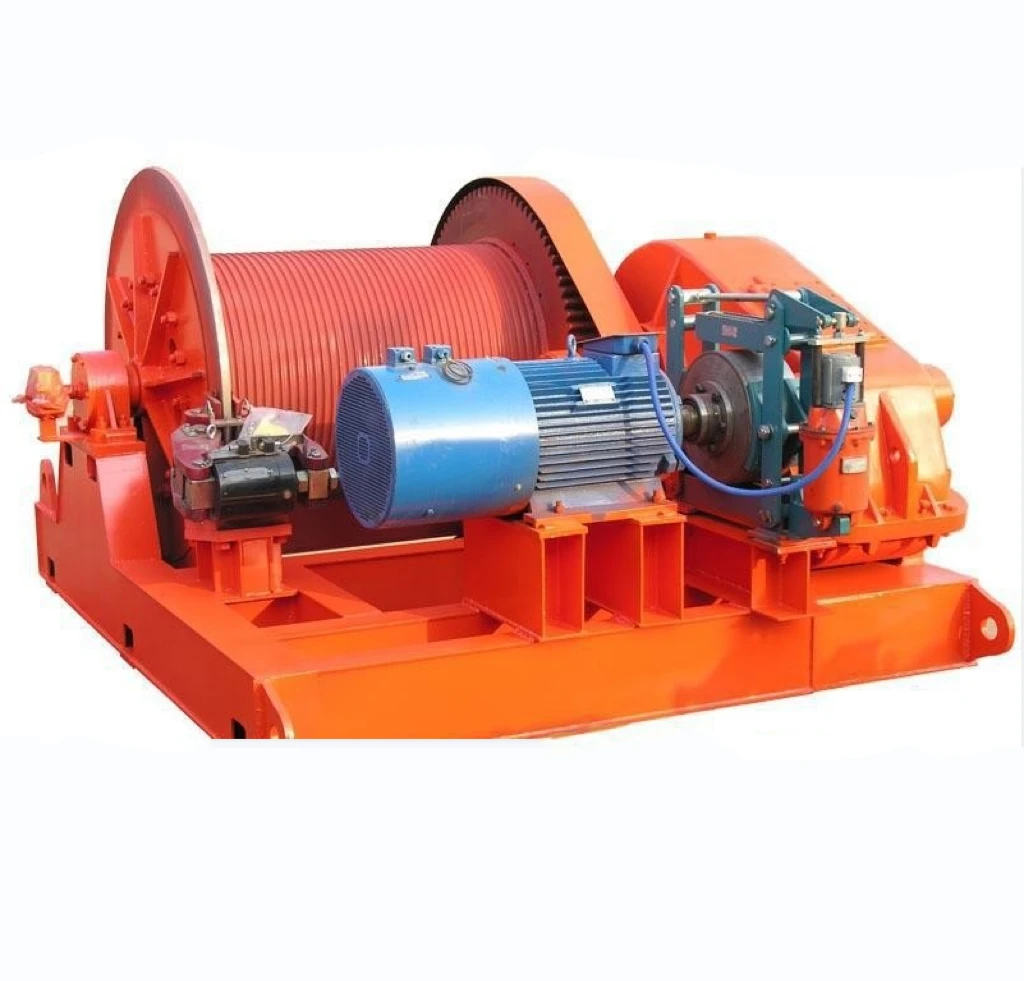
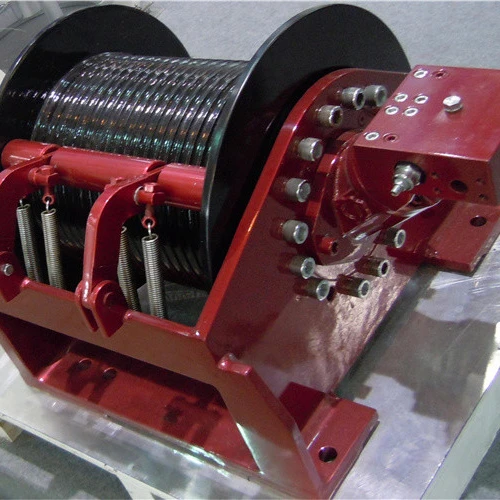
At LBS Winch, we specialize in the design and manufacture of high-integrity lifting solutions. Our Lebus Grooved Drum For Lifting Winch is the culmination of years of engineering expertise and a commitment to quality. Engineered to outperform and outlast conventional drums, it is the premier choice for critical applications in marine, offshore, mining, and construction industries. When you decide to buy a Lebus grooved drum from us, you are investing in a component that will pay dividends in safety, reliability, and reduced operational costs.
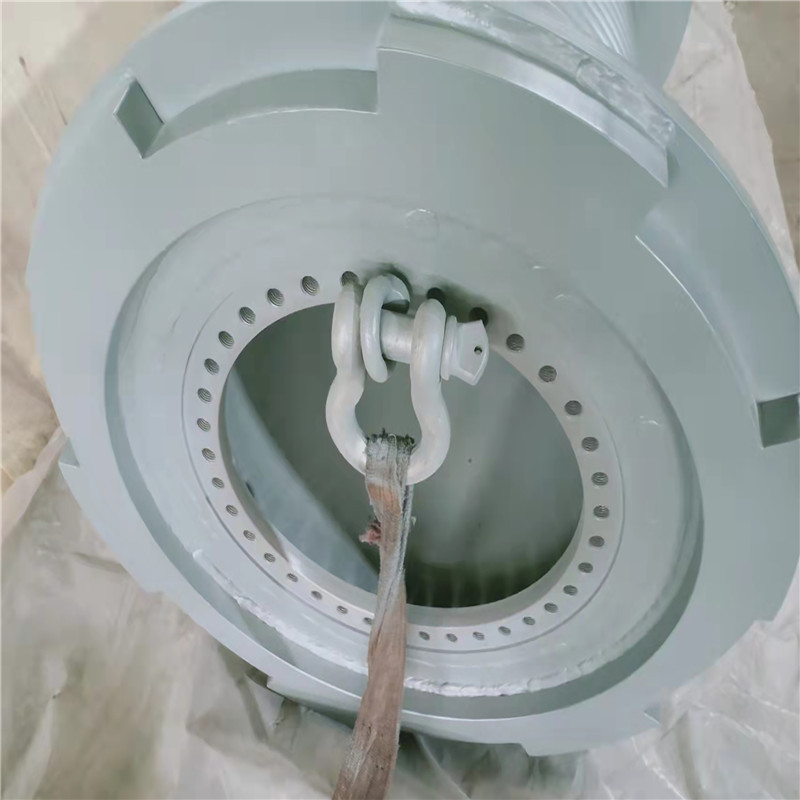
Our Lebus Grooved Drum, ready for integration into a demanding heavy-lifting winch system.
Experience the LBS Winch Difference
Our drums are not just products; they are engineered solutions. We work closely with our clients to design custom lebus grooved drum systems tailored to their specific rope, load, and environmental requirements, ensuring optimal performance from day one.
The Anatomy of Quality: Our Manufacturing Process Unveiled
The exceptional performance of a lebus grooved drum is not accidental; it is the result of a meticulous and quality-controlled manufacturing process. We believe in full transparency and are proud to showcase the journey of our drums from raw material to a finished, certified product.
Manufacturing Flowchart: From Raw Steel to Precision-Engineered Drum
Process Breakdown:
- Step 1: Material Selection & Testing: The process begins with sourcing premium raw materials like high-tensile carbon steel (Q345, ASTM A572) or alloy steel (42CrMo) for superior strength. Every batch of material undergoes rigorous chemical and mechanical testing to verify its properties against international standards like ISO and ANSI.
- Step 2: Forging or Casting: For heavy-duty and critical applications, we utilize a forging process. Forging aligns the grain structure of the metal, resulting in a drum that is significantly stronger, tougher, and more resistant to fatigue than a cast or welded equivalent. This is crucial for applications with high cyclical loading.
- Step 3: Rough Machining: The forged blank is then subjected to rough machining to bring it to its basic dimensions. This step prepares the drum for the precision work to follow and ensures uniformity.
- Step 4: Precision CNC Groove Cutting: This is the most critical stage. Using advanced 5-axis CNC machines, we cut the patented Lebus groove pattern into the drum. The geometry of the parallel grooves and crossover sections is calculated by our proprietary software based on the client's rope diameter, length, and application. The precision here is measured in microns, ensuring perfect rope guidance.
- Step 5: Heat Treatment & Non-Destructive Testing (NDT): To further enhance mechanical properties, the drum may undergo heat treatment processes like quenching and tempering to optimize its hardness and toughness. Afterwards, 100% of the drum surface, especially the grooved area, is subjected to NDT. We use Magnetic Particle Inspection (MPI) to detect surface-level cracks and Ultrasonic Testing (UT) to find any internal flaws, ensuring the drum is completely free of defects.
- Step 6: Final Inspection, Coating & Certification: The finished drum undergoes a final dimensional and visual inspection. Upon approval, it is coated with a high-performance marine-grade epoxy paint system for maximum corrosion protection in harsh environments like petrochemical plants or offshore platforms. Each drum is shipped with a complete quality dossier, including material certificates, NDT reports, and a certificate of conformity.
The critical CNC machining phase where the precise Lebus groove profile is cut.
Quantifiable Advantages: Data-Driven Performance Comparison
The decision to buy a Lebus grooved drum is backed by clear, measurable performance gains over traditional drums. The following data visualizations illustrate the stark difference in performance and long-term value.
Performance Comparison: Lebus Drum vs. Smooth Drum
Metric: Average Wire Rope Service Life
As the chart clearly shows, the controlled winding provided by a lebus grooved drum drastically reduces the wear and tear on wire rope. This reduction in mechanical damage, crushing, and abrasion directly translates to a service life increase of up to 500% or more. This not only saves significant money on rope replacement but also dramatically reduces maintenance downtime and improves safety by minimizing the risk of unexpected rope failure.
Application Scenarios & Industry Case Studies
The versatility and robustness of the lebus grooved drum make it the ideal solution for a vast range of industries where safety and reliability are paramount.
- Offshore Oil & Gas: Used in anchor handling winches, mooring systems, and subsea installation cranes where operations in extreme weather demand flawless performance. The anti-corrosion coatings and robust forged materials are essential here.
- Marine & Port Operations: Found in ship-to-shore cranes, deck winches, and towing applications. The compact winding allows for longer ropes on smaller drums, saving valuable space and weight.
- Mining: Critical for mine shaft hoists, where they are used to transport personnel and materials thousands of meters underground. The safety implications are immense, making the predictable spooling of a lebus grooved drum non-negotiable.
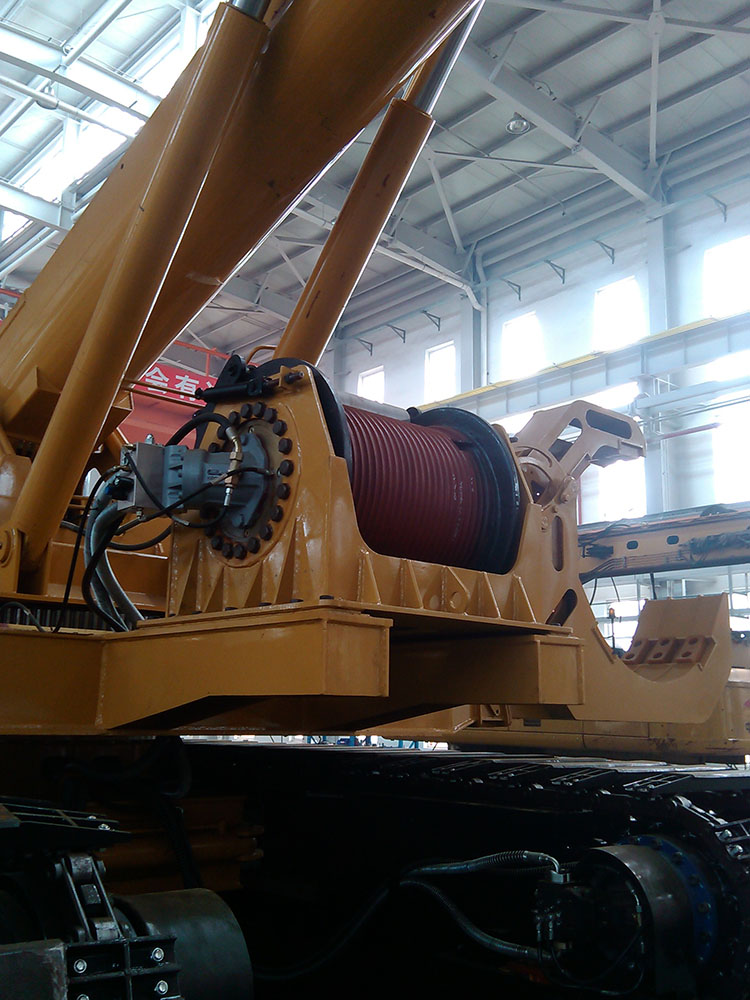
- Heavy Construction: Used in tower cranes and crawler cranes for lifting heavy modules and materials with precision and safety.
- Theatrical & Entertainment Rigging: For lifting heavy stage elements and lighting rigs silently and smoothly, ensuring the safety of performers and crew.
A custom-designed Lebus drum in a harsh offshore environment, demonstrating its reliability.
Application Case Study: Retrofitting a Port Crane Winch
Client: A major European container111 port.
Problem: Their main ship-to-shore crane experienced frequent wire rope changes (every 6 months) due to severe crushing and abrasion on its original helical groove drum. This resulted in excessive costs (over €50,000 annually in rope alone) and significant operational downtime.
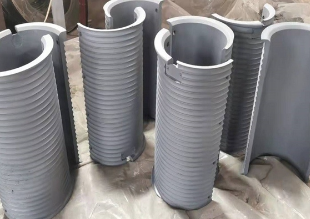
Solution: Our engineering team designed a custom lebus grooved drum solution using a split-sleeve design. This allowed the new grooved sleeves to be installed directly onto the existing smooth drum barrel without removing it from the crane, drastically reducing installation time.
Results: After the retrofit, the port reported a new wire rope service life of over 30 months—a 500% increase. Downtime related to rope issues was virtually eliminated. The total return on investment was achieved in less than 18 months, with ongoing savings and a major boost in operational safety and throughput.
Why LBS Winch? A Partnership in Performance
When you are ready to buy a Lebus grooved drum, the manufacturer you choose is as important as the technology itself. At LBS Winch, we differentiate ourselves through a commitment to engineering excellence, uncompromising quality, and dedicated customer support.
| Feature | LBS Winch | Generic Competitor |
|---|---|---|
| Engineering Support | Dedicated engineering team for custom design and FEA analysis | Standard, off-the-shelf solutions |
| Material Certification | Full material traceability and certification (e.g., EN 10204 3.1/3.2) for every drum | Often optional or unavailable |
| NDT Testing | 100% MPI and UT testing included as standard | Extra cost or not performed |
| Design Options | Integral drums and custom-fit split-sleeves for retrofitting | Limited options |
| Warranty | Comprehensive 24-month warranty | Standard 12-month warranty |
| Authoritativeness | ISO 9001:2015 certified, supplying to DNV/ABS class projects | Basic quality certifications |
Frequently Asked Questions (FAQ)
The best material depends on your load capacity and operating environment. For most industrial applications, high-strength carbon steel like Q345B or S355JR is sufficient. For higher loads or extreme fatigue resistance, forged alloy steel like 42CrMo is superior. For highly corrosive environments like offshore marine applications, we recommend specific alloy grades and a specialized three-layer marine paint coating system.
A helical groove is a single, continuous spiral groove, like a screw thread. It forces the rope to "scrub" sideways as it crosses over at each revolution, causing wear. A lebus grooved drum features grooves that are parallel to the flanges for almost the entire circumference, with two engineered crossover points. This design allows the rope to transition between wraps smoothly, eliminating scrubbing and ensuring a flat, stable winding layer, which is critical for multi-layer spooling.
The fleet angle is the angle between the wire rope and a line perpendicular to the drum axis. For a Lebus system to function perfectly, the fleet angle must be controlled within a very tight tolerance, typically between 0.25° and 1.25°. An incorrect fleet angle can cause the rope to jump the groove, leading to poor spooling and damage. We provide detailed installation guidance to ensure the fleet angle is set correctly in your system.
Absolutely. This is one of our specialties. We offer "split-sleeve" Lebus grooving systems. These are two-piece sleeves that are machined with the precise groove pattern and can be bolted or welded directly onto your existing smooth drum. This is a highly cost-effective and minimally disruptive way to upgrade your winch's performance without replacing the entire drum assembly.
We use a combination of Non-Destructive Testing (NDT) methods to guarantee the integrity of every lebus grooved drum. The two primary methods are Magnetic Particle Inspection (MPI), which detects any surface-breaking cracks or discontinuities, and Ultrasonic Testing (UT), which uses sound waves to find any potential flaws deep within the material. This ensures your drum is 100% free from defects before it leaves our facility.
The drum size is determined by several factors, primarily the rope diameter (d) and the required rope length. Industry standards (like those from API or DNV) often mandate a minimum drum-to-rope diameter ratio (D/d), typically 18:1 or greater, to minimize rope fatigue. Our engineering team will work with your specifications—rope size, length, and line pull—to calculate the optimal drum diameter, length, and flange height for your application.
With proper installation and maintenance, the lebus grooved drum itself is designed to last the lifetime of the winch. Unlike the wire rope, the drum is not a consumable item. Its robust construction from high-quality forged or rolled steel, combined with precision machining, ensures extreme durability. The primary benefit is not the drum's life, but how it dramatically extends the life of your expensive wire rope, saving you money and increasing safety over the long term.
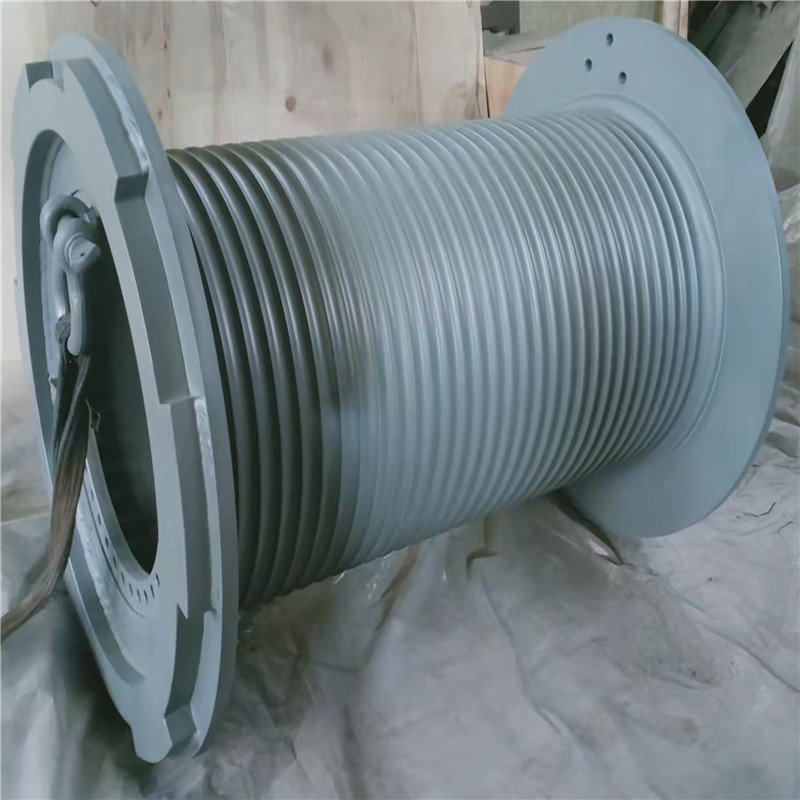
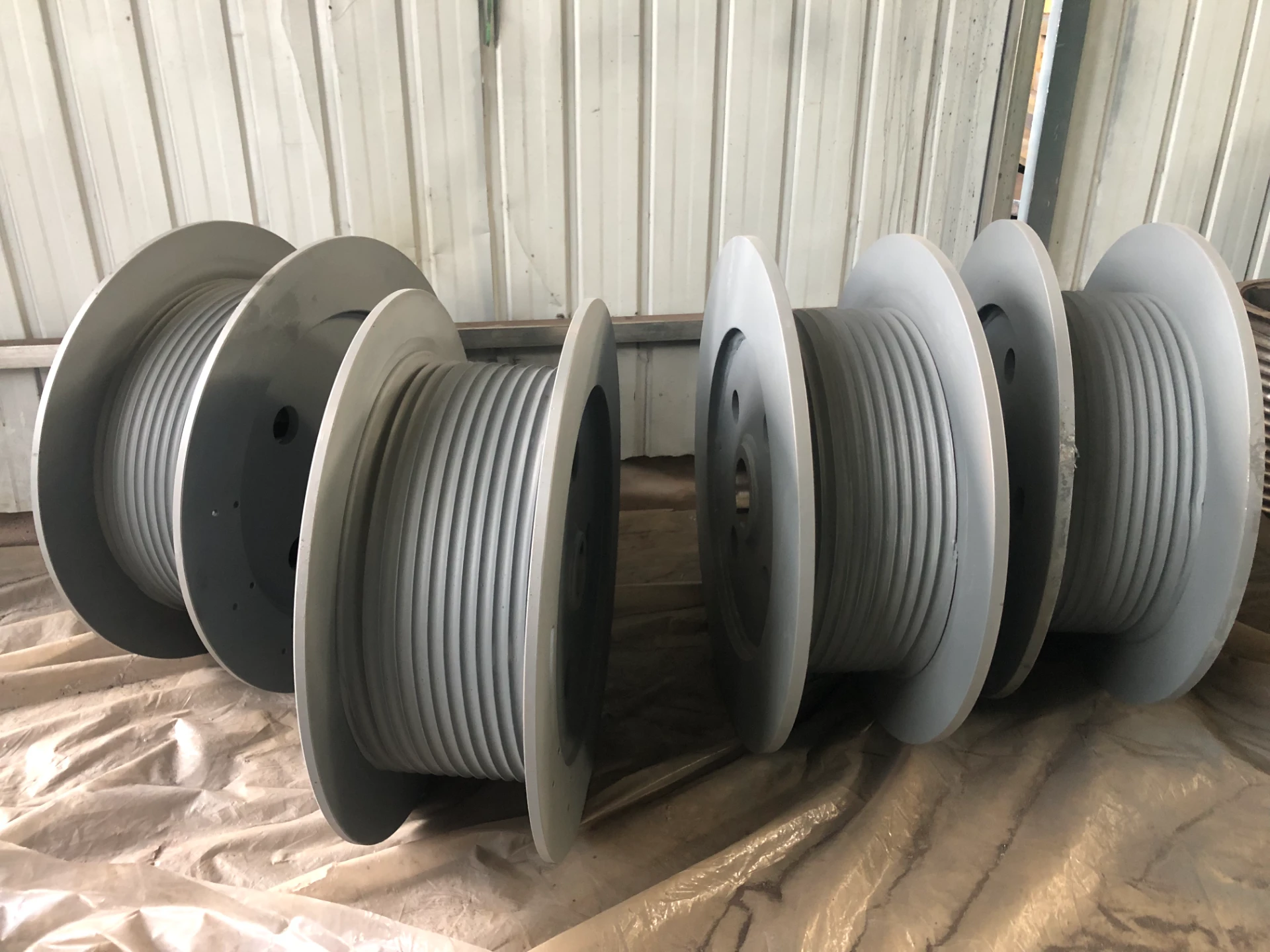
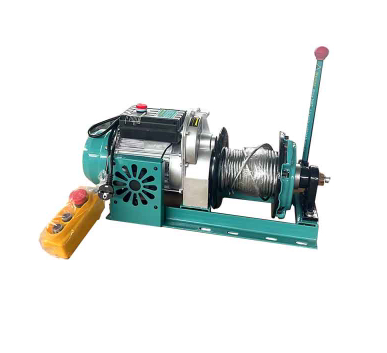
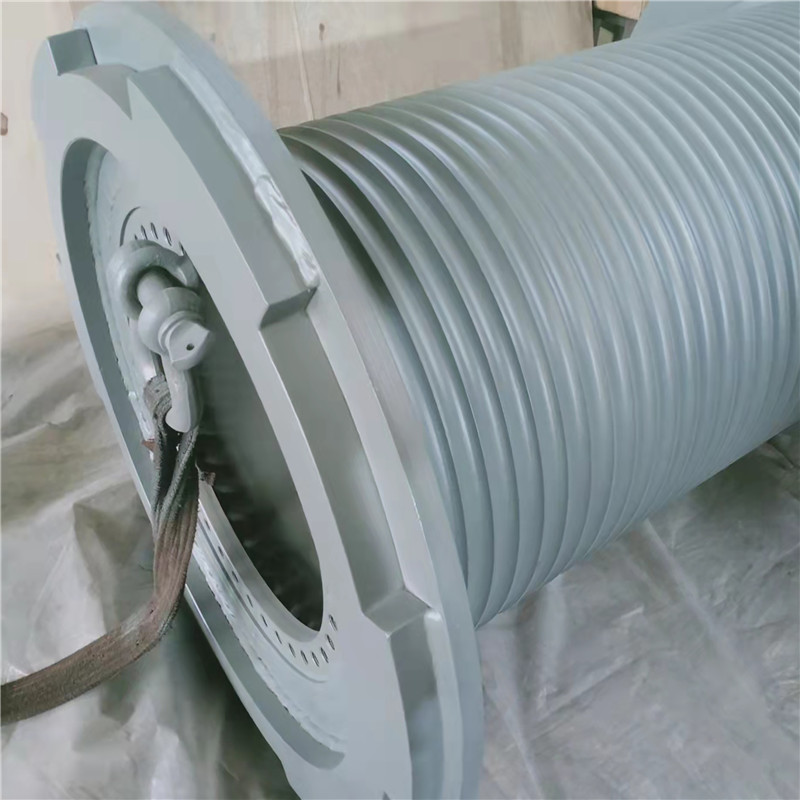
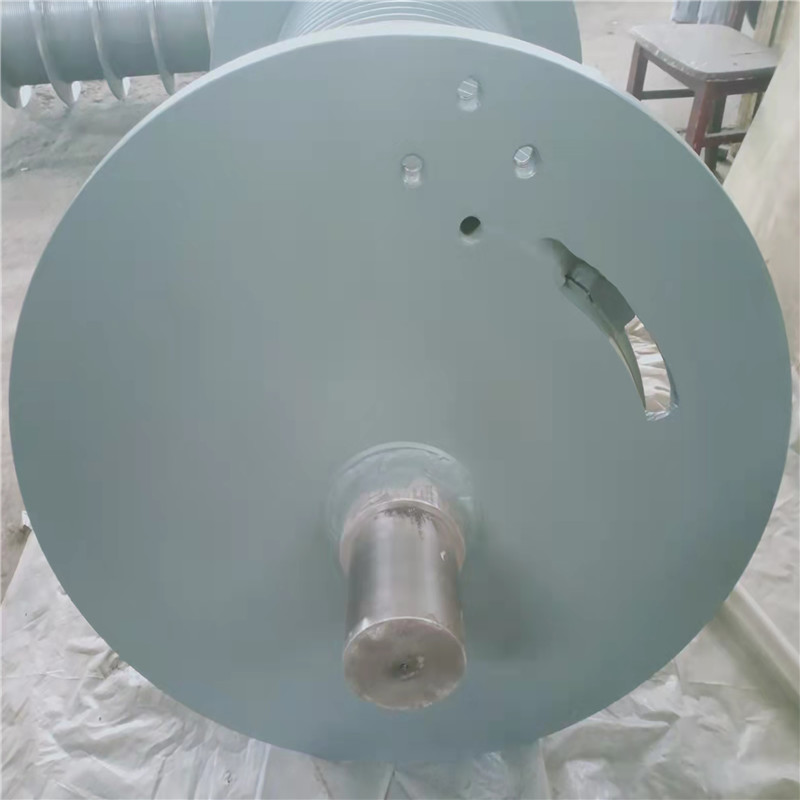
Precision-engineered Lebus drums, coated and ready for delivery to a client in the metallurgy industry.
Take the Next Step: Invest in Safety and Efficiency
Upgrading to a lebus grooved drum is one of the highest-impact investments you can make in the safety, reliability, and cost-effectiveness of your lifting operations. It's a proven technology that solves the fundamental problems of wire rope management in multi-layer applications. If you're ready to stop the cycle of frequent rope replacement and mitigate the risks of poor spooling, it's time to talk to an expert.
Further Reading & Industry References
For a comprehensive technical understanding of the principles of wire rope behavior on drums and the importance of proper grooving, we recommend consulting authoritative industry resources. These documents provide the foundational science behind the engineering of our products.
- Wire Rope Users Manual, 4th Edition by the Wire Rope Technical Board: This manual is a widely recognized authority on the selection, installation, and maintenance of wire rope, with detailed sections on drum design. (Available from various industry booksellers).
- API Specification 2C, "Offshore Cranes": This standard from the American Petroleum Institute sets forth minimum requirements for the design of cranes used in offshore applications, including specific guidance on drum D/d ratios. More information can be found at www.api.org.
- Discussions on winch safety and best practices are often found on professional forums such as the Heavy Equipment Forums under the Cranes & Rigging section.
-
The Ultimate Guide to Gear Steels for Durability and PerformanceNewsApr.16,2026
-
High Performance Gear Stainless Steel for Industrial DurabilityNewsApr.09,2026
-
Comprehensive Guide to Steel Bevel Gears Applications and SelectionNewsApr.07,2026
-
Comprehensive Guide to Durable Stainless Steel Miter Gears and ApplicationsNewsApr.04,2026
-
Comprehensive Guide to Steel Spur Gears Functionality and ApplicationsNewsMar.31,2026
-
Comprehensive Guide to Durable Stainless Steel Spur Gears and Their ApplicationsNewsMar.28,2026