Reliable Electric Deck Winch Guide | Expert Insights & Specs
Electric Deck Winch: A Veteran’s Perspective on Utility and Innovation
After more than a decade working hands-on in the industrial equipment sector, particularly around maritime and deck machinery, I’ve come to appreciate how crucial a solid electric deck winch is for efficient shipboard operations. It’s one of those tools that quietly plays a starring role — often overlooked until you actually need it.
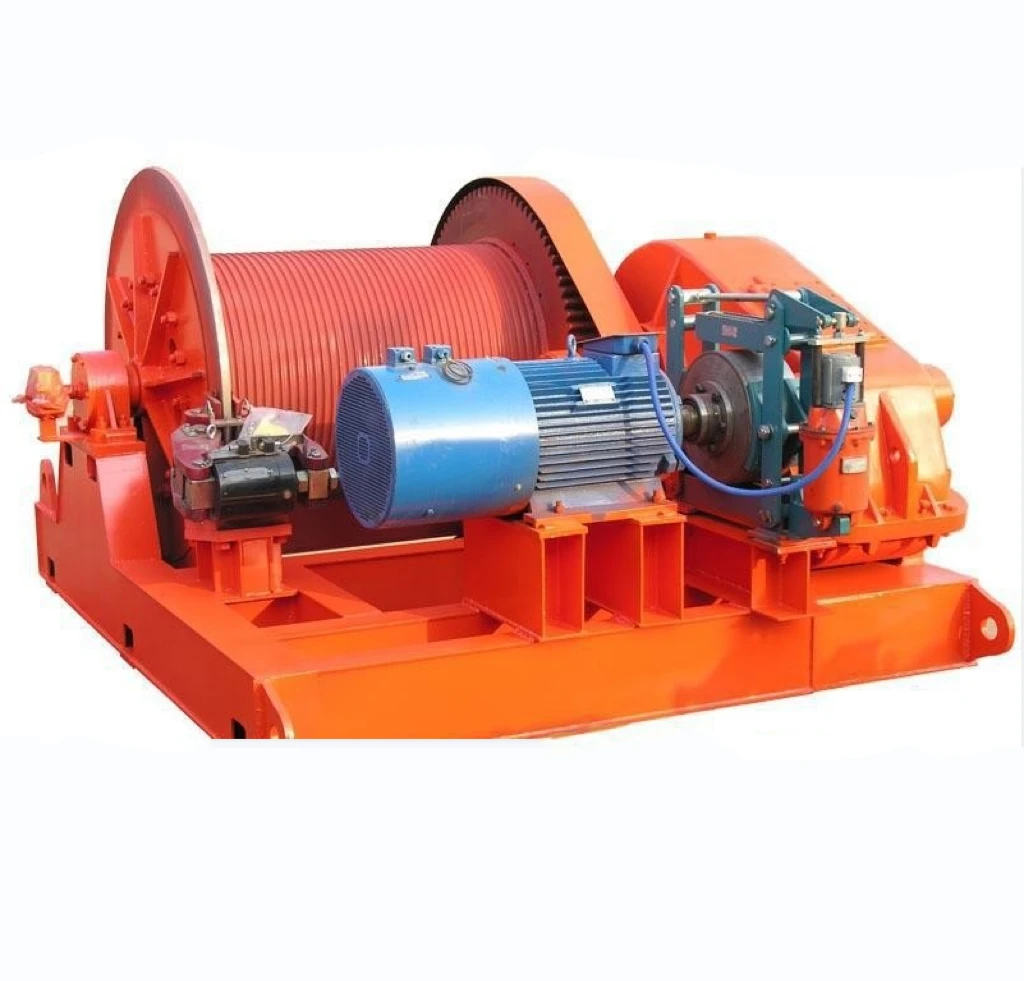
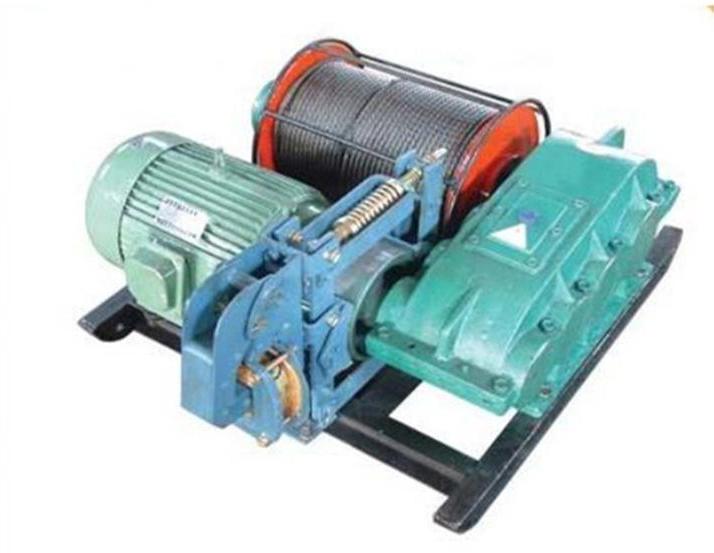
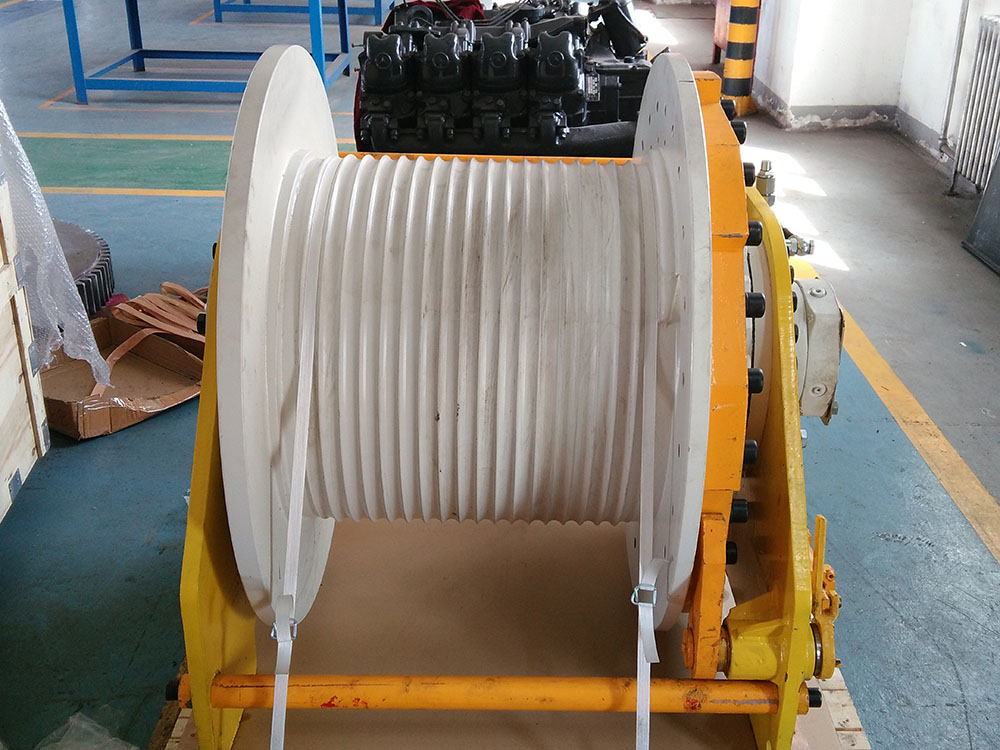
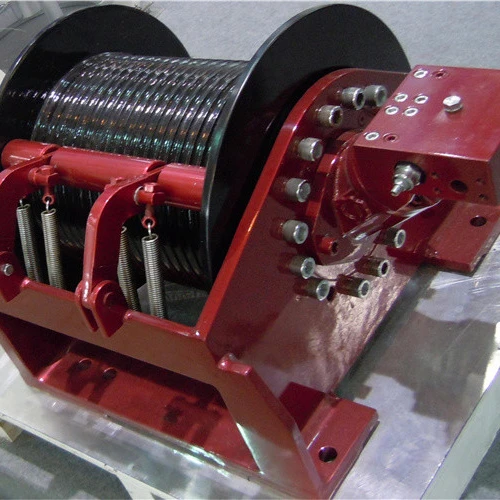
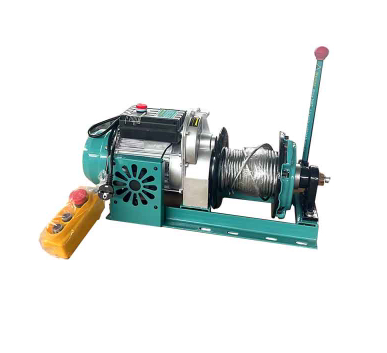
In real terms, an electric deck winch is all about controlled power and reliability. Unlike manual or hydraulic winches, the electric variety offers consistent torque output that feels smoother and more predictable, especially during delicate maneuvers like mooring or cargo handling. Frankly, I’ve seen situations where even seasoned engineers underestimated how much an upgrade to an electric system would reduce downtime and operator fatigue.
What really stands out on these devices is their design sophistication. Many modern electric deck winches come equipped with built-in overload protection and variable speed drives, allowing operators to dial in precise control. This isn’t just tech for tech’s sake — it’s a practical safety feature that prevents accidents and extends equipment life. I remember a vessel where the winch’s automatic brake engagement saved a delicate rope from snapping when a sudden load spike hit. Those split seconds matter.
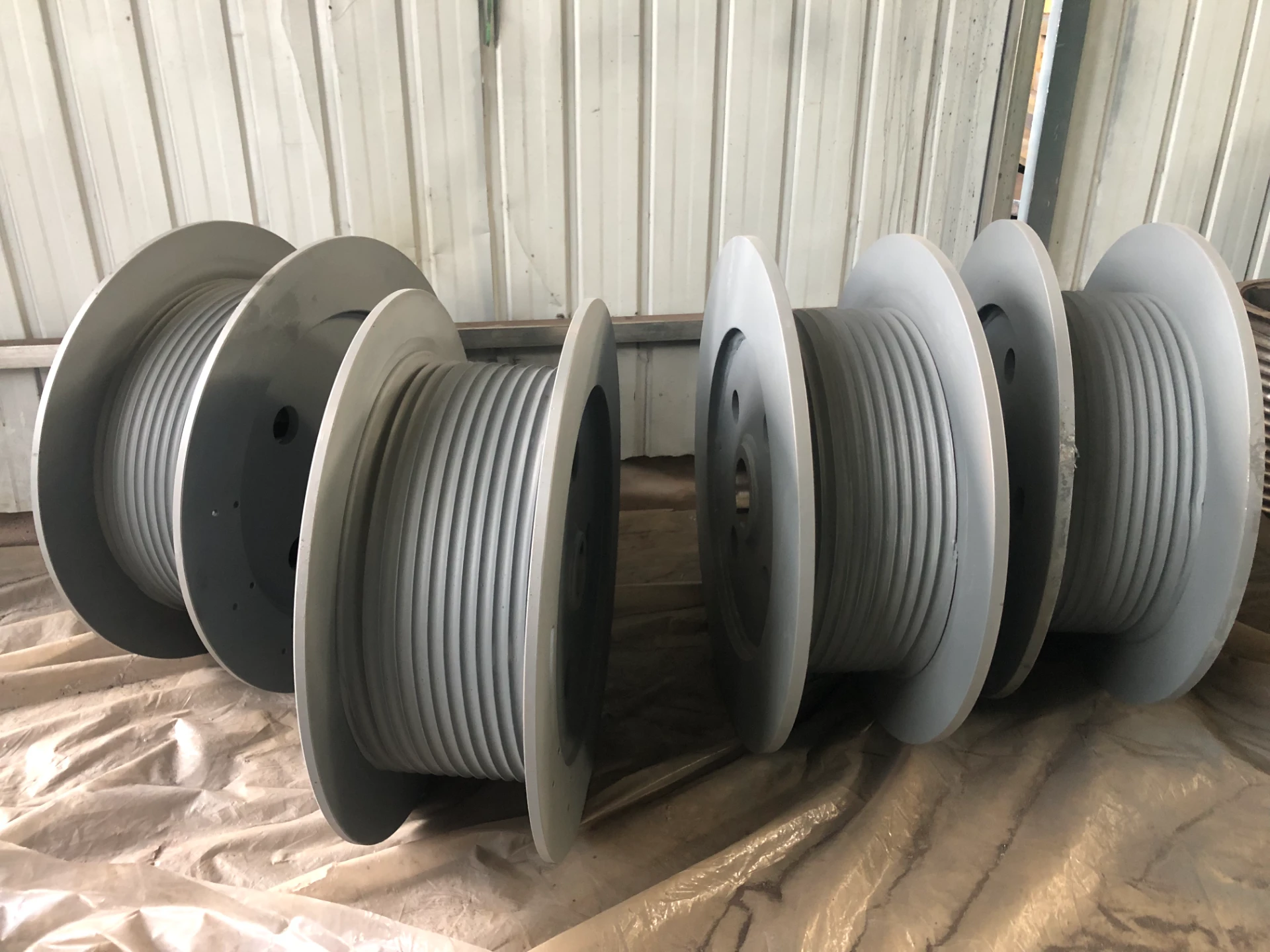
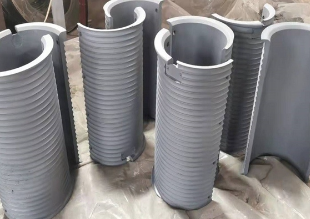
Material-wise, manufacturers favor marine-grade stainless steel and corrosion-resistant alloys. Given the harsh deck conditions – salty air, water spray, and heavy loads – these materials ensure durability. Plus, many winches get a powder coating finish that holds up better against abrasions and weathering. Oddly enough, it’s the subtle things, like the smoothness of the drum or the quality of the bearings, that tell you whether a winch will last beyond a few seasons of hard use.
Besides ruggedness, customization plays a huge role. Different vessels and operational needs mean winch sizes, pull capacities, and power ratings vary widely. It feels like the best manufacturers understand this trade-off — they supply not just one off-the-shelf machine but tailor them to the client’s operational profile. For instance, modular electric winches with plug-and-play motor units simplify maintenance and part replacement significantly, cutting costs over time.
| Specification | Typical Range | Remarks |
|---|---|---|
| Pulling Capacity | 1,000 - 30,000 kg | Varies by drum size & motor power |
| Motor Power | 1.5 - 30 kW | Electric motors with inverter drives |
| Drum Diameter | 200 - 600 mm | Affects rope life & smooth operation |
| Brake Type | Electromagnetic / Spring-Applied | Safety feature for load holding |
| Weight | 250 - 2000 kg | Depends on frame and motor size |
Comparing vendors can be a bit like navigating a sea full of similar ships. From experience, key differentiators include after-sales support, availability of spares, and user-friendliness of controls. Here’s a quick head-to-head I’ve jotted down based on recent market surveys and conversations with operators:
| Vendor | Product Range | Support Responsiveness | Customization Options | Pricing |
|---|---|---|---|---|
| LBS Winch | Wide (1k–30k kg) | Excellent (24h response) | Highly flexible | Competitive |
| Vendor B | Medium (5k–15k kg) | Good (48h response) | Moderate | Mid-range |
| Vendor C | Narrow (up to 10k kg) | Fair (72h response) | Limited | Low |
One anecdote I often share involves a client running a medium-sized cargo vessel who switched to an electric deck winch built by LBS Winch. They reported that the switchover not only sped up mooring operations by almost 30%, but also slashed maintenance costs by nearly half within the first year. It feels like a win when you can hear operators say they trust their winch “like an old friend” to get them through tough seas. And those kinds of endorsements come from real-world reliability, not just specs on paper.
Of course, no single solution fits every ship, and sometimes trade-offs in power, size, or price become necessary. But the steady rise of electric deck winches is a clear sign of evolving marine technology preferences. They combine electrical efficiency with mechanical ruggedness in a way that, frankly, suits today’s shipowners better than ever before.
So if you’re contemplating a purchase or an upgrade, my advice would be: pay attention to build quality, warranty terms, and who’ll have your back when something inevitably needs fixing. Electric deck winch technology isn’t just about moving heavy loads — it’s about dependable performance under pressure and long-term partnerships.
In sum, this humble but mighty equipment continues to quietly transform deck workflows worldwide. And frankly, it excites me to see where the next generation of electric winches will take us.
References:
- Maritime Engineering Journal, “The Rise of Electric Deck Winches,” 2021.
- Manufacturer specifications and field test reports, LBS Winch, 2023.
- Interview with ship engineers and deck officers, conducted 2022–23.
-
The Ultimate Guide to Gear Steels for Durability and PerformanceNewsApr.16,2026
-
High Performance Gear Stainless Steel for Industrial DurabilityNewsApr.09,2026
-
Comprehensive Guide to Steel Bevel Gears Applications and SelectionNewsApr.07,2026
-
Comprehensive Guide to Durable Stainless Steel Miter Gears and ApplicationsNewsApr.04,2026
-
Comprehensive Guide to Steel Spur Gears Functionality and ApplicationsNewsMar.31,2026
-
Comprehensive Guide to Durable Stainless Steel Spur Gears and Their ApplicationsNewsMar.28,2026