Double Drum Electric Winch – Trusted Industrial Lifting Solutions
The Double Drum Electric Winch: A Veteran’s Take on an Industrial Workhorse
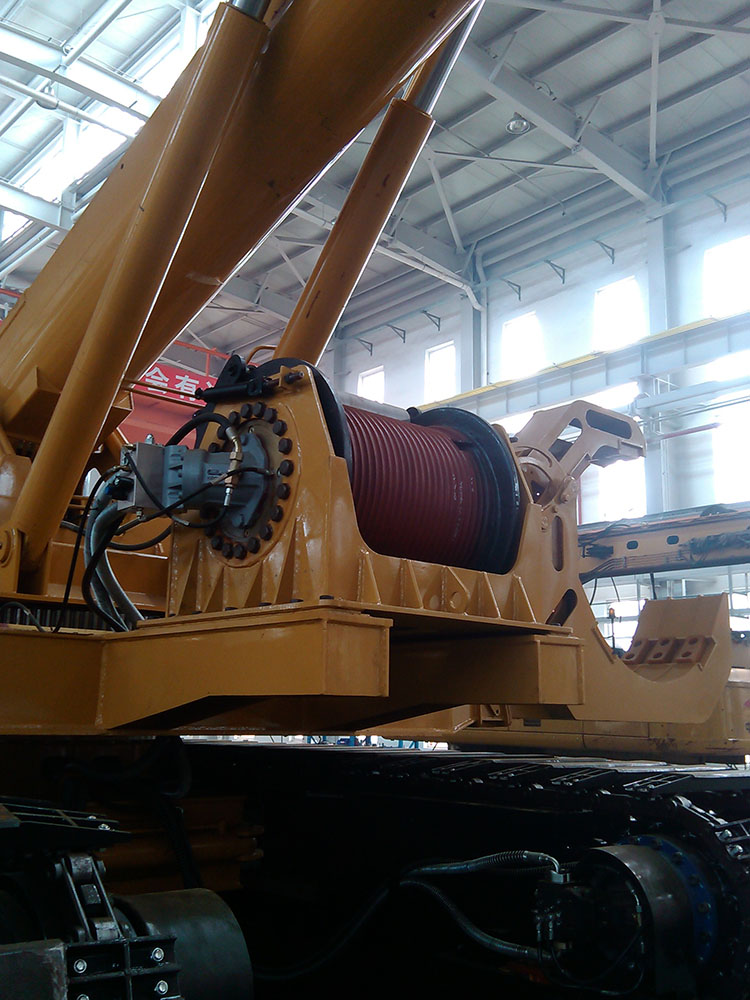
Having spent well over a decade in the industrial equipment sector, I’ve seen plenty of tools come and go. But the double drum electric winch really sticks out as one of those reliably solid pieces of gear that operators tend to swear by. If you’re involved in heavy lifting, towing, or even complex rigging work, this kind of winch can almost feel like an extension of your own arm – powerful, precise, and remarkably durable.
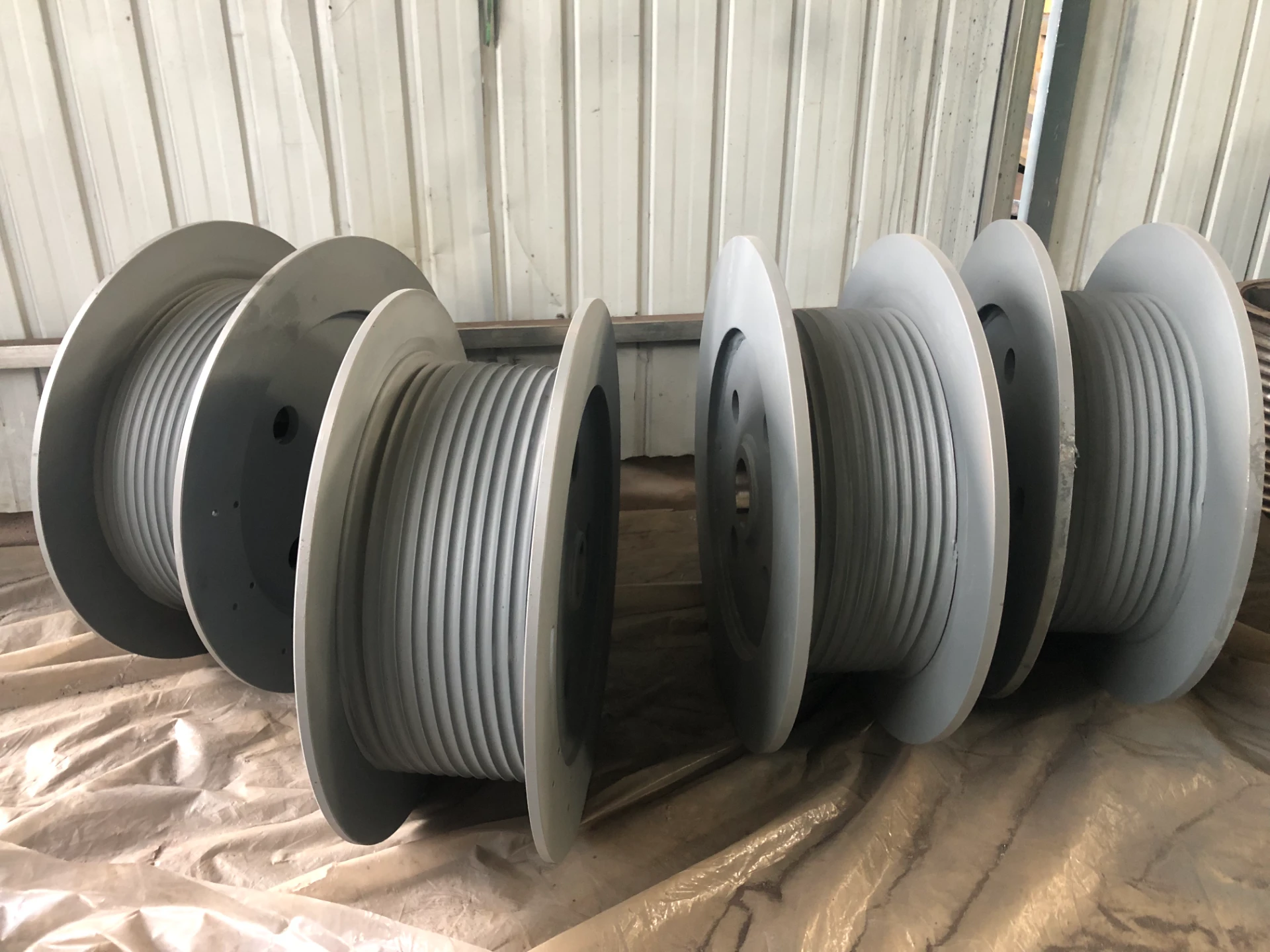
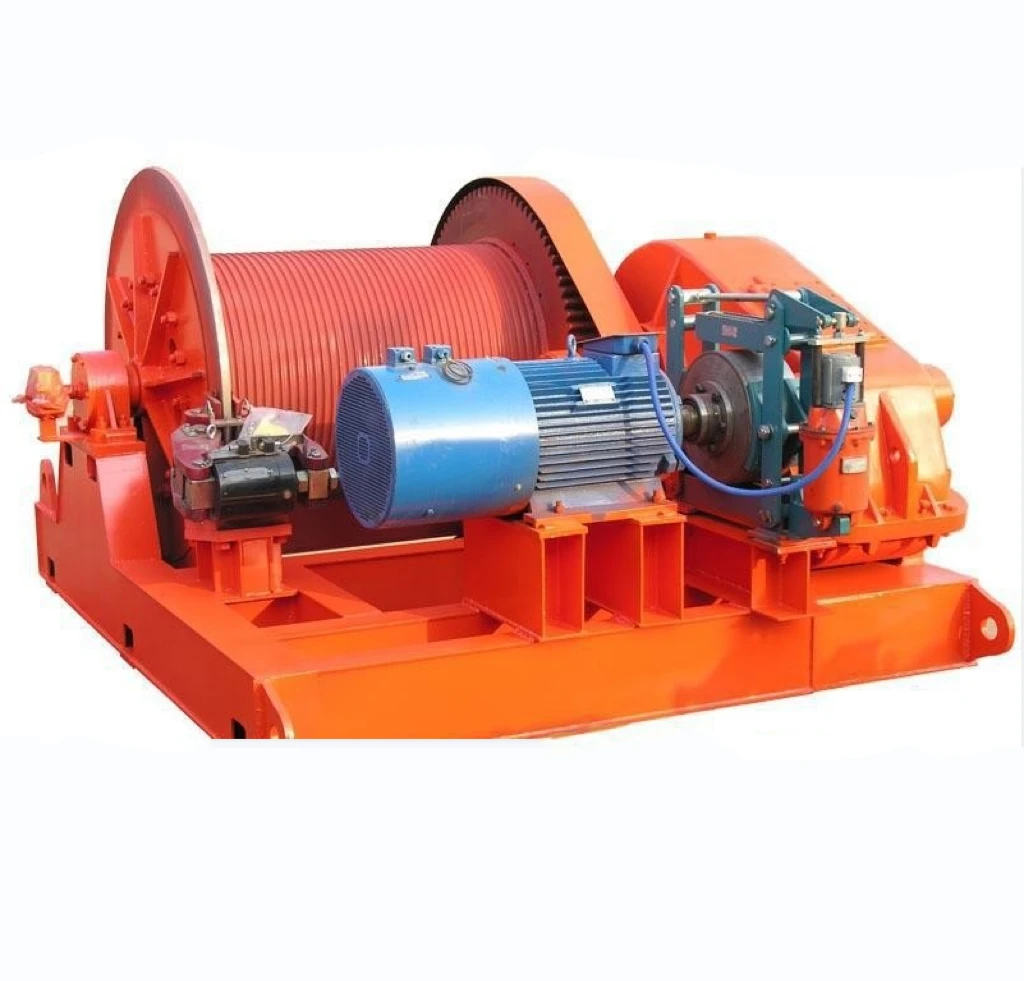
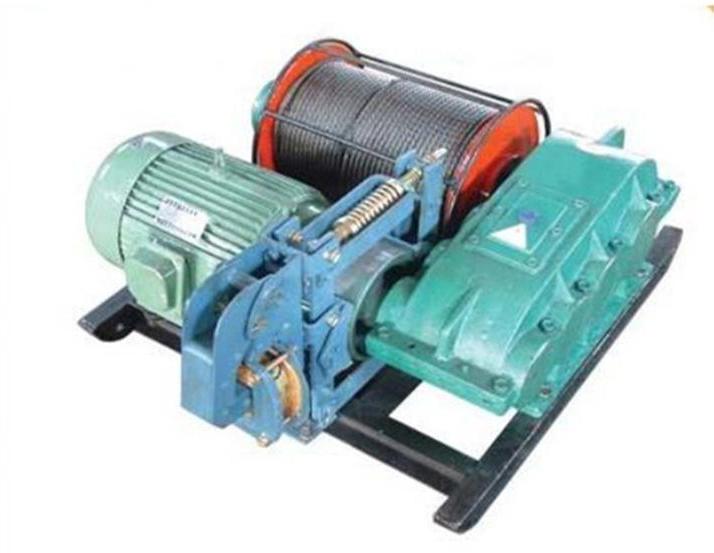
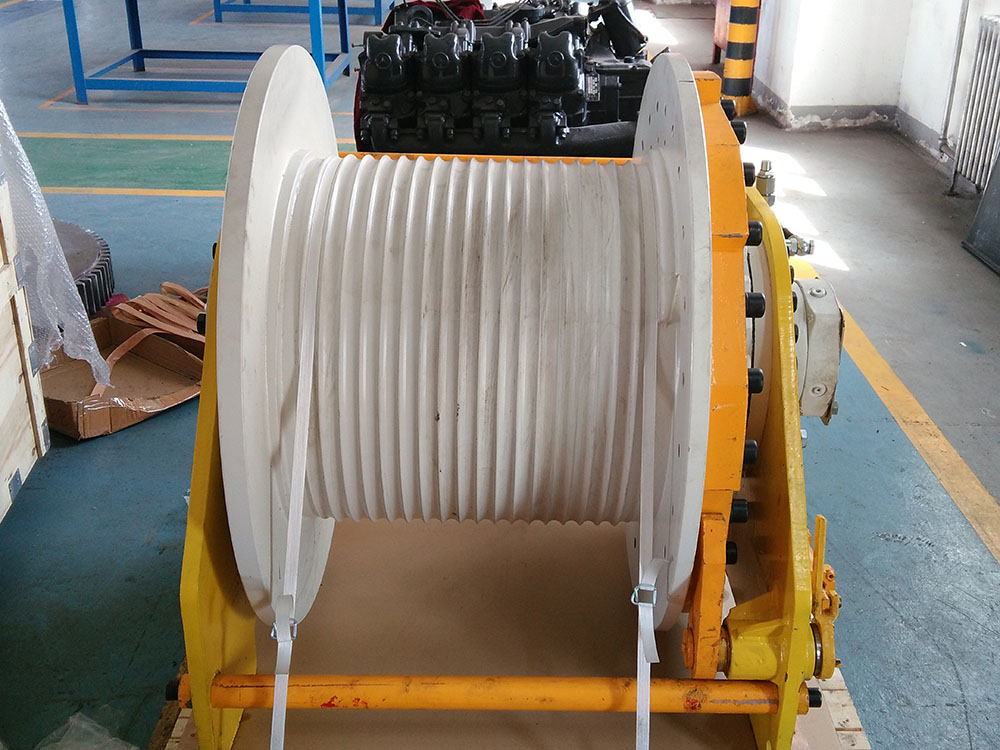
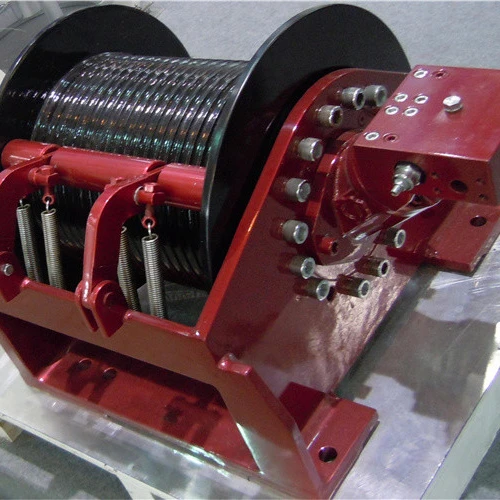
So, what makes this sort of winch worth the investment? For starters, the “double drum” setup is quite ingenious. You get two cable drums working side-by-side, which essentially lets the operator handle two lines separately or simultaneously. This means versatility isn’t a buzzword but a reality out in the field.
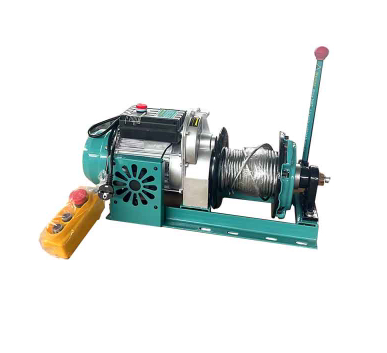
In real terms, the electric motor powering these winches boasts consistency that’s critical in industrial tasks. Many engineers I’ve worked with emphasize how crucial smooth, reliable operation is, especially when every inch and every pound counts. Plus, compared to older hydraulic or manual winches, the electric variant reduces operator fatigue—something you can’t ignore when you’re on the job all day.
Design-wise, the majority of these winches are built from high-grade steel frames and corrosion-resistant components. Oddly enough, I’ve noticed that even after years of exposure to cruel weather and dusty sites, the better models show very little sign of wear. This toughness comes from rigorous testing protocols manufacturers put their products through, including load endurance trials and environmental stress tests.
Of course, no product is truly “one size fits all” in our line of work. Fortunately, manufacturers are more willing than ever to offer customization—whether it’s rope length, motor horsepower, or control systems. I recall a job where the ability to operate from a remote pendant control was an absolute game changer. It made rigging operations safer and improved workflow efficiency significantly.
| Spec | Detail |
|---|---|
| Motor Power | 5–15 HP (varies by model) |
| Line Pull Capacity | Up to 20,000 lbs per drum |
| Cable Diameter | 0.25" – 0.5" |
| Drum Capacity | Up to 300 ft of cable |
| Control Type | Wired Pendant or Remote Control |
| Weight | Approx. 450–700 lbs |
| Safety Features | Overload protection, emergency stop |
Now, choosing the right vendor is almost as important as the winch specs themselves. You want to go with a company whose products don’t just look good on paper, but demonstrate real-world reliability—and who backs that with service you can count on. Here’s a quick comparison of three respected manufacturers I often see in the field:
| Vendor | Power Range | Customization | Warranty | Customer Support |
|---|---|---|---|---|
| LBS Winch | 5–15 HP | Highly customizable (motors, cables, controls) | 2 years | 24/7 technical support |
| Vendor B | 7–12 HP | Standard options only | 1 year | Business hours support |
| Vendor C | 4–10 HP | Limited customization | 18 months | Online support portal |
One story I like to share: a close contact in a forestry operation once told me how swapping to a double drum electric winch shrank the setup time for their heavy log extraction by nearly half. The dual drum meant they could anchor on one line while pulling on the other. This kind of practical improvement is about more than specs and jargon; it’s about making the day-to-day that much smoother, and frankly, safer.
So, if you’re after a winch that’s versatile, robust, and built for the kind of repeated hard use that industrial work demands, I’d say looking into the double drum electric winch is a solid move. Whether you’re upgrading from an older rig or specifying new equipment, the tech and flexibility you get here can truly move your project forward.
In the end, picking the right winch is part science, part intuition—you learn from those on the ground and those behind the bench, and that’s really what shapes your best choices.
References:
1. Industrial Winch Design & Use Guide, 2022.
2. Interviews with field engineers, 2019–2023.
3. LBS Winch product and testing datasheets.
-
The Ultimate Guide to Gear Steels for Durability and PerformanceNewsApr.16,2026
-
High Performance Gear Stainless Steel for Industrial DurabilityNewsApr.09,2026
-
Comprehensive Guide to Steel Bevel Gears Applications and SelectionNewsApr.07,2026
-
Comprehensive Guide to Durable Stainless Steel Miter Gears and ApplicationsNewsApr.04,2026
-
Comprehensive Guide to Steel Spur Gears Functionality and ApplicationsNewsMar.31,2026
-
Comprehensive Guide to Durable Stainless Steel Spur Gears and Their ApplicationsNewsMar.28,2026