Reliable and Powerful 20000 Hydraulic Winch for Heavy Lifting Solutions
Why the 20000 Hydraulic Winch Is a Game-Changer
When you first hear “20000 hydraulic winch,” it might sound like yet another heavy-duty industrial tool — and, well, that's not far off. But if you dig a little deeper, you'll find it’s a fascinating piece of equipment with global relevance across industries ranging from construction and shipping to disaster relief. Simply put, understanding this compact yet powerful machine opens the door to safer, more efficient heavy lifting and pulling in scenarios where manual labor just won’t cut it.
On a broader scale, the demand for high-capacity hydraulic winches correlates with booming infrastructure projects worldwide, along with urgent humanitarian needs in post-disaster zones. So getting the basics right about this technology isn’t only of interest to logistics teams or engineers — it resonates with the future of industrial growth and emergency preparedness alike.
The Global Context: Why This Winch Matters
Let’s zoom out for a sec. Globally, industries that rely on heavy lifting face escalating challenges: tighter safety regulations, larger loads, and requirements for faster, smarter equipment. According to ISO standards on lifting equipment, precision and reliability have never been more critical.
And here’s a hard fact: the World Bank reports that infrastructure investments account for roughly 13% of global GDP, touching sectors where a 20000 hydraulic winch often plays a silent yet essential role. From offshore drilling platforms to massive shipping terminals in Asia and Europe, the ability to move heavy equipment safely and efficiently is no luxury but a necessity.
Oddly enough, many post-disaster relief missions—including those led by the UN—depend on robust, mobile winching systems to clear debris or assist in vehicle recovery. This is one of the many reasons why the 20000 hydraulic winch has become something of a universal workhorse.
Mini takeaway:
The 20000 hydraulic winch is more than an industrial tool; it’s a keystone in global development and disaster resilience strategies.
Defining the 20000 Hydraulic Winch
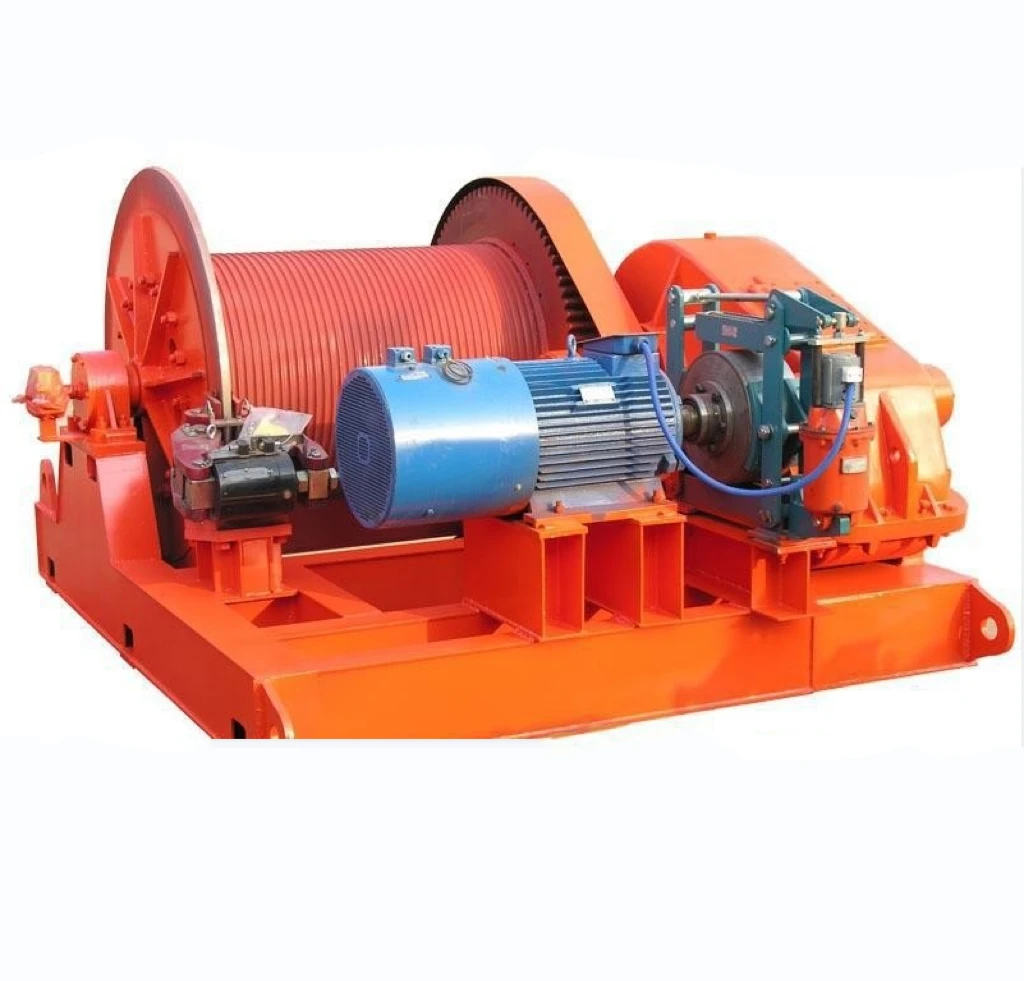
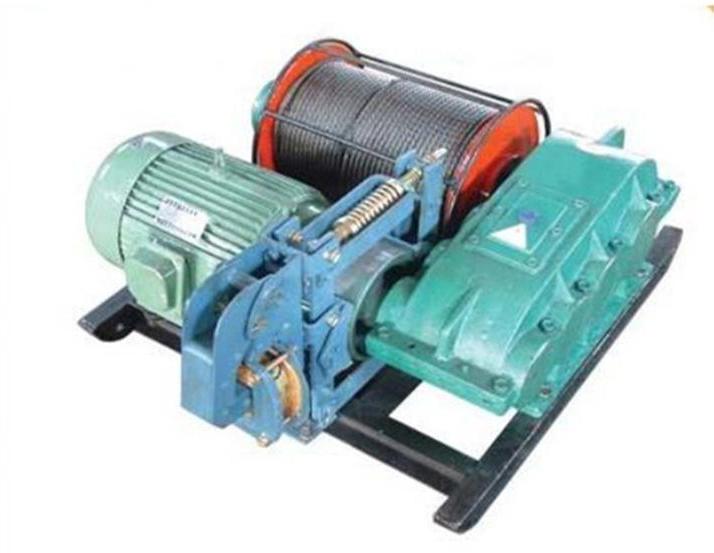
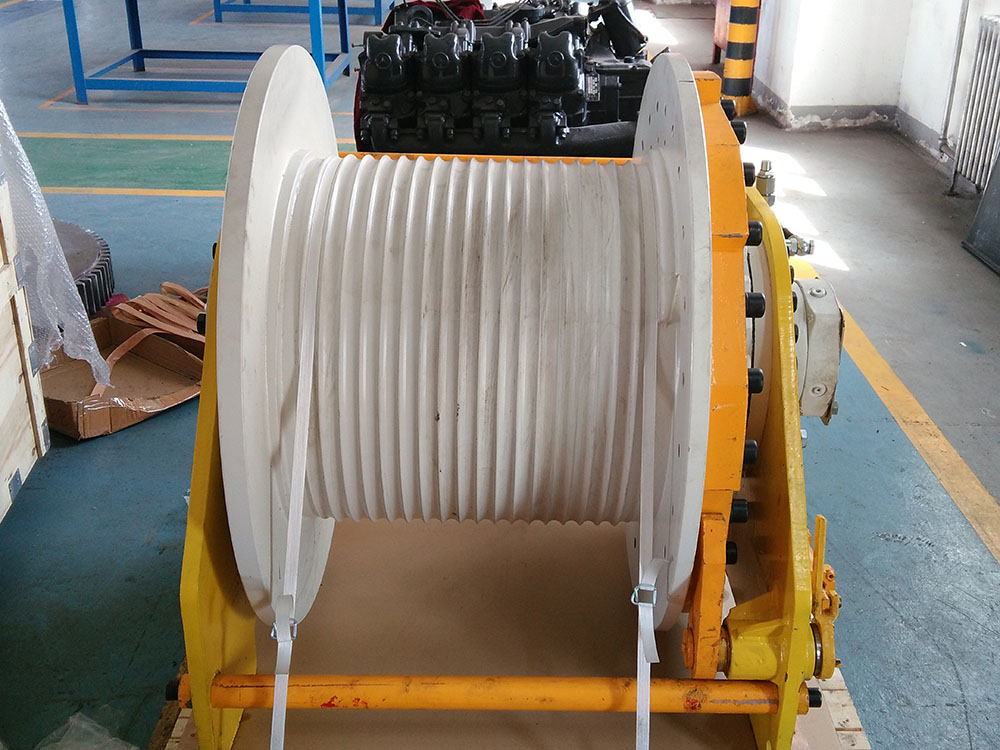
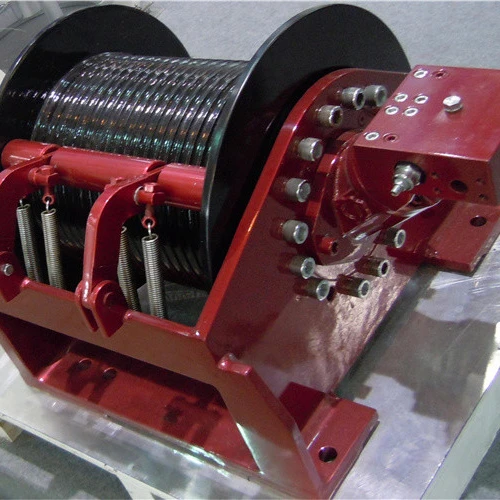
So, what exactly is it? In plain terms, a 20000 hydraulic winch is a mechanical device powered by hydraulic fluid pressure, designed to pull, lift, or tension heavy loads—up to 20,000 pounds (about 9 metric tons) or even more, depending on the model.
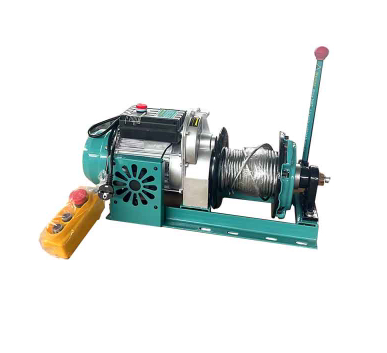
Unlike electric winches, the hydraulic variant taps into fluid power systems for smooth, gradual force application. This means better control, more power density, and excellent reliability even in harsh environments.
Its versatility explains its prominence: from modern industrial settings, where precision matters, to humanitarian zones requiring quick deployment in rugged terrain, this winch bridges efficiency and strength quite literally.
Key Components and Core Factors Driving Its Performance
1. Durability and Material Quality
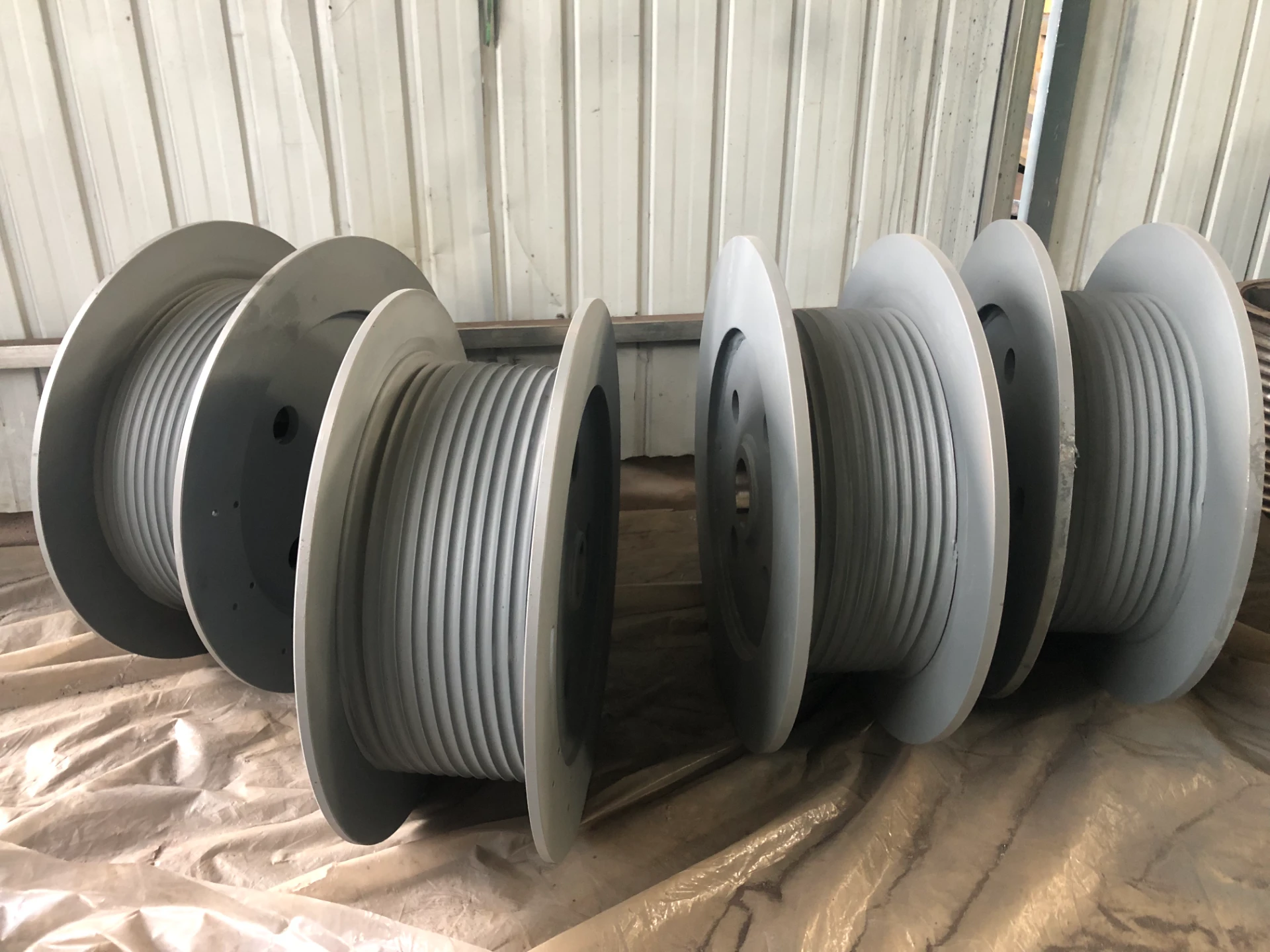
The heartbeat of any reliable hydraulic winch is its build. Many engineers I know swear by winches crafted with marine-grade steel and corrosion-resistant coatings. These materials withstand salty sea breezes or desert dust without complaining. For the 20000 hydraulic winch, the focus on robust gears and sealed hydraulic systems pays dividends in longevity.
2. Scalability and Customization
No two jobs are quite the same, right? Many manufacturers offer customization options — like different cable lengths, drum sizes, or hydraulic power ratings — so end-users get a machine tailored for their exact needs. Whether hauling equipment up a mountain or pulling a grounded barge, scalability is king.
3. Cost-Efficiency in Operation
The upfront price might feel heavy, but users often point out that these winches save money over time by lowering maintenance costs and fuel consumption (for vehicle-mounted versions). The smooth hydraulic action keeps energy loss to a minimum.
4. Control and Safety Features
In real terms, smooth control translates to less accident risk. Many units come equipped with remote operation, emergency brakes, and load-holding valves—features that operators can’t live without when lives and expensive equipment are on the line.
Product Specification Table
| Specification | Details |
|---|---|
| Maximum Pulling Capacity | 20,000 lbs (9,072 kg) |
| Motor Type | Hydraulic, variable displacement |
| Cable Diameter | 0.75 inch steel wire rope |
| Control Method | Remote wireless or wired control |
| Weight | Approx. 450 lbs (204 kg) |
| Operating Pressure | 3,000 psi (pounds per square inch) |
Real-World Uses: Where 20000 Hydraulic Winches Shine
Oddly enough, you’ll find these winches working quietly behind the scenes in the most critical projects. For example:
- Disaster Relief: In earthquake- or flood-hit zones, clearing debris quickly is essential. Humanitarian agencies often rely on winches to move heavy rubble or enable vehicle rescues.
- Maritime Operations: Whether securing cargo or assisting in salvage, ports around the world, including those in Rotterdam and Shanghai, deploy heavy hydraulic winches designed to handle giant loads smoothly.
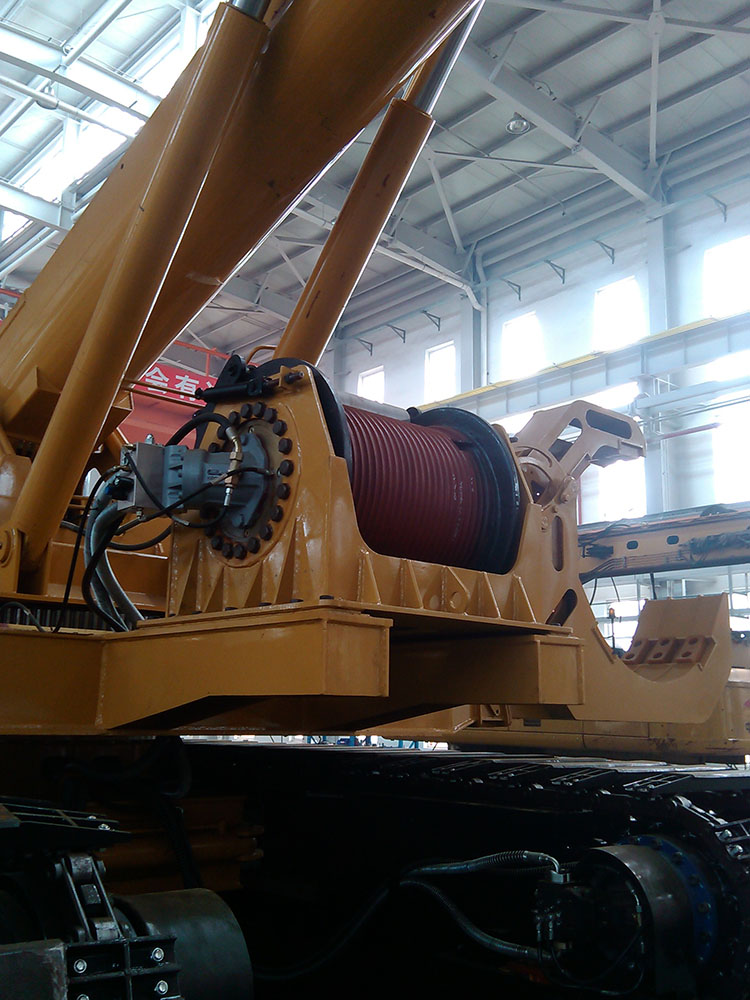
- Constructing Infrastructure: Think bridges, pipelines, or wind turbines — the winch’s capacity to position huge structural elements safely is invaluable.
- Mining and Forestry: Extracting raw materials or hauling timber across rough terrain mandates reliable, powerful winching solutions.
Mini takeaway:
The 20000 hydraulic winch isn’t just machinery—it’s a silent partner in some of humanity’s toughest challenges.
The Advantages That Keep Users Coming Back
Here’s the kicker: many operators talk about the winch’s reliability almost affectionately. It's not just about lifting weight—it’s about trust. Knowing your equipment won’t fail against a massive pull offers peace of mind that’s hard to quantify but deeply felt.
Also, from a practice standpoint:
- Cost reductions: Less downtime, fewer repairs.
- Environmental impact: Hydraulic systems are often cleaner and can be paired with green energy sources.
- User safety: Enhanced controls minimize accidents.
And with the rise of sustainable development goals globally, using reliable heavy machinery responsibly means less waste, less risk, and that quietly energizing sense that you’re part of something bigger.
What’s Next? Trends and Innovations to Watch
The future of 20000 hydraulic winches looks pretty exciting, actually. Manufacturers are experimenting with:
- Smart sensors and IoT integration: Imagine a winch that tells you before parts fail or optimizes power automatically.
- Eco-friendly hydraulics: Using biodegradable fluids and energy-efficient pumps.
- Automation: Remote autonomous operation in hazardous environments — cutting human risk.
This ongoing transformation is driven by digitalization and environmentally conscious design, promising safer, greener, and smarter heavy lifting.
Overcoming Roadblocks: Challenges & Their Solutions
Of course, no tech is perfect. Common hurdles include:
- Hydraulic fluid leaks: Sealing technology is improving but remains an area for vigilance.
- Weight and portability: While powerful, the 20000 hydraulic winch can be heavy — making remote deployment tricky.
- Operator training: Complex controls require skilled handlers.
Innovators are tackling these with better materials, modular designs for easier transport, and user-friendly interfaces. Plus, many companies offer comprehensive training packages to bridge expertise gaps.
Frequently Asked Questions About 20000 Hydraulic Winches
Q1: How is a 20000 hydraulic winch different from an electric winch?
A: The 20000 hydraulic winch uses fluid power, offering higher pulling capacity and smoother operation under heavy loads compared to electric winches, which are limited by motor size and electrical power supply.
Q2: Can these winches be used in extreme weather conditions?
A: Yes, many models are designed with sealed systems and corrosion-resistant materials, making them suitable for harsh environments such as salty marine atmospheres or freezing temperatures.
Q3: What maintenance is required to keep a hydraulic winch in top shape?
A: Regular inspection for hydraulic fluid levels, leak detection, cable integrity check, and timely replacement of seals and filters are essential for optimal performance and longevity.
Q4: Is operator training necessary?
A: Absolutely. Safety is paramount. Proper training ensures operators understand controls, load limits, and emergency procedures, greatly reducing risks.
Q5: How long does installation typically take?
A: Installation varies by application but generally takes a few hours to a day, especially for factory-mounted units. Mobile winches may take less time, depending on hydraulic integration complexity.
Vendor Comparison: Choosing the Right Partner
| Feature | Alpha Winch Co. | Beta Hydraulics | Gamma Equipment |
|---|---|---|---|
| Max Load Capacity | 20,000 lbs | 22,000 lbs | 20,000 lbs |
| Control Options | Remote wireless & wired | Wired with touchscreen interface | Wireless remote only |
| Warranty | 3 years | 2 years | 5 years |
| Customization Level | High | Medium | Low |
| Price Range | $$$ | $$ | $$$ |
Conclusion
To wrap it up, the 20000 hydraulic winch isn’t just a heavy equipment component — it’s a reflection of how we solve complex, heavy lifting problems globally._ Its blend of strength, reliability, and evolving smart tech ensures it remains a cornerstone wherever safety and trust matter.
If you’re interested in leveraging this technology for your project or operation, visit our website and explore options tailored to your needs.
Final thoughts:
As more industries embrace sustainable and technologically savvy solutions, the humble hydraulic winch quietly steps into a larger, smarter role. Safety, efficiency, and adaptability — all wrapped in steel and fluid power. Not bad for something that looks so simple, right?
References
-
The Ultimate Guide to Gear Steels for Durability and PerformanceNewsApr.16,2026
-
High Performance Gear Stainless Steel for Industrial DurabilityNewsApr.09,2026
-
Comprehensive Guide to Steel Bevel Gears Applications and SelectionNewsApr.07,2026
-
Comprehensive Guide to Durable Stainless Steel Miter Gears and ApplicationsNewsApr.04,2026
-
Comprehensive Guide to Steel Spur Gears Functionality and ApplicationsNewsMar.31,2026
-
Comprehensive Guide to Durable Stainless Steel Spur Gears and Their ApplicationsNewsMar.28,2026