Reliable 18000 lb Hydraulic Winch for Heavy-Duty Industrial Use | LBS Winch
Understanding the 18000 lb Hydraulic Winch: Powerful Tool, Global Impact
If you’ve ever dealt with heavy lifting or towing in challenging environments — be it in construction, maritime, forestry, or disaster relief — chances are good you’ve heard about hydraulic winches. Among these, the 18000 lb hydraulic winch stands out as a real powerhouse for engineers and operators worldwide. But why should you care?
Well, this surprisingly compact machine is a lynchpin in moving vast weights safely and efficiently. From pulling heavy equipment out of treacherous mud to assisting large vessels in docking, its impact transcends industries and national borders. Getting comfortable with what it does and how it works unlocks productivity gains, safety improvements, and cost savings that ripple through entire projects.
Before you know it, you realize this equipment is sort of a quiet hero, helping teams deliver on time, under budget, and without incident — a subtle but indispensable player in global industrial and humanitarian efforts alike.
Global Industrial Context: Why an 18000 lb Hydraulic Winch Matters Worldwide
Hydraulic winches rated to pull 18,000 pounds (roughly 8,165 kg) fill an interesting niche. According to ISO and global shipping statistics, heavy machinery downtime costs companies billions annually — often due to equipment failure or insufficient pulling power. These hefty winches help bridge that gap with consistent torque and robust performance.
Consider this: the United Nations’ reports on disaster response logistics indicate that one of the biggest challenges in emergency operations is moving heavy supplies quickly across rough terrain. Hydraulic winches like the 18000 lb model enable vehicles, cranes, and lifting rigs to self-recover or assist others in ways electric winches cannot always match, especially in off-grid or wet environments.
But the problem isn’t just raw power. It’s reliability under pressure, flexibility across industries, and a design that can withstand the unpredictability of real-world conditions — rugged enough for Arctic exploration, yet refined enough for luxury yacht docking.
What Exactly Is an 18000 lb Hydraulic Winch?
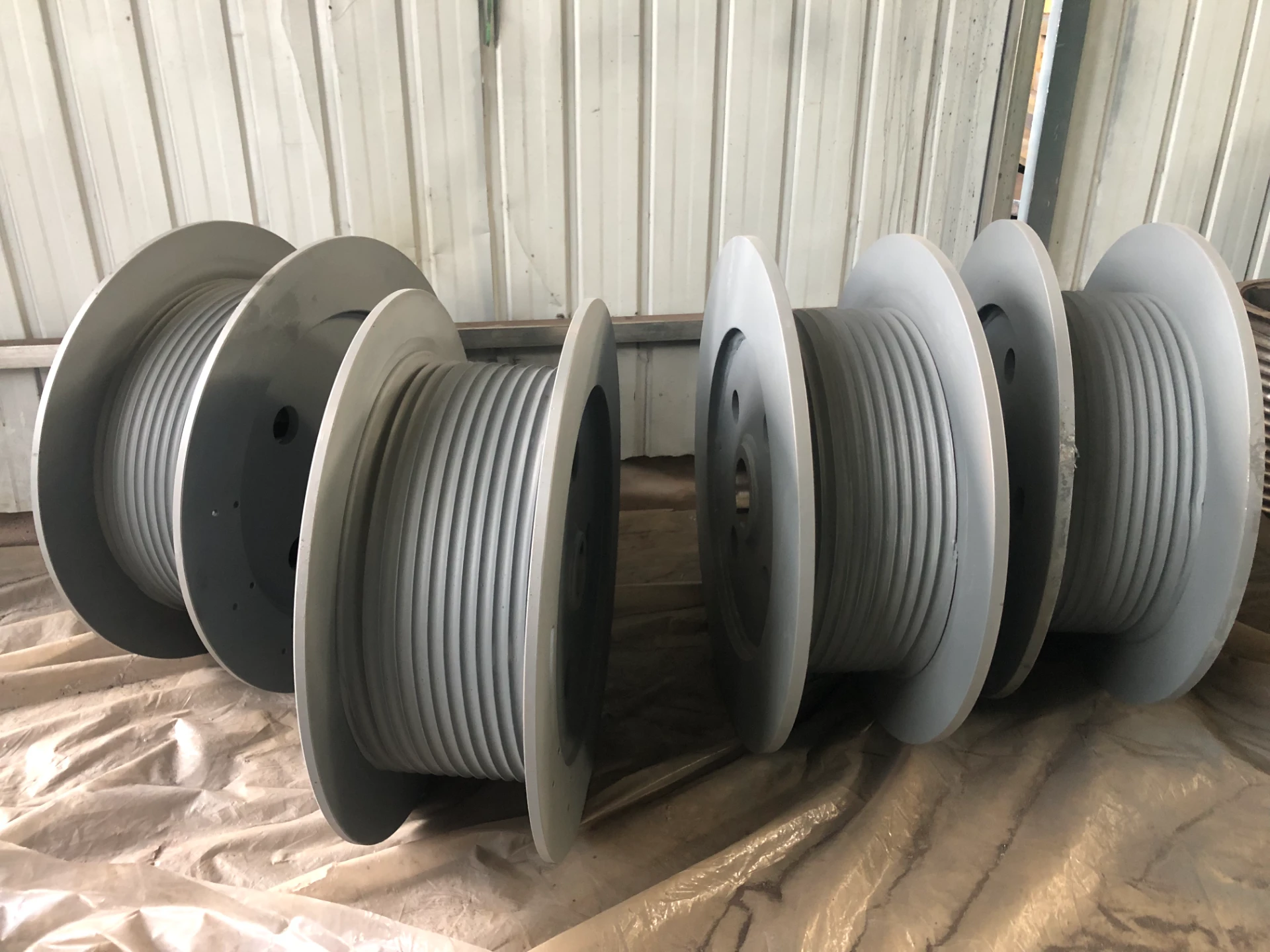
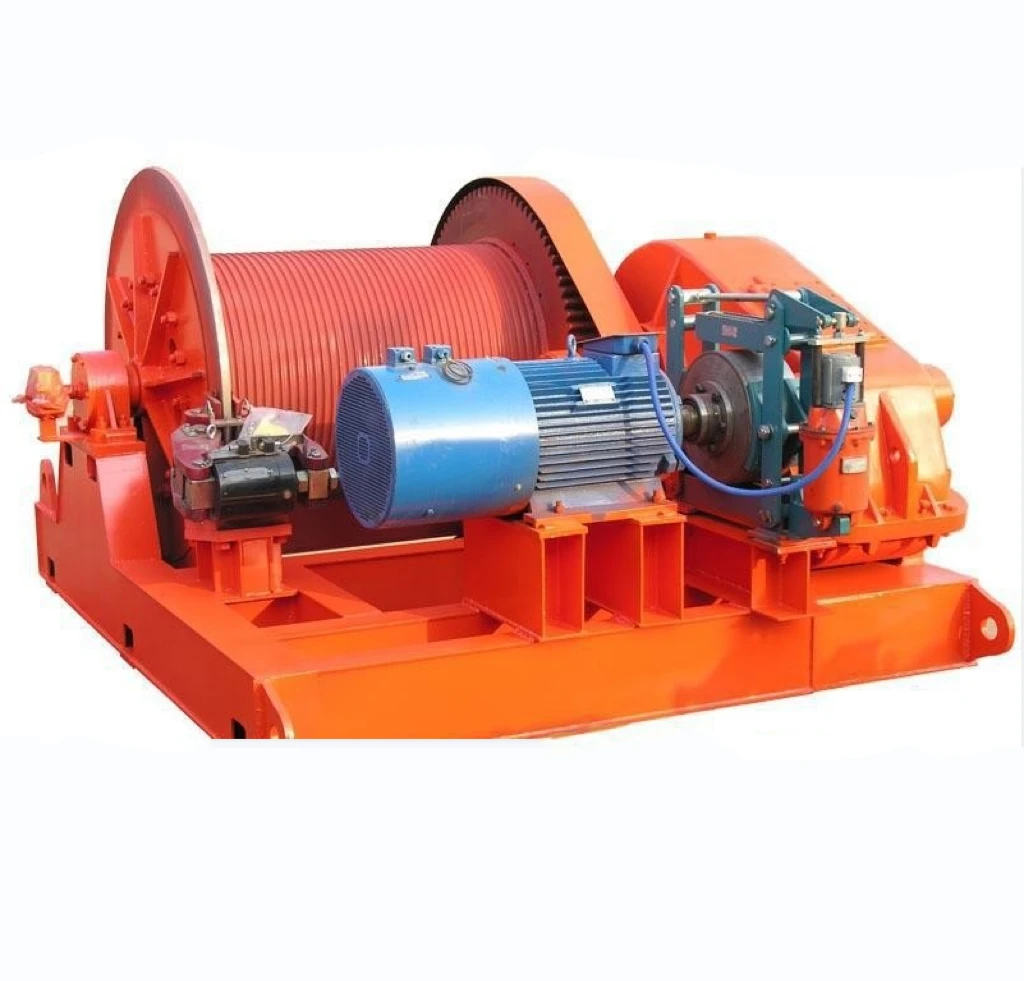
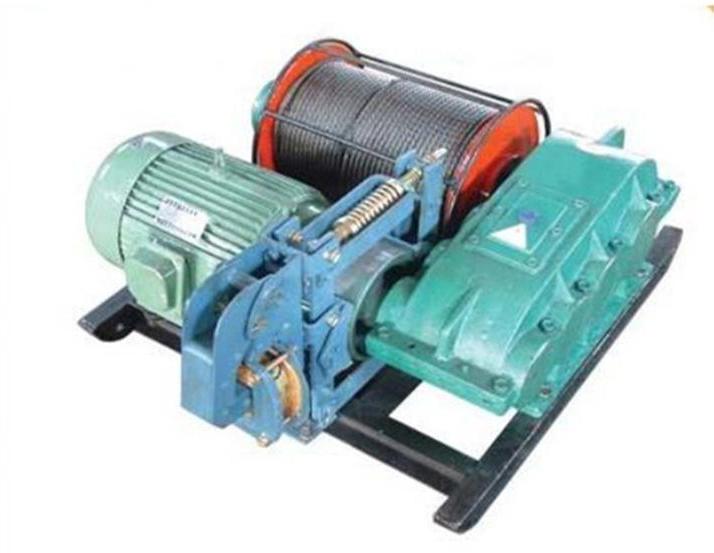
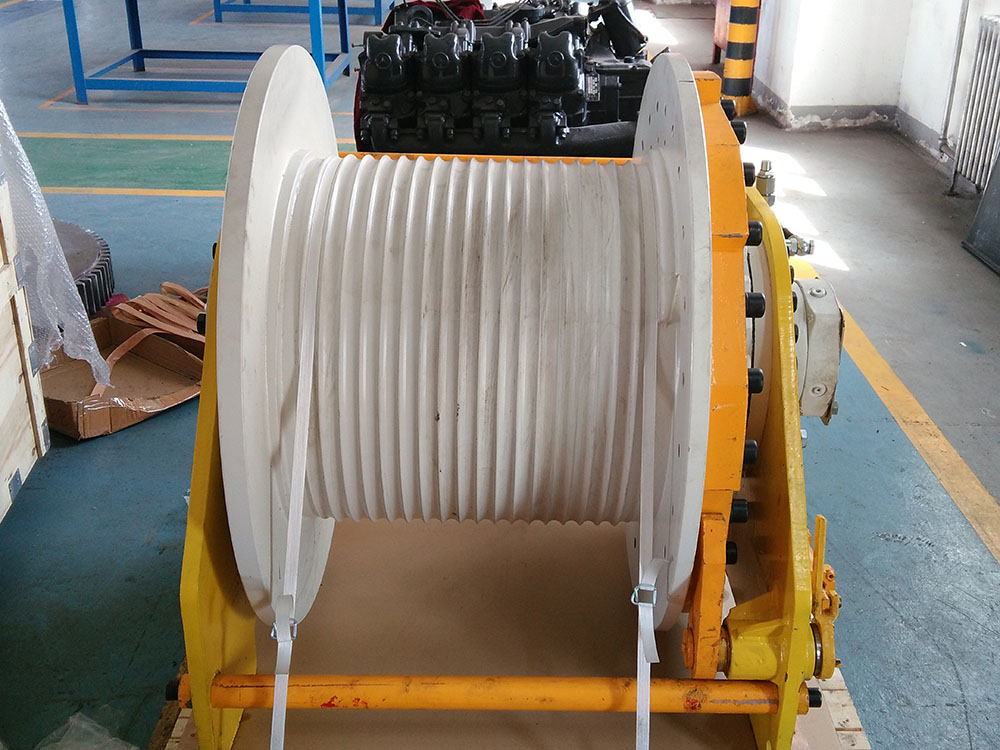
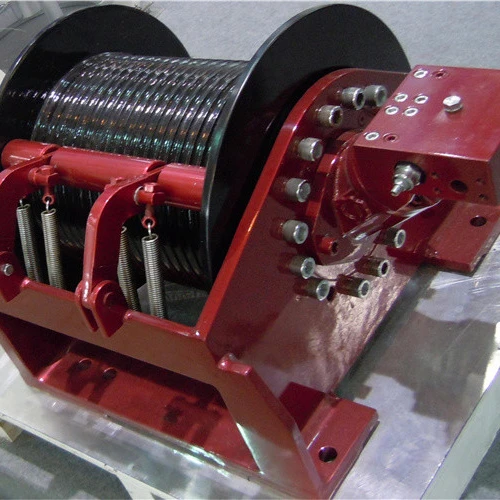
At its core, an 18000 lb hydraulic winch is a mechanical device powered by hydraulic fluid pressure — often from a vehicle or machine’s pump — used to wind or pull a heavy rope, cable, or chain. The "18000 lb" refers to the maximum pulling force (or line pull) it can exert, roughly eight and a half tons.
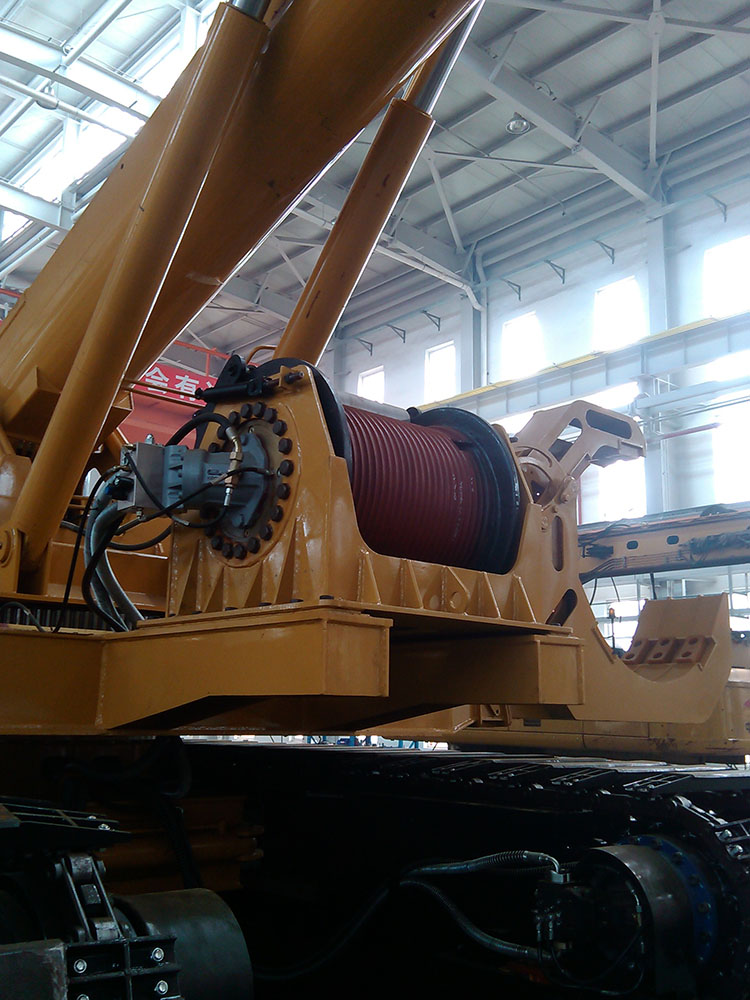
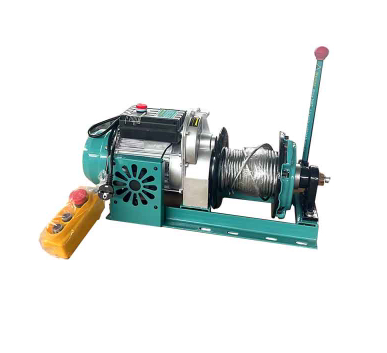
Unlike electric or pneumatic winches, hydraulic models harness fluid power, which offers smoother operation, higher torque at low speeds, and much better performance in wet or dusty environments. That's why they’re favored for forestry harvesters, industrial cranes, rescue vehicles, and offshore drilling rigs.
Interestingly, their ability to convert stored hydraulic pressure into linear pulling force with minimal loss is why they're critical when time and safety cannot be compromised.
Key Factors Making the 18000 lb Hydraulic Winch a Trusted Workhorse
Durability: Built for the Rough Stuff
These winches typically feature powder-coated steel frames, stainless steel or galvanized cables, and sealed motors. That means they're almost impervious to corrosion, dents, and temperature swings — qualities essential in harsh marine or construction environments.
Power & Precision Control
Hydraulic flow and pressure adjustments offer operators fine-grain control of pulling speed and torque. This not only improves safety but minimizes wear on machinery and cables.
Compact Design, High Efficiency
Although it can pull massive loads, an 18000 lb rated unit usually fits comfortably on medium-sized trucks or machinery rather than requiring bulky cranes — making it adaptable and mobile.
Cost Efficiency & Maintenance
While upfront costs may be higher than electric alternatives, hydraulic winches have longer service lives and lower downtime in heavy-duty use cases, reducing total cost of ownership over years.
Safety Features
Modern winches integrate load-holding brakes, pressure relief valves, and automatic overload protection to keep operators safe and prevent accidents — essentials in tight or dangerous work zones.
Versatility
They can mount on various equipment types or vehicles — from ATVs used in forestry to industrial skid steers used in mining — making them a go-to gear component across diverse sectors.
Mini takeaway: The 18000 lb hydraulic winch blends ruggedness and precision, serving a critical role where heavy loads must be managed safely and efficiently amidst demanding conditions.
Global Applications of the 18000 lb Hydraulic Winch
What’s fascinating is how this single piece of tech has found multiple homes around the world:
- Disaster Relief & Humanitarian Efforts: After earthquakes or hurricanes, these winches help clear debris and move heavy relief supplies where roads are blocked or damaged.
- Maritime Industry: Docking massive ships safely relies on winches for mooring lines; offshore oil rigs use them for pipe handling and anchor positioning.
- Forestry & Logging: In Canada and Scandinavia, winches pull timber from remote forests where vehicles can’t easily traverse.
- Mining & Construction: They assist with heavy machinery recovery or reposition large components on-site, especially in developing countries with rugged infrastructure.
- Agriculture: Large farms use hydraulic winches for equipment repositioning and field harrowing.
For example, during recovery operations in remote Alaskan zones, crews rely on these winches to free vehicles stuck in snow or mud — turning what would be multi-day delays into manageable tasks.
Product Specification Table: 18000 lb Hydraulic Winch
| Specification | Details |
|---|---|
| Rated Line Pull | 18,000 lb (8,165 kg) |
| Motor Type | Hydraulic Gear Motor |
| Cable Length | 100 ft (30.48 m) Steel Cable |
| Line Speed (No Load) | 18 ft/min (5.5 m/min) |
| Operating Pressure | 2000 PSI (138 bar) |
| Weight | 140 lbs (63.5 kg) |
Vendor Comparison: Popular Providers of 18000 lb Hydraulic Winches
| Vendor | Price Range | Warranty | Notable Features |
|---|---|---|---|
| LBS Winch Co. | $3,200 - $3,800 | 3 years | Sealed bearings, modular mounting kits |
| PowerHaul Inc. | $3,000 - $3,600 | 2 years | High pressure rating, quick-connect fittings |
| Titan Hydraulics | $3,500 - $4,000 | 5 years | Enhanced thermals, advanced load sensors |
What Advantages Does an 18000 lb Hydraulic Winch Bring Over Alternatives?
The advantages aren’t just about brute strength. You will see logical and emotional benefits entwined here. First off, it brings reliability even in adverse weather or rough terrain — a psychological comfort to anyone working on a tight deadline or in dangerous conditions.
On the financial side, fewer machine breakdowns and longer equipment life mean reduced downtime and maintenance costs.
Then there’s sustainability: hydraulic winches usually consume less energy for the power they deliver than equivalent electric winches, especially when powered by efficient diesel or hybrid engines. This ties into corporate social responsibility goals increasingly demanded by regulators and consumers.
Lastly, using trusted equipment with precise control reduces accidents, which means crews keep their dignity and safety intact — something you can’t really put a price on.
Innovations and Future Trends in Hydraulic Winching
R&D never rests. Recently, engineers are incorporating IoT sensors into winch systems — this lets operators monitor load tension, maintenance needs, and operate remotely, increasing safety and responsiveness.
Green energy integration is also hot: some models pair hydraulic winches with electric-hydraulic hybrid pumps, reducing fuel consumption. Materials like high-strength composites reduce weight further without losing durability.
Automation touches are emerging, too — imagine a winch that can adjust line tension dynamically based on terrain feedback, or integrate with autonomous vehicles for fully hands-free operation.
Challenges Engineers Face With Hydraulic Winches (And Smart Fixes)
No gear is without its quirks. Hydraulic winches require a clean, well-maintained hydraulic system — contamination can cause motor failure. That’s why the upgrade trend favors advanced filtration and self-diagnostic tech.
Also, the initial cost can intimidate. But programs that bundle maintenance and training costs with purchase are making adoption easier, particularly in emerging markets.
Finally, sometimes the weight of the winch itself can add strain on certain mounting vehicles — here, modular, lightweight frame designs help eliminate the bulk without sacrificing strength.
FAQ: Your Top Questions About 18000 lb Hydraulic Winches
Q1: How do I choose the right hydraulic winch for my vehicle?
A: Consider the vehicle's hydraulic flow rate and pressure to ensure compatibility. The winch should match or slightly exceed the load you expect to pull. Also, think about cable length and mounting options.
Q2: Can I use a hydraulic winch in wet or marine environments?
A: Absolutely. Most 18000 lb hydraulic winches are sealed and corrosion-resistant, designed specifically for harsh environments including saltwater exposure. Regular maintenance helps extend lifespan.
Q3: What maintenance steps keep my hydraulic winch in working order?
A: Keep hydraulic fluid clean and topped up, inspect cables for frays, test brakes regularly, and lubricate moving parts. Don’t forget to check for leaks or pressure drops in the hydraulic lines.
Q4: Are hydraulic winches safer than electric winches?
A: They often are, due to smoother torque delivery, better overload controls, and less electrical hazard in wet environments. However, safe operation also depends on training and equipment quality.
Q5: Can an 18000 lb hydraulic winch be transported internationally?
A: Yes. Many manufacturers facilitate global shipping and provide documentation needed for customs and compliance. NGO and industrial buyers often source these winches precisely for international projects.
Wrapping It Up: Why the 18000 lb Hydraulic Winch Makes Sense for the Long Haul
In real terms, owning an 18000 lb hydraulic winch is as much about smart risk management as it is about power. As machinery keeps getting bigger and projects more complex, having reliable, flexible, and powerful pulling capability can be a deal-maker or breaker.
From rugged forestry operators in Canada to emergency responders in Southeast Asia, these winches quietly ensure the load gets moved — safely, swiftly, and sustainably.
Want to explore models, specs, or get a custom quote? Visit our website: 18000 lb hydraulic winch — where expertise meets solutions crafted for your toughest jobs.
Mini takeaway: The 18000 lb hydraulic winch isn’t just gear — it’s trusted muscle, tech innovation, and a partner for progress worldwide.
References
-
The Ultimate Guide to Gear Steels for Durability and PerformanceNewsApr.16,2026
-
High Performance Gear Stainless Steel for Industrial DurabilityNewsApr.09,2026
-
Comprehensive Guide to Steel Bevel Gears Applications and SelectionNewsApr.07,2026
-
Comprehensive Guide to Durable Stainless Steel Miter Gears and ApplicationsNewsApr.04,2026
-
Comprehensive Guide to Steel Spur Gears Functionality and ApplicationsNewsMar.31,2026
-
Comprehensive Guide to Durable Stainless Steel Spur Gears and Their ApplicationsNewsMar.28,2026