15 Ton Hydraulic Winch – Powerful & Reliable Heavy Lifting Solutions
Understanding the 15 Ton Hydraulic Winch and Its Global Significance
In the complex world of load handling and heavy lifting, the 15 ton hydraulic winch stands out as a highly reliable powerhouse. It might not be a household term, but its role in industries ranging from construction and shipping to disaster relief and remote mining operations is undeniably crucial. Modern industries—and humanitarian efforts alike—count on the strength, precision, and durability of these winches to move enormous weights safely and efficiently, even in the most challenging environments.
Globally, as infrastructure projects surge and logistics complexity escalates, understanding how such machinery contributes to safe operations is more vital than ever. Simply put, getting a grip on the 15 ton hydraulic winch isn't just about lifting heavy loads—it's about ensuring global supply chains, infrastructure development, and emergency responses work smoothly.
The Global Context: Why 15 Ton Hydraulic Winches Matter
From the UN’s drive for resilient infrastructure to the World Bank fostering industrial growth in developing regions, heavy lifting equipment like 15 ton hydraulic winches are quietly underpinning massive projects. According to International Organization for Standardization (ISO) data, hydraulic systems are preferred in handling heavy loads due to their reliability and precision control.[1]
However, many industries face operational hurdles: remote job sites lack stable power sources; unpredictable weather demands rugged equipment; safety standards are ever more stringent. Hence, these winches must not only be powerful but dependable under variable conditions.
In real terms, imagine a coastal infrastructure project where large concrete blocks need placement—manual effort simply won’t cut it. The 15 ton hydraulic winch solves this puzzle by providing the muscle and control operators desperately need.
So, What Exactly Is a 15 Ton Hydraulic Winch?
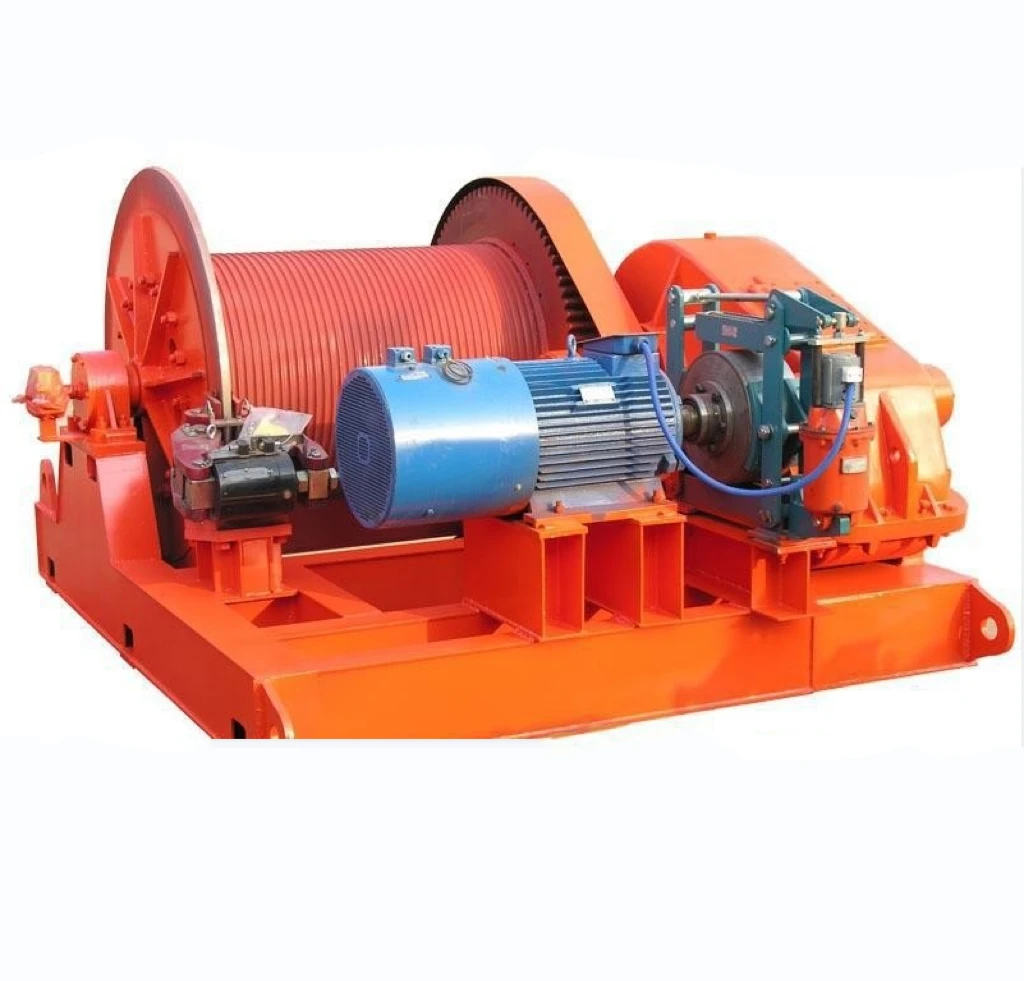
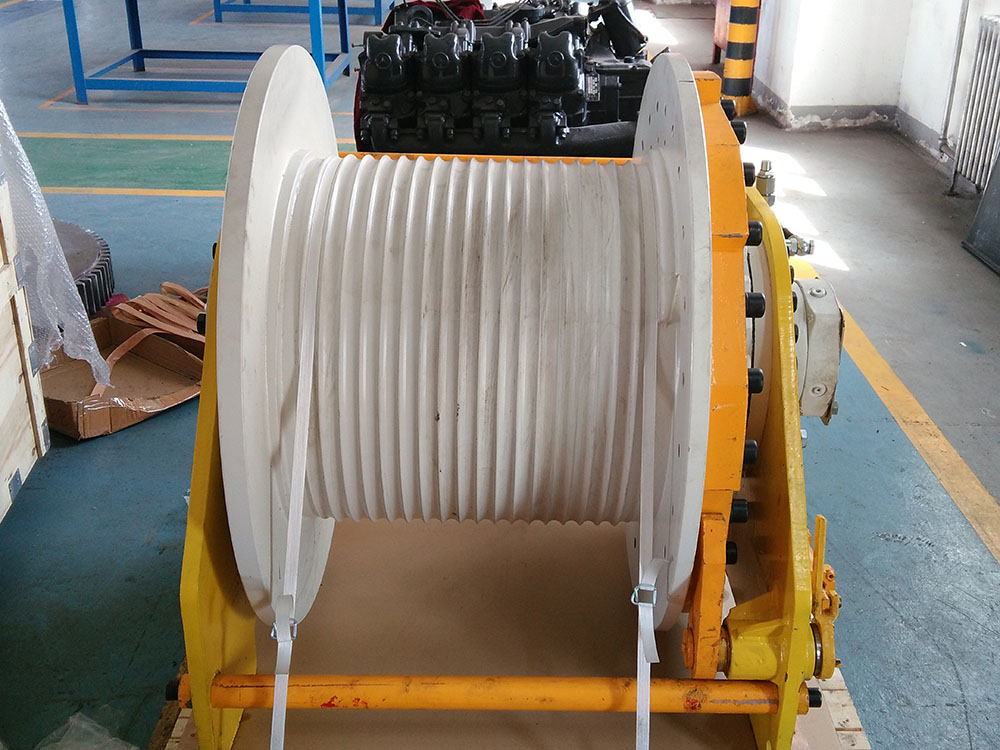
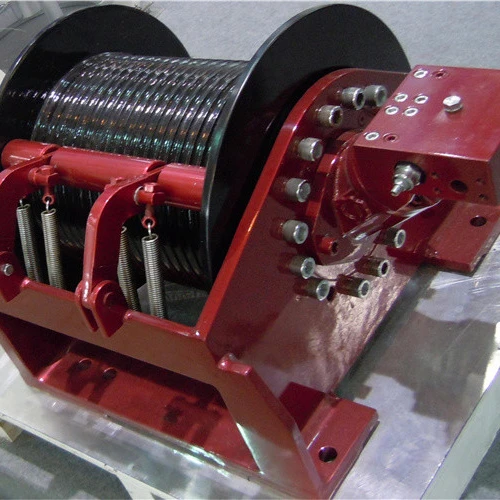
At its core, a 15 ton hydraulic winch is a lifting device capable of pulling or lifting up to 15 tons (about 30,000 pounds), powered by hydraulic fluid pressure rather than electric motors or manual power. The hydraulic mechanism enables smooth, powerful, and consistent motion, ideal for heavy-duty industrial tasks.
Unlike electric winches limited by power sources, hydraulic versions use pumps driven by engines or external sources, making them versatile where electrical infrastructure is sparse or unreliable—think remote mines, logging operations, or emergency settings.
This blend of mechanical engineering and hydraulics connects traditional heavy lifting with modern-day industrial needs and even humanitarian applications, where speed and safety often dictate success.
Key Components and Characteristics of a 15 Ton Hydraulic Winch
1. Durability and Build Quality
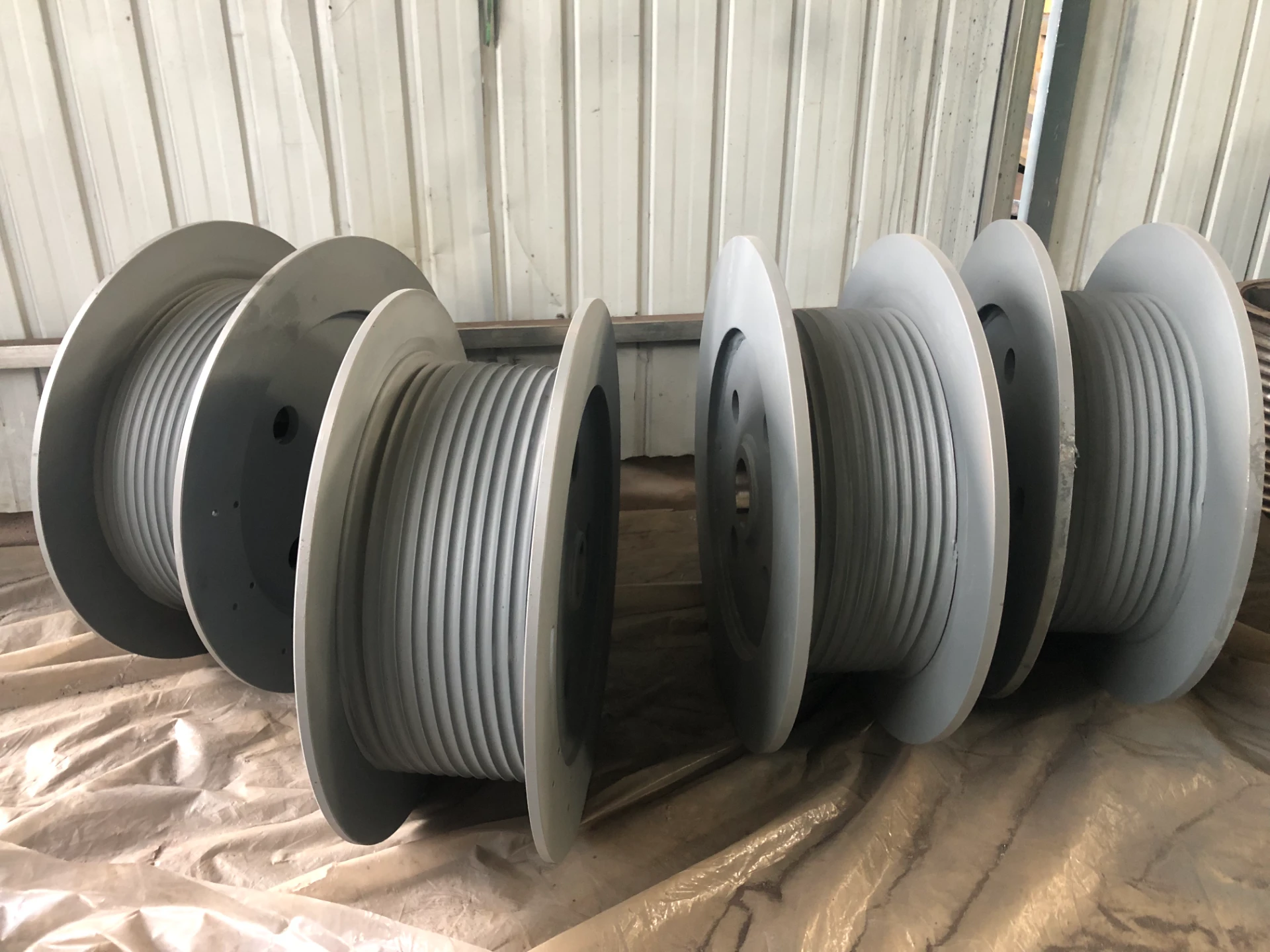
The best hydraulic winches boast hardened gears, corrosion-resistant housing, and heavy-duty drums capable of withstanding harsh environments. Many use alloy steels or treated metals to ensure long service life.
2. Hydraulic Power and Efficiency
Hydraulic systems deliver controlled, high-torque output, which means operators can precisely adjust pulling speed and force. This efficiency reduces wear and improves safety during critical operations.
3. Scalability and Mounting Options
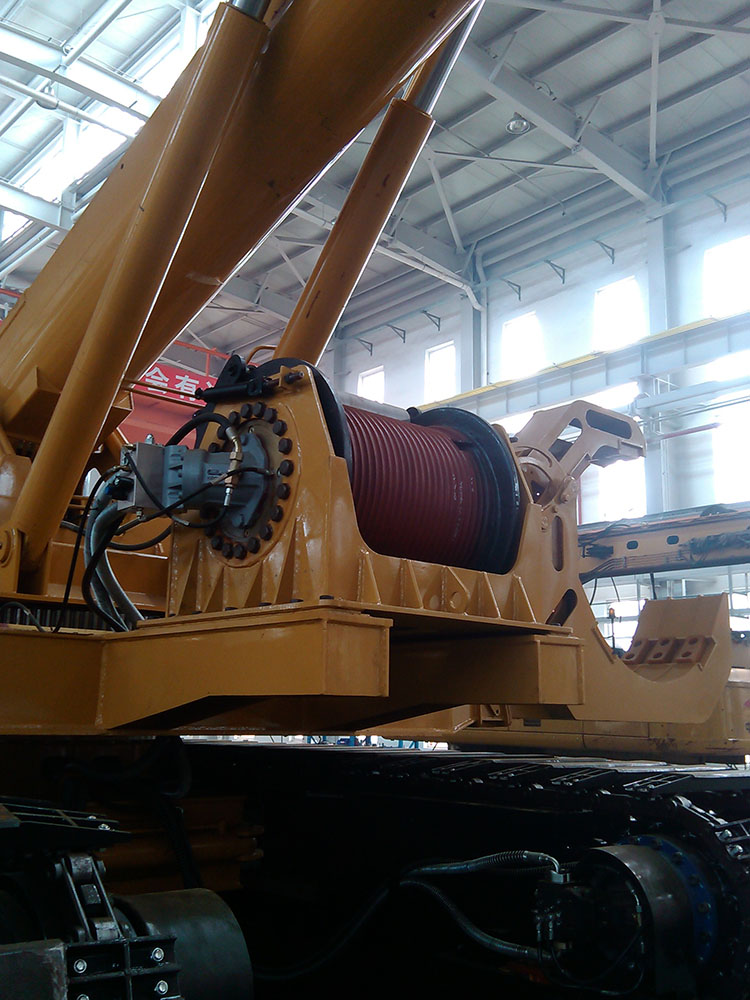
Whether mounted on trailers, trucks, ships, or stationary rigs, 15 ton winches offer scalable designs. Modular components allow customization based on specific use cases—from marine applications to forest hauling.
4. Safety Features
Many models integrate automatic braking systems, overload protection, and emergency stop functions to prevent gear damage and operator injury, aligning with strict international safety standards.
5. Cost Effectiveness
While the upfront investment may be substantial, the robustness and reduced maintenance requirements often make these winches cost-effective over their operational lifetime.
Mini Takeaway:
When choosing a 15 ton hydraulic winch, think durability, power precision, adaptability, and safety—but also how these features translate into your day-to-day lifting challenges.
Global Reach: Diverse Applications of the 15 Ton Hydraulic Winch
These winches are far from one-trick ponies. Around the world, they’re essential tools in:
- Construction and Infrastructure: Used in bridge building, heavy equipment positioning, and crane operations across regions from Asia-Pacific urban centers to European infrastructure upgrades.
- Mining and Logging: In remote areas of Africa and South America, where terrain is rugged and power sources limited, these winches haul heavy loads safely.
- Marine and Offshore: From the North Sea oil rigs to Pacific fishing vessels, hydraulic winches manage anchors, nets, and equipment handling.
- Disaster Relief and Humanitarian Work: After events like earthquakes or floods, agencies deploy 15 ton hydraulic winches to clear debris, move supplies, or extract vehicles—often where time is a luxury.
For example, after the 2010 Haiti earthquake, relief teams relied on hydraulic winches to navigate damaged infrastructure and reach isolated communities efficiently.
Advantages and the Long-Term Value Proposition
Why invest in a 15 ton hydraulic winch? The benefits truly stack up:
- Safety and Control: Operators can maneuver heavy loads smoothly, reducing accidents.
- Reliability Under Stress: Unlike electric winches that may falter in wet or rough conditions, hydraulics endure.
- Cost Savings: Long service life and lower maintenance equate to fewer interruptions and lower lifecycle costs.
- Social Impact: In humanitarian contexts, they enable rescue and rebuilding efforts, restoring dignity and hope.
Sometimes it feels like technology is all about speed and efficiency, but with this winch, it’s about trust and steady strength. You’re not just buying a tool; you’re investing in peace of mind.
What Does the Future Hold for the 15 Ton Hydraulic Winch?
Innovations are always creeping in—materials like carbon composites are helping reduce weight without sacrificing strength. Smart winches equipped with sensors offer real-time load monitoring and predictive maintenance alerts. Automation is edging in, too, letting operators control lifts remotely, improving safety margins drastically.
Sustainability is another frontier. Some manufacturers are integrating green energy systems or hybrid hydraulics designed to minimize environmental footprints—particularly valued in sensitive ecological zones.
Challenges and How the Industry Addresses Them
No product is perfect. Some challenges include:
- Weight and Portability: 15 ton winches are heavy; transporting them to remote sites can be tricky. Modular designs and trailer mounts attempt to solve this.
- Hydraulic Fluid Management: Leaks or contamination affect performance. Better sealing tech and biodegradable fluids are industry responses.
- Operator Skill Requirements: Proper use is critical; hence, many vendors offer enhanced training programs.
Frankly, it’s a bit of a balancing act. But as engineers and operators share feedback, solutions evolve quickly.
Technical Specifications of Typical 15 Ton Hydraulic Winch Models
| Feature | Specification |
|---|---|
| Maximum Load Capacity | 15,000 kg (15 tons) |
| Operating Pressure | 140 - 210 bar |
| Cable Diameter | 16-22 mm |
| Line Speed | Up to 10 m/min |
| Weight (Winch Unit) | 450 - 600 kg |
| Power Source | Hydraulic Pump (external/internal) |
| Brake System | Automatic load-holding brake |
Comparing Top Vendors of 15 Ton Hydraulic Winches
| Vendor | Product Range | Customization Options | Safety Certifications | Typical Lead Time |
|---|---|---|---|---|
| LBS Winch | 5 to 30 ton models | Custom drum sizes, hydraulic fittings | ISO 9001, CE Certified | 4-6 weeks |
| HydroLift Inc. | Up to 20 tons | Modular control units | API 9A, CE | 6-8 weeks |
| Global Haulers | 10 to 25 tons | Custom hydraulic kits, remote control | ISO 14001, CE | 5-7 weeks |
Frequently Asked Questions About 15 Ton Hydraulic Winches
1. What makes a 15 ton hydraulic winch better than an electric winch?
Hydraulic winches typically outperform electric winches in rugged environments because they’re less affected by water, dust, or power fluctuations. They offer better torque control and can be powered by existing hydraulic systems on heavy machinery, ensuring consistent performance even in extreme conditions.
2. How can I determine if a 15 ton hydraulic winch suits my industry’s needs?
Assess your load requirements, operating environment, and power availability. If you frequently hoist heavy weights in remote or tough settings, a hydraulic winch offers versatility and reliability that electric or manual winches might lack. Consult vendors with experience in your sector for tailored advice.
3. What are common maintenance tasks to prolong the life of a hydraulic winch?
Regularly check hydraulic fluid levels and replace filters to avoid contamination. Inspect cable integrity and drum condition for wear. Ensure braking systems and controls are responsive. Scheduled professional inspections can preempt costly failures.
4. Are 15 ton hydraulic winches safe for lifting people?
Generally, these winches are designed for lifting or pulling equipment and loads, not people. If personnel lifting is required, certified equipment specifically designed for that purpose, compliant with safety regulations, must be used.
5. Can these winches be customized for specific applications?
Absolutely. Manufacturers often provide options like different drum sizes, cable types, control systems (wired or wireless), and mounting kits to adapt the winch to unique industrial or field requirements.
In Conclusion: Why Investing in a 15 Ton Hydraulic Winch Makes Sense
To sum it all up: the 15 ton hydraulic winch is more than just heavy machinery; it’s a blend of precision engineering, adaptability, and raw power that meets the complex demands of modern industries and humanitarian missions worldwide. Its reliability and evolving technology ensure it stays relevant well into the future.
If your operations require heavy-duty lifting—whether for construction, shipping, or disaster relief—this winch could be a vital cornerstone. Ready to explore your options? Visit our website: LBS Winch for tailored solutions and expert consultation.
Mini Takeaway
Whether you’re a project engineer or a relief coordinator, understanding the capabilities of a 15 ton hydraulic winch empowers smarter decisions that save time, money, and even lives.
References
- International Organization for Standardization (ISO)
- World Bank Data on Infrastructure Projects
- Wikipedia: Hydraulic Machine
-
The Ultimate Guide to Gear Steels for Durability and PerformanceNewsApr.16,2026
-
High Performance Gear Stainless Steel for Industrial DurabilityNewsApr.09,2026
-
Comprehensive Guide to Steel Bevel Gears Applications and SelectionNewsApr.07,2026
-
Comprehensive Guide to Durable Stainless Steel Miter Gears and ApplicationsNewsApr.04,2026
-
Comprehensive Guide to Steel Spur Gears Functionality and ApplicationsNewsMar.31,2026
-
Comprehensive Guide to Durable Stainless Steel Spur Gears and Their ApplicationsNewsMar.28,2026