Powerful Split Drum Winch: Electric & Mooring Solutions
In the demanding world of heavy lifting and precision pulling, a reliable winch is not merely a piece of equipment; it's the heart of critical operations. Among the myriad of winch designs, the split drum winch stands out for its exceptional versatility, robust design, and superior rope management capabilities. This comprehensive guide delves into the intricate details of split drum winch technology, covering everything from industry trends and technical specifications to manufacturing processes and real-world applications. Our focus is on the Split Drum Winch Winch Grooved Drum Electric Winch Drum, a prime example of engineering excellence.
The global winch market is witnessing significant growth, driven by expansion in offshore oil and gas, marine transportation, construction, and mining sectors. Current trends emphasize higher efficiency, increased safety features, and smart integration. Customers are increasingly looking for winches that offer:
- Automated Control Systems: Moving beyond manual operation to advanced PLC (Programmable Logic Controller) and HMI (Human-Machine Interface) systems for precise control and remote operation.
- Energy Efficiency: Adoption of variable frequency drives (VFDs) and permanent magnet motors to reduce energy consumption and operational costs.
- Durability and Corrosion Resistance: Increased demand for materials and coatings that can withstand harsh environments, especially in marine and offshore applications.
- Modularity and Customization: The need for highly adaptable solutions that can be tailored to specific project requirements, highlighting the importance of specialized designs like the split drum winch.
- Enhanced Safety Features: Integration of load monitoring, emergency stop systems, and redundant braking mechanisms to ensure operator and asset safety.
The split drum winch, particularly the Split Drum Winch Winch Grooved Drum Electric Winch Drum, perfectly aligns with these trends. Its design, which separates the storage and pulling sections of the drum, allows for precise rope spooling, reduced rope wear, and higher operational efficiency, making it an ideal choice for advanced applications like split drum electric winch and split drum mooring winch systems.
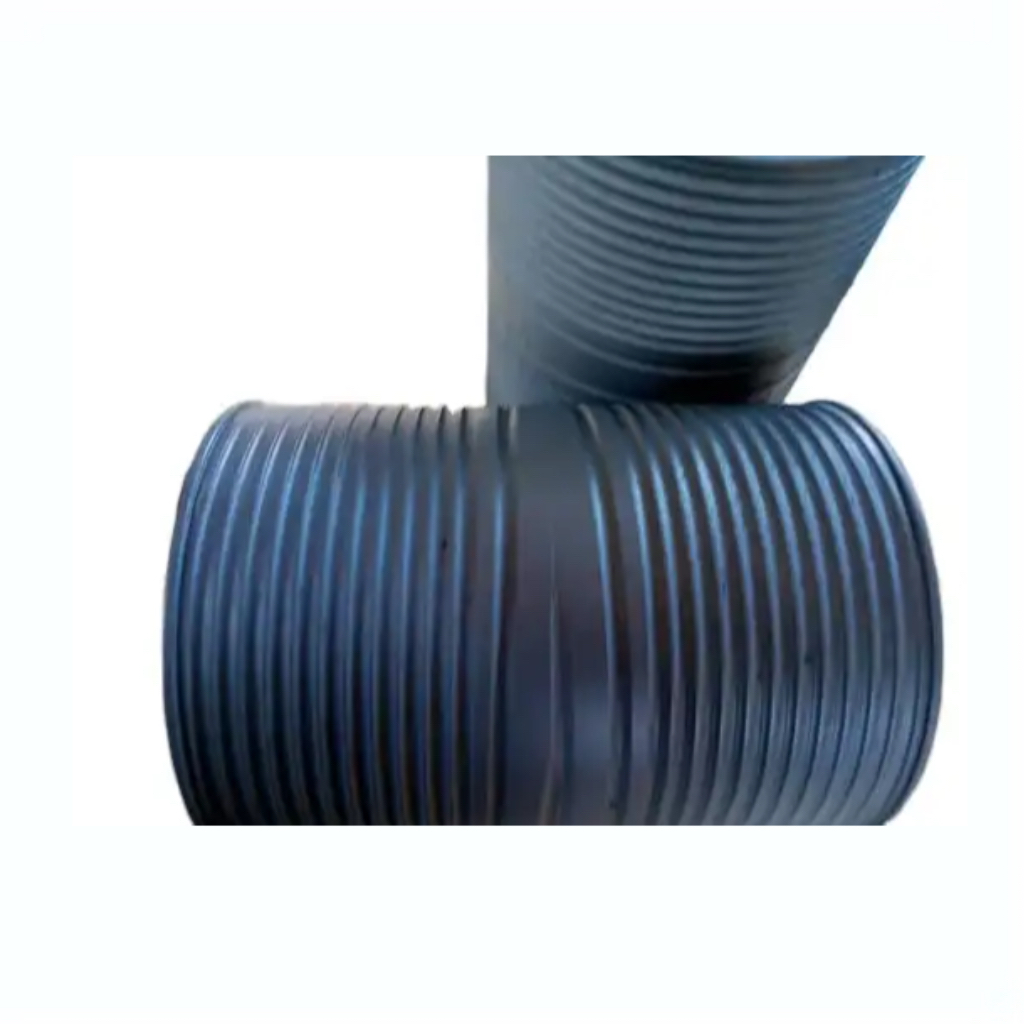
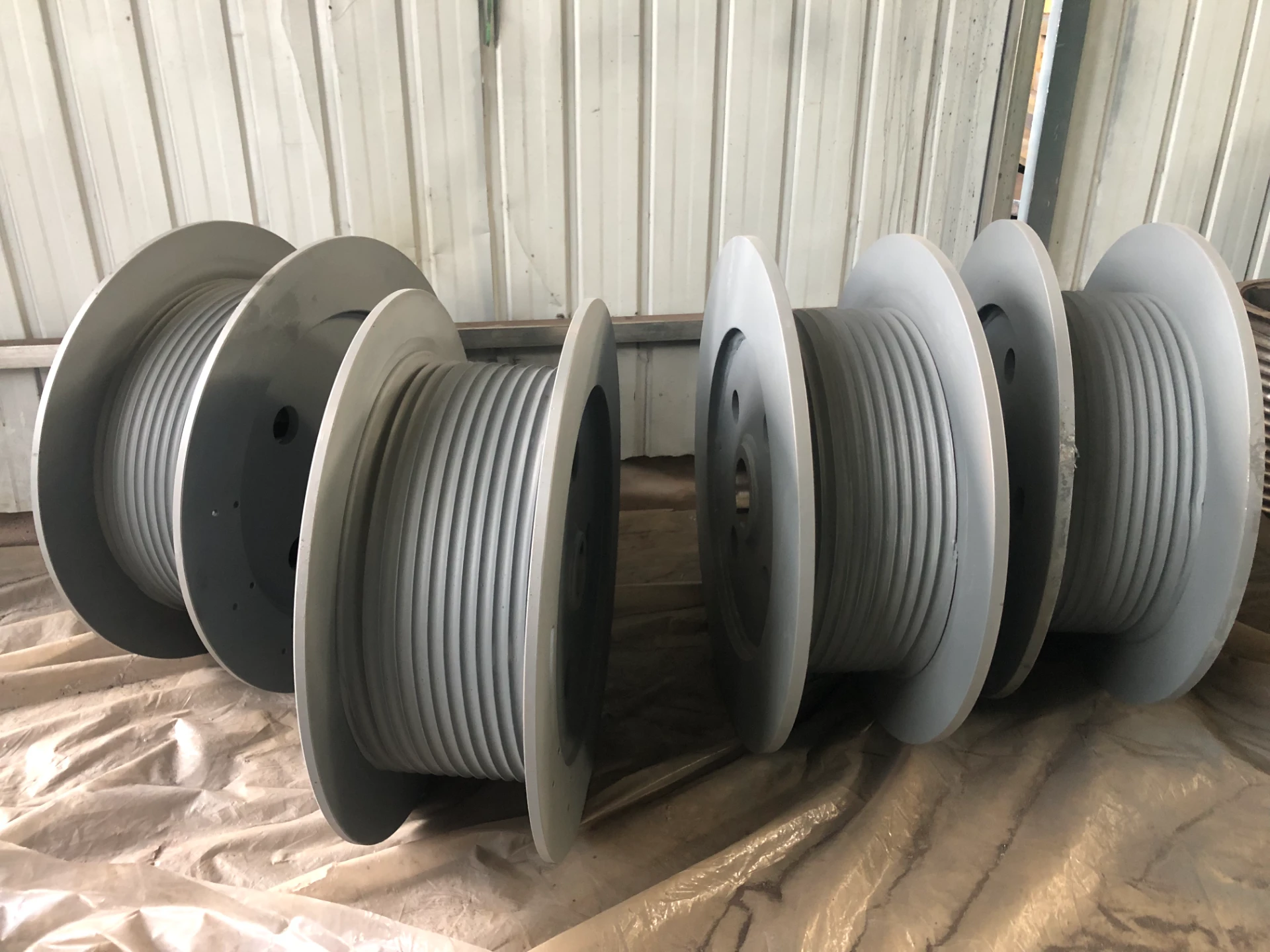
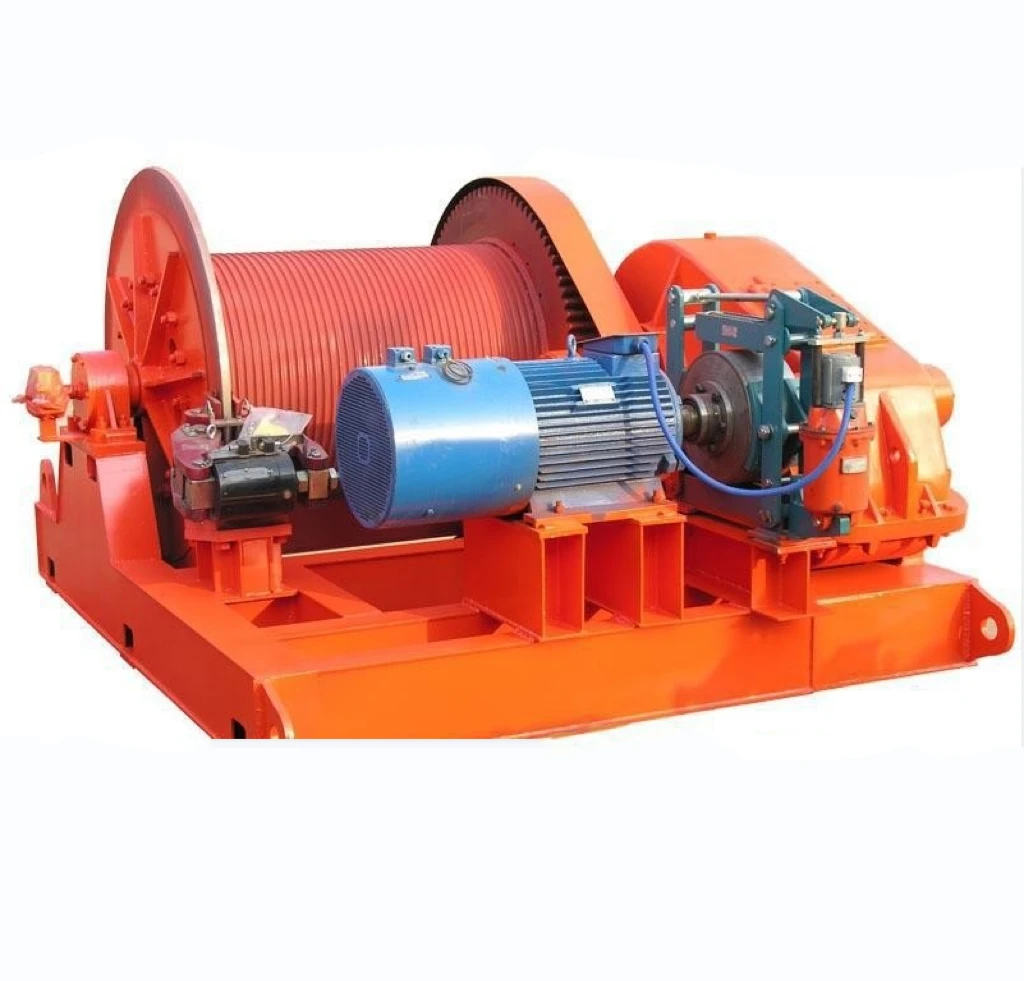
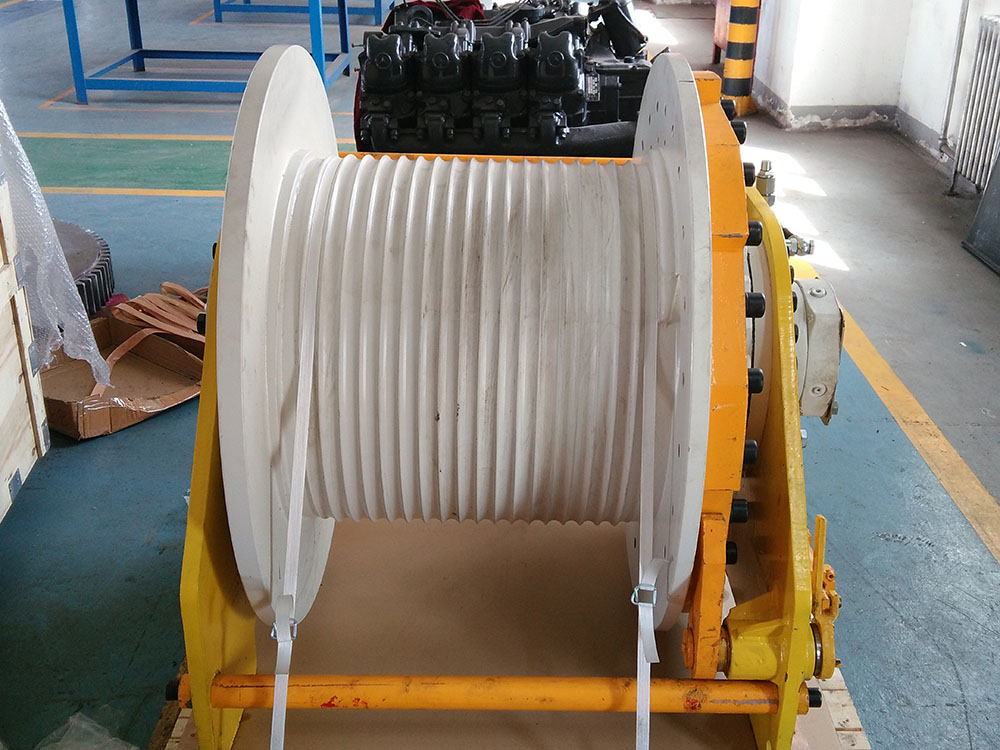
Figure 1: A high-performance split drum winch designed for heavy-duty applications.
Understanding the core technical parameters is crucial for selecting the right split drum winch. Our Split Drum Winch Winch Grooved Drum Electric Winch Drum boasts specifications designed for reliability and performance. Below is a table outlining typical parameters found in high-quality split drum winches:
Common Split Drum Winch Parameters
| Parameter | Description | Typical Range for Heavy-Duty Applications |
|---|---|---|
| Rated Pull (kN/ton) | The maximum force the winch can exert, defining its lifting or pulling capacity. | 50 kN - 5000 kN (5 ton - 500 ton) or more |
| Rope Capacity (m) | The maximum length of wire rope the storage drum can accommodate. | 500 m - 5000 m (depending on rope diameter) |
| Working Speed (m/min) | The rate at which the rope is pulled or deployed, crucial for operational efficiency. | Up to 20 m/min (low speed, high pull) to 100 m/min (high speed, lower pull) |
| Motor Power (kW) | The power of the electric or hydraulic motor driving the winch. | Up to 1500 kW for large systems |
| Drum Diameter (mm) | The diameter of the grooved section and storage section, influencing rope life and spooling. | 500 mm - 3000 mm |
| Rope Diameter (mm) | The specified diameter of the wire rope to be used, critical for proper grooving. | 16 mm - 80 mm |
| Grooving Type | Method of rope guidance on the drum, typically Lebus grooving for optimal spooling. | Lebus Grooving (single/multi-layer) |
| Braking System | Type of brakes (e.g., hydraulic, disc, band) for safe stopping and holding. | Dual-redundant hydraulic disc brakes, manual band brake |
| Control System | Methods of operation, from local manual to remote PLC/HMI. | Local, Remote, PLC, VFD control with load monitoring |
| Applicable Standards | Industry standards the winch complies with for safety and performance. | ISO, API (American Petroleum Institute), DNV GL, ABS, Lloyd's Register, FEM (Federation Europeenne de la Manutention) |
Our Split Drum Winch Winch Grooved Drum Electric Winch Drum exemplifies these high standards, offering a robust solution that can be tailored to various load and speed requirements, making it suitable as a split drum electric winch or a split drum mooring winch.
The manufacturing of a high-quality split drum winch like our Split Drum Winch Winch Grooved Drum Electric Winch Drum is a meticulous process, combining advanced metallurgy with precision engineering. Each step is critical to ensuring the winch's long-term reliability and performance in demanding environments.
Manufacturing Flow Overview:
- Material Selection & Preparation:
- Casting/Forging of Drum Sections & Components:
- Welding & Assembly of Main Structure:
- CNC Machining & Grooving:
- Heat Treatment:
- Surface Treatment & Coating:
- Assembly of Sub-components:
- Electrical & Control System Integration:
- Testing & Quality Control:
High-grade carbon steel (e.g., Q345B, Q355B), alloy steel (e.g., 42CrMo), or specialized marine-grade stainless steel are selected based on the winch's intended application, load requirements, and environmental conditions. Material certifications (e.g., mill test certificates) ensure compliance with standards like ASTM, EN, or JIS. Plates and bars are cut to size using advanced plasma or laser cutting machines.
Large drum sections, gear blanks, and critical structural components often undergo casting or forging. Forging enhances the material's strength and fatigue resistance by refining its grain structure, making it ideal for high-stress parts. Precision casting is used for complex shapes that require specific mechanical properties.
Components are accurately positioned and welded using advanced techniques like submerged arc welding (SAW) or gas metal arc welding (GMAW) to form the main frame, drum shells, and base structure. All welding processes adhere to international standards such as AWS D1.1 for structural steel or ASME Boiler and Pressure Vessel Code. Non-destructive testing (NDT) methods like ultrasonic testing (UT) and magnetic particle inspection (MPI) are employed to ensure weld integrity.
This is a critical stage for the split drum winch. The forged or cast drum sections are precisely machined using multi-axis CNC (Computer Numerical Control) machines. This ensures perfect concentricity and dimensional accuracy. The groove profile, typically Lebus grooving, is precisely cut into the drum's pulling section. Lebus grooving ensures optimal rope spooling, minimizes rope crushing, and extends rope life, which is paramount for both split drum electric winch and split drum mooring winch applications.
Key components, especially gears, shafts, and highly stressed drum parts, undergo heat treatment processes like quenching and tempering, normalizing, or annealing. This modifies the material's microstructure, enhancing hardness, toughness, and wear resistance, significantly extending the product's lifespan.
After machining, all surfaces are prepared through shot blasting or sandblasting to achieve optimal surface roughness. This is followed by multi-layer marine-grade epoxy coatings or specialized anti-corrosion paints. For components exposed to extremely harsh conditions, hot-dip galvanizing or nickel-plating may be applied. This ensures the winch's durability and resistance to rust and degradation in environments like petrochemical plants or offshore platforms.
Bearings, gears, shafts, hydraulic motors/pumps, electric motors, and braking systems are meticulously assembled onto the main structure. Precision alignment is crucial for smooth operation and long service life. Seals and gaskets are installed to prevent leaks and protect internal components.
For an split drum electric winch, the electric motor, control panel (including VFDs, PLCs, HMI), sensors (load cells, encoders), and wiring are integrated. All electrical components conform to international electrical safety standards like IEC or NEMA.
Every split drum winch undergoes rigorous testing before dispatch. This includes:
- Load Testing: Static and dynamic load tests to verify pulling capacity and braking efficiency, often exceeding rated capacity (e.g., 125% of SWL - Safe Working Load).
- Functional Testing: Operation at various speeds, under different loads, and emergency stop scenarios.
- Noise and Vibration Analysis: To ensure smooth and quiet operation.
- NDT for Critical Welds/Components: Re-inspection post-assembly.
- Dimensional Verification: Final checks against engineering drawings.
Compliance with international inspection standards like ISO 9001 (Quality Management System) and specific industry standards such as API 2C for offshore cranes or FEM (Federation Européenne de la Manutention) for lifting equipment is strictly maintained throughout the process. This adherence provides the trustworthiness and authoritativeness our clients expect.
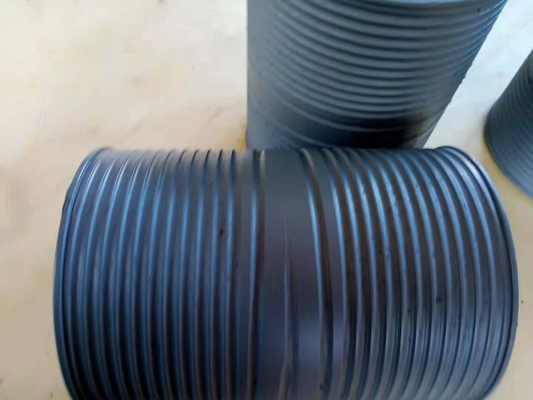
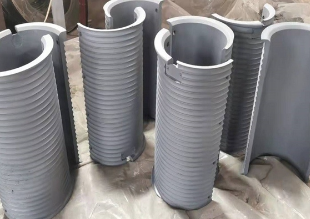
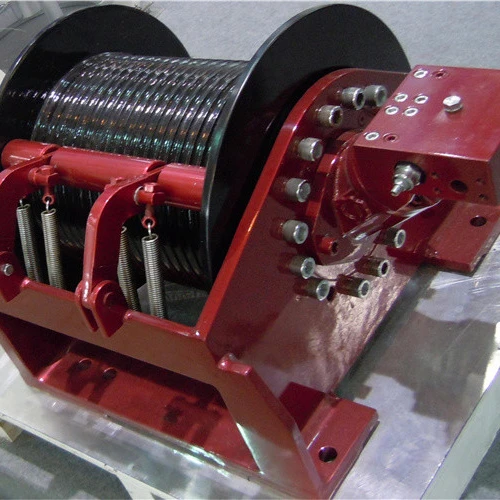
Figure 2: Close-up of a precision-machined grooved drum, a key component of the split drum winch.
The robust design and precision engineering of the split drum winch make it indispensable across a wide array of industries:
- Offshore & Marine: Critical for anchor handling, mooring operations (split drum mooring winch), pipeline laying, subsea equipment deployment and retrieval, and towage. Its precise spooling capabilities are vital for deep-water operations.
- Oil & Gas (Petrochemical): Used in refineries, drilling rigs, and processing plants for lifting heavy equipment, positioning modules, and material handling in hazardous environments.
- Construction: Employed in large-scale infrastructure projects for bridge construction, tower erection, and heavy material positioning.
- Metallurgy & Mining: For pulling heavy loads, material transfer in steel mills, and hoisting in mining operations where robust and continuous performance is required.
- Hydro Power & Dam Construction: Used for gate lifting, stop log handling, and various construction tasks around water bodies.
- Ports & Shipyards: For ship launching, dry dock operations, and general cargo handling, where reliable and high-capacity winches are essential.
- Water Treatment & Wastewater Management: Used for opening/closing large gates, handling sludge, and positioning equipment in water treatment facilities, where corrosion resistance is paramount.
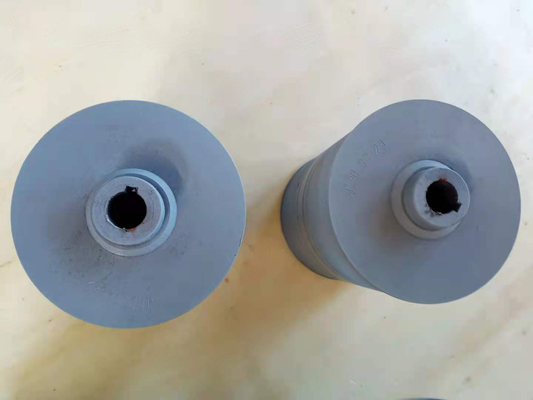
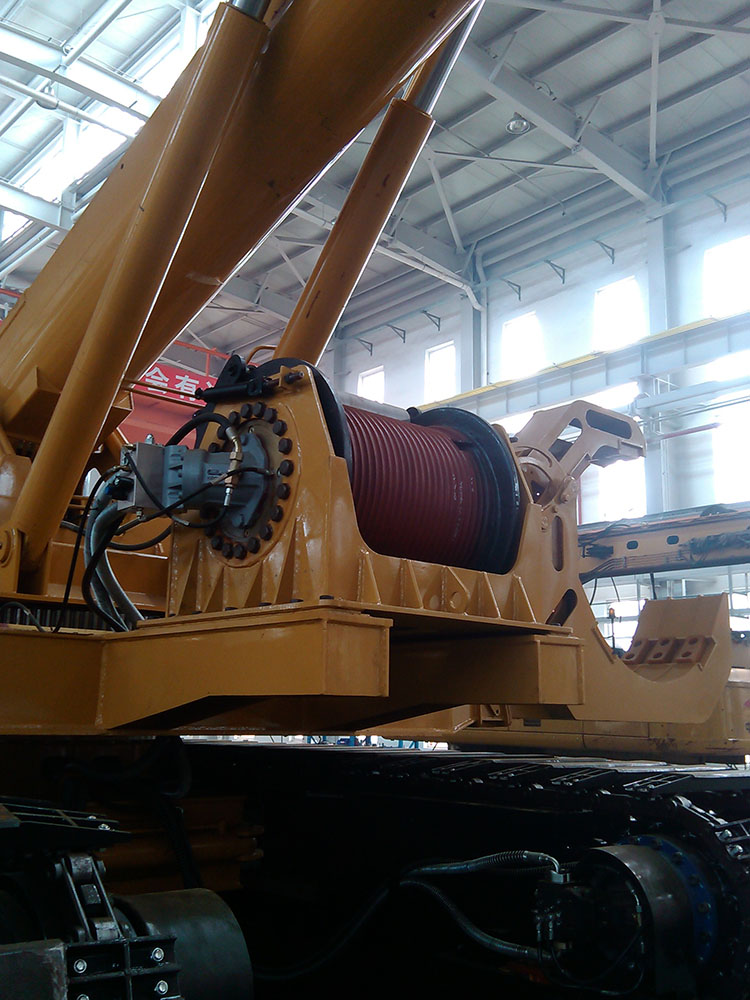
Figure 3: A split drum winch integrated into a marine vessel, showcasing its versatility.
Advantages in Typical Application Scenarios:
- Energy Efficiency (for Split Drum Electric Winch): Our Split Drum Winch Winch Grooved Drum Electric Winch Drum, especially with VFD control, offers significant energy savings. The VFD adjusts motor speed and torque based on demand, reducing power consumption during light loads and smooth acceleration/deceleration, leading to lower operational costs and reduced carbon footprint.
- Anti-Corrosion Properties: Through superior material selection (e.g., marine-grade steel) and advanced multi-layer coating systems (as detailed in the manufacturing process), these winches exhibit exceptional resistance to saltwater, chemicals, and industrial pollutants. This is crucial for their extended service life in environments like offshore platforms or chemical plants.
- Enhanced Rope Life & Safety: The core advantage of the split drum winch lies in its grooved pulling section (Lebus grooving) which ensures perfect wire rope spooling, layer by layer. This eliminates rope crushing, bird-caging, and uneven wear common in ungrooved drums, significantly extending the wire rope's lifespan and drastically reducing safety risks associated with rope failure.
- Precision & Control: The grooved design, combined with advanced control systems (PLC/HMI), allows for extremely precise lifting and positioning, essential for delicate operations like subsea installations or synchronized lifting.
Our Split Drum Winch Winch Grooved Drum Electric Winch Drum distinguishes itself through several key technical advantages:
- Optimized Rope Management (Lebus Grooving): The heart of the split drum winch is its expertly designed Lebus grooving. This system ensures that the wire rope spools perfectly in layers, eliminating cross-winding and minimizing crushing. This not only extends the life of the wire rope significantly (by up to 500% compared to smooth drums) but also enhances operational safety by preventing unpredictable rope behavior and sudden load drops.
- Robust Construction for Extreme Conditions: Utilizing high-strength alloy steels and meticulously engineered fabrication processes (including precision welding and heat treatment), our winches are built to withstand heavy dynamic loads, shock, and continuous operation in the harshest environments, from sub-zero temperatures to high humidity and corrosive atmospheres.
- Advanced Control Systems: Integration of state-of-the-art PLC (Programmable Logic Controller) and HMI (Human-Machine Interface) systems provides operators with intuitive, real-time control. Features include variable speed control, precise load monitoring, emergency stop functions, automated spooling programs, and remote diagnostic capabilities. This intelligence allows for safer, more efficient, and more adaptable operations, especially crucial for a split drum electric winch.
- Modular Design for Customization: Our winches are designed with modularity in mind. This allows for easy integration of various drive types (electric, hydraulic, diesel), braking systems, and auxiliary functions, enabling highly customized solutions for diverse project requirements.
- Enhanced Safety Features: Beyond standard braking, our winches often feature redundant braking systems, overload protection with audible/visual alarms, limit switches for travel, and anti-snagging devices. This multi-layered approach to safety protects both personnel and valuable assets.

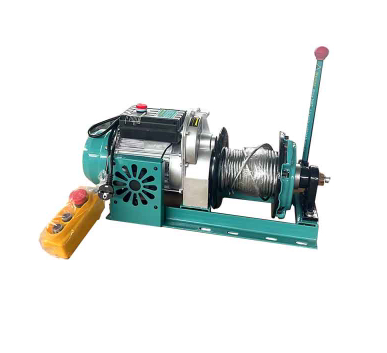
Figure 4: A Q355B carbon steel double grooved winch drum, highlighting robust material use.
When selecting a split drum winch manufacturer, several factors differentiate top-tier providers from others. We pride ourselves on a commitment to quality, innovation, and customer satisfaction, validated by our authoritative certifications and proven track record.
Manufacturer Comparison Criteria
| Feature | Standard Manufacturer | LBS Winch (Our Product: Split Drum Winch Winch Grooved Drum Electric Winch Drum) |
|---|---|---|
| Engineering Expertise | Standard designs, limited customization. | Deep understanding of specific applications (e.g., offshore, subsea), advanced CFD/FEM simulations, custom solutions. Over 20 years of industry experience. |
| Material Quality | Standard steel grades, basic corrosion protection. | Certified high-grade alloy/carbon steels (Q345B, Q355B, 42CrMo), multi-layer marine-grade coatings, material traceability. Compliance with ASTM, EN. |
| Manufacturing Process | Basic machining, general welding. | Precision CNC machining for Lebus grooving, automated welding, strict adherence to ISO & API standards, comprehensive NDT (UT, MPI). |
| Quality Control & Testing | Basic functional tests. | Rigorous multi-stage QA/QC, 125% overload testing, operational simulations, third-party inspection readiness (DNV GL, ABS, Lloyd's Register). ISO 9001 certified. |
| Control Systems | Basic push-button control. | Integrated PLC/HMI, VFD control, remote diagnostics, real-time load/speed monitoring, customized software. |
| After-Sales Support | Limited warranty, basic spare parts. | Comprehensive warranty (up to 2 years), global service network, readily available spare parts, dedicated technical support, training programs. |
| Innovation & R&D | Reactive to market demands. | Proactive R&D on new materials, smart technologies (AI/IoT integration for predictive maintenance), continuous product improvement. |
| Certifications & Compliance | Basic national standards. | ISO 9001, CE, DNV GL, ABS, Lloyd's Register design approvals and product certifications. Proven track record with major international clients. |
Our Commitment to Excellence ( Pillars):
- Expertise: Our engineering team possesses deep domain knowledge, evidenced by our ability to design and produce complex Lebus grooved drums and integrate advanced control systems. We speak the language of torque, tension, and fatigue life.
- Experience: With decades in the industry, we have supplied split drum winches for countless projects globally, from challenging offshore wind farm installations to critical dam gate operations. Our project portfolio and customer testimonials speak volumes about our practical application experience.
- Authoritativeness: We hold prestigious certifications from global classification societies like DNV GL, ABS, and Lloyd's Register. Our manufacturing processes are ISO 9001 certified, ensuring consistent quality. We are a trusted partner to leading EPC contractors and offshore operators worldwide.
- Trustworthiness: We offer transparent communication, detailed documentation, comprehensive warranties, and responsive customer support. Our commitment to post-sales service ensures long-term reliability and client satisfaction.
One of the significant advantages of the split drum winch is its adaptability. We specialize in providing highly customized solutions tailored to the unique demands of each project. This includes variations in:
- Drive Type: Split drum electric winch (AC/DC motor with VFD), hydraulic split drum winch, or diesel-hydraulic configurations.
- Load Capacity & Speed: From light-duty utility winches to heavy-lift systems capable of handling hundreds of tons.
- Rope Diameter & Length: Grooving matched precisely to specific wire rope dimensions and vast storage capacities.
- Control Systems: Simple local control to advanced remote PLC/HMI systems with integrated data logging, real-time diagnostics, and even predictive maintenance capabilities via IoT.
- Environmental Protection: Specialized coatings, heated enclosures, and explosion-proof designs for hazardous or extreme climate conditions.
- Footprint & Layout: Compact designs for space-constrained installations or custom configurations to fit existing vessel/platform layouts.

Figure 5: Another view of a Q355B carbon steel double grooved drum, ready for specific hoisting tasks.
Case Study: Offshore Mooring System for an FPSO
Challenge: A major energy company required a robust and highly reliable split drum mooring winch system for its new Floating Production Storage and Offloading (FPSO) vessel in a challenging deep-water field. The system needed to manage extremely long and heavy mooring lines (several kilometers of 76mm wire rope) with precise tension control, ensuring the vessel's stability even in severe weather conditions. Critical requirements included extended rope life, minimal maintenance, and compliance with DNV GL offshore standards.
Solution: We engineered and supplied multiple split drum electric winches, each with a rated pull of 300 tons and a rope capacity of 3500 meters of 76mm wire rope. Key features of our customized solution included:
- Custom Lebus Grooving: Precisely engineered for the specific 76mm wire rope to ensure flawless spooling, significantly extending rope life and reducing operational downtime.
- Integrated VFD Control System: Allowed for precise variable speed control, smooth acceleration/deceleration, and dynamic tension monitoring, crucial for critical mooring operations. This system also contributed to substantial energy savings compared to traditional hydraulic systems.
- Marine-Grade Construction: All external components were fabricated from high-grade marine steel and treated with a multi-layer epoxy coating system, providing exceptional corrosion resistance in the harsh offshore environment.
- Redundant Braking Systems: Dual hydraulic disc brakes with an additional manual band brake ensured maximum safety and reliability.
- Real-time Data Monitoring: An advanced HMI provided operators with real-time data on line tension, speed, and remaining rope length, improving operational awareness and decision-making.
Outcome: The split drum winch system performed flawlessly, providing the required stability and precise control for the FPSO. The client reported significantly reduced wire rope replacement costs and enhanced operational safety, attributing these benefits directly to the superior Lebus grooving and robust construction of our split drum winch units. This successful deployment further solidified our position as a trusted provider of high-end winching solutions for the offshore industry.
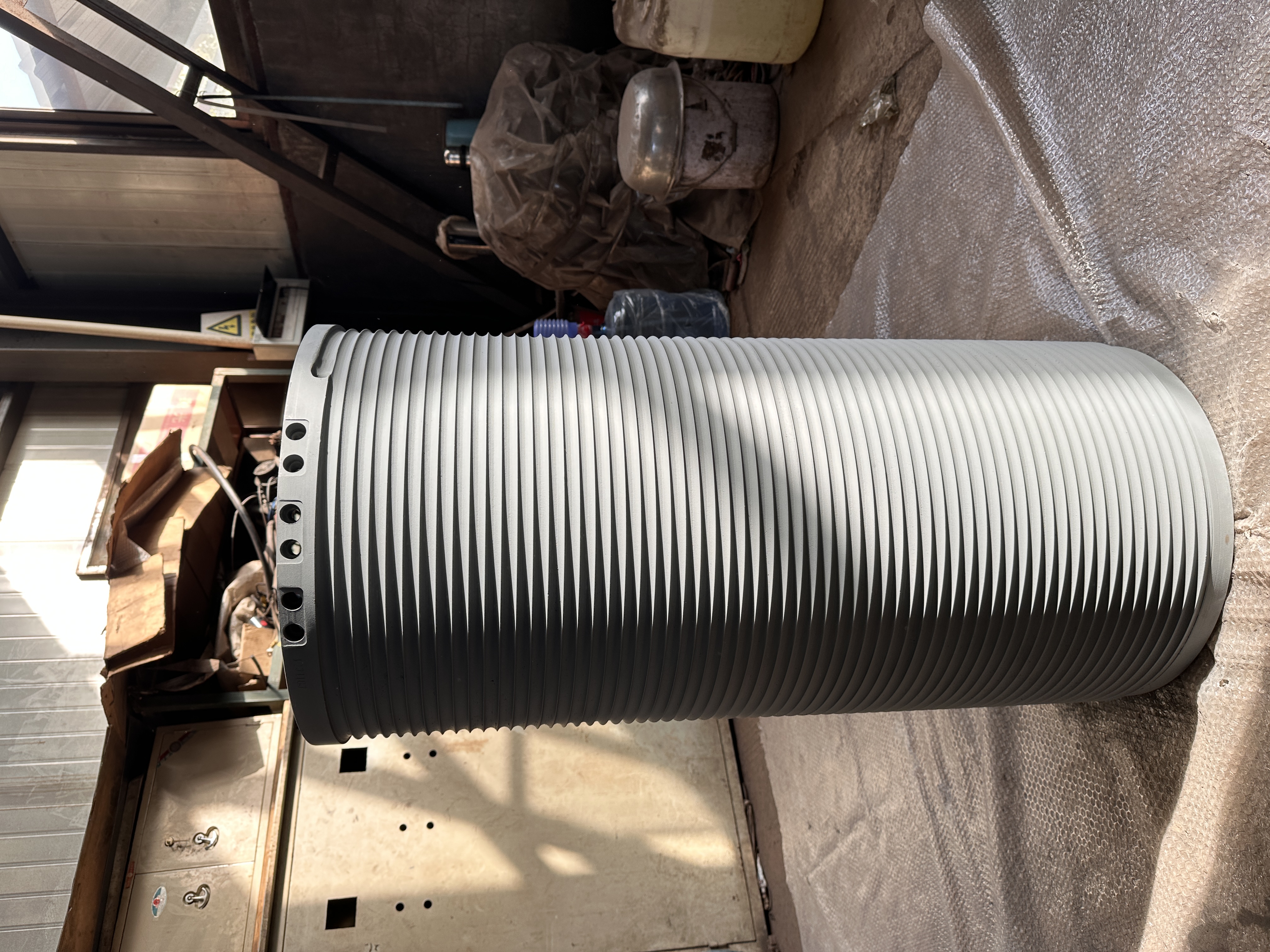
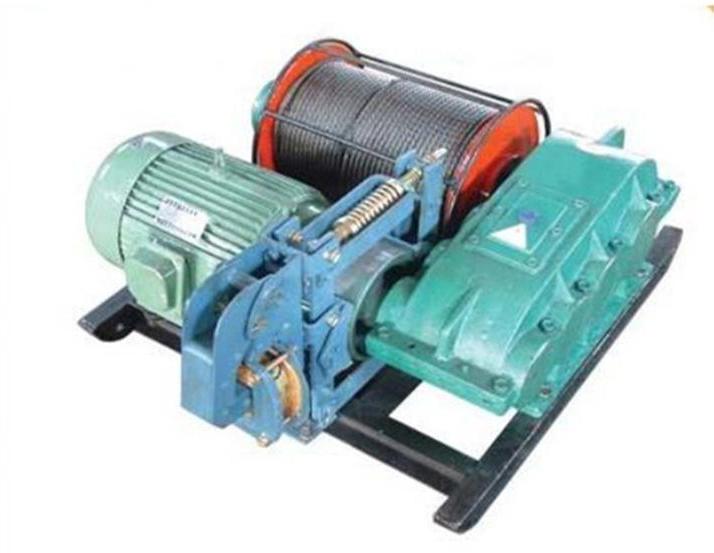
Figure 6: An industrial split drum winch assembly ready for rigorous testing.
Building trust with our clients is paramount. Beyond delivering superior products, we back them with comprehensive support and clear commitments:
- Quality Assurance & Certifications: Our manufacturing processes are certified to ISO 9001:2015. Individual components and complete winch systems can be supplied with certifications from major classification societies such as DNV GL, ABS, Lloyd's Register, and Bureau Veritas, ensuring compliance with international maritime and offshore standards.
- Warranty Commitment: We offer a standard 12-month warranty from commissioning or 18 months from delivery (whichever comes first) on all our Split Drum Winch Winch Grooved Drum Electric Winch Drum units, covering manufacturing defects and material failures. Extended warranty options are available upon request.
- Delivery Cycle: Typical lead times for a customized split drum winch range from 12 to 24 weeks, depending on complexity, capacity, and customization level. Urgent project requirements can be accommodated with expedited manufacturing schedules.
- After-Sales Support & Spares: Our commitment extends beyond delivery. We provide a global network of service engineers for installation supervision, commissioning, training, and troubleshooting. A comprehensive stock of critical spare parts ensures minimal downtime. We also offer planned maintenance programs and remote diagnostic support.
- Customer Feedback: "The split drum electric winch supplied by LBS Winch for our offshore platform has significantly improved our material handling efficiency and safety. The Lebus grooving is a game-changer for rope longevity." - Project Manager, Offshore Drilling Contractor.
Q1: What is Lebus grooving and why is it essential for a split drum winch?
A1: Lebus grooving is a specific drum grooving pattern where the rope follows a precise path, layer by layer, across the drum. This prevents rope crossover, crushing, and uneven wear, which are common issues with smooth or helical grooved drums. For a split drum winch, Lebus grooving is critical because it ensures flawless multi-layer spooling on the storage section, maximizing rope life and ensuring consistent pulling performance and safety, particularly for long lengths of wire rope or high-load applications.
Q2: What materials are typically used for the drums and structural components of a split drum winch, and why?
A2: High-strength carbon steels (e.g., Q345B, Q355B equivalent to ASTM A572 Grade 50) and alloy steels (e.g., 42CrMo equivalent to AISI 4140) are commonly used. These materials offer excellent yield strength, tensile strength, and impact resistance, crucial for handling heavy loads and resisting fatigue. For marine or corrosive environments, specialized stainless steels or surface treatments like hot-dip galvanizing and multi-layer epoxy coatings are applied to ensure durability and anti-corrosion properties.
Q3: How does a split drum electric winch achieve energy efficiency?
A3: A split drum electric winch achieves energy efficiency primarily through the integration of Variable Frequency Drives (VFDs). VFDs allow the motor's speed and torque to be precisely controlled, matching power consumption to the actual load requirements. This eliminates wasted energy during light loads or standby, reduces inrush currents, and enables regenerative braking, feeding energy back into the grid during lowering operations. This significantly lowers operational costs and carbon footprint.
Q4: What are the key inspection standards applicable to split drum winches?
A4: Key inspection standards include ISO 9001 (Quality Management Systems), API 2C (Specification for Offshore Pedestal Mounted Cranes, often referenced for winch components), FEM (Federation Européenne de la Manutention) for lifting and handling equipment, and classification society rules such as DNV GL, ABS, Lloyd's Register, and Bureau Veritas, particularly for marine and offshore applications. These standards cover design, materials, manufacturing, testing, and safety requirements.
Q5: What is the typical service life of a well-maintained split drum winch?
A5: With proper design, high-quality materials, expert manufacturing, and regular maintenance, a split drum winch can have a service life exceeding 20-30 years. Key factors influencing lifespan include adherence to operational limits, timely lubrication, inspection of wear parts (bearings, gears, brakes), and replacement of critical components as per manufacturer's recommendations. The superior rope management of a grooved drum also contributes to overall system longevity by preserving the wire rope.
Q6: How does a split drum mooring winch differ from a standard towing winch?
A6: While both handle heavy lines, a split drum mooring winch is specifically designed for holding a vessel or floating structure in position against environmental forces. It often requires precise tension control, continuous operation, and significant rope storage capacity, making the grooved drum essential for long mooring lines. Towing winches, while powerful, may not always feature the same level of precise spooling or tension control required for sustained mooring, though some high-end towing winches can also be split-drum designs.
Q7: What is the importance of "split" in a split drum winch?
A7: The "split" refers to the drum being divided into two distinct sections: a smaller, grooved "pulling" section (or traction drum) and a larger, typically smooth "storage" section. The wire rope makes a few wraps on the grooved section, which applies the pulling force and ensures precise spooling, before transferring to the larger storage drum where it is simply stored in layers. This separation prevents the heavy load and associated wear from affecting the storage layers, dramatically extending rope life and allowing for very long rope capacities without compromising performance or safety on the pulling section.
References:
- Wire Rope Users Manual, 4th Edition. Wire Rope Technical Board. https://wireropetechnicalboard.org/wp-content/uploads/2021/01/Wire_Rope_Users_Manual_4th_Ed_Web.pdf
- API Spec 2C - Specification for Offshore Pedestal Mounted Cranes. American Petroleum Institute. (Specific purchase required for full document, industry standard for reference)
- ISO 9001:2015 - Quality management systems. International Organization for Standardization. (Specific purchase required for full document, general quality system reference)
- DNV GL Rules for Classification of Ships, Offshore Units. DNV GL. (Accessible via DNV GL website for general rules, specific rules apply to equipment)
-
The Ultimate Guide to Gear Steels for Durability and PerformanceNewsApr.16,2026
-
High Performance Gear Stainless Steel for Industrial DurabilityNewsApr.09,2026
-
Comprehensive Guide to Steel Bevel Gears Applications and SelectionNewsApr.07,2026
-
Comprehensive Guide to Durable Stainless Steel Miter Gears and ApplicationsNewsApr.04,2026
-
Comprehensive Guide to Steel Spur Gears Functionality and ApplicationsNewsMar.31,2026
-
Comprehensive Guide to Durable Stainless Steel Spur Gears and Their ApplicationsNewsMar.28,2026