Powerful and Reliable 10000 lb Hydraulic Winches for Heavy Industrial Use
Understanding the 10000 lb Hydraulic Winch: Why It Matters Globally
If you’ve ever watched a recovery vehicle drag a stubborn truck out of a ditch or seen heavy construction gear shift massive loads with ease, you’ve witnessed the power of a hydraulic winch in action. But not just any hydraulic winch—specifically, the 10000 lb hydraulic winch has emerged as an industry staple worldwide for lifting, pulling, and controlled hauling of heavy equipment and cargo. Why does this matter on a global scale? Well, industries from forestry to disaster relief depend on reliable, high-capacity winches. In a world increasingly focused on efficient, safe industrial processes — and relief efforts in tough terrains — understanding the 10000 lb hydraulic winch’s key benefits is more than just technical jargon. It’s about optimizing operations, ensuring safety, and expanding what machines can do.
In short, whether you’re moving heavy logs in a remote logging camp or pulling debris after a natural disaster, this category of winch is a game changer. Its strength, precision, and adaptability offer solutions in places where other tech would simply fail or slow down a mission. And honestly, mastering its features and capabilities means fewer surprises on the job.
Mini Takeaway: The 10000 lb hydraulic winch is a global workhorse, essential to industries requiring heavy lifting and pulling, particularly where reliability and safety truly count.
The Global Context: Meeting Real-World Heavy-Duty Challenges
From the dense logging forests of Canada to the rugged terrains of Australia’s mining operations, the need for high-capacity pulling devices is universal. According to the International Organization for Standardization (ISO), industrial equipment reliability significantly affects operational safety and efficiency worldwide.
Yet, many places struggle with outdated gear or electric winches that can't withstand harsh environments or intense workloads. That’s where the robust, hydraulic-driven 10000 lb hydraulic winch fills the gap. It handles tough jobs without overheating, can run continuously after stopping and starting loads repeatedly, and excels in weather extremes where electric units might falter.
The World Bank has identified improving infrastructure equipment as vital to sustainable development in emerging economies — where rugged terrain doesn’t excuse slow progress or risky operations. Safe and reliable hydraulic winches like the 10,000-pound class provide not just muscle but also ongoing operational confidence.
Mini Takeaway: Globally, the 10000 lb hydraulic winch offers a practical solution to persistent challenges that compromise safety and efficiency in heavy industries and disaster response.
What Exactly Is a 10000 lb Hydraulic Winch?
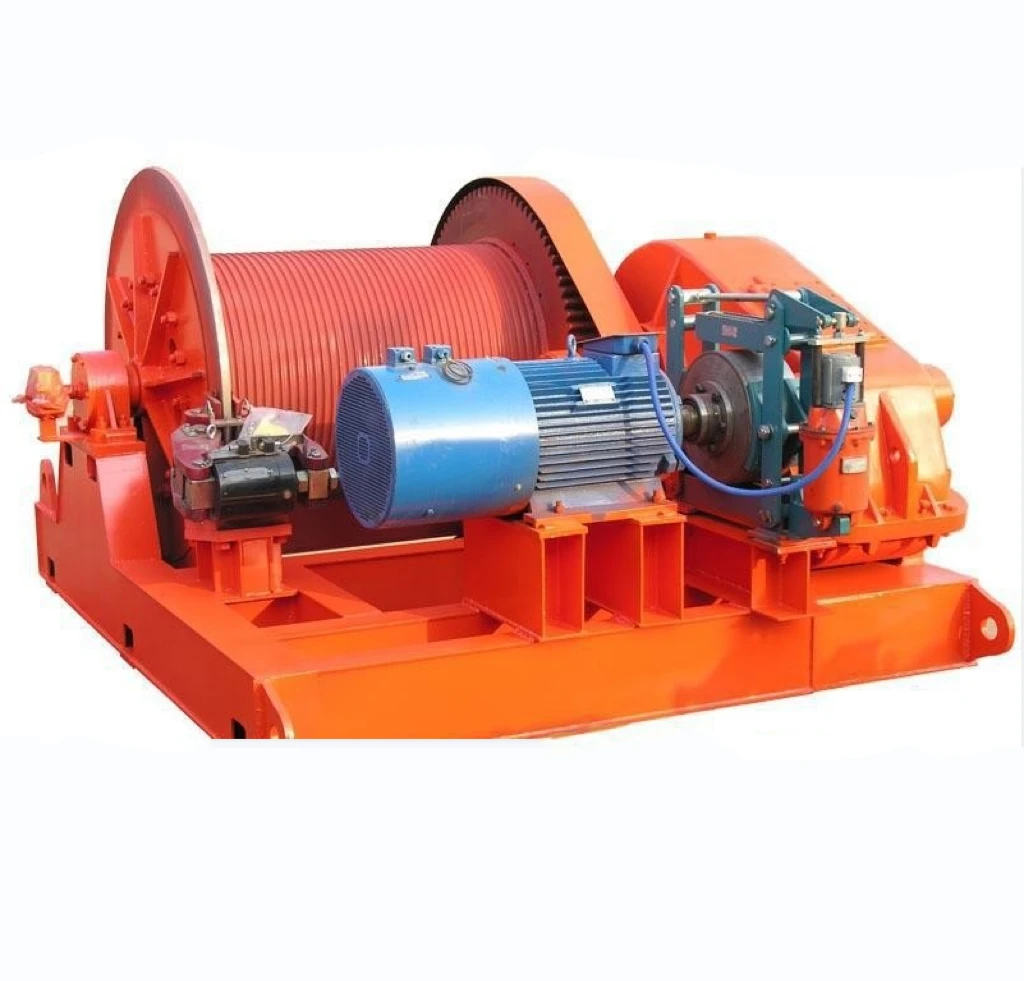
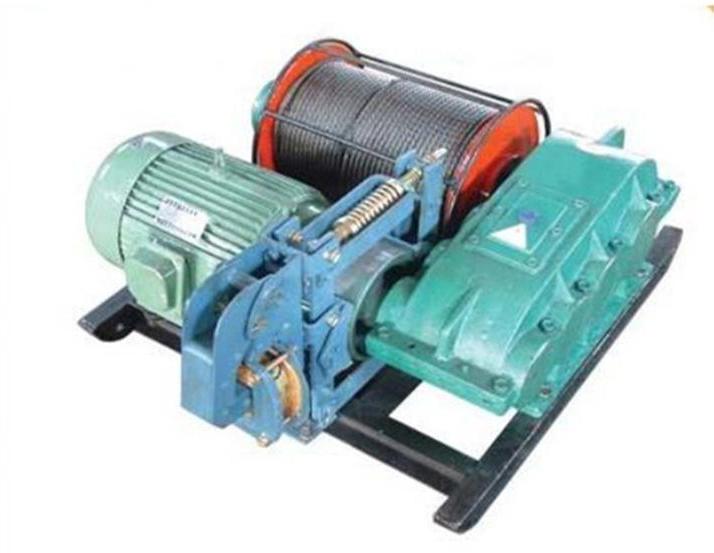
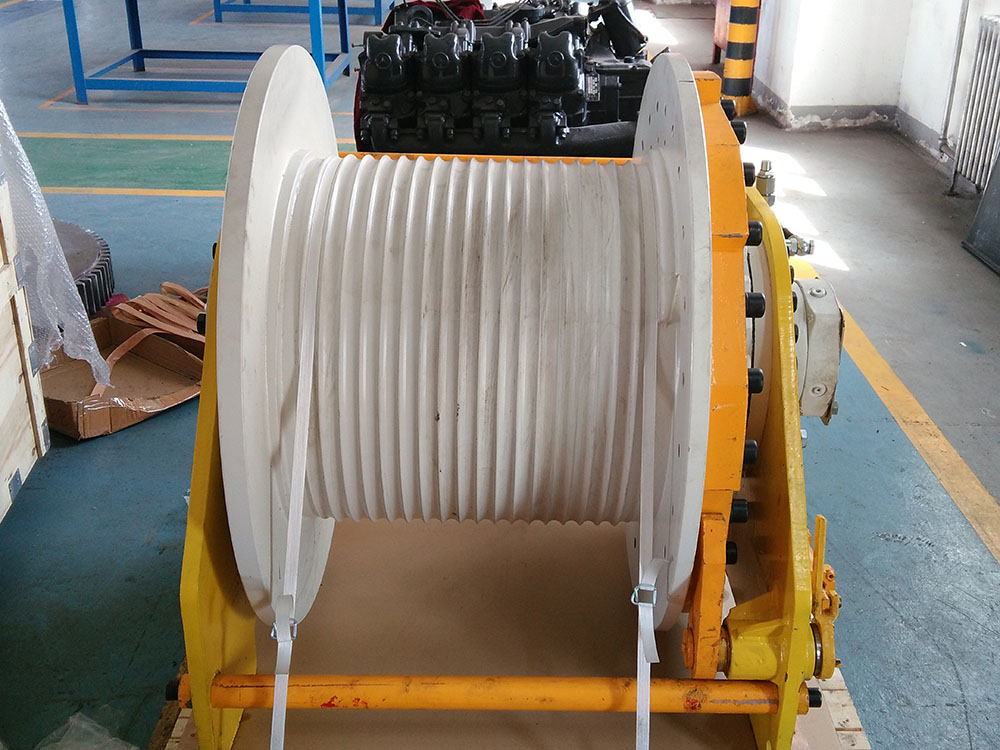
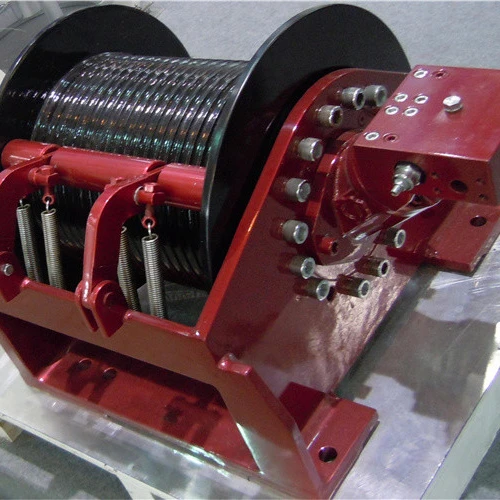
At its core, a 10000 lb hydraulic winch is a mechanical device powered by hydraulic fluid pressure to wind, pull, or lift objects up to approximately 10,000 pounds (about 4,536 kilograms). Unlike electric winches, it doesn’t rely on electricity but hydraulic motors connected to a pump, often driven by a vehicle’s engine or a hydraulic power unit.
This design provides immense pulling power with smooth control and high durability. Because hydraulic systems handle heat better and resist wear from harsh conditions, this winch style is a favorite in industrial, marine, and off-road environments.
Modern industries use them extensively—from lifting bridge sections to pulling construction materials—mostly because they are compact yet mighty machines, deeply embedded in workflows requiring controlled, heavy force.
Mini Takeaway: The 10000 lb hydraulic winch is a hydraulic-driven machine designed to pull or lift heavy objects, prized for its durability and power in tough work environments.
Core Components that Make the Difference
Durability and Build Quality
Engineers often emphasize the rugged housing and corrosion-resistant parts on these winches. Material choices like hardened steel gears and sealed bearings mean fewer maintenance headaches. If you’re using a winch in wet or muddy environments, you want durability that lasts.
Hydraulic Power System
The heart of the device. Depending on the setup, hydraulic systems can deliver constant torque without overheating, which allows for heavy pulls over extended periods. Most 10000 lb models use direct drive or planetary gear drives for efficient power transfer.
Line Capacity and Drum Size
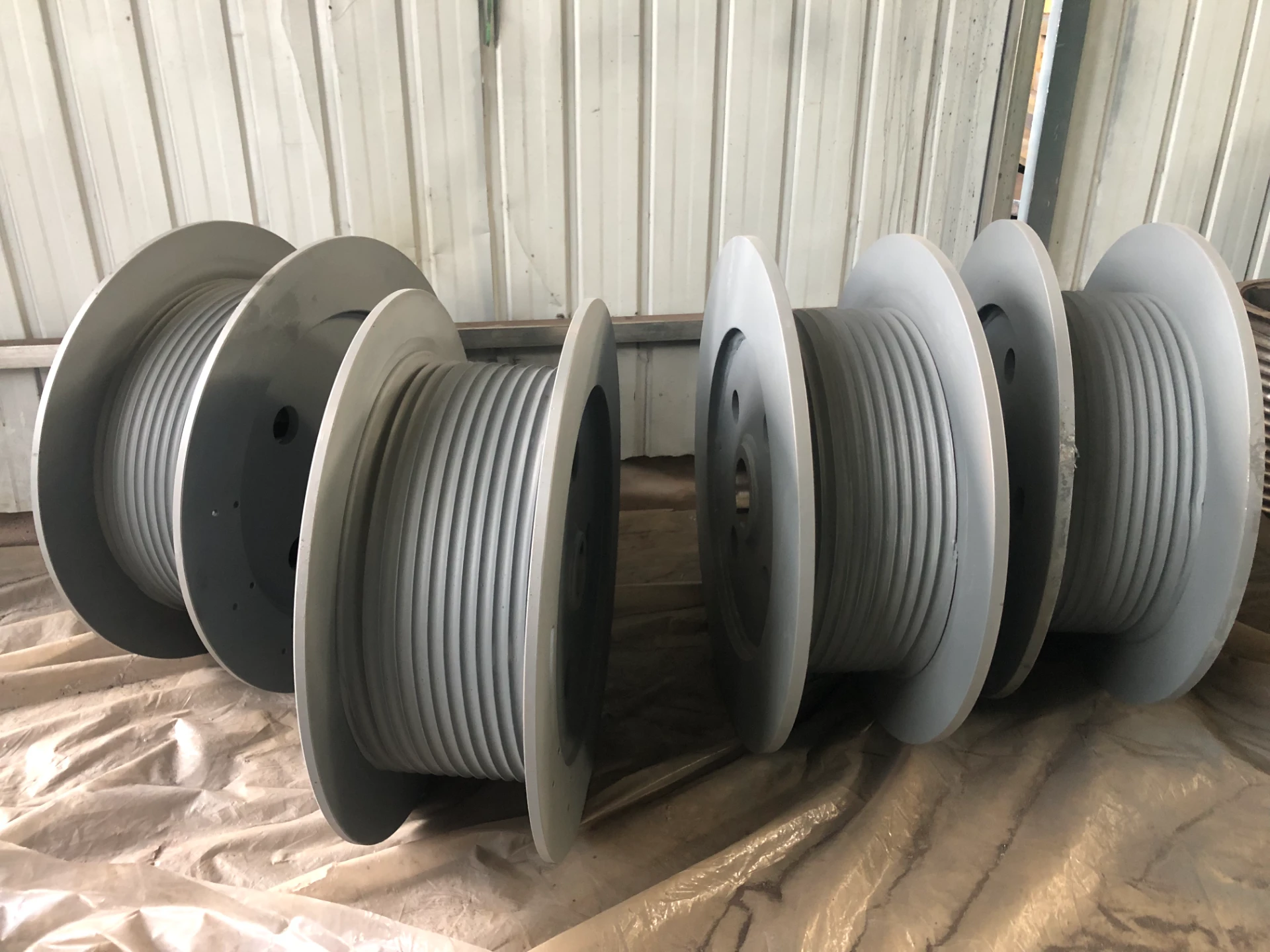
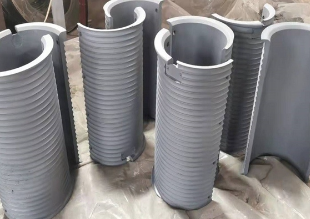
How much cable the drum can hold varies, but a typical 10000 lb hydraulic winch accommodates up to 150 feet of durable steel rope or synthetic line. The drum’s design affects spooling smoothness and overall pulling performance.
Control and Safety Features
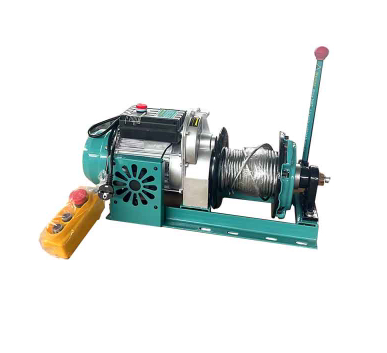
Remote controls, automatic brakes, and load-holding features prevent accidents and improve precision. Many newer models include features to protect operators and machinery alike.
Installation and Compatibility
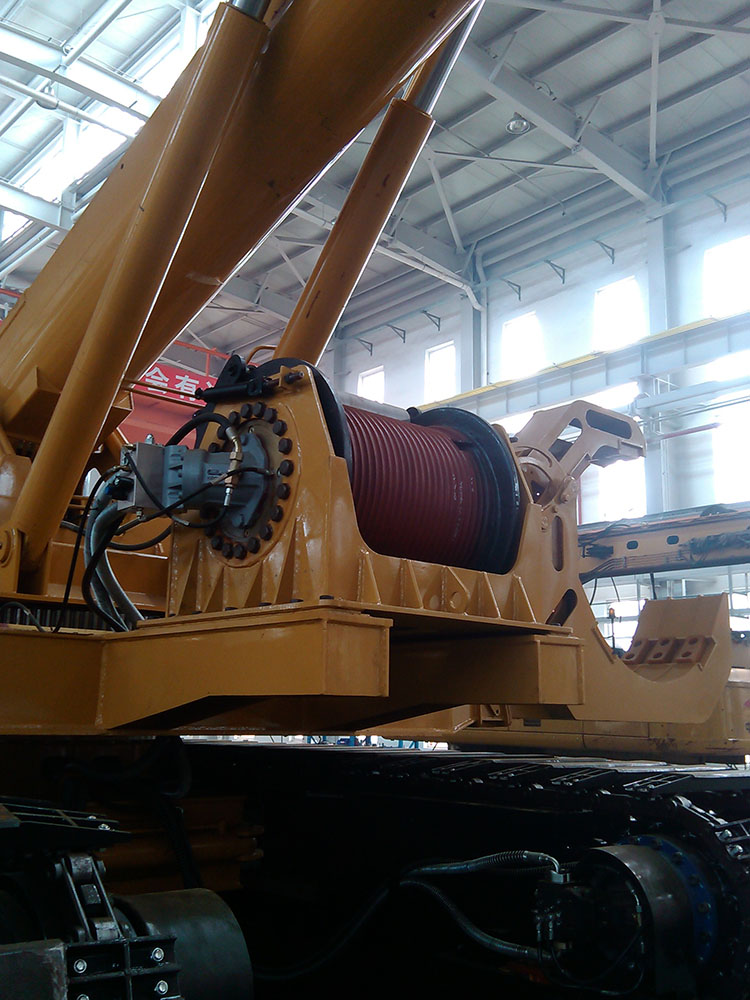
The winch must fit its intended platform, whether on a truck bed, marine vessel, or heavy machinery. Flexible mounting options and standardized hydraulic connections simplify this step.
Mini Takeaway: The magic of the 10000 lb hydraulic winch lies in robust materials, efficient hydraulic power, sufficient cable capacity, and smart safety controls.
How Industries Worldwide Use 10000 lb Hydraulic Winches
- Forestry: Pulling heavy logs across uneven, often muddy lands without reliance on electric power sources.
- Disaster Relief & Humanitarian Efforts: Retrieving vehicles from debris, clearing downed trees, or repositioning heavy equipment fast and safely.
- Marine Industry: Anchoring, mooring, or hauling heavy nets where precision under load is critical.
- Construction & Mining: Positioning materials or removing obstructions in challenging conditions.
- Oil and Gas: Elevating loads on offshore rigs or repairing pipelines under harsh environments.
An example: after recent hurricanes in the Gulf Coast, many relief teams deployed mobile units fitted with 10000 lb hydraulic winches to clear roads quickly. The winch’s ability to pull heavy debris without pause accelerated recovery dramatically.
Mini Takeaway: The 10000 lb hydraulic winch serves diverse sectors globally, offering vital support in some of the toughest workplaces.
Advantages & Long-Term Benefits
Choosing a 10000 lb hydraulic winch isn’t just about raw pulling power; it’s an investment in:
- Operational Reliability: Runs in extreme temperatures and conditions with minimal failure risk.
- Cost Efficiency: Less downtime means better productivity and less expensive repairs compared to electric alternatives.
- Safety & Control: Smooth, precise load handling reduces workplace accidents and equipment damage.
- Sustainable Operation: Hydraulically powered winches often outperform diesel engines at similar tasks with less fuel consumption.
- Trust & Confidence: Workers tend to feel safer using a winch they know won’t suddenly fail under stress.
In the long run, these benefits translate into not just financial savings but stronger, safer work cultures that drive innovation forward.
Specification Table: Typical Features of a 10000 lb Hydraulic Winch
| Specification | Details |
|---|---|
| Rated Pulling Capacity | 10,000 lbs (4,536 kg) |
| Line Speed (Under Load) | 10-20 feet per minute |
| Line Capacity | Up to 150 ft of 7/16" steel cable or synthetic rope |
| Gear System | Planetary or spur gears, sealed |
| Weight | Approx. 80-120 lbs (36-54 kg) |
| Control Type | Remote wired or wireless options |
Vendor Comparison: Top 3 10000 lb Hydraulic Winch Suppliers
| Vendor | Price Range | Notable Features | Warranty |
|---|---|---|---|
| LBS Winch Co. | $1,200 - $1,500 | High corrosion resistance, wireless control | 2 years |
| HydraPull Systems | $1,000 - $1,400 | Heavy-duty gears, customizable drum sizes | 1.5 years |
| TorqueMasters | $1,300 - $1,600 | Integrated load-holding brake, sleek design | 2 years |
Looking Ahead: Innovations in 10000 lb Hydraulic Winch Technology
The future of these winches feels exciting. Engineers are exploring greener hydraulic oils and systems that reduce leaks and increase efficiency, aligning with global sustainability goals like those laid out by the UN (Sustainable Development Goals).
Digital integration, including IoT-based condition monitoring and remote diagnostics, is on the rise. Imagine a winch that can self-report wear, tell you when it needs servicing, or alert operators to unsafe load levels—that’s just around the corner.
Also, material science advancements are pushing drum and housing designs toward lighter composites that still withstand extreme conditions, making these winches easier to install and maintain.
Mini Takeaway: Expect smarter, greener, and even more reliable hydraulic winches very soon.
Challenges & Practical Solutions
Despite all the praise, hydraulic winches aren’t perfect. There’s the ever-present risk of fluid leaks, a need for clean hydraulic fluid to prevent system damage, and occasionally, compatibility hiccups when fitting older vehicles. That said, routine maintenance, choosing quality-grade fluids, and working with experienced vendors minimize these issues considerably.
Additionally, operators should be trained properly. Even the best 10000 lb hydraulic winch can pose hazards if used incorrectly. Many manufacturers now provide detailed training resources or even virtual demos to help operators avoid common pitfalls.
FAQ: Your Top Questions About 10000 lb Hydraulic Winches
- Q: Can a 10000 lb hydraulic winch be mounted on any vehicle?
- A: Not exactly. While these winches are designed to be versatile, the mounting depends on hydraulic system compatibility and space. Trucks, heavy equipment, or specialized trailers commonly accept them, but an expert assessment is recommended before buying.
- Q: How often should I maintain my hydraulic winch?
- Routine maintenance, such as inspecting hydraulic fluid levels and replacing worn cables, should be done monthly under heavy use. A thorough check annually, including gear lubrication and brake inspection, keeps things running smoothly.
- Q: Is a 10000 lb hydraulic winch safer than electric alternatives?
- Safety depends on operation and environment, but hydraulic winches generally offer better heat management and smoother power delivery, reducing mechanical strain and minimizing fire risks in harsh conditions.
- Q: Can I use synthetic ropes instead of steel cables?
- Yes, synthetic ropes are increasingly popular for their lighter weight and safety benefits (less recoil if they break). However, they require proper handling and storage to maintain longevity.
- Q: Where can I find genuine replacement parts?
- Always source parts from your winch’s original manufacturer or authorized dealers to ensure quality and compatibility. Many suppliers, including LBS Winch Co., offer spare parts with warranty coverage.
Wrapping Up: Why the 10000 lb Hydraulic Winch is a Solid Choice
If you’re serious about heavy-duty pulling tasks, the 10000 lb hydraulic winch stands out for durability, versatility, and long-term value. Strong safety features and growing advancements mean it’s more than a tool; it’s a trusted partner in industrial and humanitarian missions alike.
For reliable winching solutions with proven industry credentials, visit LBS Winch and explore their wide range of 10000 lb hydraulic winches designed to get your operation moving — literally.
Many operators tell me that, once you’ve run hydraulic power through a winch this size, you’ll never really want to go back to electric — it just feels right for the work.
References
-
The Ultimate Guide to Gear Steels for Durability and PerformanceNewsApr.16,2026
-
High Performance Gear Stainless Steel for Industrial DurabilityNewsApr.09,2026
-
Comprehensive Guide to Steel Bevel Gears Applications and SelectionNewsApr.07,2026
-
Comprehensive Guide to Durable Stainless Steel Miter Gears and ApplicationsNewsApr.04,2026
-
Comprehensive Guide to Steel Spur Gears Functionality and ApplicationsNewsMar.31,2026
-
Comprehensive Guide to Durable Stainless Steel Spur Gears and Their ApplicationsNewsMar.28,2026