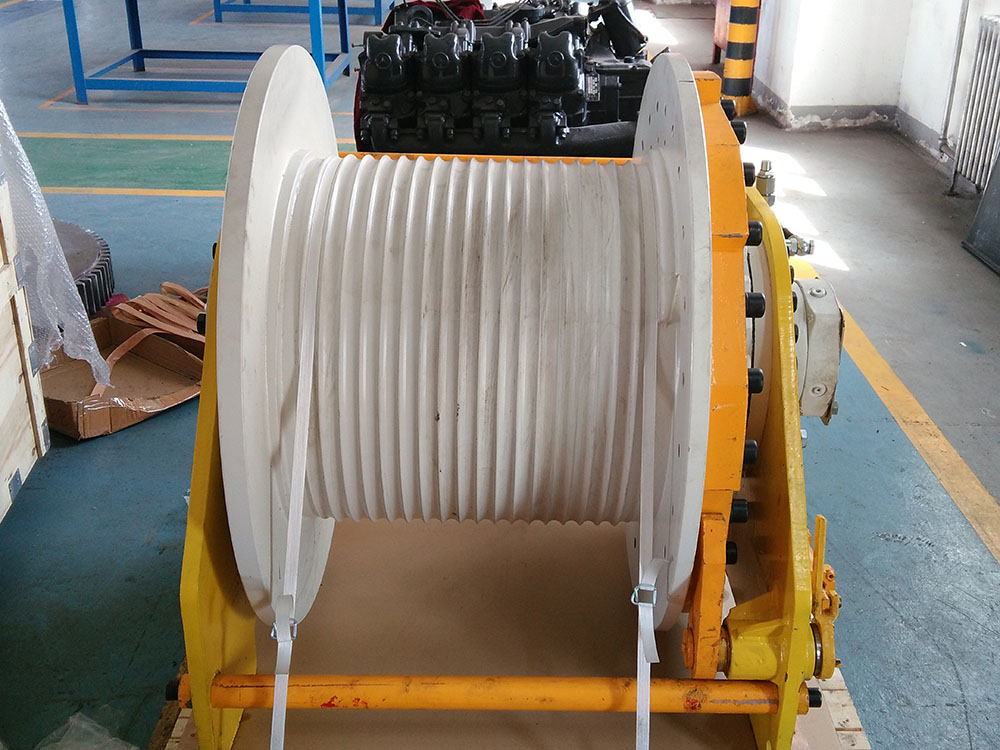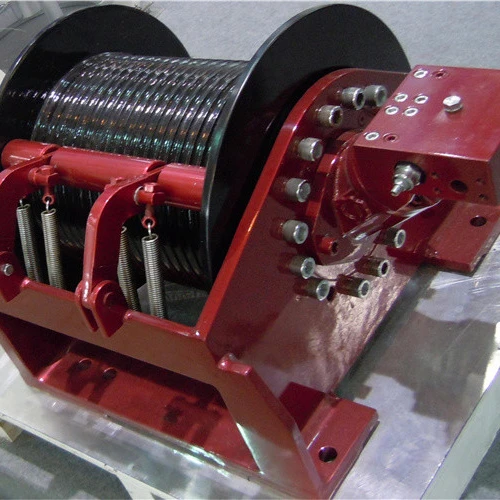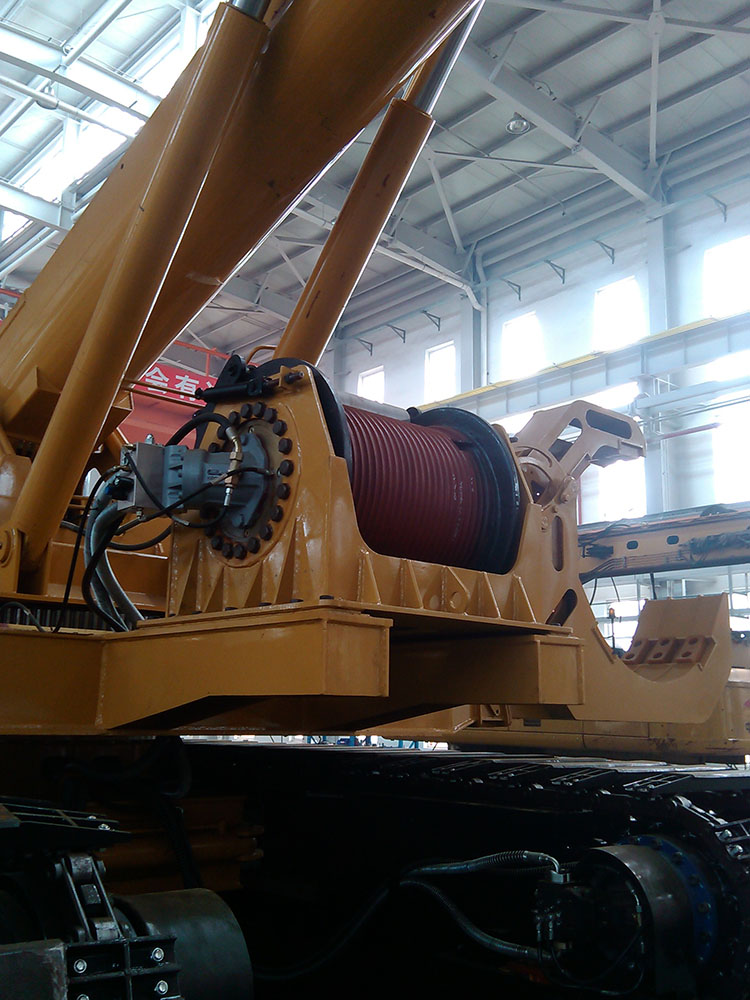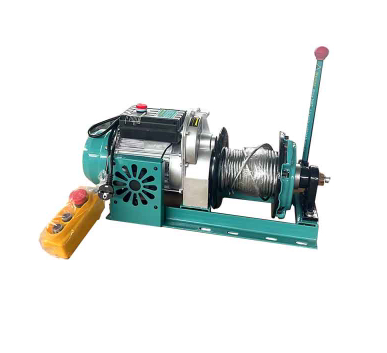
Powerful and Reliable 20k Hydraulic Winch Solutions for Heavy-Duty Industries
What Is a 20k Hydraulic Winch and Why Does It Matter in Today’s World?
Ever wonder how huge loads get moved so efficiently — whether in construction, shipping, or rescue operations? That’s where a 20k hydraulic winch comes into play. At its core, it’s a robust piece of machinery designed to pull or lift loads weighing up to 20,000 pounds (roughly 9,000 kilograms). But beyond the numbers, the significance is global.
Given increasing infrastructure projects, disaster recovery efforts, and expansions into remote work zones, having reliable, powerful equipment like a 20,000-pound capacity hydraulic winch is crucial. It’s not just about brute strength; it’s about safety, speed, and efficiency — especially when every second counts on the jobsite or during emergency relief.
Mini takeaway: Understanding this tool means appreciating how modern industries keep things moving, even under the heaviest demands.
The Global Pulse: Why a 20k Hydraulic Winch is Imperative Today
To put things in perspective, according to the World Bank, global infrastructure investment has been on a steady rise, with developing nations focusing heavily on transportation and energy projects. These projects require safe, reliable hauling and lifting solutions. Meanwhile, the United Nations reports increasing humanitarian crises worldwide, where rapid deployment of resources often hinges on equipment able to work flawlessly in challenging conditions.
Traditional manual winches just don’t cut it anymore. The challenge? Heavy lifting with minimal human risk and downtime. This is exactly where hydraulic winches — and particularly models with a 20,000-pound pulling capacity — answer a pressing need. Plus, hydraulic systems are known for their fine control and durability, critical in complex scenarios where precision equals safety.
Mini takeaway: The 20k hydraulic winch stands at the crossroads of heavy industry and humanitarian aid — a true workhorse for tough times.
Breaking It Down: What Exactly Is a 20k Hydraulic Winch?
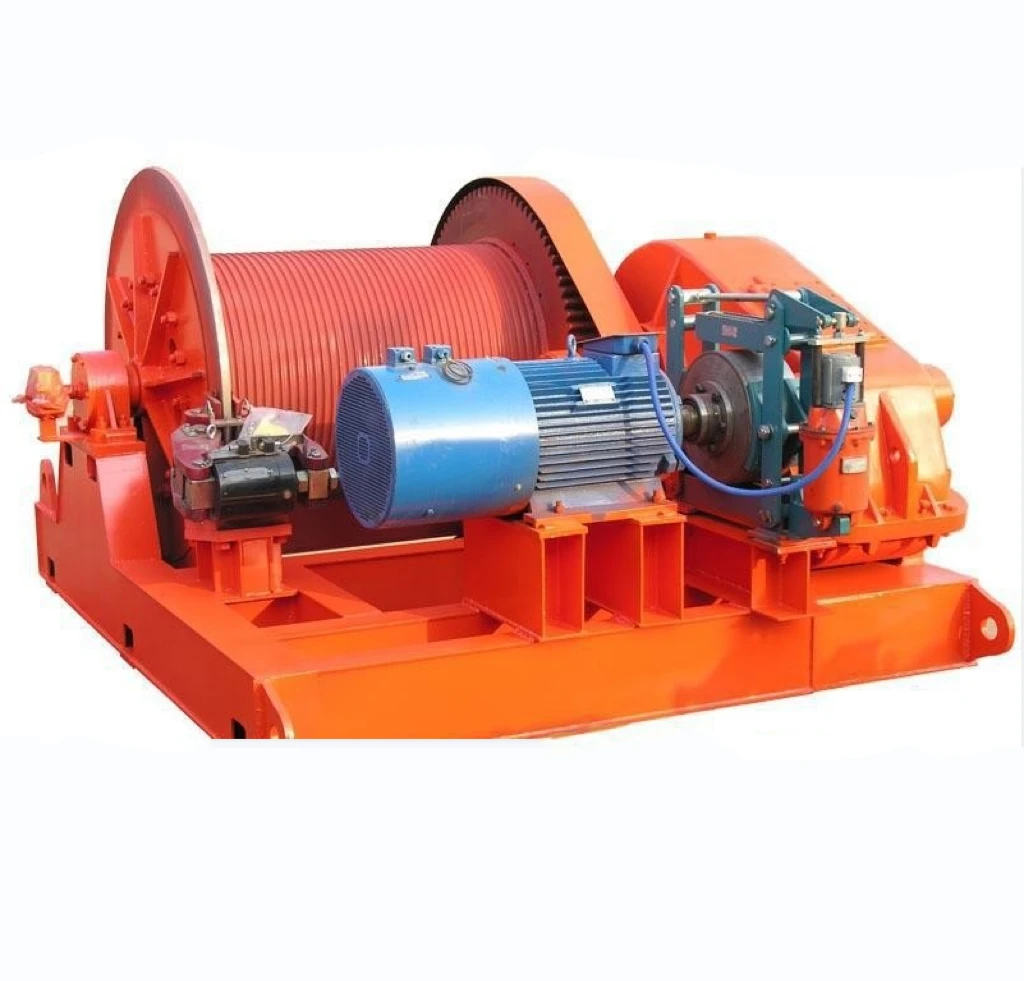
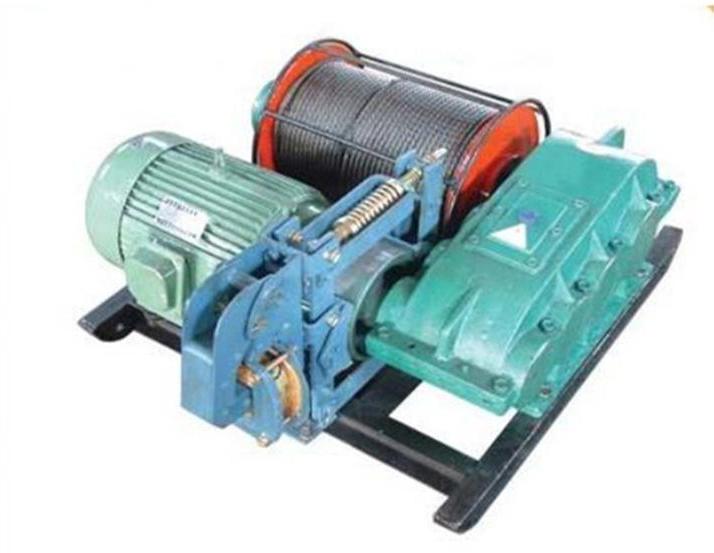
In simple terms, a 20k hydraulic winch is a heavy-duty winching system powered by hydraulic fluid pressure, capable of exerting a pulling force close to 20,000 pounds. Unlike electric or manual winches, hydraulic types are prized for their consistent power delivery and ability to operate reliably in harsh environments.
This tool is especially important in industries dealing with heavy materials — think construction cranes, oil rigs, forestry trucks, and even large-scale rescue vehicles. In humanitarian contexts, they speed up the deployment of critical supplies by hauling massive loads quickly and safely.
Key Components That Make a 20k Hydraulic Winch Tick
Durability and Construction
Most models feature heavy-gauge steel frames paired with corrosion-resistant coatings. This ensures they don’t give up when faced with mud, saltwater, or extreme weather. This resilience means fewer replacements and downtime.
Scalability and Mounting Options
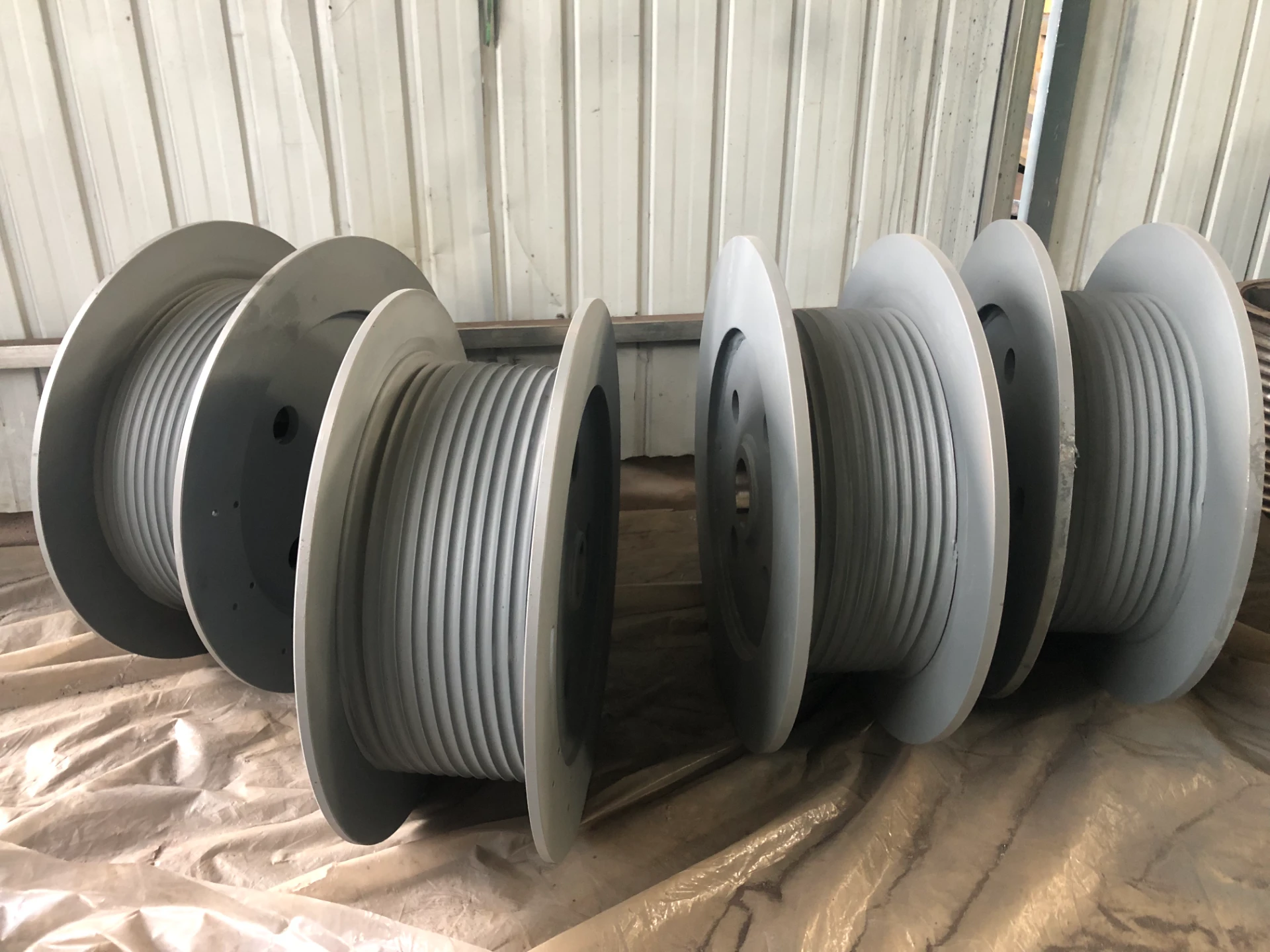
Whether mounted on a truck, trailer, or fixed platform — a 20k hydraulic winch’s adaptability is a game changer. Variable drum sizes and optional gear ratios allow tweaks based on specific project requirements, making it versatile.
Power Source and Control
Hydraulic systems draw power from pumps driven off main engines or separate sources. Operators appreciate the fine control over speed and torque — vital when moving fragile loads or working in tight spots.
Safety Features
Many units come with load-holding brakes, automatic overload protection, and remote control capabilities — less strain on workers and more reliable performance.
Maintenance and Serviceability
Though robust, these winches still need periodic servicing. Easy access to seals, valves, and bearings reduces downtime, which in the long run saves money.
Mini takeaway: These components cruciate the balance between brute strength and fine control, all wrapped in a rugged design.
How and Where Are 20k Hydraulic Winches Used Across the Globe?
The real strength of a 20k hydraulic winch shows when put to work. Let’s glance at a few illustrative use cases:
- Post-disaster relief operations: In hurricane or earthquake zones, these winches help clear debris, move heavy shelter components, or pull vehicles out of mud without sparking fires or relying on unreliable electricity supplies.
- Remote mining and forestry operations: In Canada’s northern forests or Australia’s outback, hydraulic winches haul felled logs or position large equipment with limited infrastructure support.
- Marine and shipping industries: Dockside cranes and oil rigs rely on these winches for loading heavy cargo and positioning equipment safely amid unpredictable weather.
- Industrial construction zones: High-rise buildings and large bridges need heavy lifting. Hydraulic winches ensure efficiency with less risk.
Mini takeaway: No matter if you're delivering aid or building the next skyscraper, a 20k hydraulic winch quietly gets the job done.
Advantages and Long-Term Value of Investing in a 20k Hydraulic Winch
The value of these winches goes beyond immediate lifting power:
- Cost efficiency: Hydraulic winches generally require less energy and deliver longer service life than electric counterparts under heavy use.
- Sustainability: Longer lifecycle and lower maintenance reduce waste and resource consumption.
- Reliability and safety: Advanced safety features and consistent power reduce accidents and equipment failures.
- Emotional benefits: Knowing that a machine can handle tough loads safely adds peace of mind to demanding jobs — a trust bond that’s tough to quantify.
Mini takeaway: A 20k hydraulic winch isn’t just equipment; it’s an investment in safety, efficiency, and peace of mind.
On the Horizon: Future Trends in Hydraulic Winch Technology
Technology is moving fast. Some emerging trends I’ve noticed include:
- Integration with smart sensors: Real-time load monitoring and predictive maintenance could minimize breakdowns.
- Green hydraulics: Using biodegradable fluids and more energy-efficient pumps helps reduce environmental impact.
- Automation & remote operation: Especially crucial for hazardous zones, letting operators manage winches from safe distances.
- New materials: Carbon-fiber drums or lighter alloy frames improve portability without sacrificing strength.
Mini takeaway: The future looks like smaller, smarter, and greener winches with all the muscle needed for heavy lifting.
Common Challenges and How Experts Tackle Them
Even the best tech has bumps. Challenges with 20k hydraulic winches often boil down to:
- Hydraulic leaks and maintenance demands: But better seal technology and modular parts are making service easier.
- Training operators: It’s not as simple as flipping a switch. Some companies now incorporate VR and simulation training to upskill workers safely.
- Cost barriers: Upfront prices are significant. Leasing and financing programs help spread costs.
- Environmental hazards: Units need designs that survive extreme cold or salty air — demanding specific coatings and testing protocols.
Mini takeaway: Smart design and human-centered training are key to overcoming these hurdles.
Quick FAQs About 20k Hydraulic Winches
- How do I know if a 20k hydraulic winch suits my project?
- Assess your maximum load, duty cycle, and environment. If you consistently move heavy loads or require reliable control under harsh conditions, a 20k hydraulic winch likely fits well.
- What maintenance is typically needed?
- Regular checks on hydraulic fluid levels, filter replacement, brake inspection, and lubrication of moving parts help maintain performance and prolong life.
- Can these winches be used in offshore applications?
- Yes, if they have appropriate corrosion-resistant materials and certifications. Many marine-grade 20k hydraulic winches are designed for saltwater exposure.
- Are remote and wireless controls available?
- Many manufacturers offer remote control options, enhancing operator safety and precision, especially in hazardous environments.
- How does a 20k hydraulic winch compare to an electric winch?
- Hydraulic winches generally offer smoother control, better durability in tough environments, and stronger pulling power per size, though electric models might be simpler for lighter jobs.
Reliable Technical Specs at a Glance
| Specification | Description |
|---|---|
| Max Pulling Capacity | 20,000 lbs (9,072 kg) |
| Drum Diameter | 14–18 inches (varies by model) |
| Line Speed | 5–20 feet per minute (adjustable) |
| Power Supply | Hydraulic pump (powered via vehicle engine or external source) |
| Weight | 600–850 lbs |
| Control Options | Manual lever, wired remote, wireless remote |
Picking the Right Vendor: A Practical Comparison
| Vendor | Max Capacity | Warranty | Special Features | Price Range |
|---|---|---|---|---|
| LBS Winch | 20,000 lbs | 2 years | Wireless remote, corrosion-resistant coating | $8,000–$12,000 |
| HydroPull Inc. | 25,000 lbs | 3 years | Integrated load sensor, low maintenance valves | $10,000–$14,000 |
| PowerHaul Ltd. | 20,000 lbs | 1 year | Compact design, easy service access | $7,500–$11,000 |
Conclusion: Why the 20k Hydraulic Winch Is Still the Unsung Hero
So, after all that heavy lifting talk, it’s clear a 20k hydraulic winch is more than just a machine: it’s a crucial backbone for a range of industries globally. Whether hoisting materials for a towering bridge or hastening emergency relief, its combination of power, durability, and precision can’t be overstated.
For anyone seriously looking to improve operations with reliable, proven tools, it’s worth checking out specialized vendors like 20k hydraulic winch providers who understand the nuances of the job. Better equipment means smoother projects and often, safer workers. And at the end of the day, that’s what counts the most.
Let’s keep the world moving—one load at a time.
References:
-
The Ultimate Guide to Gear Steels for Durability and PerformanceNewsApr.16,2026
-
High Performance Gear Stainless Steel for Industrial DurabilityNewsApr.09,2026
-
Comprehensive Guide to Steel Bevel Gears Applications and SelectionNewsApr.07,2026
-
Comprehensive Guide to Durable Stainless Steel Miter Gears and ApplicationsNewsApr.04,2026
-
Comprehensive Guide to Steel Spur Gears Functionality and ApplicationsNewsMar.31,2026
-
Comprehensive Guide to Durable Stainless Steel Spur Gears and Their ApplicationsNewsMar.28,2026