Hydraulic Winch Supplier – Durable, Efficient, and Customized Lifting Solutions
Hydraulic Winch Supplier: Why It Matters Globally
Across the globe, industries that rely on heavy lifting and material handling face daily challenges — whether moving cargo on ships, hauling heavy equipment in construction, or managing tension in offshore oil rigs. At the center of these operations often lies a simple but mighty tool: the hydraulic winch.
For anyone involved in logistics, marine, or industrial sectors, understanding the significance of a hydraulic winch supplier is key to ensuring reliability, efficiency, and safety. It's not just about getting the heaviest load shifted; it's about doing so with precision and trust. In fact, the global market for hydraulic systems, including winches, is projected to grow steadily due to increasing automation and industrialization worldwide.
Whether you’re working in a bustling port in Singapore or a remote mining site in Australia, the choice of hydraulic winch supplier can define operational success or risk downtime and accidents.
The Global Context: Why Hydraulic Winch Suppliers Are Vital
The global construction market alone is expected to reach a whopping $15 trillion by 2030, with infrastructure projects driving demand for heavy-duty equipment. Within this sphere, hydraulic winches play a crucial role by offering dependable pulling force in harsh environments.
According to the International Organization for Standardization (ISO), adherence to strict quality and safety standards for hydraulic equipment isn’t just a checkbox; it’s a necessity driven by worker safety and environmental concerns.
Yet, challenges remain. Many industries still grapple with inconsistent equipment quality and delays in supply chain logistics — particularly in post-disaster regions or rapidly developing economies where swift deployment of infrastructure is a must.
So the question is: how does the right hydraulic winch supplier navigate these complexities and deliver value?
What Exactly Is a Hydraulic Winch Supplier?
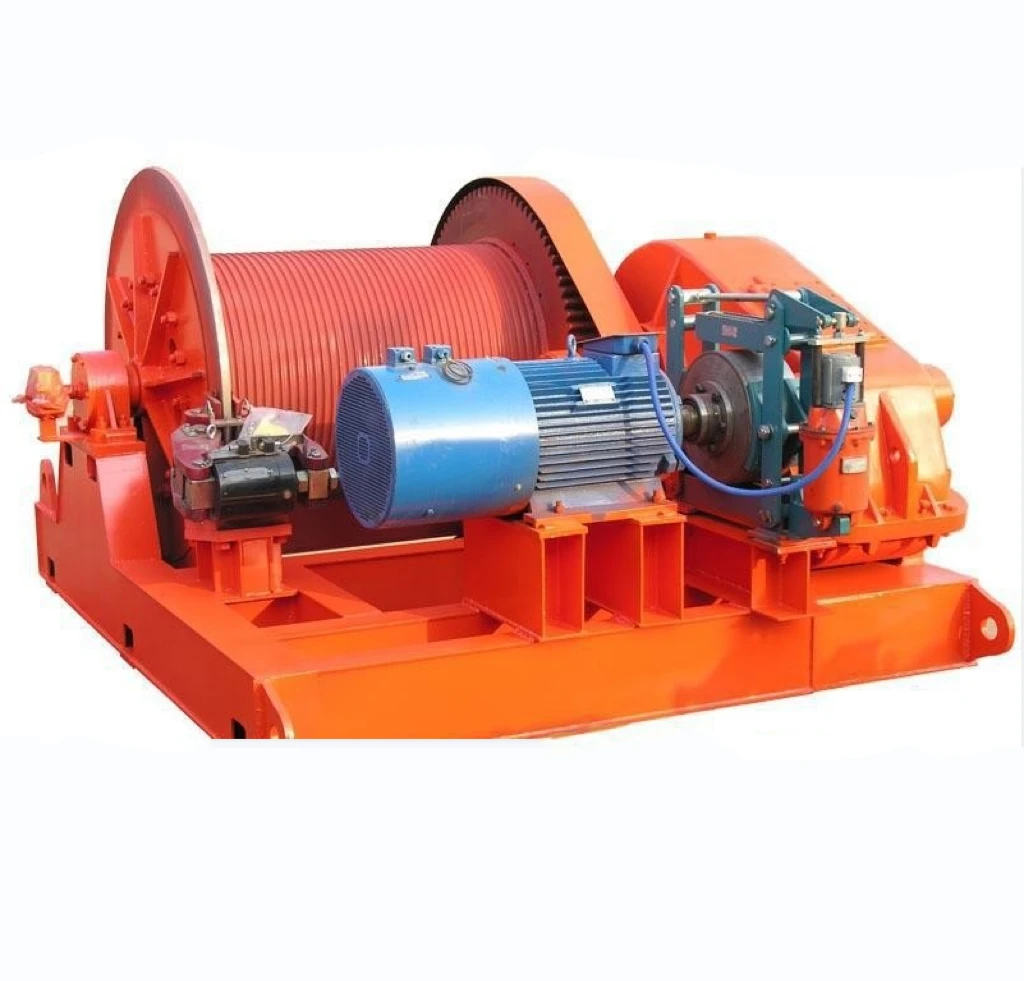
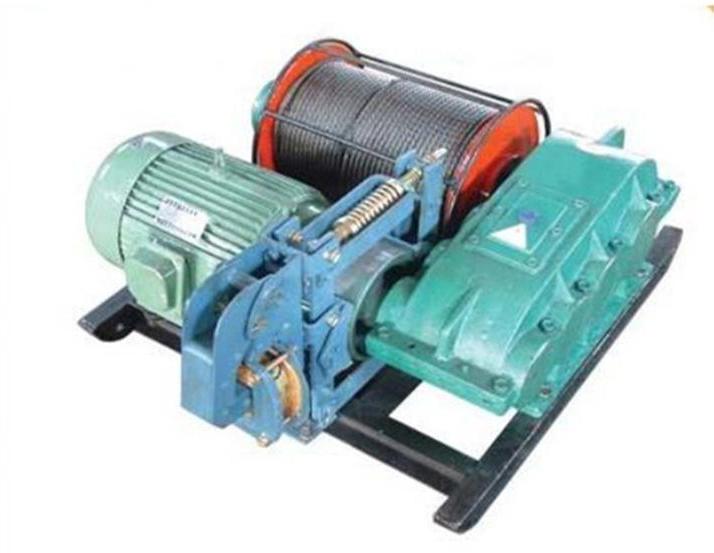
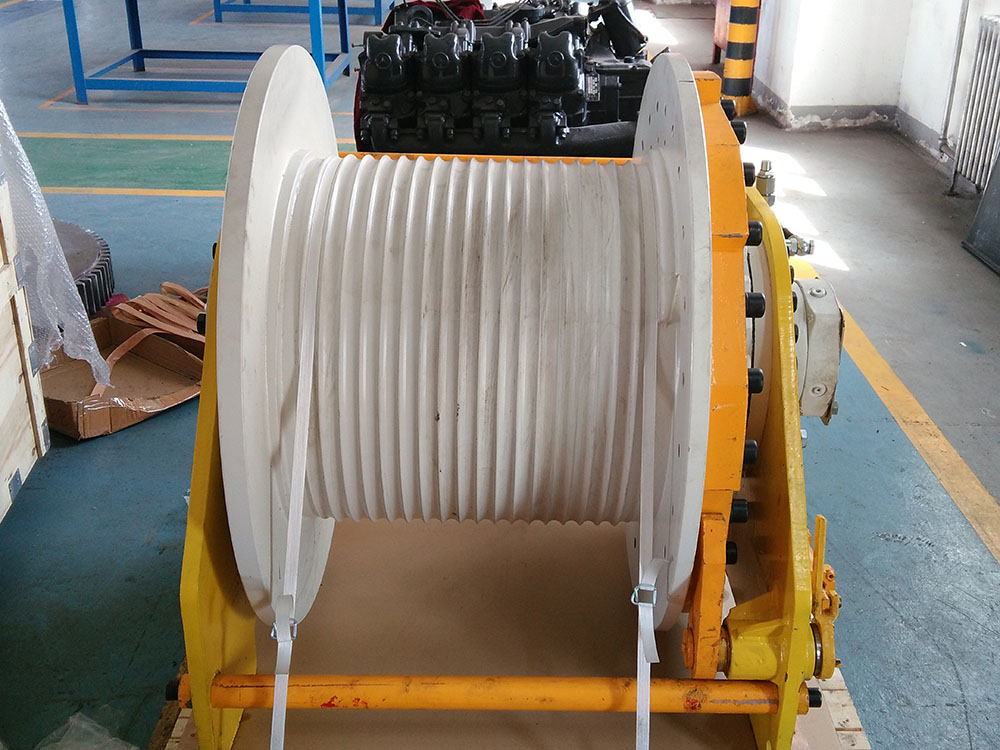
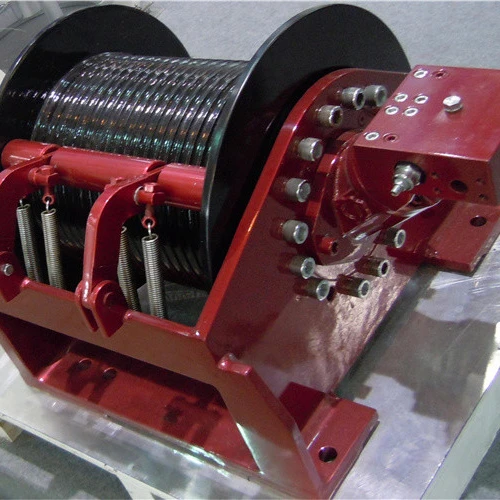
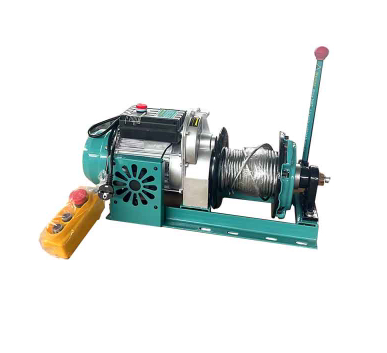
Simply put, a hydraulic winch supplier is a company or vendor specializing in designing, manufacturing, and distributing winches powered by hydraulic fluid pressure. Unlike electric or mechanical winches, hydraulic versions are prized for their durability, high torque, and suitability for continuous heavy-duty operations.
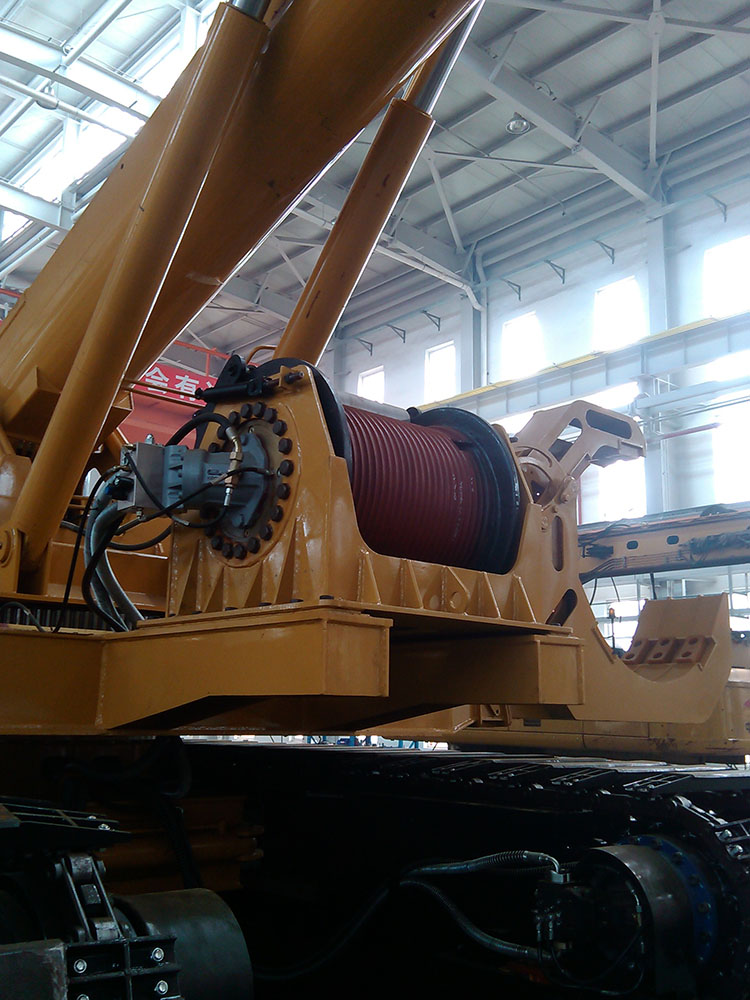
They underpin everything from maritime anchor retrieval systems to industrial draglines and emergency rescue operations. Plus, their adaptability to different power sources (pump driven or motor driven) allows them to fit seamlessly into larger hydraulic systems — which is why they’re essential for modern mechanized workplaces.
Core Components and Key Factors to Consider
Durability and Build Quality
Hydraulic winches endure tough environments. From salty sea air to gritty construction sites, their builds must be corrosion-resistant, often using stainless steel or powder-coated materials. A reputable supplier invests in top-grade materials and rigorous testing.
Power and Scalability
Winch power is measured in line pull (tensile strength) and line speed. Whether you need 5,000 kg for light-duty or over 50,000 kg for massive lifting, the supplier should offer scalable solutions tailored to your project’s needs.
Cost Efficiency and Maintenance
Cost isn’t just about the purchase price. Hydraulic systems can reduce energy consumption when integrated correctly and also minimize maintenance downtime. Good suppliers support customers with replacement parts and timely servicing advice.
Customization and Compliance
Every industry has its quirks and certifications — for instance, ATEX-rated (explosion proof) models for oil and gas, or certified marine-grade winches with IMO/ SOLAS compliance. Trusted suppliers can customize products while adhering to international standards.
Mini Takeaway:
Choosing a hydraulic winch supplier isn't only about specs. Look for one combining durability, power, cost efficiency, and compliance — because every job site demands something unique.
Real-World Applications: From Harbors to Disaster Zones
Hydraulic winches aren’t niche tools used by an elite few — they’re everywhere. Major shipping hubs in Rotterdam and Shanghai depend on them for cargo handling. Mining operations in South America use them to move heavy equipment safely in rugged terrain. In humanitarian scenarios, emergency responders rely on robust hydraulic winches to clear debris or deploy temporary shelters after natural disasters.
For example, during the 2019 Cyclone Idai relief efforts in Mozambique, international aid agencies noted that multifunctional hydraulic winches dramatically sped up logistics and rescue work amid challenging conditions. It’s a testament to the practical benefits these suppliers provide beyond just mechanical lifting.
Typical Specifications of Quality Hydraulic Winches
| Specification | Description |
|---|---|
| Line Pull Capacity | 5,000 kg to 50,000+ kg, depending on model |
| Power Source | Hydraulic motor driven by fluid pressure or integrated pump |
| Maximum Line Speed | Variable; typically up to 30 m/min |
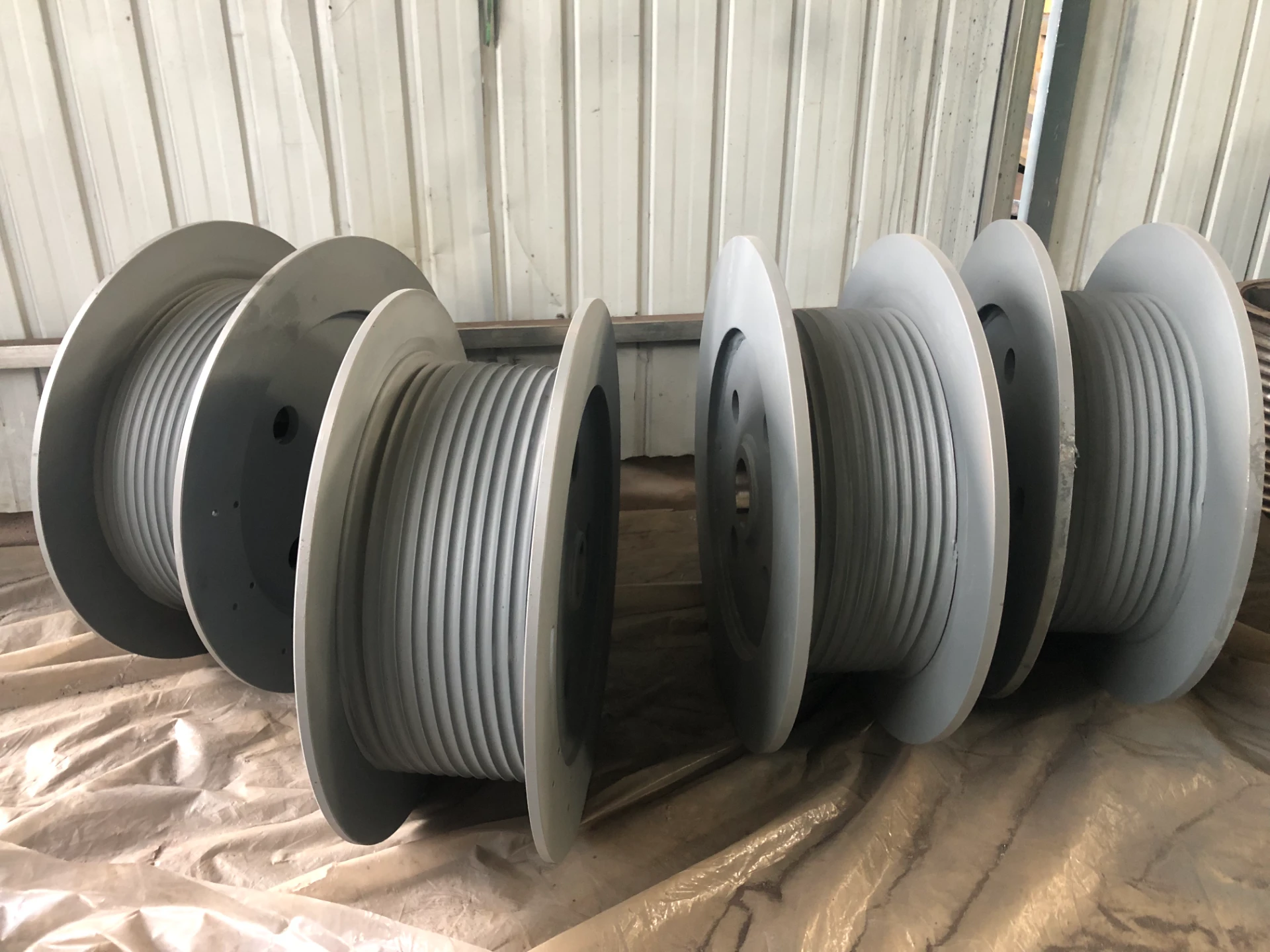
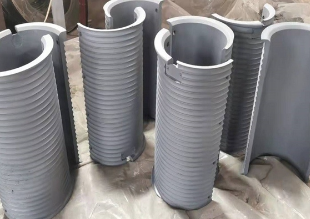
| Drum Size | Customizable for cable length and thickness |
| Material | Marine-grade steel, corrosion resistant coatings |
| Certifications | ISO 9001, ATEX (optional), ABS, DNV GL (marine) |
Vendor Comparison: What Sets Top Hydraulic Winch Suppliers Apart?
| Feature | Company A | Company B | Company C |
|---|---|---|---|
| Product Range | Light to heavy-duty winches | Specialized industrial winches only | Marine and offshore focus |
| Customization | High level, including ATEX certified | Moderate, mainly standard sizes | Limited |
| Lead Times | 4-6 weeks | 2-3 weeks | 6-8 weeks |
| Global Presence | Strong, with distributors worldwide | Mainly regional (Europe) | Offshore hubs in Asia & NA |
| Warranty & Support | 24 months, 24/7 technical support | 12 months, business hours only | 18 months, offshore-focused |
Advantages and Long-Term Value of Choosing the Right Hydraulic Winch Supplier
Picking a reliable supplier isn’t just about specs on paper. It’s about peace of mind on-site, day after day. Properly engineered hydraulic winches improve safety by reducing equipment failure risks, which, frankly, can save lives.
There’s also cost savings over time—contrary to what many assume, investing in quality components reduces repairs and unplanned downtime. When these winches integrate smoothly into your existing hydraulic systems, they help optimize energy use and decrease environmental impact.
Plus, the emotional side of this equipment shouldn’t be underestimated. Workers gain confidence and trust in their tools, knowing their equipment won’t let them down during critical lifts or rescues.
Looking Ahead: Future Innovations in Hydraulic Winch Technology
Green energy is nudging the hydraulic industry toward more sustainable solutions, such as energy recovery systems that recycle hydraulic fluid pressure. Also, digitization is a big deal; smart winches with IoT sensors allow predictive maintenance, minimizing surprises and boosting uptime.
Automation and remote controls are trending, too, especially on offshore platforms where human presence is limited for safety reasons. Imagine controlling winches via mobile apps or AI-guided systems that adjust torque in real time — it sounds futuristic, but it’s already happening.
Challenges Faced by Suppliers and How They’re Tackled
Despite technology leaps, challenges like supply chain disruptions, material costs, and meeting diverse regional regulations remain. Many suppliers mitigate these by localizing production, developing modular systems that adapt globally, and maintaining strict quality management systems per ISO 9001 standards.
Some innovative firms are also experimenting with composite materials to reduce weight without sacrificing durability— an exciting development that could reshape winch design in the near future.
FAQ: Common Questions About Hydraulic Winch Suppliers
1. What industries rely most heavily on hydraulic winches?
Marine, offshore oil & gas, construction, mining, and disaster relief sectors are primary users. Each industry demands specialized models tuned for their specific environment and workload.
2. How do I determine the right line pull capacity for my project?
Calculate the maximum load you plan to move plus a safety margin of at least 25%-50% to account for dynamic forces and unexpected stresses. Consulting with your supplier can help pinpoint the best-rated product.
3. Are hydraulic winches more cost-effective than electric alternatives?
They often offer better durability and performance in harsh conditions, which can translate to lower life-cycle costs. However, initial investment and operating environment should be factored in.
4. Can I customize a hydraulic winch to meet specific safety certifications?
Yes. Top hydraulic winch suppliers provide customization to meet certifications like ATEX, ABS, or DNV GL, depending on your industry and region.
5. How do hydraulic winch suppliers support maintenance and after-sales service?
Reliable suppliers typically offer spare parts, technical guidance, troubleshooting assistance, and sometimes even remote diagnostics to ensure your equipment stays operational.
Conclusion: Your Next Step Toward Better Material Handling
In the end, a hydraulic winch supplier is more than just a product source — it’s a partner that can help streamline your operations, improve safety standards, and bring about long-term value for your equipment investment. Whether you’re upgrading existing machinery or equipping a new site, the right choice in supplier makes all the difference.
For dependable, innovative hydraulic winches tailored to your needs, don’t hesitate to visit hydraulic winch supplier and explore their offerings.
References
-
The Ultimate Guide to Gear Steels for Durability and PerformanceNewsApr.16,2026
-
High Performance Gear Stainless Steel for Industrial DurabilityNewsApr.09,2026
-
Comprehensive Guide to Steel Bevel Gears Applications and SelectionNewsApr.07,2026
-
Comprehensive Guide to Durable Stainless Steel Miter Gears and ApplicationsNewsApr.04,2026
-
Comprehensive Guide to Steel Spur Gears Functionality and ApplicationsNewsMar.31,2026
-
Comprehensive Guide to Durable Stainless Steel Spur Gears and Their ApplicationsNewsMar.28,2026