Marine Winches Company: Innovations, Use Cases & Future Trends in Maritime Equipment
Understanding Marine Winches Company: The Backbone of Maritime Operations
If you’ve ever wondered how massive ships haul heavy anchors or how fishing trawlers manage their giant nets, the answer often leads to one vital component: marine winches. And behind this indispensable technology are specialized marine winches companies. These firms design, manufacture, and support the mechanical heart of many maritime operations worldwide.
Globally, shipping—and all its associated activities—accounts for over 80% of world trade volume (according to the UN’s International Maritime Organization). Considering such scale, the reliability of marine winches becomes more than just an engineering challenge; it’s a global economic necessity that ensures safe, efficient maritime navigation and offshore operations. These companies drive not only industry but also humanitarian and environmental missions, such as disaster relief and offshore wind farms.
Global Context: Why Marine Winches Matter
Maritime industries face increasing operational demands, whether hauling cargo, deploying offshore structures, or conducting research. Complications like rough seas and stringent environmental regulations push for innovations from marine winches companies that blend durability, safety, and sustainability.
For instance, as the world shifts toward greener maritime practices, these companies are challenged to integrate electric drives instead of traditional hydraulic systems, reducing pollution and improving efficiency. Furthermore, modern winch systems support complex offshore operations—think oil rigs or floating wind turbines—that demand extreme precision.
What Is a Marine Winches Company?
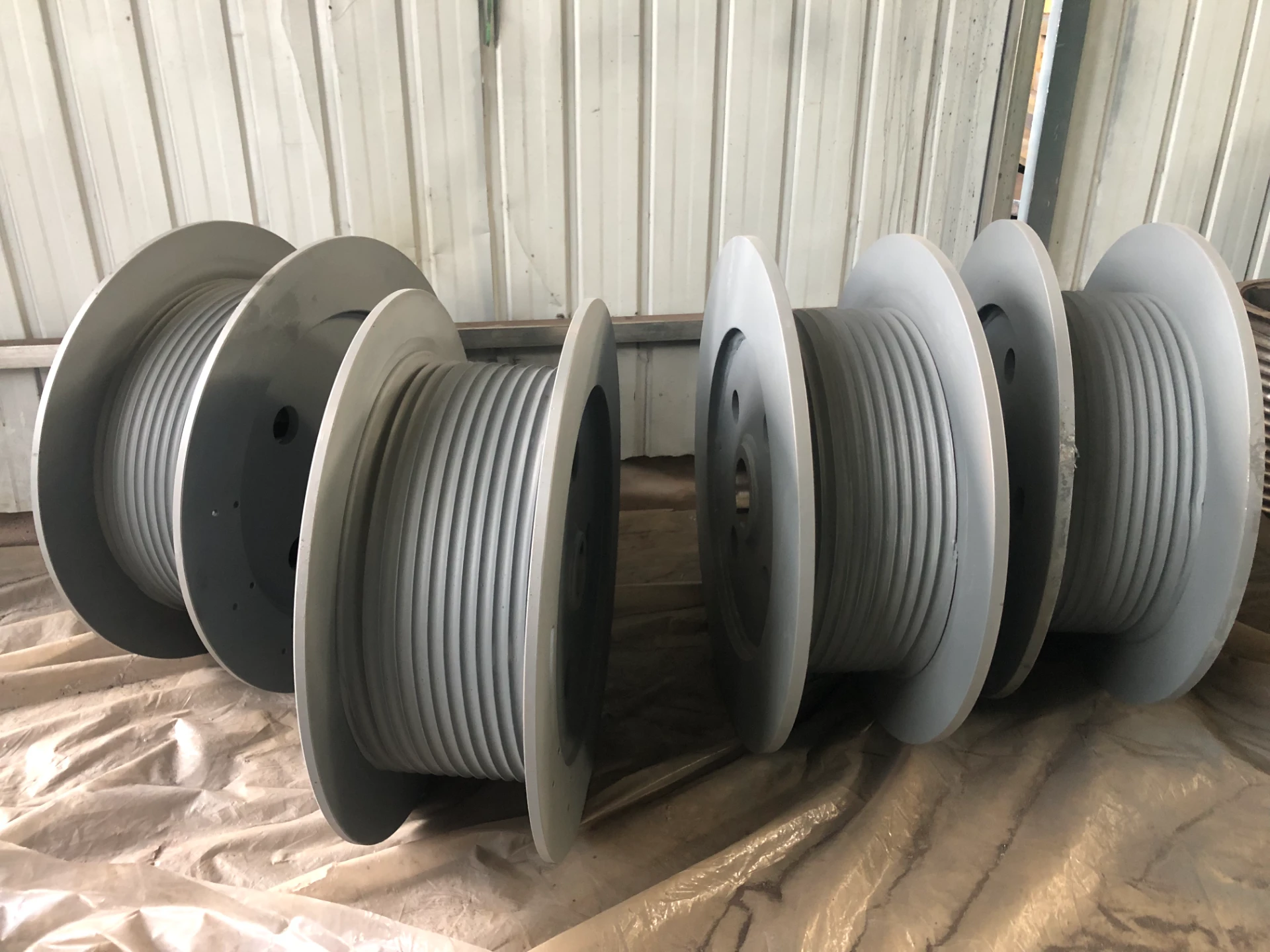
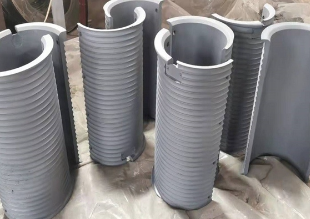
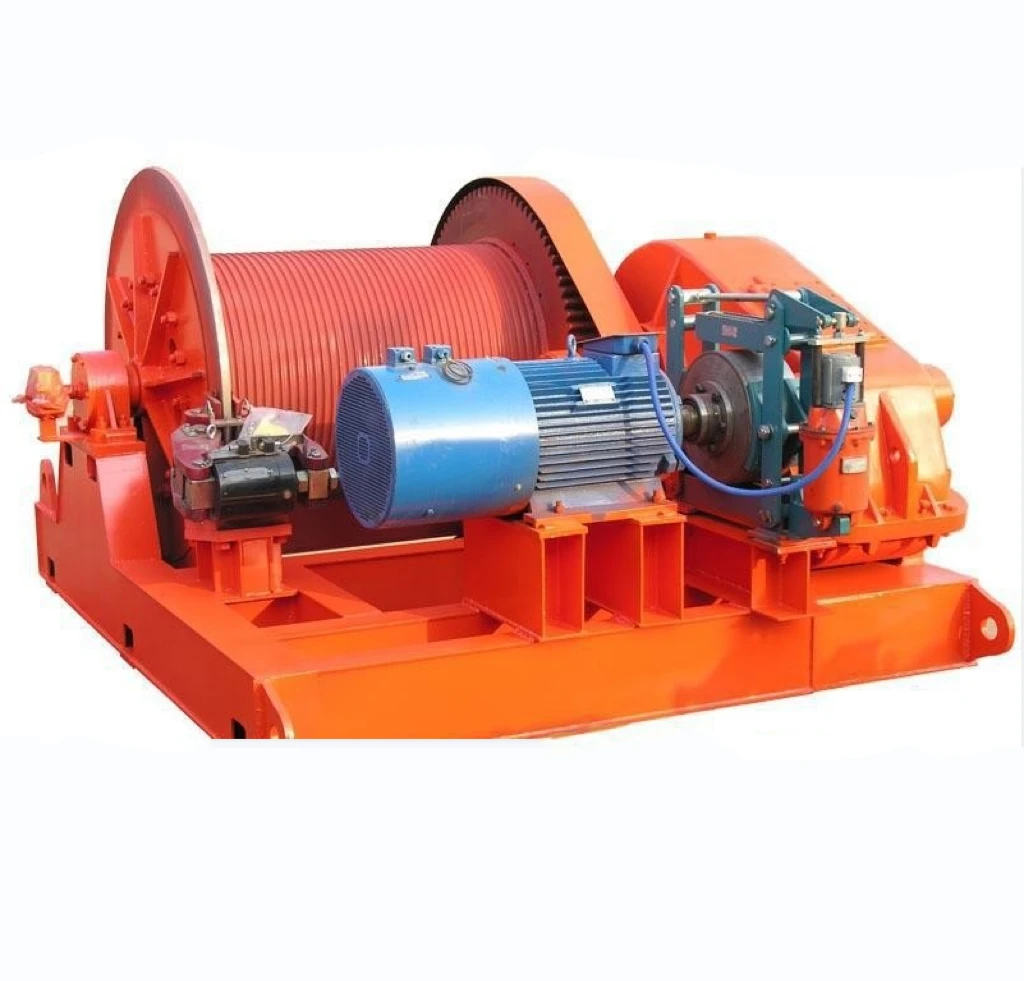
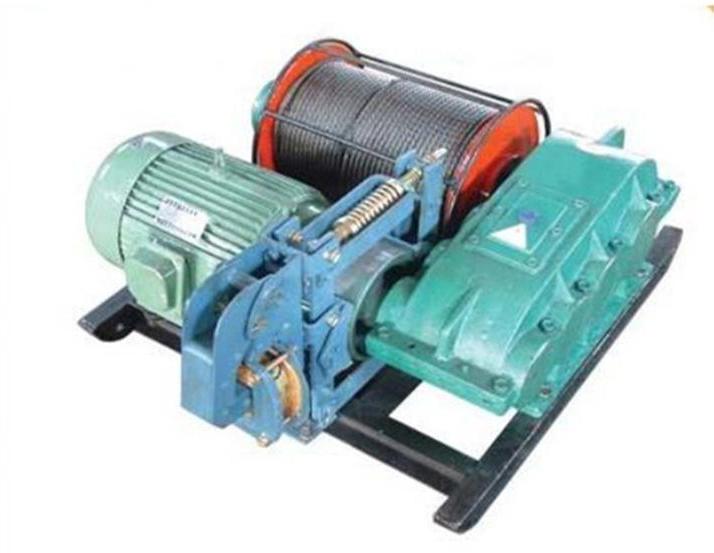
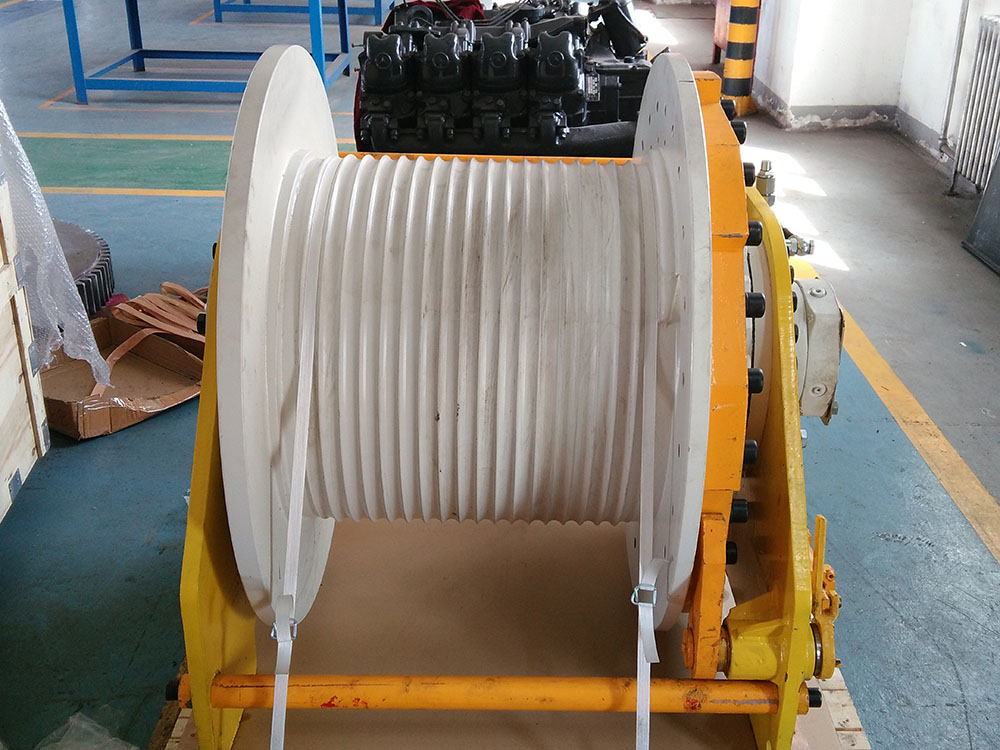
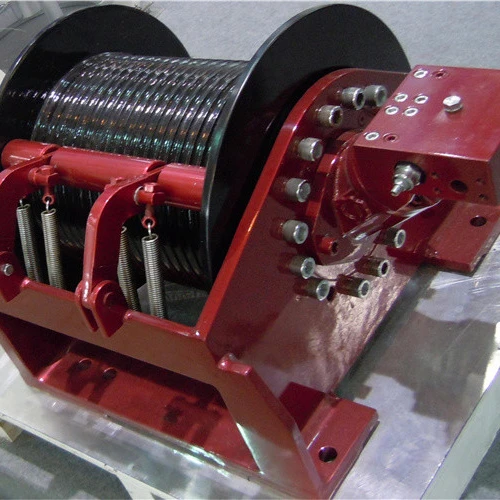
At its core, a marine winches company specializes in producing winches designed explicitly for maritime environments. These winches help pull or let out heavy ropes, cables, or chains that anchor ships, tow objects, or raise fishing nets. But these aren’t your everyday mechanical devices; marine winches face corrosive saltwater, massive loads, and unpredictable weather.
So, these companies don’t merely build winches—they engineer rugged, high-performance machines tailored to vessels of all sizes, offshore platforms, or even port facilities. Oddly enough, they’re a quiet backbone supporting worldwide shipping, fishing, and offshore energy sectors.
Key Components of Marine Winch Solutions
1. Durability and Corrosion Resistance
Marine environments are notoriously harsh—saltwater corrodes metal fast if not properly treated. A trustworthy marine winches company uses specialized stainless steel alloys or proprietary coatings that resist rust and extend service life. Engineers also apply sacrificial anodes or paints to protect vulnerable parts.
2. Power and Control Systems
Most modern winches use hydraulic or electric motors. The trend toward electric is gaining momentum due to cleaner energy demands and precise control. Control systems nowadays incorporate smart sensors, enabling operators to monitor load tensions remotely—important for safety and efficiency.
3. Scalability & Customization
From small fishing boats to massive oil rigs, marine winches companies often tailor their products to specific load requirements and vessel configurations. Custom cable lengths, braking systems, and mounting arrangements ensure the winch perfectly fits operational needs.
4. Safety Features
Overload protection, emergency brakes, and smooth start/stop mechanisms are standard. Enhancements like automatic load detection and fail-safes reduce accident risks, something every reputable company prioritizes.
Product Specification Snapshot
| Specification | Typical Range |
|---|---|
| Load Capacity | 5 to 500+ tons |
| Cable Length | 100 to 1000 meters |
| Power Source | Hydraulic, Electric, Pneumatic |
| Brake Type | Mechanical, Dynamic, Disc |
| Operation | Manual, Remote, Automated |
Global Applications and Use Cases
Marine winches companies serve a broad spectrum of industries globally:
- Shipping and Cargo Handling: Winches secure anchors, mooring lines, and cargo lifts, essential for ports worldwide.
- Fishing Industry: Trawl winches support large-scale commercial fishing, especially in regions like Alaska, Norway, and Japan.
- Offshore Oil & Gas: Complex offshore rigs rely on winches for positioning drilling equipment and safety systems, frequently in the Gulf of Mexico or North Sea.
- Renewable Energy: Wind farms, notably in Europe and Asia, use marine winches to install and maintain turbines.
- Disaster Relief and Salvage: In post-disaster scenarios—such as typhoon-stricken Southeast Asia—deployable winches help recover vessels and debris.
Vendor Comparison – Leading Marine Winches Companies
| Company | Specialty | Innovation | Global Presence |
|---|---|---|---|
| LBS Winch | Custom offshore solutions | Electric & hybrid winches | Asia, Europe, Americas |
| Vulcan Marine | Heavy load capacity | Advanced braking systems | Europe, Middle East |
| SeaForce Co. | Compact designs for fishing fleets | Remote operation | Asia Pacific |
Advantages and Long-term Value of Marine Winches
Marine winches companies don’t just sell machines—they deliver critical value:
- Reliability: Downtime in shipping or offshore drilling can cost millions. Durable winches minimize such risks.
- Safety: Robust braking and load sensors enhance crew safety and prevent accidents.
- Environmental Benefits: Newer electric winches reduce fuel consumption and pollution.
- Economic Efficiency: Customized winches optimize operational workflows, saving time and manpower.
Future Trends & Innovations in Marine Winches
What’s on the horizon? Digitalization is rapidly transforming marine winches. Smart winches with IoT sensors provide real-time status, predictive maintenance alerts, and integration into ship automation systems. Additionally, greener power sources, such as battery-electric and even hydrogen-powered drives, are under development to meet stricter emission standards.
Materials science is also evolving, with composites and advanced alloys reducing weight and corrosion, yet boosting strength. Plus, modular designs allow faster maintenance and easier upgrades, making life simpler for operators.
Challenges & Industry Solutions
Of course, the marine environment is unforgiving. Corrosion, salt build-up, and mechanical wear remain persistent challenges. Also, retrofitting older vessels with newer winches can be complex and costly.
That said, companies like marine winches company pioneers manage these through strict testing regimes, proactive maintenance plans, and offering retrofit engineering support. Innovations such as automated lubrication systems or sealed enclosures help extend winch lifespan dramatically.
FAQs About Marine Winches Company
Q1: What factors should I consider when selecting a marine winch?
A: Focus on load capacity, power source (hydraulic vs electric), corrosion resistance, and safety features. Also, consider the vessel’s size and operational environment to ensure compatibility.
Q2: How often should marine winches be serviced?
A: Regular maintenance depends on usage intensity but generally every 6 to 12 months. Frequent inspections for wear, lubrication, and control system checks are essential to prevent failures.
Q3: Can marine winches be customized for specific industries?
A: Absolutely. Most marine winches companies offer tailored solutions addressing unique load requirements, space restrictions, or control system preferences for industries like fishing, offshore, or shipping.
Q4: Are electric winches better for the environment?
A: Yes, electric winches typically have lower emissions and improved energy efficiency than hydraulic counterparts, aligning with global sustainability goals.
Q5: How do I choose a reliable marine winches company?
A: Look for companies with proven track records, certifications (ISO 9001, for instance), strong after-sales support, and those active in innovation and environmental responsibility.
Conclusion: The Unsung Champion of Maritime Operations
Marine winches companies quietly power the world’s maritime industry. Their products ensure safety at sea, enable efficient cargo handling, and support critical offshore activities that increasingly shape our future energy landscape. Embracing innovation, durability, and customization, these firms help vessels navigate literally rocky waters. If you want to explore their technologies or require tailored solutions, consider visiting our website for more detailed insights and expert advice.
In real terms, investing in the right marine winch is an investment in safety, reliability, and operational excellence—values any serious maritime professional will recognize.
Quick Takeaways:
- Marine winches companies provide essential equipment tailored for harsh maritime environments.
- Durability, power, and safety are crucial winch design aspects.
- Applications span shipping, fishing, offshore oil & gas, renewable energy, and disaster relief.
- Emerging trends focus on electrification, automation, and sustainability.
References:
1. International Maritime Organization, “Shipping and World Trade,” https://www.imo.org/en
2. ISO Standards for Marine Equipment — ISO 19030 series
3. United Nations Conference on Trade and Development (UNCTAD), “Review of Maritime Transport”
-
The Ultimate Guide to Gear Steels for Durability and PerformanceNewsApr.16,2026
-
High Performance Gear Stainless Steel for Industrial DurabilityNewsApr.09,2026
-
Comprehensive Guide to Steel Bevel Gears Applications and SelectionNewsApr.07,2026
-
Comprehensive Guide to Durable Stainless Steel Miter Gears and ApplicationsNewsApr.04,2026
-
Comprehensive Guide to Steel Spur Gears Functionality and ApplicationsNewsMar.31,2026
-
Comprehensive Guide to Durable Stainless Steel Spur Gears and Their ApplicationsNewsMar.28,2026