Crane Winch Rope Company — Expert Insights on Industrial Rope Solutions
Understanding the Crane Winch Rope Company: Backbone of Heavy Lifting Worldwide
When we think of the heavy machinery that keeps our modern world moving—cranes, hoists, winches—it quickly becomes clear that none of this works without one critical piece: durable, high-quality ropes. And that’s exactly where a crane winch rope company comes in. These companies provide the specialized ropes essential for lifting operations across industries, from construction to shipping, mining to disaster relief. Why does this matter globally? Because the strength and reliability of these ropes directly impact safety, efficiency, and sustainability on a massive scale.
Getting to know what crane winch rope companies do, and why their products make a difference, brings insight not only to engineers and buyers but also to anyone involved in risk-critical operations. Plus, as technologies evolve, these companies are playing a part in shaping better, smarter industrial solutions worldwide.
Introduction: The Global Industry Context
Globally, the demand for robust lifting and towing solutions continues to rise. According to International Organization for Standardization (ISO) statistics, industrial lifting accidents often relate directly to equipment failures—many preventable with superior rope quality. Beyond sheer numbers, sectors in rapid development regions like Southeast Asia and Africa increasingly depend on the products of crane winch rope companies for infrastructure projects, ports, and mining—a sector forecasted to grow by 7% annually over the next decade (World Bank, 2023).
Yet, these industries face challenges such as corrosion, wear-and-tear, and often harsh environments that stress the ropes beyond typical parameters. The crane winch rope company addresses these very challenges through engineering customized solutions that balance strength, flexibility, and endurance.
What Is a Crane Winch Rope Company?
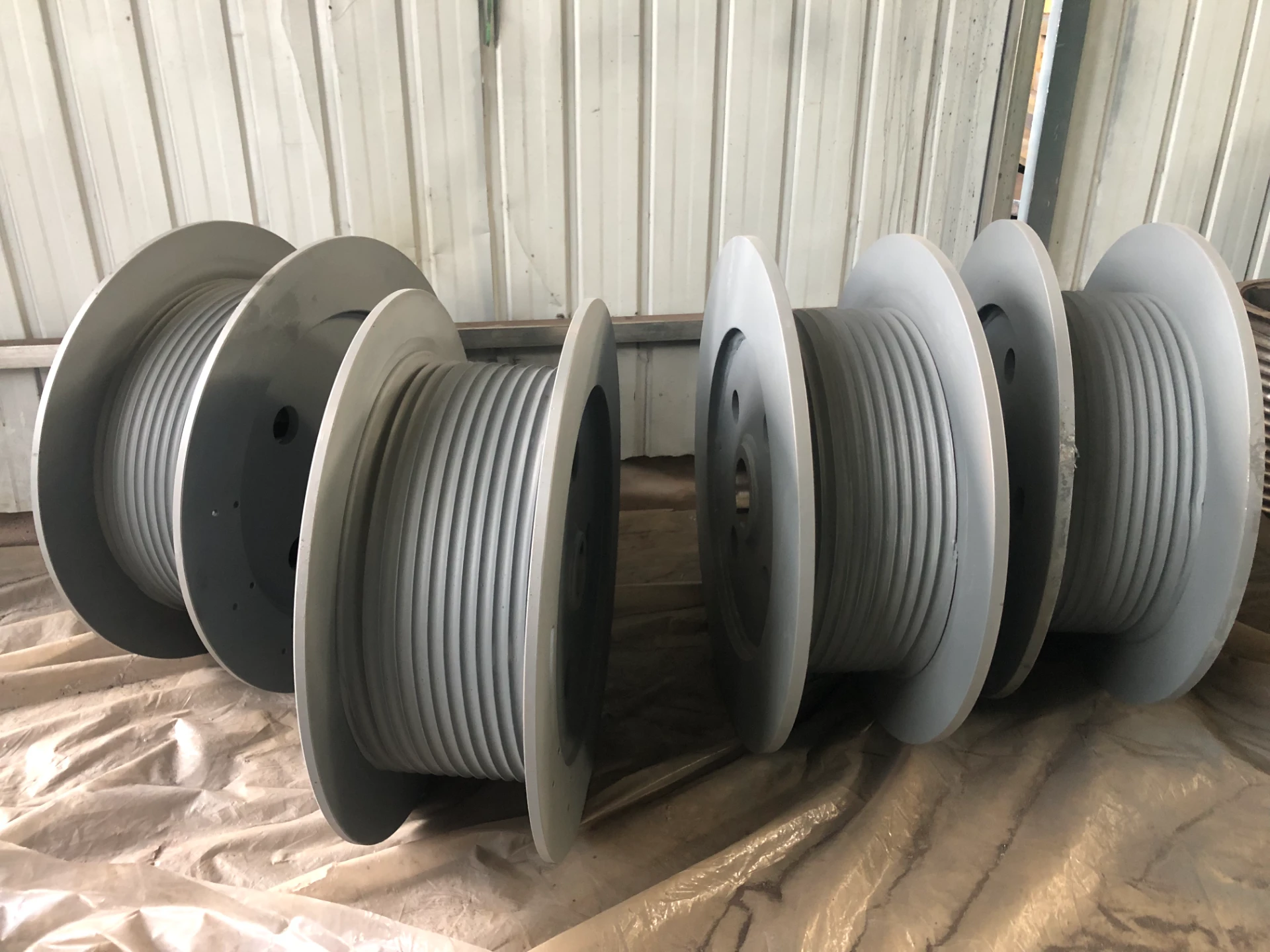
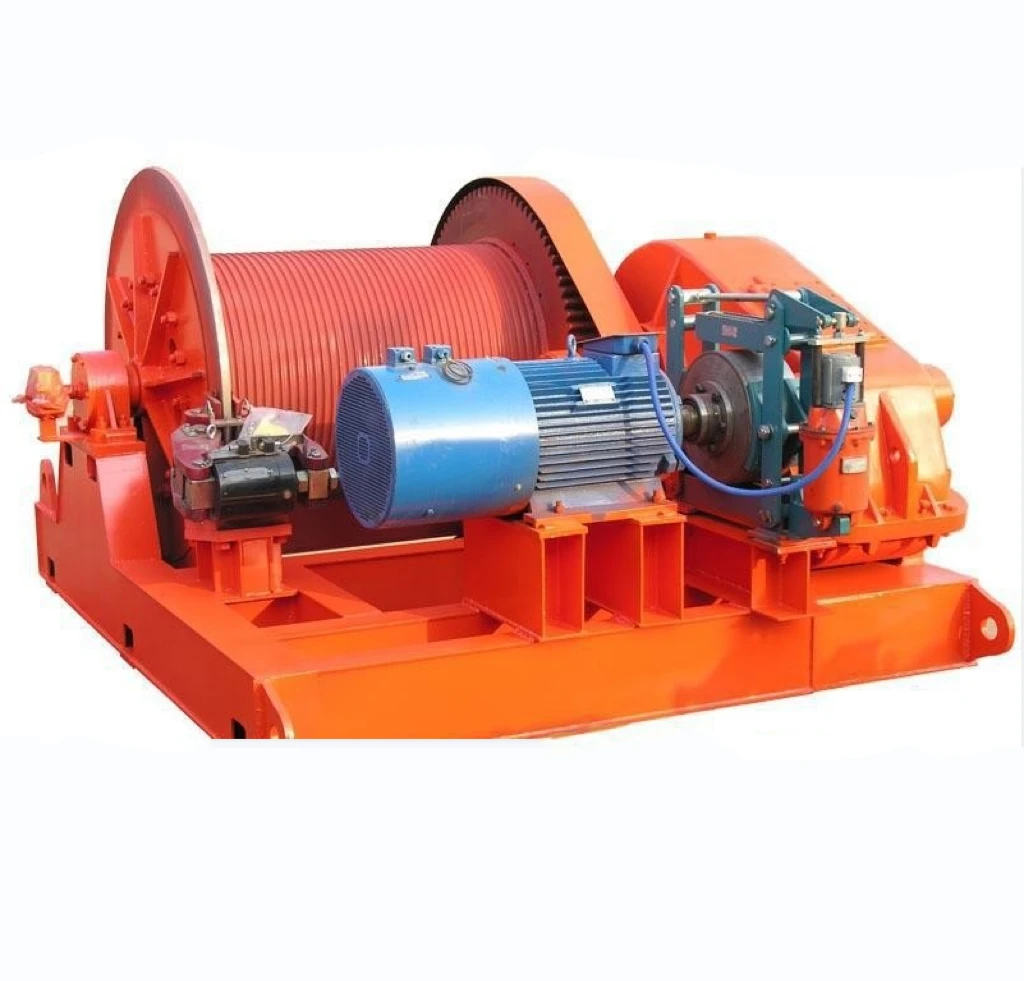
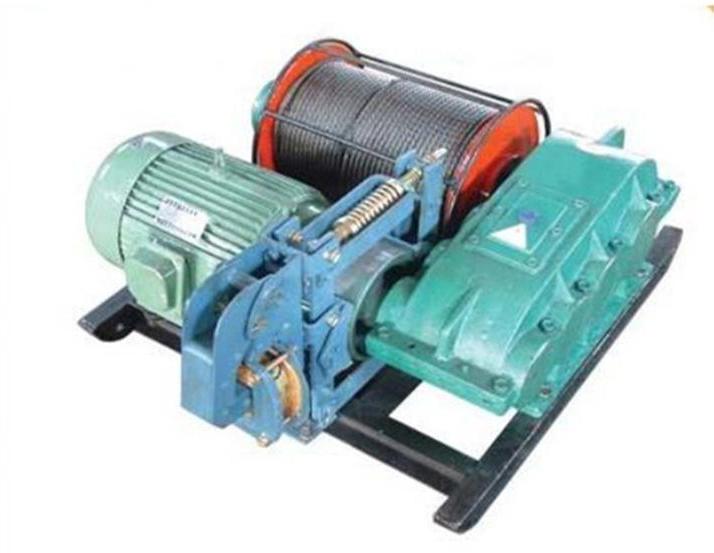
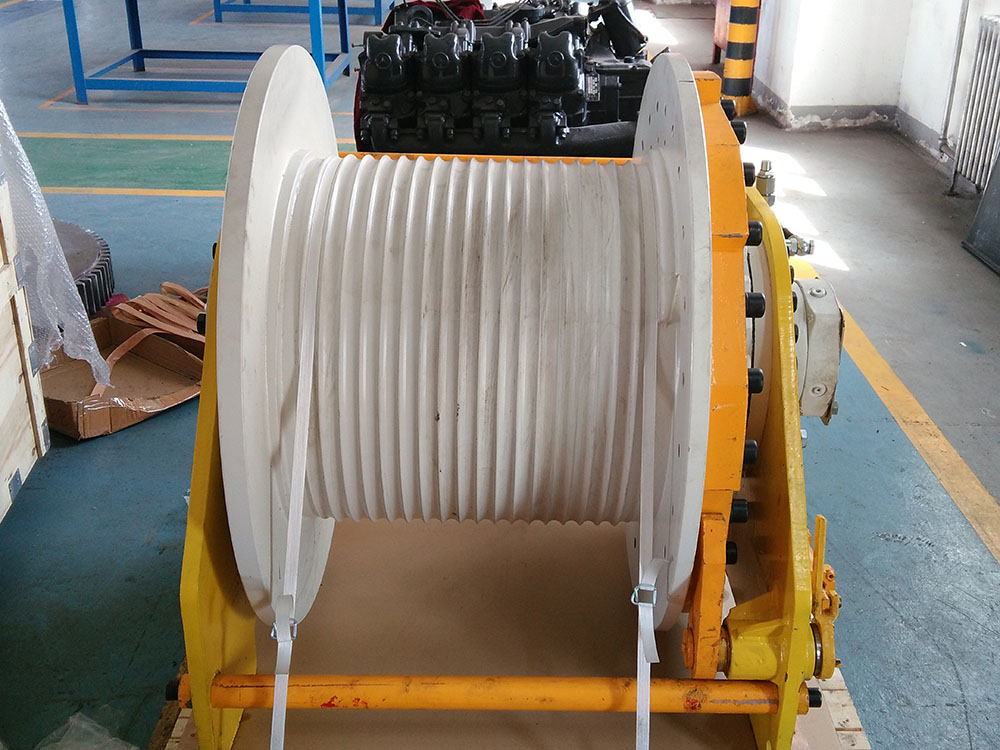
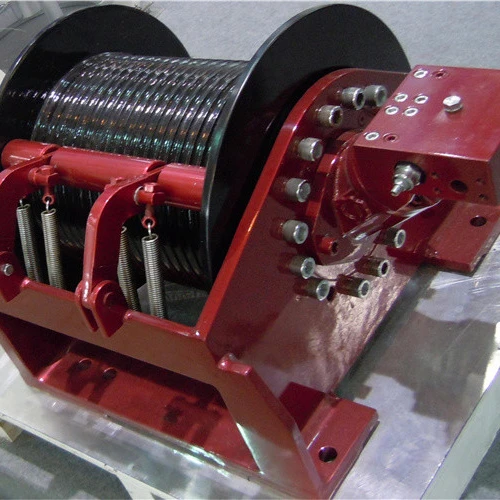
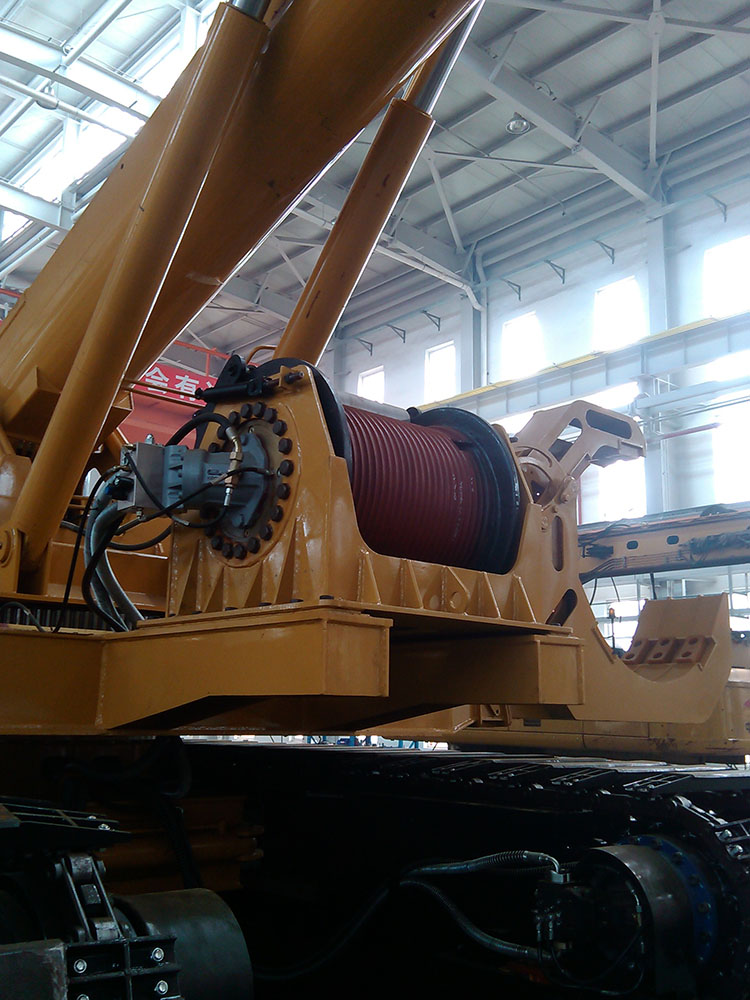
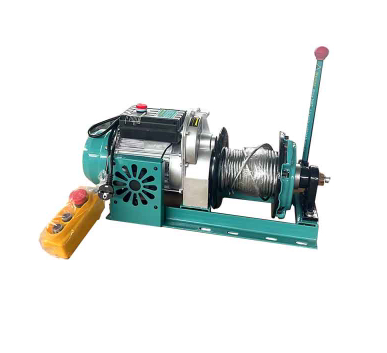
Simply put, a crane winch rope company designs, manufactures, and supplies ropes specially engineered for use in crane winches—devices responsible for winding and unwinding the rope to lift or pull heavy loads. Unlike generic rope manufacturers, these companies factor in the unique stresses crane ropes undergo, such as dynamic loads, abrasion from pulleys, heat from friction, and environmental exposure.
Beyond industrial use, these companies’ outputs contribute to humanitarian efforts too. For instance, reliable winch ropes facilitate setting up temporary bridges or moving heavy supplies in disaster-stricken areas efficiently and safely, preserving human lives and dignity.
Key Attributes of Crane Winch Ropes
1. Durability and Tensile Strength
This is fundamental—ropes must withstand tremendous loads without snapping. High tensile steel wire ropes, made from specially treated alloys, often serve as the basis.
2. Flexibility and Resistance to Wear
Ropes should flex smoothly around winch drums and sheaves without compromising structural integrity, even after repeated use.
3. Corrosion Resistance
In maritime or humid environments, coatings and galvanization protect ropes from rust, extending lifespan dramatically.
4. Cost Efficiency and Longevity
Quality ropes may cost more upfront but save significantly in maintenance and replacements.
5. Compliance with Standards
ISO and international crane safety standards demand rigorous testing before ropes make it to market.
Typical Product Specifications
| Specification | Details |
|---|---|
| Material | Galvanized steel wire, synthetic fiber blends |
| Diameter Range | 8 mm to 52 mm |
| Breaking Strength | Up to 400 kN (kilonewtons) |
| Coating Types | Galvanized, PVC, Polyurethane |
| Standard Compliance | ISO 4344, EN 12385, ASTM A1023 |
Why Choosing the Right Vendor Matters
| Feature | Vendor A | Vendor B | Vendor C |
|---|---|---|---|
| Customized Solutions | Yes | Limited | Yes |
| Global Distribution | Extensive | Regional | Moderate |
| R&D Investment | High | Low | Moderate |
| Eco-Friendly Options | Yes | No | Yes |
Global Use Cases: From Construction Sites to Disaster Zones
Oddly enough, while these ropes are most visible on skyscraper construction sites in cities like Dubai or Shanghai, they also quietly underpin some of the most critical humanitarian efforts. For example:
- Post-disaster scenarios: Setting up crane winches with dependable ropes helps clear debris quickly or erect emergency relief centers.
- Remote mining operations: In places like West Africa or Australia, heavy loads are hauled daily with ropes designed to handle extreme environments.
- Maritime shipping hubs: Ports in Rotterdam or Singapore depend on winch ropes resilient to saltwater corrosion to manage container cranes.
This varied usage underscores why crane winch rope company offerings must be versatile yet specialized.
Advantages and Long-Term Value of Specialist Crane Winch Ropes
For companies investing in rope products, the benefits are tangible and multifaceted:
- Safety first: Reliable ropes reduce human risk, preventing accidents that cause injury or worse.
- Lower lifetime costs: Good ropes last longer, resist fatigue, and cut down on maintenance.
- Sustainability: Eco-friendly treatments and recycling potential align with global environmental goals.
- Trust and Innovation: Using ropes from a recognized crane winch rope company assures quality that supports innovation in heavy lifting.
It’s this blend of emotional peace-of-mind and practical bottom line that drives industry leaders to seek out top-tier suppliers.
Future Trends and Innovations
Looking ahead, I notice the industry slowly moving towards lighter-weight synthetic ropes reinforced by nanotechnology and smart sensors. These innovations promise real-time load monitoring and extended operational life. Digital transformations mean supply chain transparency improves substantially, while sustainability gains momentum through biodegradable coatings and more efficient recycling protocols. In short, it feels like the simple rope is about to become a lot smarter.
Challenges and Solutions
One major challenge is balancing cost with quality, especially in emerging markets where budget constraints are tight. Another is the adaptation to different environmental stresses ranging from extreme cold to salty ocean air. Manufacturers tackle these by advancing materials science and producing modular ropes tailored exactly to the job. Also, training end-users on proper rope maintenance is invaluable—it’s often overlooked but essential.
FAQ: Your Questions About Crane Winch Rope Companies
Q1: How do I know if a crane winch rope company meets safety standards?
A1: Verify if the company’s products comply with industry standards like ISO 4344 or EN 12385. These certifications indicate ropes have undergone rigorous testing for strength, flexibility, and durability.
Q2: Can crane winch ropes be customized for specific crane models or environments?
A2: Definitely. Many specialized crane winch rope companies offer customization options, adjusting materials and coatings to match operational demands such as high humidity, extreme abrasion, or heavy dynamic loads.
Q3: How frequently should crane winch ropes be inspected or replaced?
A3: Regular inspections—ideally before each shift—are recommended. Replacement schedules depend on use and condition but generally occur after a certain number of cycles or visible wear; always follow manufacturer guidance.
Q4: Are eco-friendly crane winch ropes really as durable as traditional steel ropes?
A4: Advancements in synthetic fibers and coatings have greatly improved durability, but for extremely heavy loads, steel wire ropes still dominate. However, eco-conscious options can reduce environmental impact without sacrificing too much in performance.
Q5: How can companies overseas source high-quality crane winch ropes?
A5: Many reputable manufacturers maintain global distribution networks or partnerships to ensure timely delivery and support. Establishing communication ahead of needs is key.
Conclusion
In the grand scheme, the work of a crane winch rope company might feel underappreciated, yet their products are the unseen heroes of construction, shipping, and humanitarian operations worldwide. Investing time in understanding these companies’ offerings—especially the ropes’ durability, safety, and innovations—pays off in safety, cost savings, and long-term trust.
For expert support on your next project, definitely visit our website and explore how we can elevate your lifting capabilities safely and reliably.
Mini takeaway: The crane winch rope is more than just a cable—it’s a critical lifeline that drives industrial progress and protects human lives across countless arenas.
References
-
The Ultimate Guide to Gear Steels for Durability and PerformanceNewsApr.16,2026
-
High Performance Gear Stainless Steel for Industrial DurabilityNewsApr.09,2026
-
Comprehensive Guide to Steel Bevel Gears Applications and SelectionNewsApr.07,2026
-
Comprehensive Guide to Durable Stainless Steel Miter Gears and ApplicationsNewsApr.04,2026
-
Comprehensive Guide to Steel Spur Gears Functionality and ApplicationsNewsMar.31,2026
-
Comprehensive Guide to Durable Stainless Steel Spur Gears and Their ApplicationsNewsMar.28,2026