Drum Anchor Winch for Sale: Essential Guide to Specifications, Uses, and Vendors
Understanding Drum Anchor Winch for Sale: A Vital Industrial Solution
Drum anchor winches might sound niche, but honestly, their impact stretches across industries and regions worldwide. Whether it’s maritime operations, construction projects, or disaster relief, these devices are central to lifting, pulling, and anchoring heavy loads safely and efficiently.
Globally, the demand for durable, reliable drum anchor winches grows steadily. The United Nations and the International Maritime Organization often highlight the need for equipment that enhances safety and operational efficiency, especially in harsh environments. Understanding the nuances of drum anchor winch for sale opens doors to better procurement, safer practices, and innovative applications.
Introduction: Global Context and Industry Challenges
Across shipping lanes, construction sites, and even emergency response zones, equipment that combines strength with precision is priceless. According to the World Bank, infrastructure projects in developing nations have surged by over 30% in the last decade, intensifying the need for reliable heavy equipment.
However, sourcing the right drum anchor winch easily is no walk in the park. Issues like varying specifications, durability concerns, and sometimes unclear vendor credentials create challenges that stakeholders, frankly, wish to avoid. That’s where clarity and detailed understanding make a difference.
What Is a Drum Anchor Winch?
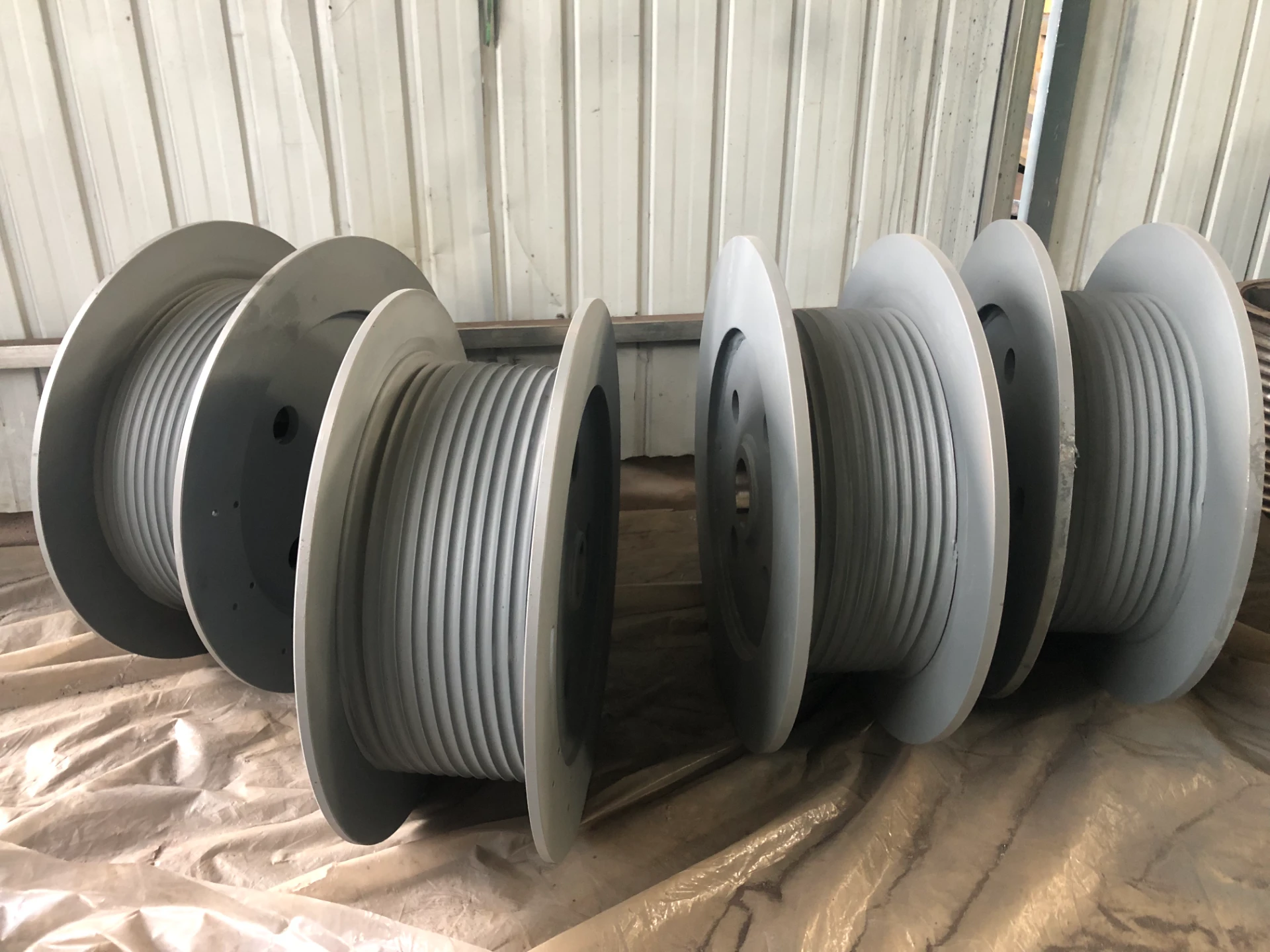
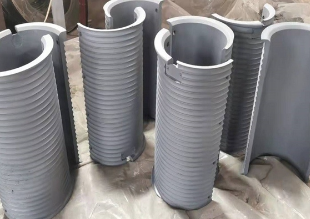
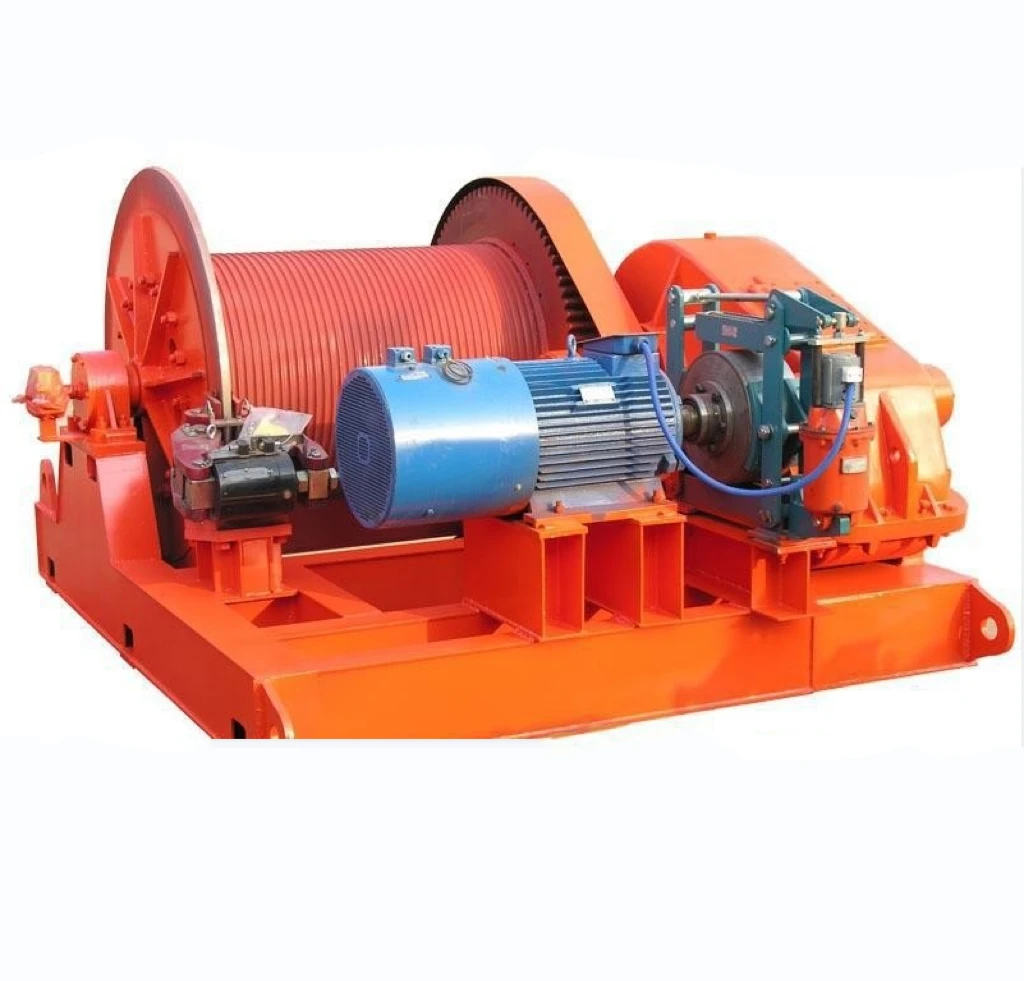
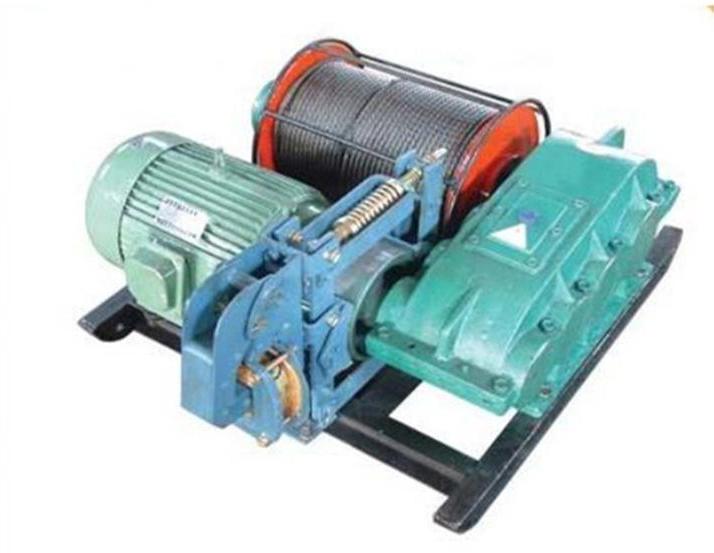
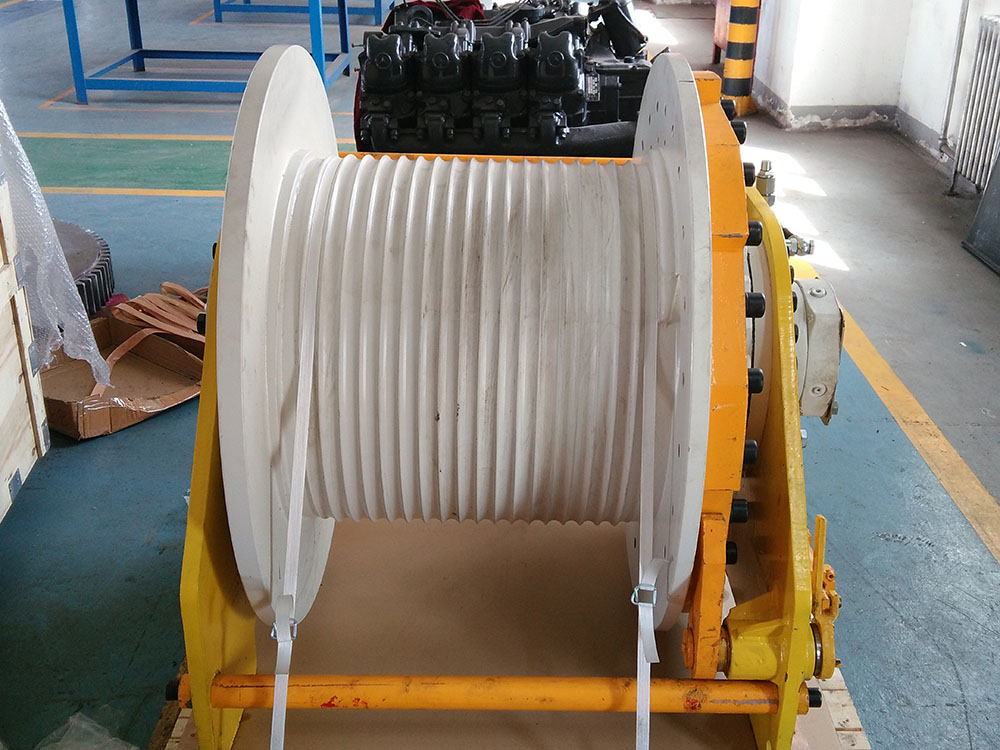
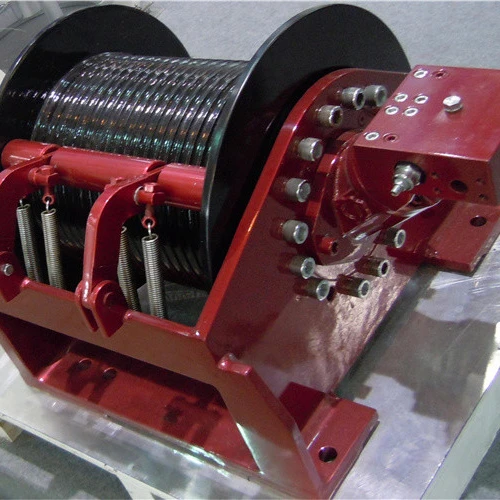
At its core, a drum anchor winch is a mechanical device used to anchor or pull loads by winding a rope, cable, or chain around a drum. Imagine it as the muscle behind many heavy lifting and securing operations on ships, oil rigs, or building sites.
It’s not just about brute force, though. The winch must deliver controlled, smooth movement to prevent accidents and equipment damage. Hence, these tools are indispensable to modern industries reliant on safety and precision.
Key Factors to Consider When Purchasing a Drum Anchor Winch
1. Durability and Material Quality
The marine environment is unforgiving. Saltwater corrosion, constant heavy loads, and unpredictable weather demand winches built from stainless steel or corrosion-resistant alloys. You want a setup that refuses to falter despite harsh conditions.
2. Load Capacity and Scalability
Whether you’re pulling a modest anchor or hauling massive construction components, knowing the winch’s rated load is vital. Vendors usually offer modular designs so you can scale capacity as your projects evolve.
3. Power Source Efficiency
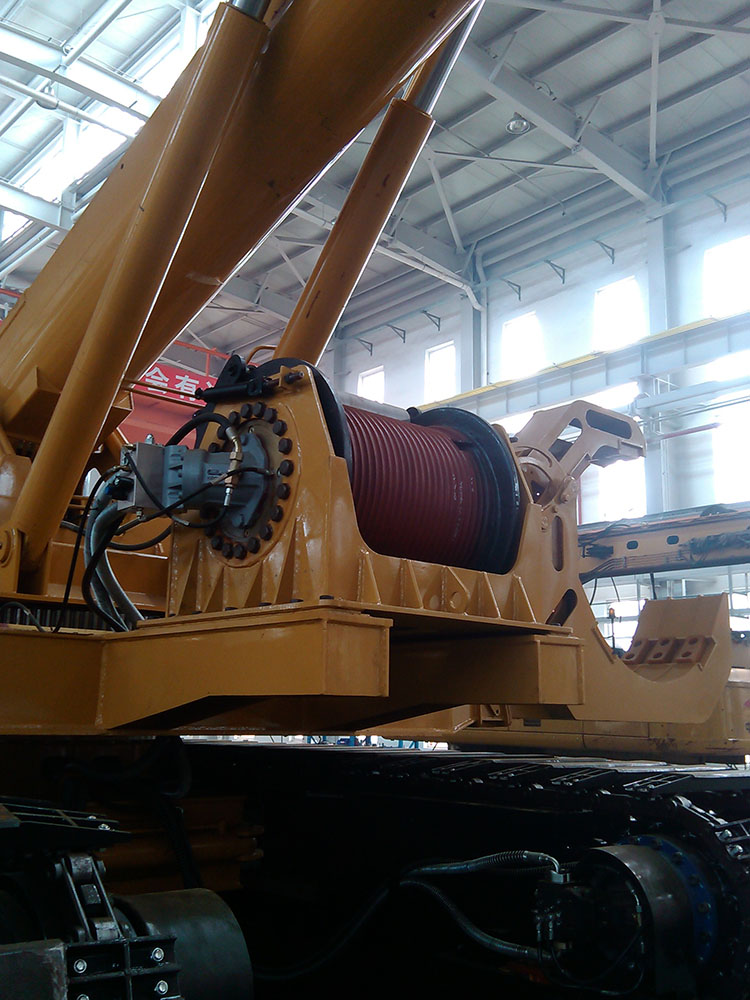
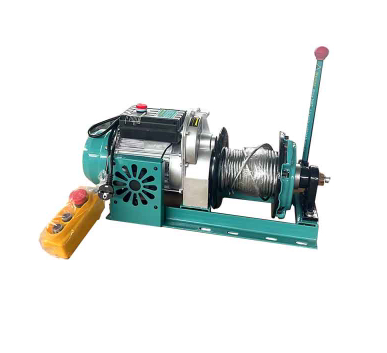
Electric, hydraulic, or pneumatic — each power type fits certain operational needs. Electric winches, for example, are popular for precision and ease, whereas hydraulic models thrive in heavy-duty, continuous applications.
4. Control and Safety Features
Advanced control options like remote operation, variable speed brakes, and automatic load-limiters noticeably improve safety and usability. In real terms, these features reduce operator fatigue and mishaps.
5. Ease of Maintenance
The simpler the maintenance, the longer your winch stays reliable. Look for designs offering easy access to moving parts and vendor support for spare parts.
Product Specifications At a Glance
| Specification | Typical Value |
|---|---|
| Load Capacity | 5 to 50 tonnes |
| Power Type | Electric / Hydraulic |
| Drum Diameter | 400 to 1200 mm |
| Cable Length | 50 to 500 meters |
| Control Features | Remote control, variable speed |
Global Applications & Use Cases
Drum anchor winches find diverse applications:
- Maritime and Offshore: Anchor handling, mooring, and salvage operations across major ports like Rotterdam, Singapore, or Houston.
- Construction Projects: Urban developments require reliable heavy lifting; winches are crucial in skyscraper builds or bridge repair worldwide.
- Disaster Relief Efforts: NGOs in tsunami-prone regions or flood zones depend on winches for quick deployment of shelters and heavy supplies.
- Mining and Remote Industrial Sites: Moving large equipment in areas with limited infrastructure often relies on robust winching solutions.
For instance, after the 2015 Nepal earthquake, relief teams utilized portable drum anchor winches to secure temporary bridges and equipment in rugged terrains — helping connect isolated villages rapidly.
Vendor Comparison: Popular Drum Anchor Winch Providers
| Vendor | Load Capacity | Power Type | Special Features | Typical Price Range (USD) |
|---|---|---|---|---|
| LBS Winch Co. | Up to 50 tonnes | Electric / Hydraulic | Remote control, corrosion resistant | $10,000 - $45,000 |
| Oceanic Winches Ltd. | Up to 40 tonnes | Hydraulic | Heavy-duty seals, weatherproof | $12,000 - $40,000 |
| HarborTech Systems | Up to 35 tonnes | Electric | Compact design, energy efficient | $8,500 - $38,000 |
Advantages & Long-Term Value of Drum Anchor Winch Solutions
Investing in good-quality drum anchor winches offers:
- Cost Efficiency: Durable winches reduce frequent replacements and downtime.
- Safety & Reliability: Precise load control minimizes accidents, safeguarding crews.
- Sustainability: Modern designs use less energy and incorporate recyclable materials.
- Social Impact: In disaster zones, quick deployment options preserve human dignity and survival chances.
Emerging Trends & Innovations
Technology won’t stand still. Automation and IoT integration let operators monitor winch health remotely, predicting maintenance needs. Green energy drives promise winches powered by renewable sources. Some companies even experiment with smart materials that self-lubricate or resist corrosion better.
Challenges & How to Tackle Them
Not all is smooth sailing. Issues like:
- Accessing replacement parts in remote areas,
- Adapting winches to vastly different environmental conditions,
- And balancing affordability with advanced features,
...often come up. Partnering with seasoned vendors who provide comprehensive support and customization can alleviate these problems. Also, investing in operator training is key — you need people who understand how to leverage the winch’s features fully and safely.
Frequently Asked Questions About Drum Anchor Winch for Sale
Q1: How do I choose the right load capacity for my winch?
Consider the heaviest load you need to manage, incorporating a safety margin of at least 20%. Consult with engineers or the vendor’s technical team to align specifications with intended use.
Q2: Are electric drum anchor winches suitable for offshore use?
Yes, but only if they have appropriate waterproofing and corrosion-resistant coatings. Many offshore-rated electric winches meet these criteria; always check certifications.
Q3: How frequently should winch maintenance be performed?
Routine inspection is recommended weekly under heavy use. Comprehensive servicing, including lubrication and safety checks, should occur every 3–6 months based on usage intensity.
Q4: Can NGOs source affordable drum anchor winches for disaster relief?
Absolutely. Many vendors offer tailored pricing or modular units suitable for rapid deployment. Some also provide logistical support to facilitate international shipping.
Q5: What environmental standards should I look for?
Select winches compliant with ISO 12100 for safety and ISO 12944 for corrosion protection. These ensure your investment meets international benchmarks.
Conclusion: Why Investing in Quality Drum Anchor Winches is a Smart Choice
Over time, a dependable drum anchor winch becomes a cornerstone of efficient and safe operations. Whether on a ship battling rough seas, a construction site lifting massive beams, or a disaster zone deploying critical aid, these devices deliver tangible value — reducing risk, saving time, and increasing overall project success.
For those exploring options, drum anchor winch for sale searches should balance quality, support, and cost carefully. It feels like a small decision but often proves to shape the success of large projects.
Curious to learn more or ready to shop? Visit our website: https://www.lbswinch.com
Mini Takeaway: Choosing the right drum anchor winch isn’t just about specs—it’s about matching tough real-world demands with robust, safe, and efficient technology.
References:
1. Wikipedia: Winch
2. ISO 12100: Safety of machinery
3. UNCTAD: Transport and Trade Logistics Reports
-
The Ultimate Guide to Gear Steels for Durability and PerformanceNewsApr.16,2026
-
High Performance Gear Stainless Steel for Industrial DurabilityNewsApr.09,2026
-
Comprehensive Guide to Steel Bevel Gears Applications and SelectionNewsApr.07,2026
-
Comprehensive Guide to Durable Stainless Steel Miter Gears and ApplicationsNewsApr.04,2026
-
Comprehensive Guide to Steel Spur Gears Functionality and ApplicationsNewsMar.31,2026
-
Comprehensive Guide to Durable Stainless Steel Spur Gears and Their ApplicationsNewsMar.28,2026