Leading Hydraulic Winch Manufacturer: Durable, Custom, & Innovative Winch Solutions
Understanding Hydraulic Winch Manufacturers: The Backbone of Modern Industry
Whether you realize it or not, hydraulic winches play a silent yet critical role in our day-to-day industrial world. From construction sites to maritime vessels, these machines are the muscle behind moving heavy loads with precision and power. Now, the companies that design and build these units—the hydraulic winch manufacturer industry—are more important than ever. Why? Because as the global economy pushes for more automation, efficiency, and sustainability, the demand for reliable, innovative hydraulic winches keeps climbing.
Here’s a quick thought: Worldwide, sectors like offshore drilling, mining, and even humanitarian relief rely heavily on hydraulic winches for operational success. According to a recent ISO report, lifting and pulling equipment are expected to grow at a steady 5% per year through 2030 as emerging markets industrialize (1). With this growth, understanding how hydraulic winch manufacturers operate and what sets them apart can give businesses a serious advantage.
Global Context: Why Hydraulic Winch Manufacturers Matter
Globally, infrastructure projects are booming. The World Bank estimates trillions in investment over this decade aimed at bridges, tunnels, oil rigs, and large-scale factories (2). In each of these areas, hydraulic winches are the unsung heroes balancing safety and power to move materials where humans alone can’t. But the twist: Winch manufacturers face a myriad of challenges, from meeting diverse regulatory standards to innovating for harsher environments.
For example, ports in Southeast Asia demand corrosion-proof winches for saltwater, while cold climate regions in Canada need devices that function flawlessly at subzero temperatures. So, the global hydraulic winch manufacturer arena is not just about making machines; it’s about solving problems through specialized engineering that spans continents.
What Exactly Is a Hydraulic Winch Manufacturer?
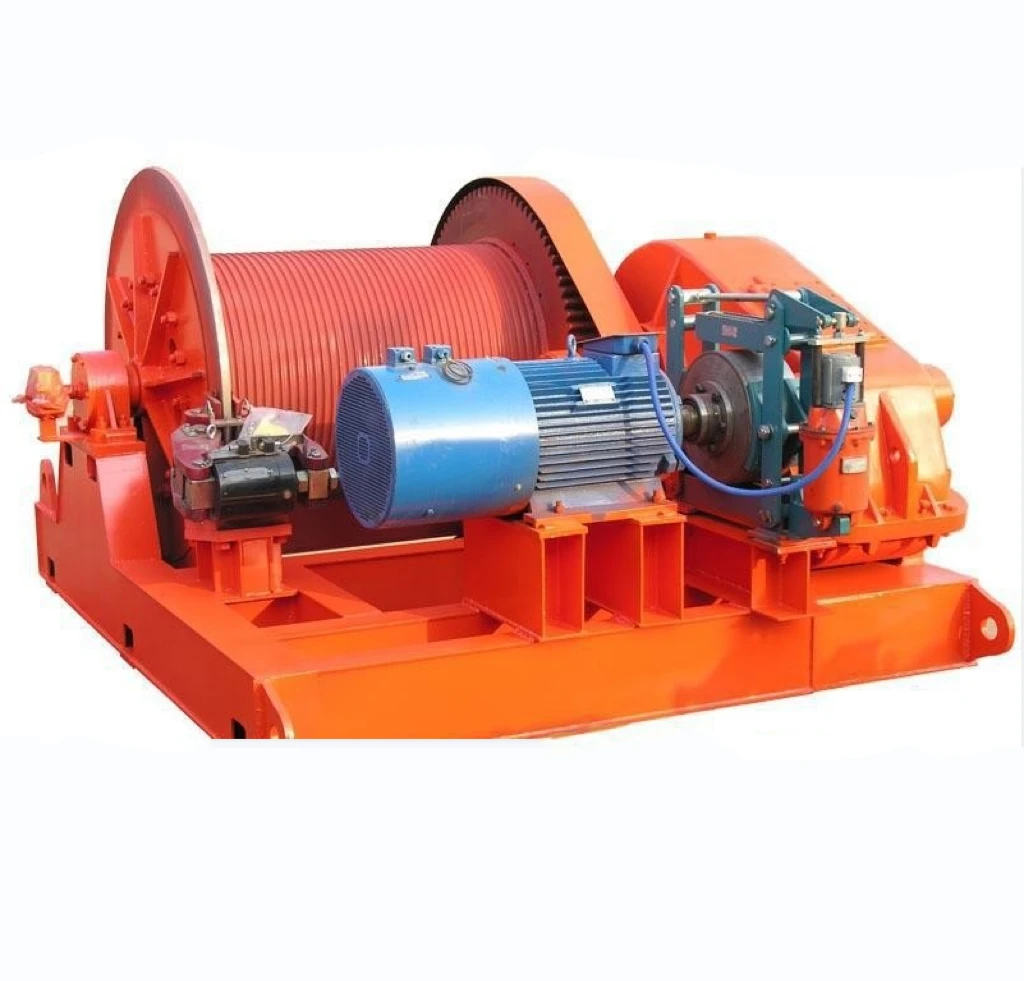
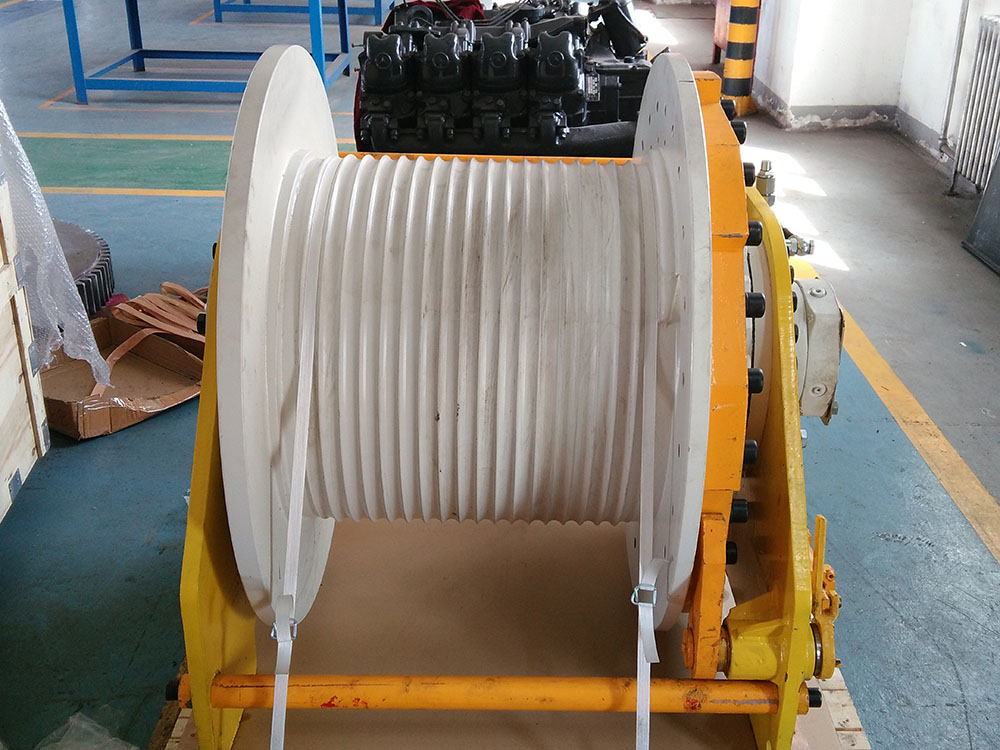
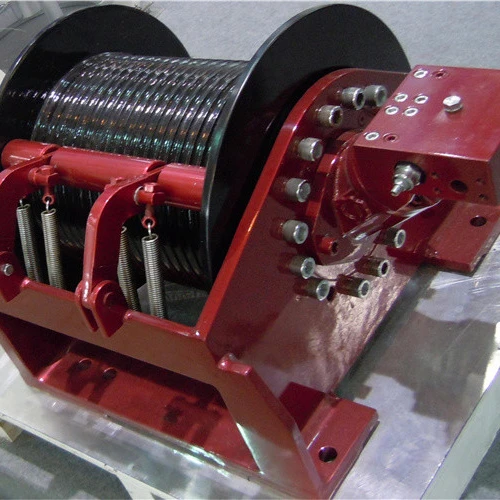
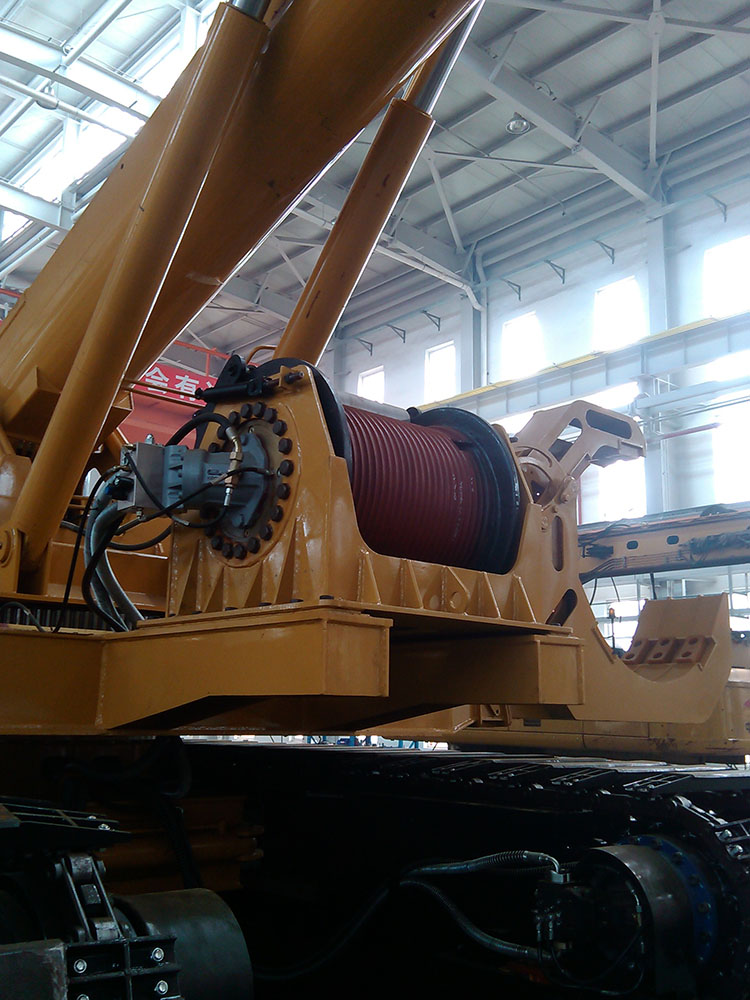
Simply put, a hydraulic winch manufacturer is a company that designs, constructs, and tests hydraulic-powered winches. These are machines that use pressurized hydraulic fluids to generate torque, allowing for controlled pulling or lifting of heavy weights. Unlike electric or manual winches, hydraulic versions provide superior power density, smoother control, and greater durability in extreme environments.
Modern industries—think offshore oil rigs, forestry, or rescue operations—depend heavily on these manufacturers to customize winches that fit very particular applications. It’s not just manufacturing; it’s engineering with a purpose.
Core Components Every Quality Hydraulic Winch Should Have
Durability
Hydraulic winches often face harsh conditions—saltwater, mud, freezing cold, dust. Manufacturers must use corrosion-resistant alloys, robust sealing techniques, and wear-resistant coatings to ensure machines last years under stress.
Power & Scalability
In real terms, winches range from small 1-ton pullers to mammoth 100-ton machines used on oil rigs. A good hydraulic winch manufacturer offers modular designs that can scale up or down without compromising safety or efficiency.
Precision Control
These devices are rarely “just on or off.” Smooth pulling, load holding, and adjustable speeds matter a lot in industrial and rescue operations. The best manufacturers integrate advanced valves and controls that respond precisely to operator commands.
Cost Efficiency
Not every job calls for the most expensive model. Manufacturers that provide a range of products—from budget-friendly to high-end—help customers choose what fits their operational budget and needs.
Ease of Maintenance
Because downtime costs money, top hydraulic winch manufacturers design machines for quick servicing: easy-to-replace hoses, standardized parts, and clear manuals.
Compliance & Safety
Certifications (like ISO 9001 or API) and strict testing protocols are non-negotiable. Manufacturers invest heavily here to prevent accidents and liability.
Mini takeaway: When you shop for a hydraulic winch, these factors often determine your long-term satisfaction. It’s not just power; it’s about smart design, tailored to your environment.
Global Applications: Real-World Examples of Hydraulic Winch Usage
- Offshore Oil and Gas: In the Gulf of Mexico and the North Sea, hydraulic winches lift drilling equipment and anchors. Their reliability in saltwater remains critical.
- Construction and Mining: Australia’s remote iron ore mines use them heavily for transporting materials across rugged terrain where electric winches often fail due to dust and moisture.
- Humanitarian Relief: After natural disasters like earthquakes in Nepal or floods in Bangladesh, NGOs utilize portable hydraulic winches for debris removal and emergency shelter installation.
- Shipping and Ports: From Singapore to Rotterdam, winches control massive containers and keep cargo secure during storms.
It’s oddly satisfying to think that while these devices often remain unseen by the general public, they form the backbone of so many critical operations worldwide.
Advantages and Long-Term Value Delivered by Hydraulic Winches
The obvious benefit is strong, steady power for lifting or pulling, but it’s more nuanced than that. Hydraulic winches offer:
- Cost savings over time due to durability and efficient maintenance.
- Environmental advantages — many manufacturers now focus on eco-friendly hydraulic fluids and designs that minimize energy consumption.
- Reliability that supports safety, reducing workplace accidents in heavy industries.
- Operational flexibility—adaptable to diverse tasks without swapping equipment.
- Promotion of innovation by integrating digital controls and IoT monitoring in newer models.
For workers, these machines bring peace of mind—knowing the winch won’t fail under load, keeping operations smooth and accident-free. For companies, it’s about trust and ROI, in part by reducing downtime and repair costs.
Looking Ahead: Trends Shaping Hydraulic Winch Manufacturing
The future is tied closely to digitization and sustainability. Some emerging trends:
- Smart Winches: Embedded sensors providing real-time load data and predictive maintenance alerts.
- Green Technology: Use of biodegradable hydraulic fluids and energy-efficient pumps.
- Automation: Remote-controlled and automated pulling systems that reduce human risk.
- Advanced Materials: Lightweight composites replacing traditional steel to reduce weight without losing strength.
These innovations are not just theoretical — many leading hydraulic winch manufacturer brands already showcase pilot products with these technologies.
Overcoming Challenges: How Manufacturers Address Industry Hurdles
One tough reality: sourcing quality components for extreme environments is difficult, especially during supply chain disruptions (you know, the past few years have been a headache). Also, compliance with varying international regulations means manufacturers must stay agile.
The solution? Many companies invest in local partnerships, diversify suppliers, and keep ongoing R&D to tailor products for different markets. On the technical side, adopting modular designs allows for flexibility and faster updates without full redesigns.
Frankly, the manufacturers who thrive combine engineering savvy with deep customer insight — listening and adjusting constantly.
Product Specification Table: Example Hydraulic Winch Models
| Model | Pull Capacity (tons) | Drum Width (mm) | Power Source | Weight (kg) | Special Features |
|---|---|---|---|---|---|
| HWX-100 | 10 | 300 | Hydraulic Pump | 120 | Compact, corrosion resistant |
| HWX-250 | 25 | 450 | Hydraulic Pump | 280 | Digital controls, vibration dampening |
| HWX-600 Pro | 60 | 600 | Hydraulic & Electric Hybrid | 580 | IoT enabled, weatherproof |
Vendor Comparison: Leading Hydraulic Winch Manufacturers
| Manufacturer | Product Range | Customization Options | Lead Time | Global Presence |
|---|---|---|---|---|
| LBS Winch Inc. | 10 - 100 tons | Full custom design | 4-6 weeks | Asia, Europe, Americas |
| Hydro Pull Systems | 5 - 50 tons | Standard customization | 6-8 weeks | North America, Europe |
| Oceanic Winch Corp. | 15 - 120 tons | Industry-specific builds | 8-12 weeks | Global, with focus on offshore |
Frequently Asked Questions About Hydraulic Winch Manufacturers
Q: What sets hydraulic winches apart from electric winches?
A: Hydraulic winches offer higher power density and better resistance to harsh environments like dust, moisture, or subzero temperatures. Electric winches can be simpler but often struggle under heavy continuous loads in tough conditions.
Q: How customizable are hydraulic winches?
A: Very customizable. Good manufacturers tailor pull capacity, drum size, control systems, mounting options, and coatings based on customer needs, especially for specialized industries such as offshore oil or mining.
Q: What certifications should I look for in a supplier?
A: ISO 9001 is a baseline for quality management, while API standards matter if you work in oil & gas. Additionally, CE marking ensures compliance with European safety regulations.
Q: How do hydraulic winch manufacturers support after-sales service?
A: Leading manufacturers offer maintenance training, parts supply, and even remote diagnostics through IoT-enabled systems, minimizing downtime and repair costs.
Q: Are hydraulic winches environmentally friendly?
A: Modern hydraulic winches increasingly use biodegradable fluids and energy-efficient pumps. While hydraulics use fluids, newer designs aim to reduce leaks and environmental impact.
Conclusion: Why Partner With a Trusted Hydraulic Winch Manufacturer?
At the end of the day, a solid hydraulic winch manufacturer is not just a parts supplier — it’s a partner for operational success, innovation, and safety. As industries grow and evolve, the role of these manufacturers only becomes more pivotal. Investing in quality machines means less downtime, safer workplaces, and a greener footprint.
So here’s my advice: if you’re searching for a reliable, forward-thinking hydraulic winch manufacturer, don’t just look for price—consider experience, customization, and after-sales support. They make all the difference in real-world applications.
Visit our website today to explore the latest offerings and engineering solutions tailored for your needs.
References
-
The Ultimate Guide to Gear Steels for Durability and PerformanceNewsApr.16,2026
-
High Performance Gear Stainless Steel for Industrial DurabilityNewsApr.09,2026
-
Comprehensive Guide to Steel Bevel Gears Applications and SelectionNewsApr.07,2026
-
Comprehensive Guide to Durable Stainless Steel Miter Gears and ApplicationsNewsApr.04,2026
-
Comprehensive Guide to Steel Spur Gears Functionality and ApplicationsNewsMar.31,2026
-
Comprehensive Guide to Durable Stainless Steel Spur Gears and Their ApplicationsNewsMar.28,2026