Hydraulic Trailer Winch: Comprehensive Guide to Heavy-Duty Hydraulic Winches for Trailers
Hydraulic Trailer Winch: The Unsung Hero of Heavy-Duty Hauling
At first thought, a hydraulic trailer winch might sound like some niche piece of machinery. Yet, in industries like construction, logistics, and disaster relief, these devices quietly but indispensably keep operations rolling. Globally, as infrastructure projects boom and disaster responses need speed and power, understanding hydraulic trailer winches matters more than ever. These winches are not just about brute strength; they blend precision, reliability, and efficiency on the road and off it.
Why the Spotlight on Hydraulic Trailer Winches?
The world’s freight is expanding. According to the World Bank, global freight volume is expected to double over the next 20 years. Moving heavy equipment across uneven terrain or tight construction sites demands more than muscle — it demands smart mechanical solutions. That’s where the hydraulic trailer winch steps in, tackling the challenge of safe and controlled hauling, often in risky, time-sensitive environments.
For example, humanitarian organizations deploying emergency equipment after natural disasters rely heavily on hydraulic winches to get machines and supplies where they’re needed most, often in conditions where every minute counts.
What Exactly Is a Hydraulic Trailer Winch?
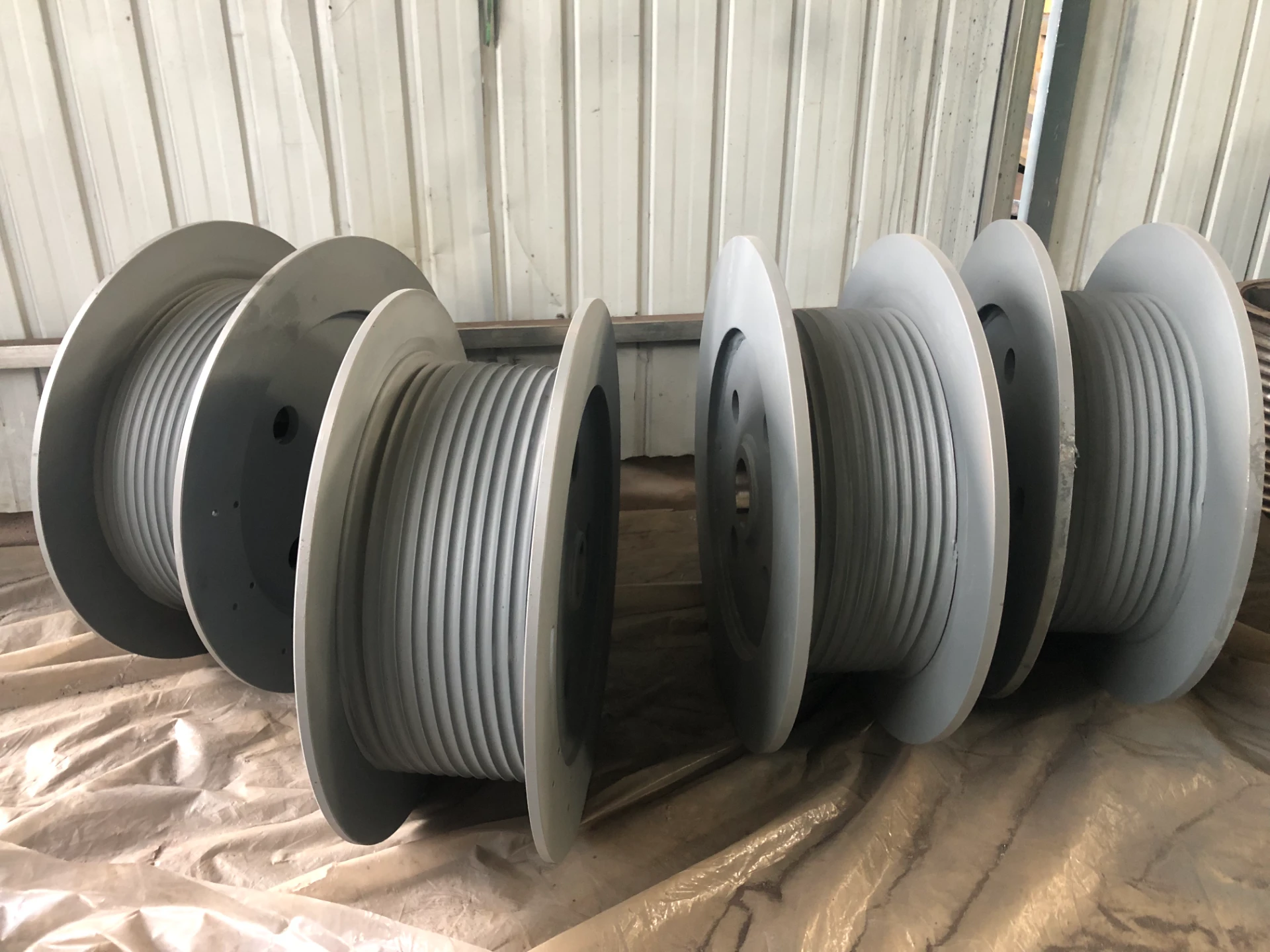
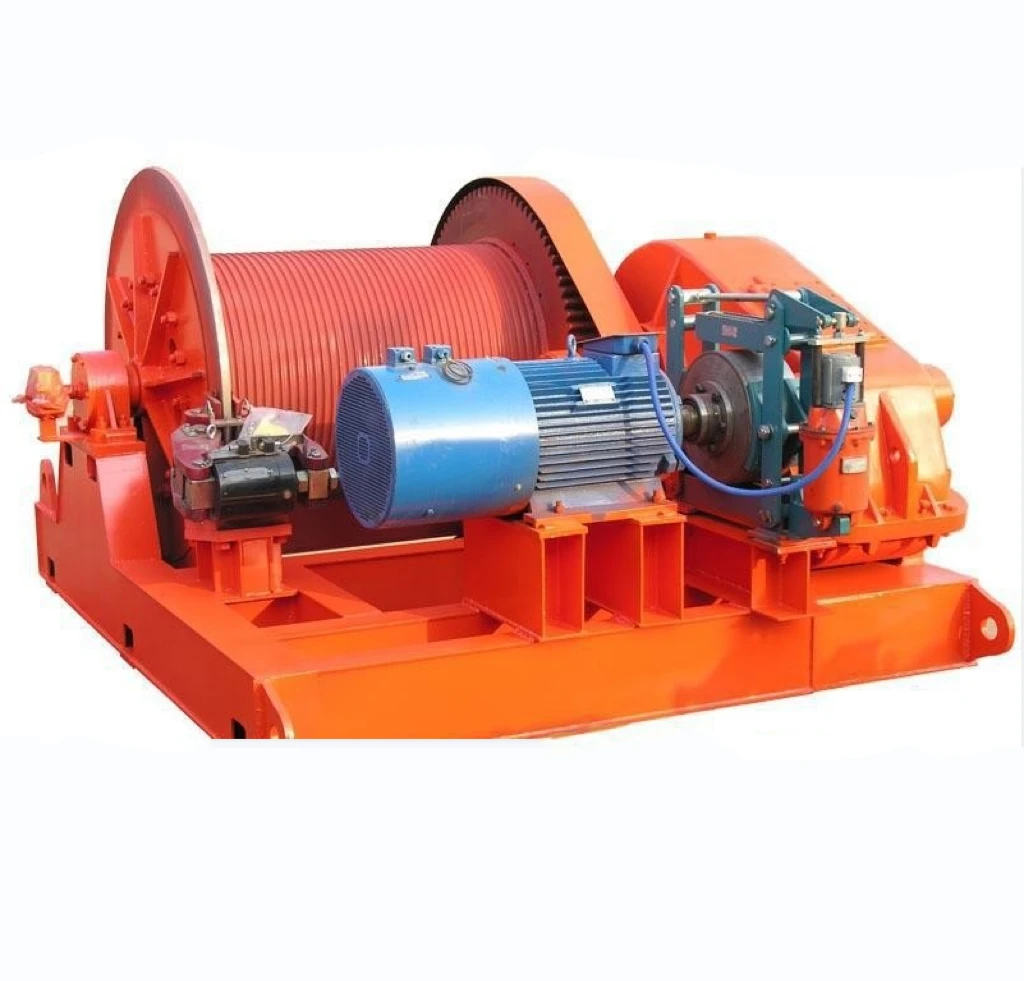
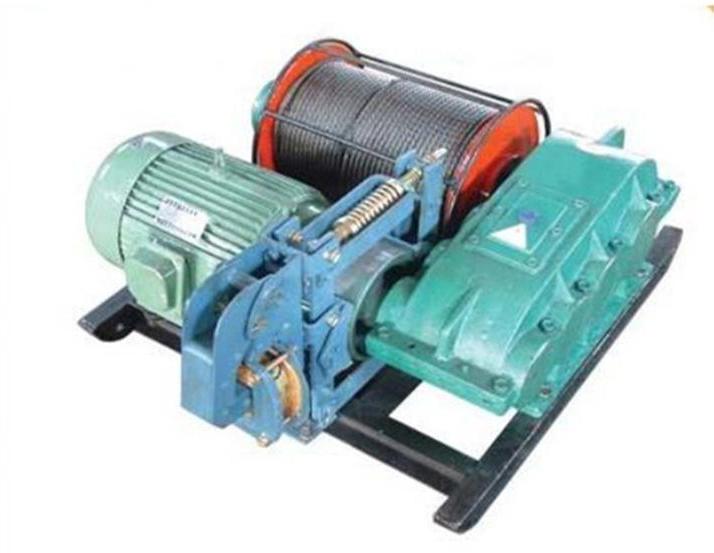
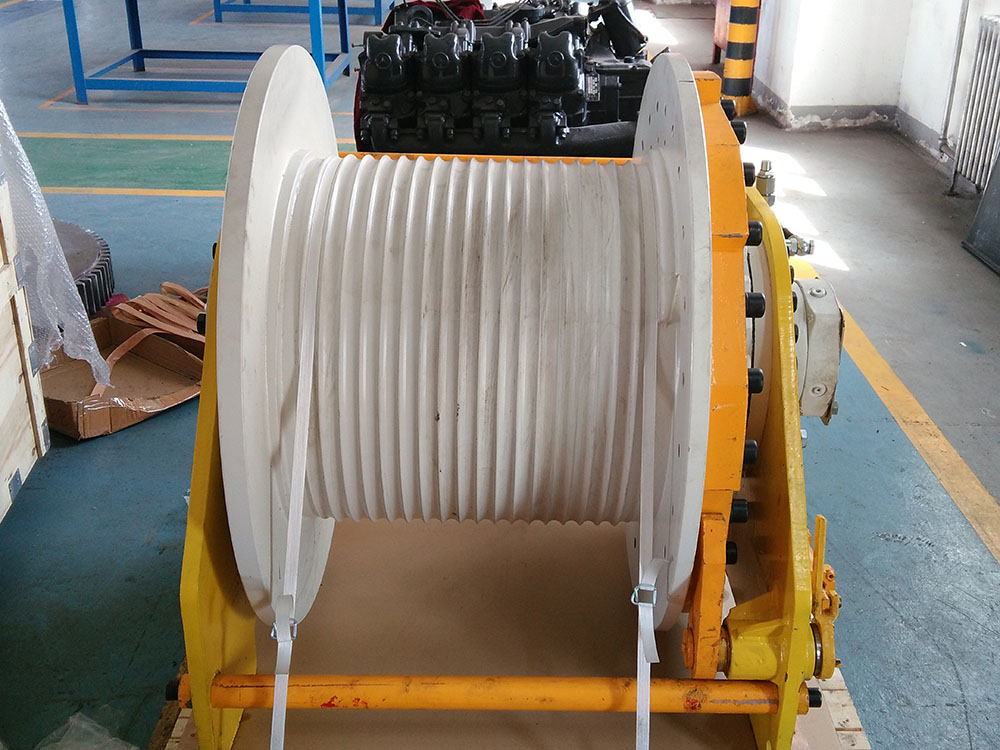
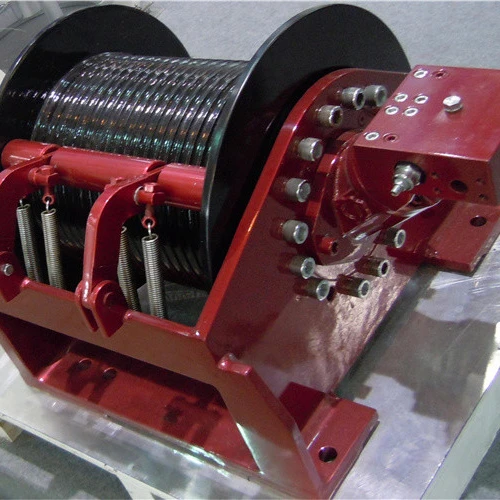
Put simply, a hydraulic trailer winch is a power-driven device mounted on trailers that uses hydraulic fluid pressure to generate the torque necessary to pull heavy loads. Unlike electric or manual winches, hydraulic types benefit from the high force and smooth control that hydraulic systems offer, making them ideal for heavy, continuous-duty tasks. They’re often attached to trailers carrying construction machinery, vehicles, or industrial equipment, enabling operators to load and unload or reposition loads with relative ease.
Think of it as a mechanical arm with a lot of finesse — it pulls, controls, and manages heavy cargo safely without relying on the limitations of human strength.
Key Factors That Define Hydraulic Trailer Winches
1. Durability & Build Quality
These winches must endure harsh environments — dust, rain, mud, and jarring shocks. High-grade steel frames, corrosion-resistant coatings, and sealed hydraulic motors ensure longevity. A well-built winch won't let you down during those critical, high-stress hauls.
2. Power & Torque Capacity
Power matters, but it has to come with precise control. Hydraulic trailer winches offer a spectrum of pulling capacities depending on the pump system and cylinder size — from as low as 3,000 lbs to more than 15,000 lbs of line pull. This range makes them versatile for various industries and hauling scenarios.
3. Control Mechanisms
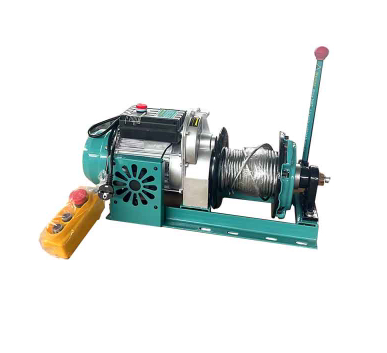
Operating hydraulic winches isn’t about brute force control anymore. Modern units feature remote-controlled valves or joystick systems, which provide smooth, proportional speed control and reliable emergency stops. This increases operator safety and precision.
4. Mounting & Compatibility
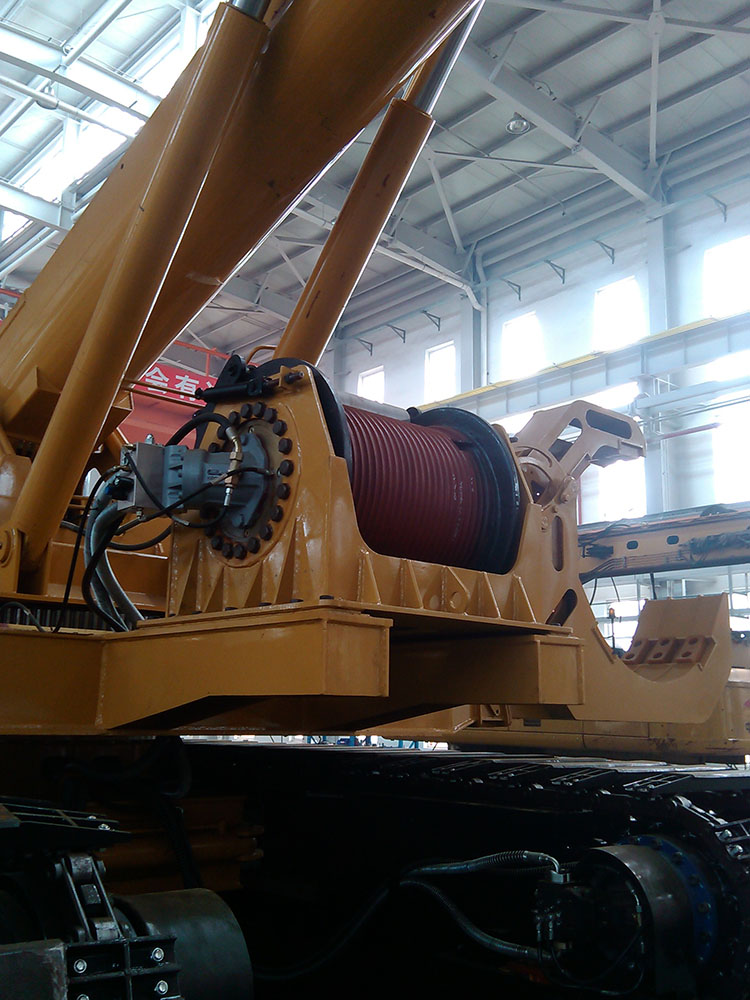
Because trailers differ greatly, winches come with adaptable mounting options — whether on flatbed trailers, lowboys, or specialized utility trailers. Compatibility with different hydraulic systems (open or closed center) is also a vital consideration.
5. Maintenance & Serviceability
Thanks to accessible design and standardized hydraulic components, many operators find servicing these winches straightforward — a huge benefit over electric winches that can sometimes be a pain to diagnostically troubleshoot in the field.
6. Cost Efficiency Over Time
Initial investment might feel hefty, but hydraulic winches often outlast alternatives, saving money on replacements and downtime. Plus, their energy efficiency reduces fuel consumption on the host vehicle.
Mini takeaway: The best hydraulic trailer winch balances strength, control, and durability — tailored to your operational demands and the environments you face.
Global Applications & Who Benefits Most?
Hydraulic trailer winches see heavy use across industries and continents:
- Construction & Mining: Moving heavy earth-moving machinery around sites in North America, Australia, and Europe.
- Forestry: Hauling timber trailers in rugged Canadian and Scandinavian forests.
- Disaster Relief Operations: NGOs in Southeast Asia and Sub-Saharan Africa use these winches to deploy field hospitals and equipment swiftly after floods or earthquakes.
- Military & Government: Tactical vehicles and weapon platforms often rely on these winches for rapid deployment.
For a bit of a practical example — when Typhoon Haiyan struck the Philippines, mechanical responders used hydraulic winches to pull debris-laden trailers across flooded roads so supplies could reach isolated communities faster.
Advantages & Long-Term Value: Why Hydraulic Trailer Winches Make Sense
It’s not just about brute strength or fancy tech. There’s an emotional undercurrent here — safety, dignity, trust. Operators feel in control even when handling serious weight, reducing accidents. Project managers appreciate lower maintenance costs that keep timelines intact. Environmentally, better-powered machines mean fewer fuel hours and emissions.
Logical upside:
- Consistently reliable pull power even in extreme weather.
- Less downtime due to easier maintenance.
- Improved safety for operators with advanced control systems.
- Compatibility with existing hydraulic truck or trailer systems.
Product Specification Table
| Specification | Typical Range | Notes |
|---|---|---|
| Pull Capacity | 3,000 - 15,000 lbs | Depends on hydraulic pump volume |
| Operating Pressure | 1,500 - 3,000 psi | Must match trailer system specs |
| Line Speed | 5 - 20 ft/min | Variable speed control typical |
| Weight | 50 - 150 kg | Varies by model and capacity |
| Control System | Wire/RF Remote, Joystick | Remote enables hands-free operation |
Comparing Leading Hydraulic Trailer Winch Vendors
| Vendor | Max Pull Capacity | Price Range | Warranty | Unique Features |
|---|---|---|---|---|
| WinchCo | 15,000 lbs | $3,500 - $5,000 | 3 years | Modular parts, advanced remote |
| HydroForce | 12,000 lbs | $2,800 - $4,500 | 2 years | Low maintenance design |
| LoadMaster | 10,000 lbs | $3,000 - $4,200 | 5 years | Heavy-duty steel frame |
Looking Ahead: Trends and Innovation
In real terms, hydraulic trailer winches are embracing digital transformation — think IoT-enabled monitoring for predictive maintenance or automatic load feedback systems that optimize pulling force in real-time. On the materials front, manufacturers are exploring composites and high-strength alloys to reduce weight without losing durability.
More notably, as sustainability standards tighten globally, many producers are focusing on energy-efficient hydraulic pumps paired with hybrid powertrains on trailers to cut emissions. Automation could also help: imagine winches that calibrate pulling parameters based on terrain sensors — reducing wear and operator error alike.
Challenges & Smart Solutions
Like most tech, there’s no silver bullet. Typical challenges include hydraulic fluid leaks, limited remote range, and the need for regular system bleeding to avoid air locks. Engineers often joke that “if you fix one issue, another pops up.” However, using better quality seals, incorporating redundant control circuits, and enhancing modular designs have proven quite effective.
Plus, emerging training platforms using VR let operators practice complex moves in a safe virtual world before heading to the site. That’s a neat solution to build skills and reduce accidents.
FAQ: Hydraulic Trailer Winch
- Q: How does a hydraulic trailer winch compare to an electric winch?
- A: Hydraulic winches provide higher power density and smoother control, especially for heavy loads. They’re better suited for continuous-duty and harsher environments, while electric models often offer simpler installation and lower upfront costs but may overheat under heavy use.
- Q: Can hydraulic trailer winches be retrofitted to any trailer?
- A: Generally, yes, but compatibility depends on the trailer’s hydraulic supply system and mounting points. It’s best to consult the winch manufacturer or a technician to ensure proper integration without risking system damage.
- Q: What maintenance does a hydraulic trailer winch require?
- Routine checks include inspecting hydraulic hoses and fittings for leaks, fluid level monitoring, cleaning control valves, and lubricating moving parts. Regular maintenance keeps the system reliable and extends service life.
- Q: Are hydraulic trailer winches safe for emergency use in disaster zones?
- Absolutely. Their controlled power and versatility make them ideal for quickly deploying equipment, even on uneven or unstable terrain. However, operators must be trained to handle the equipment safely to avoid accidents.
Wrapping It Up: Why Invest in a Hydraulic Trailer Winch?
When you’re hauling massive loads in unpredictable conditions, dialing in reliability, control, and efficiency is non-negotiable. Hydraulic trailer winches aren’t just tools—they’re trusted partners in logistics, relief, and construction, reducing downtime and boosting safety. If you want to explore dependable options, check out hydraulic trailer winch models tailored for your needs.
Whether you’re moving timber in Canada or rushing emergency supplies in Asia, these winches quietly make a big difference — and frankly, they deserve a little appreciation.
References:
1. World Bank, Global Freight Data
2. ISO Hydraulic Systems Overview, ISO 1219-1:2012
3. Wikipedia: Winch
-
The Ultimate Guide to Gear Steels for Durability and PerformanceNewsApr.16,2026
-
High Performance Gear Stainless Steel for Industrial DurabilityNewsApr.09,2026
-
Comprehensive Guide to Steel Bevel Gears Applications and SelectionNewsApr.07,2026
-
Comprehensive Guide to Durable Stainless Steel Miter Gears and ApplicationsNewsApr.04,2026
-
Comprehensive Guide to Steel Spur Gears Functionality and ApplicationsNewsMar.31,2026
-
Comprehensive Guide to Durable Stainless Steel Spur Gears and Their ApplicationsNewsMar.28,2026