Explore Powerful 50 Ton Hydraulic Winches for Industry & Relief | LBS Winch
Understanding the 50 Ton Hydraulic Winch: Why It Matters Worldwide
At first glance, a 50 ton hydraulic winch sounds like a beast of a machine — and frankly, it is. But beyond the heavy-duty specs and technical jargon, this piece of equipment quietly powers an astonishing range of industries and applications worldwide. Whether you’re in construction, maritime, or disaster response, understanding what a 50 ton hydraulic winch does and why it matters is essential. It helps solve real operational challenges ranging from lifting massive loads to securing equipment safely.
Globally, the demand for efficient, reliable winches plays into broader themes of infrastructure development, environmental logistics, and emergency preparedness. The ability to move or pull heavy loads effectively can accelerate projects, reduce risks, and even save lives.
Global Context: The Rising Importance of Heavy-Duty Winches
The numbers tell the story. According to the International Organization for Standardization (ISO), industries like construction and maritime shipping continue to expand steadily, driving up demand for equipment capable of handling heavier workloads. In fact, the UN’s 2022 global infrastructure report showed a nearly 15% increase in logistics operations requiring heavy lifting solutions since 2018. Hydraulic winches in the 50-ton range are often the preferred choice, thanks to their strength and reliability.
But here’s the rub: handling such large capacities isn’t trivial. Construction sites in rapidly urbanizing developing countries face challenges around safety and efficiency. At the same time, humanitarian aid agencies struggle with logistics in disaster zones where roads may be impassable and equipment bulky. This is exactly where a 50 ton hydraulic winch can become an operational linchpin — quite literally pulling its weight.
What Is a 50 Ton Hydraulic Winch? Breaking Down the Basics
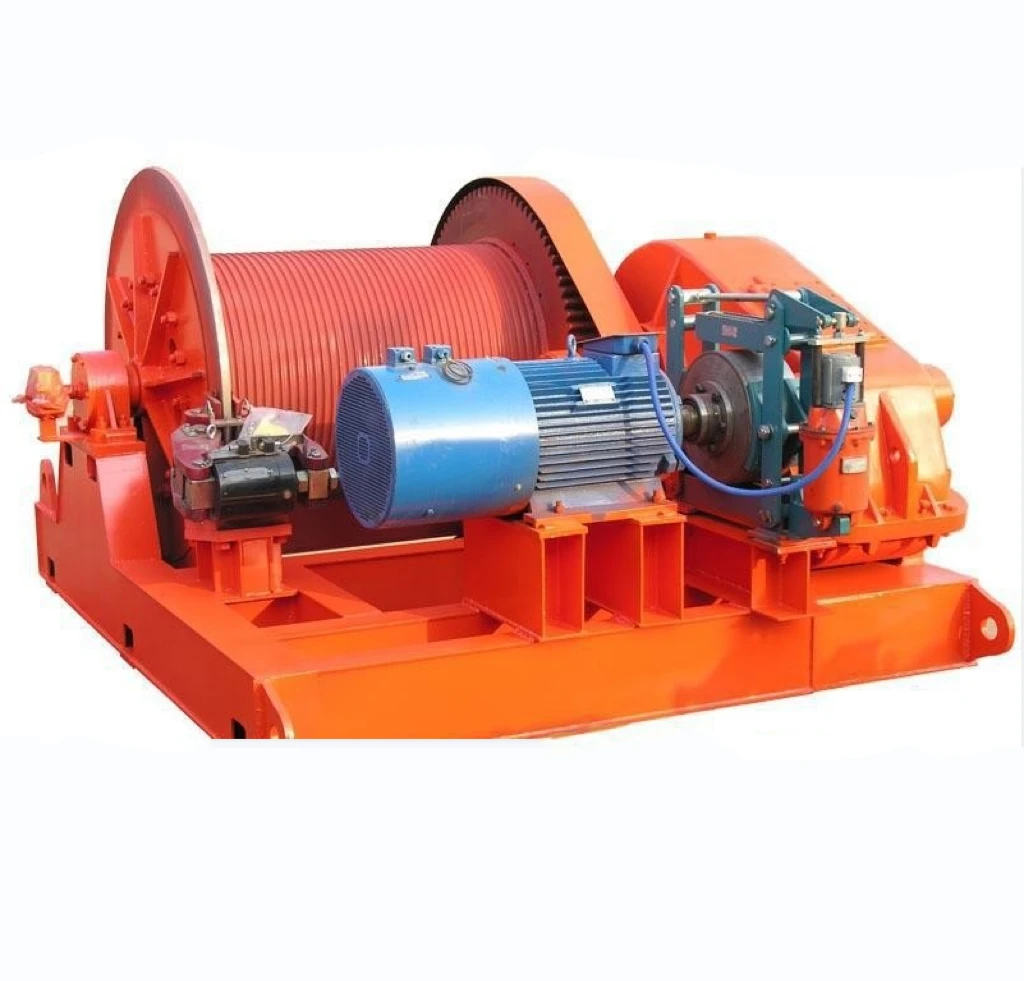
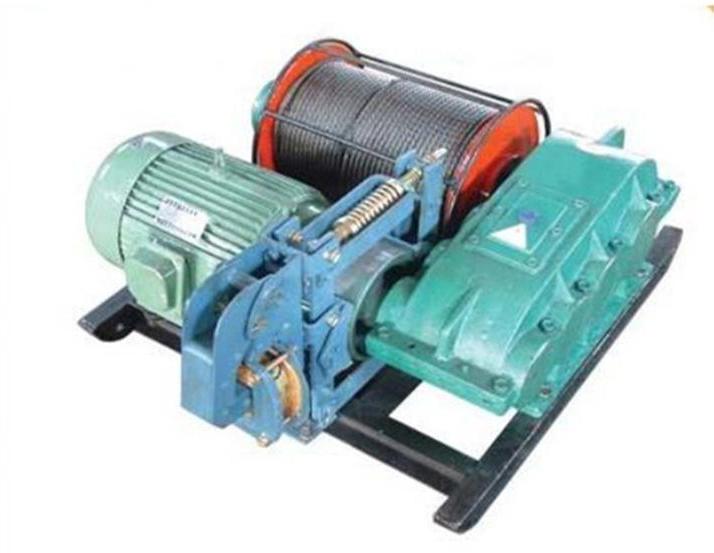
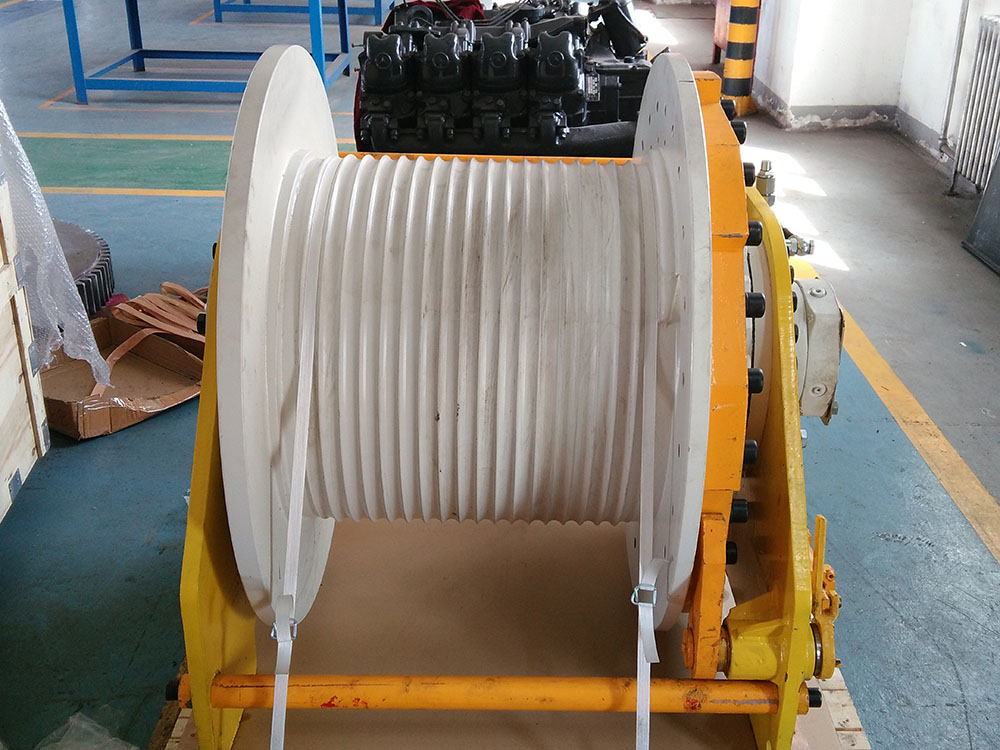
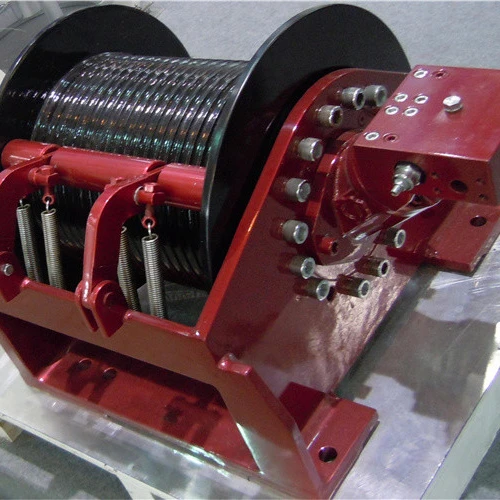
If you imagine a winch, you might picture a bulky spool winding a heavy cable. The 50 ton hydraulic winch takes that idea up several notches. In simple terms, it’s a mechanical device powered by hydraulic fluid pressure to pull, lift, or position loads up to 50 tons (about 45,000 kg). Compared to electric winches, hydraulic versions are prized for their durability and power intensity, especially in harsh environments.
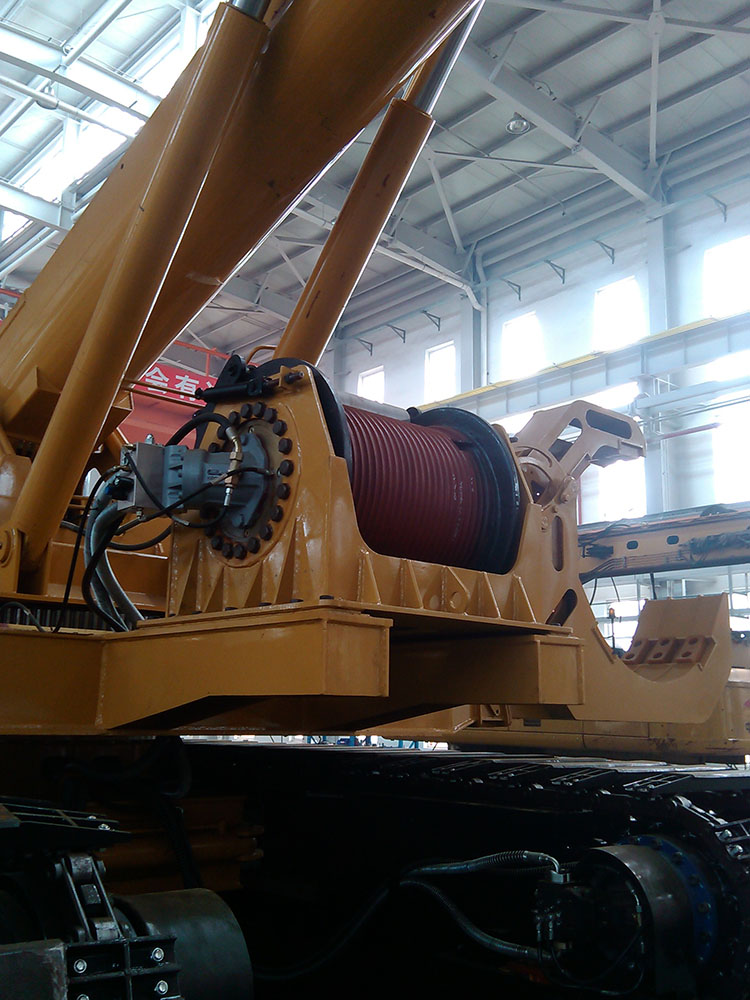
From heavy construction cranes to marine deck equipment, these winches are essential tools. They serve industries where precise, strong pulling power is non-negotiable. Oddly enough, they also intersect with humanitarian needs — for example, in quickly erecting disaster relief infrastructure or moving debris after storms.
Mini Takeaway:
Simply put, a 50 ton hydraulic winch combines raw pulling power with hydraulic reliability, making it a cornerstone gadget in heavy industry and emergency response alike.
Key Factors That Define a High-Performing 50 Ton Hydraulic Winch
Durability: Built to Withstand the Toughest Conditions
Winches in this category are not vacationing in the tropics — they often operate in freezing cold, searing heat, corrosive marine environments, or dusty construction air. The materials chosen (usually high-grade steel and corrosion-resistant coatings) plus quality seals and reinforced gearboxes make all the difference.
Power & Precision Control
Hydraulic systems offer smooth, responsive control over pulling speed and force, enabling safe operation with heavy loads. Many manufacturers equip their winches with sensors and remote-control capabilities, a real boon in dangerous or tight spots.
Scalability & Customization
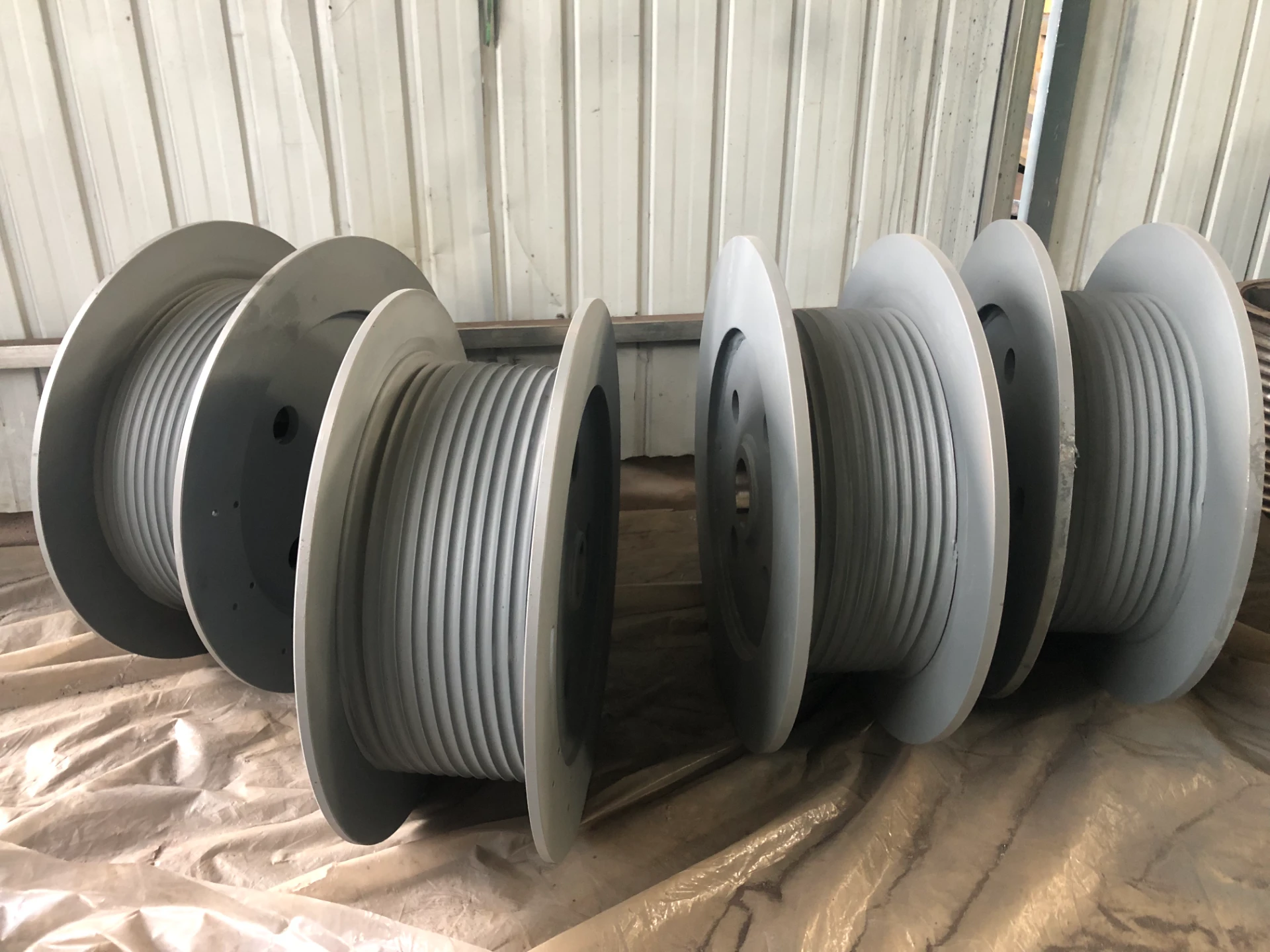
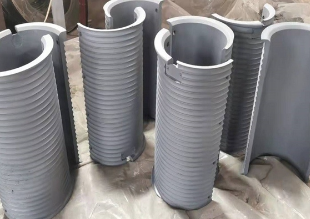
Not every project needs the same setup. Modular design elements allow users to swap cables, drums, and mounting configurations. Some winches also integrate with vehicle hydraulics, extending their versatility.
Cost Efficiency Over Time
While initial investments can be significant, the long life span, low maintenance, and fuel efficiency often drive down operational costs across the equipment’s usable years.
Safety Features
Load-holding brakes, emergency stops, and overload protection aren’t just add-ons — they’re critical to protecting operators’ lives and equipment assets.
Vendor Specification Table
| Feature | Spec | Typical Range |
|---|---|---|
| Maximum Pull Capacity | 50 tons (45,000 kg) | 40–60 tons |
| Cable Diameter | 22 mm | 18–25 mm |
| Hydraulic Pressure | 150 bar | 140–180 bar |
| Drum Capacity | 125 m cable | 100–150 m |
| Mount Type | Vehicle/Platform | Fixed, Mobile |
Where and How Are 50 Ton Hydraulic Winches Used Around the World?
These impressive devices are true global workhorses with footprints in many sectors:
- Maritime Industry: Used on ships and offshore platforms to haul cargo and equipment. Coastal regions of Southeast Asia and Northern Europe depend heavily on these.
- Construction & Mining: Essential in skyscraper and tunnel builds, particularly in fast-growing economies like China and Brazil.
- Emergency & Disaster Relief: After hurricanes or earthquakes, agencies use winches to clear debris, erect shelters, and rescue operations, e.g., in the Caribbean or South Asia.
- Oil and Gas: Offshore rigs in the Gulf of Mexico and West Africa employ these winches for heavy load handling under challenging conditions.
One memorable application was during the 2019 Mozambique cyclone relief operations, where 50 ton hydraulic winches helped clear transportation routes and erect provisional shelters faster than anticipated.
Mini Takeaway:
From industrial jungles to natural disaster zones, the 50 ton hydraulic winch remains invaluable—sort of like the unsung muscle behind smooth operations.
The Enduring Advantages and Long-Term Impact
Why not just rent a one-time winch or use lighter equipment? Well, the 50 ton hydraulic winch offers a combination of resilience, cost-efficiency, and social impact that’s hard to beat.
- Safety: Heavy-duty braking and precise controls reduce accidents.
- Reliability: Less downtime means projects finish on schedule.
- Investment Value: They last decades with proper maintenance.
- Social Impact: In post-disaster scenarios, rapid deployment saves lives and restores dignity.
The Future of 50 Ton Hydraulic Winches: What’s Next?
The horizon is bright and a bit electrifying. Manufacturers are incorporating smarter controls with IoT tech that monitor load stress, hydraulic fluid quality, and system health in real-time. Green energy integrations, like solar-powered hydraulic pumps, may reduce carbon footprints. Materials science improvements aim for lighter but stronger components — kind of reshaping expectations on portability and durability.
Challenges and the Innovative Solutions Tackling Them
Despite their strengths, these winches come with issues — mainly weight, cost, and maintenance complexity. Transporting a 50 ton winch isn’t always straightforward. However, modular designs and better remote diagnostics are softening the edges.
Many engineers argue that improving hydraulic fluid types and seal materials could push the service intervals even further, which matters in remote areas where maintenance crews can take days to arrive.
Vendor Comparison Table
| Vendor | Max Capacity | Control Type | Typical Price Range | Warranty |
|---|---|---|---|---|
| LBS Winch Co. | 50 tons | Remote / Manual | $40k–$60k | 3 years |
| HydroPull Ltd. | 55 tons | Manual | $38k–$55k | 2 years |
| Titan Winch Works | 50 tons | Remote / Auto | $45k–$70k | 4 years |
Frequently Asked Questions About 50 Ton Hydraulic Winch
Q1: How do I determine if I need a 50 ton hydraulic winch instead of a smaller model?
The key is load requirements and operational environment. If the maximum pulling or lifting load regularly approaches or exceeds 40 tons, it’s safer and more efficient to choose a 50 ton hydraulic winch. Also, consider the duty cycle, project scale, and whether you need robust safety features common in higher-capacity units.
Q2: Can a 50 ton hydraulic winch be mounted on standard vehicles?
Generally, no. These winches require platforms or vehicles designed to handle their size and weight, with reinforced mounting points. Some modular designs allow integration with heavy trucks or cranes, but you should always consult manufacturer guidelines to ensure safety and performance.
Q3: How often should maintenance be performed on a 50 ton hydraulic winch?
Routine visual checks should be done before every use. Professional servicing, including hydraulic system inspection and lubrication, is typically recommended every 500 hours of operation or annually, whichever comes first. Harsh environments may require more frequent attention.
Q4: Are these winches energy efficient?
Hydraulic systems are usually more efficient under heavy loads than electric winches, particularly when integrated with vehicle or machinery hydraulics. Recent advances in smart hydraulic pumps and variable displacement technology are pushing efficiency even further.
Wrap-Up: The Weighty Benefits of 50 Ton Hydraulic Winches
So, to sum up, a 50 ton hydraulic winch isn't just heavy machinery—it’s a critical enabler for many global industries and relief efforts. It blends sheer power with modern controls, durability with safety, and robust design with long-term cost-effectiveness.
If you want to explore options, check examples, or get a quote from trusted experts, visit LBS Winch’s site. Believe me, once you’ve seen these machines in action, you’ll understand why they’re indispensable.
References:
-
The Ultimate Guide to Gear Steels for Durability and PerformanceNewsApr.16,2026
-
High Performance Gear Stainless Steel for Industrial DurabilityNewsApr.09,2026
-
Comprehensive Guide to Steel Bevel Gears Applications and SelectionNewsApr.07,2026
-
Comprehensive Guide to Durable Stainless Steel Miter Gears and ApplicationsNewsApr.04,2026
-
Comprehensive Guide to Steel Spur Gears Functionality and ApplicationsNewsMar.31,2026
-
Comprehensive Guide to Durable Stainless Steel Spur Gears and Their ApplicationsNewsMar.28,2026