Electric Cable Winch Guide | Expert Insights & Product Specs
Understanding the Electric Cable Winch: An Insider’s Perspective
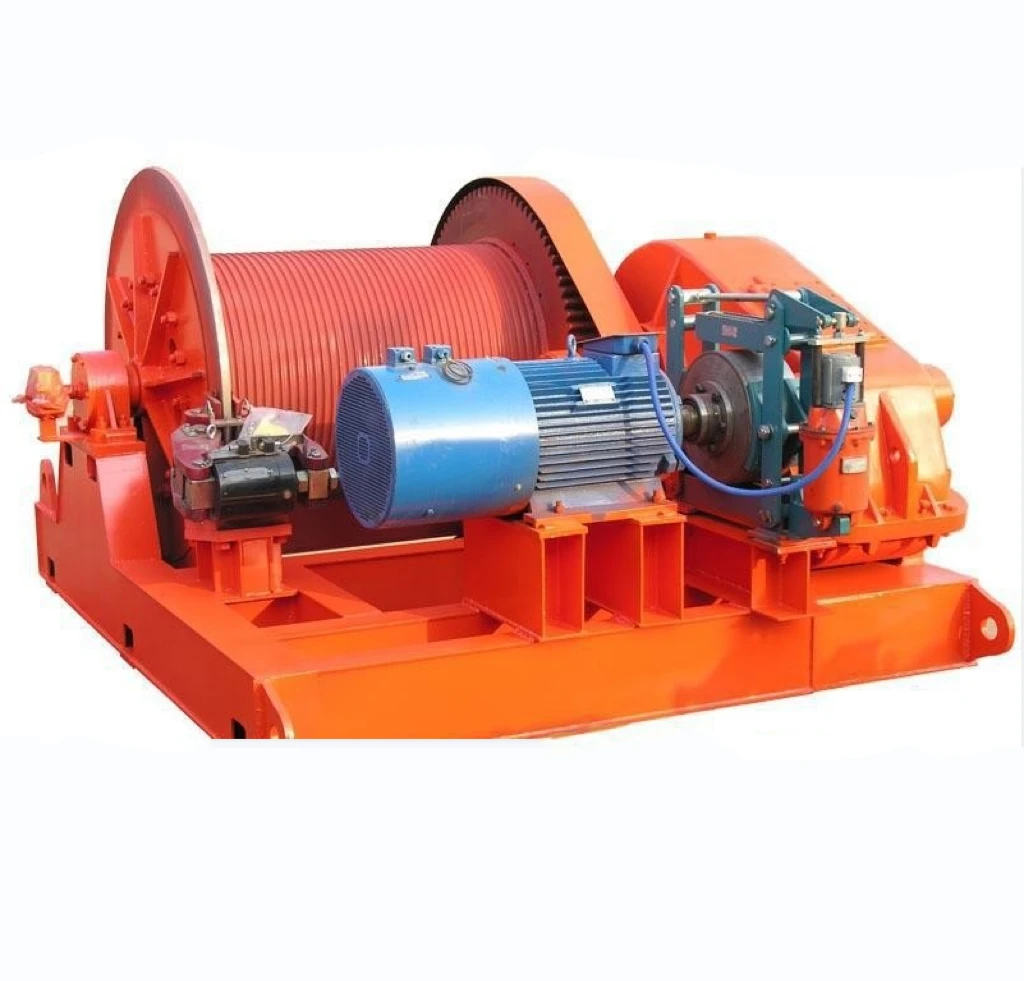
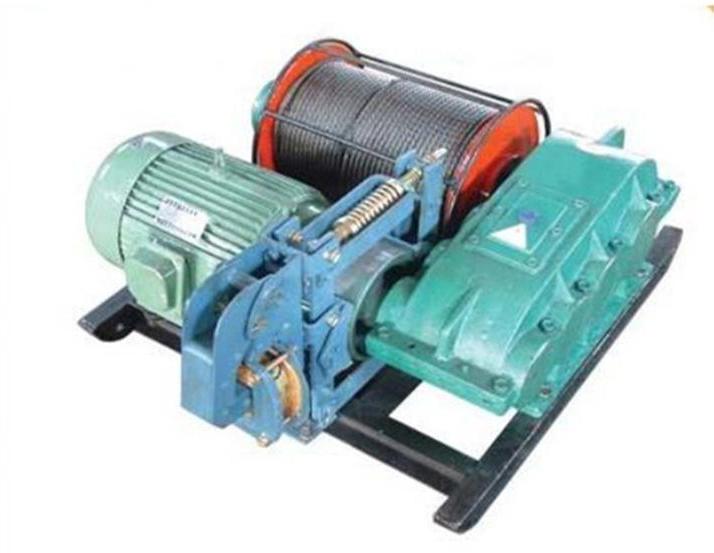
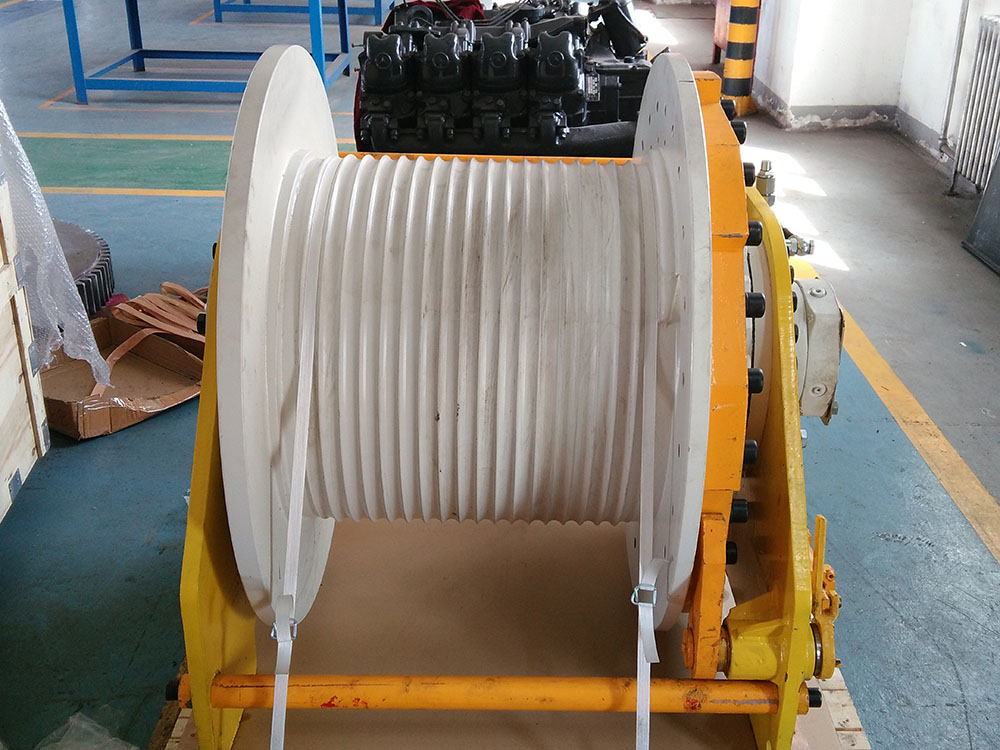
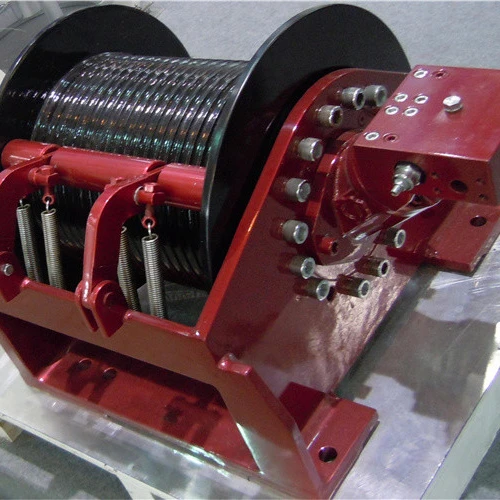
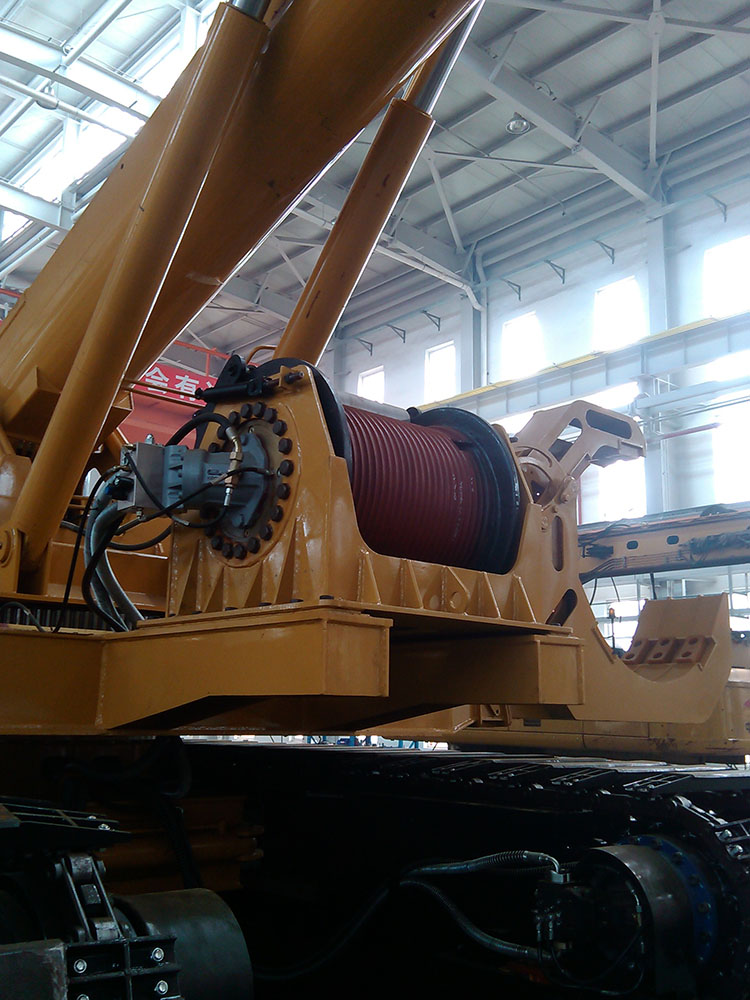
Having spent well over a decade working alongside heavy machinery and industrial equipment, I can tell you that the humble electric cable winch is often underestimated. It’s not just a spool and motor — it’s a carefully designed lifeline for countless operations, from construction sites to shipping yards. Frankly, the right winch can make or break job efficiency.
So, what really makes an electric cable winch tick? In my experience, it’s the blend of durability, power, and safety features. Oddly enough, though it seems simple from afar, the engineering behind these tools is rather intricate.
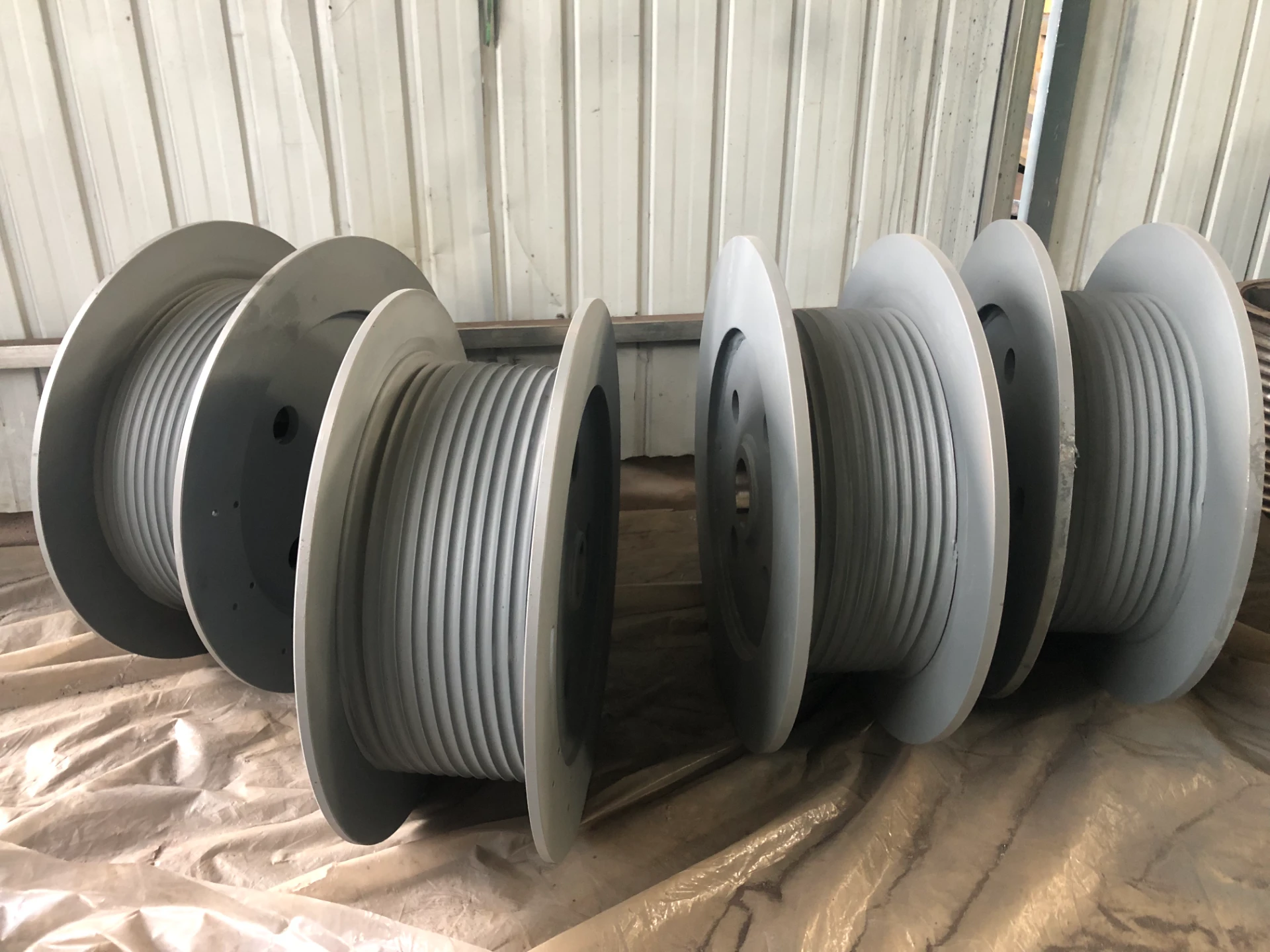
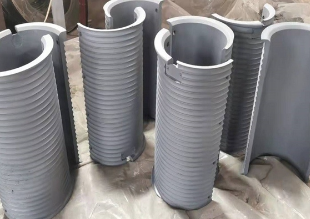
Most folks focus on pulling capacity—how many tons it can haul on the cable. But, just as crucial is the quality of materials used. High-grade steel cables paired with a sealed, industrial-grade electric motor means the winch can wrestle through tough outdoor conditions — mud, dust, even salt spray near marine environments. Some manufacturers take it further, adding corrosion-resistant coatings and heat-treated drums. That’s where you get longevity without nasty surprises.
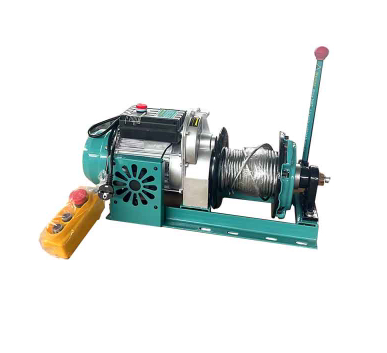
Where the rubber meets the road, you also want a dependable control system. A wired or wireless remote control with an emergency stop is non-negotiable. I've seen situations where a quick stop avoided injury or equipment damage, and that peace of mind matters, more than most first-time buyers realize.
| Feature | Specification |
|---|---|
| Rated Line Pull | 5 Ton (10,000 lbs) |
| Motor Power | 3 kW, 380V AC |
| Cable Length | 40 meters (131 feet) |
| Cable Diameter | 12 mm (0.47 inches) |
| Control Type | Wireless Remote |
| Brake System | Multiple-Disk Electric Brake |
I remember a particular project where we deployed several cable winches to pull heavy steel beams into place. The client needed speed but also precise control because the workspace was tight. The electric winches with their smooth variable speed control proved indispensable — the operators could inch forward without jerks or sudden movements. It’s these small details, which often get overlooked in specs sheets, that users appreciate on-site.
Now, not every manufacturer is cut from the same cloth. Choosing the right vendor can feel like navigating a maze. To help with that, here’s a quick comparison of three notable electric cable winch suppliers I’ve come across in the industry:
| Vendor | Product Quality | Customization | Price Range | Lead Time |
|---|---|---|---|---|
| LBS Winch | High — Durable, industrial-grade | Extensive (motors, controls, cable length) | Mid-range | 2–4 weeks |
| Vendor B | Moderate — Good for light usage | Limited | Budget-friendly | 1–3 weeks |
| Vendor C | Premium — Custom engineering available | Highly customizable | High-end | 4–8 weeks |
One thing I’ve learned: specs don’t tell the whole story. Customer service, warranty conditions, and spare parts availability often influence the day-to-day value of your investment. Many engineers I know swear by brands that back their products with solid after-sales support — because downtime can be costly and frustrating.
In real terms, an electric cable winch is not just a tool; it’s part of a workflow. Get it right, and it feels like an extension of your team. Get it wrong, and you’ll notice those efficiency hits quickly.
Whether you’re looking to replace an outdated winch or spec one for a new project, it’s wise to reach out to trusted suppliers, ask for demos if available, and get feedback from peers who have hands-on experience. The right winch can save you sweat, time, and a good chunk of money down the line — no exaggeration.
So, here’s my takeaway: treat the electric cable winch as more than just a heavy-duty spool. Look for quality, control, and service. Oh, and trust your gut — if a particular model or vendor inspires confidence, that’s usually a good sign.
References:1. Industry equipment supplier catalogs
2. Field engineer anecdotal reports
3. Manufacturer technical data sheets
-
The Ultimate Guide to Gear Steels for Durability and PerformanceNewsApr.16,2026
-
High Performance Gear Stainless Steel for Industrial DurabilityNewsApr.09,2026
-
Comprehensive Guide to Steel Bevel Gears Applications and SelectionNewsApr.07,2026
-
Comprehensive Guide to Durable Stainless Steel Miter Gears and ApplicationsNewsApr.04,2026
-
Comprehensive Guide to Steel Spur Gears Functionality and ApplicationsNewsMar.31,2026
-
Comprehensive Guide to Durable Stainless Steel Spur Gears and Their ApplicationsNewsMar.28,2026