High Speed Electric Winch: Boosting Industrial Productivity and Efficiency | LBS Winch
High Speed Electric Winch is a key solution in the industry, specifically within sectors demanding rapid, reliable load handling. This article explores how https://www.lbswinch.com supports professionals with durable, high-performance products, and explains why this product is an ideal choice for businesses in these sectors.
Table of Contents
- High Speed Electric Winch Overview
- Benefits & Use Cases of High Speed Electric Winch
- Cost, Maintenance & User Experience
- Sustainability & Market Trends
High Speed Electric Winch Overview
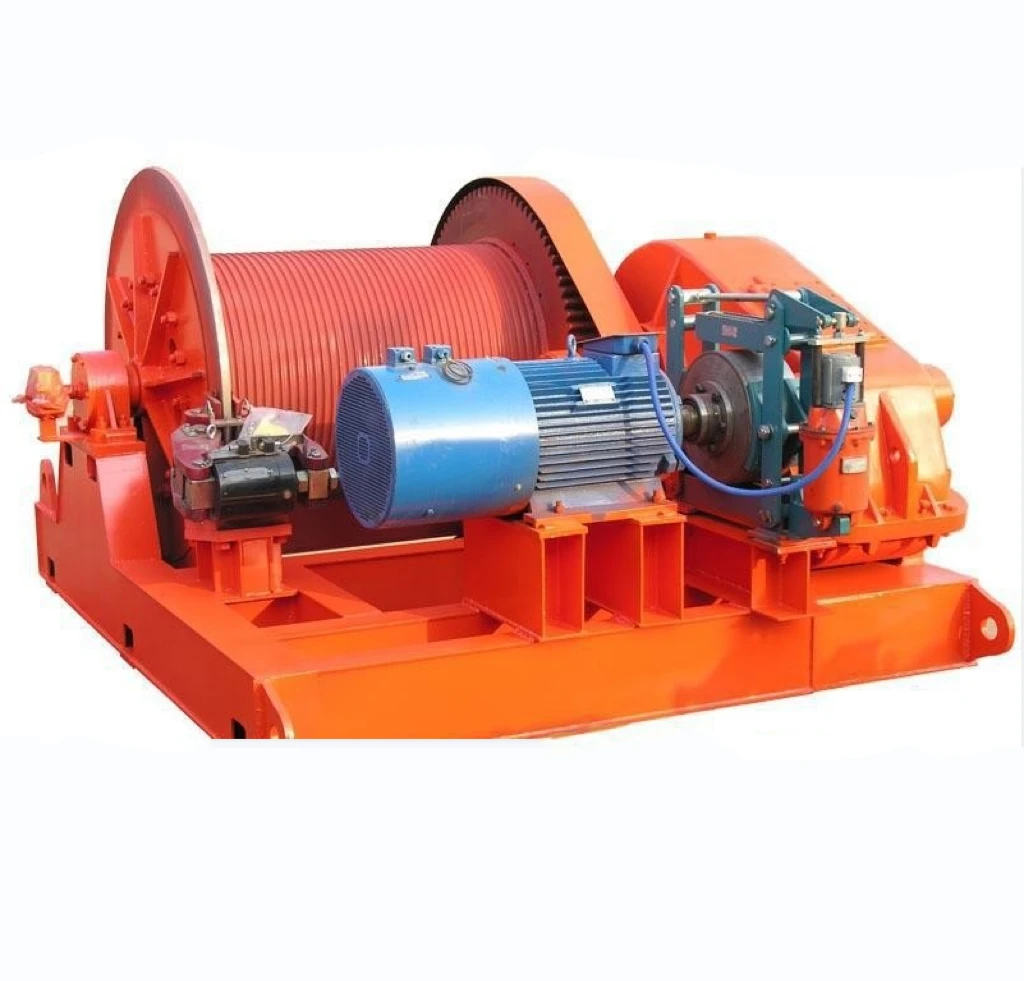
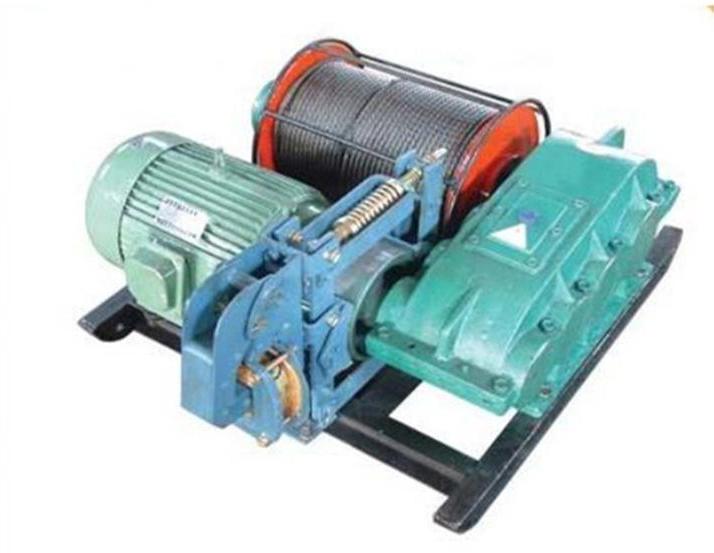
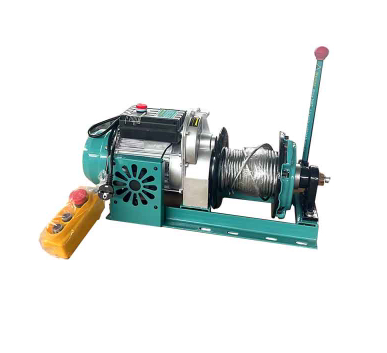
When it comes to boosting operational productivity with precision, the High Speed Electric Winch brings a potent mix of speed, power, and reliability. If you've ever wondered how heavy loads get moved swiftly and safely across demanding sites, this product is often behind that scene. Frankly, the technology is a step above standard winches — it features powerful electric motors paired with sophisticated gearing to deliver faster line pulls without sacrificing control.
Technically, these winches operate on electric motors that range commonly around 3kW to 15kW, designed to suit variable speed ratios and load capacities. Their higher RPM capabilities mean that, in real terms, they reduce operation times dramatically. For example, LBS Winch’s models boast top speeds of up to 45 meters per minute, with load capacities from 1 ton up to 25 tons. It’s a combination that frankly feels like a game-changer in heavy industries.
| Specification | Details |
|---|---|
| Motor Power | 3kW - 15kW |
| Line Speed | Up to 45 m/min |
| Max Load Capacity | 1 to 25 tons |
| Power Supply | AC Electric (380V or customizable) |
| Control Options | Remote Control / Wired Control |
Benefits & Use Cases of High Speed Electric Winch
The advantages of using a high-speed electric winch stretch across multiple industries. From construction sites lifting steel beams, through offshore platforms handling heavy gear, to mining operations quickly hauling extracted material, the speed element fundamentally changes workflow dynamics. It’s not just about power but how efficiently it’s delivered.
One feature that stands out to me (and many engineers I’ve talked with) is the balance of speed and safety — the electronic control systems allow for precise handling, reducing the chance of accidents caused by jerks or unexpected loads. Plus, the reduced operation time means sites get more done without extending work hours unnecessarily, which is great for projects on tight schedules.
Compared to traditional mechanical or hydraulic winches, these electric models offer much smoother operation, less noise, and lower maintenance needs. The ability to customize line speed and torque means that operators can dial in the best performance per task, whether it’s a delicate lift or a heavy drag.
Cost, Maintenance & User Experience
Cost-wise, I admit the upfront investment in a high-speed electric winch may appear steeper than some traditional alternatives, but that’s where the total cost of ownership shines through. These winches are engineered for durability, using high-quality steel and sealed electric components that resist dust and moisture — factors that often degrade cheaper equipment quickly.
Customers we've seen or heard feedback from emphasize the winch’s low maintenance cycles. Oddly enough, simple things like less hydraulic fluid to replace or fewer burner parts to clean make a difference — you end up spending less on downtime and repairs, which translates directly to return on investment.
The user experience is often described as “frictionless.” Operators find the controls intuitive and responsive; training time is less than what you’d expect. I suppose sometimes that’s the underappreciated secret of these tools — when users get the hang of the technology smoothly, productivity just flows better.
Sustainability & Market Trends
Sustainability has become a serious lens through which equipment is judged, especially for B2B buyers. High Speed Electric Winches inherently offer greener credentials by relying on electric power rather than fossil fuels, thus cutting carbon emissions during operation. They fit well within companies’ broader environmental compliance frameworks, which are tightening globally.
Market trends reveal an uptick in demand for electric winches, fueled by regulations pushing for greener alternatives. The integration of smart sensors and IoT technologies to monitor usage and predictive maintenance also nudges efficiency higher. Oddly enough, these trends are making what once felt like niche tech, sort of mainstream in industries like maritime, construction, and logistics.
| Vendor | Max Load Capacity | Speed (m/min) | Warranty | Price Range |
|---|---|---|---|---|
| LBS Winch | 1 - 25 Tons | Up to 45 | 24 months | Competitive |
| Vendor B | 1 - 20 Tons | 30 | 18 months | Mid-high |
| Vendor C | Up to 10 Tons | 40 | 12 months | Lower |
Frequently Asked Questions about High Speed Electric Winch
- What is High Speed Electric Winch and how does it work?
- Simply put, a High Speed Electric Winch is a motorized device designed to pull or lift loads quickly and safely using electrically powered mechanics. It uses an electric motor to spin a drum which winds the cable or rope. The high-speed aspect means it can move loads faster than typical winches, improving efficiency on site.
- What are the main benefits of using High Speed Electric Winch in industrial applications?
- Key advantages include rapid load handling, improved control and safety, lower noise levels compared to hydraulic types, and lower maintenance costs. These factors together increase productivity and reduce downtime—critical in industrial environments.
- How does High Speed Electric Winch compare to traditional alternatives?
- Unlike older mechanical or hydraulic winches, high-speed electric models are cleaner, quieter, and more precise. They allow variable speed control, leading to safer handling and reduced wear-and-tear on equipment. This makes them more cost-effective over their lifetime.
- What industries can benefit most from High Speed Electric Winch implementation?
- Industries like construction, offshore oil and gas, mining, maritime logistics, and heavy manufacturing find these winches invaluable. For instance, an offshore rig recently reported speeding up equipment transfers by 30% after switching to a high-speed electric winch.
Conclusion on High Speed Electric Winch from china
In conclusion, the High Speed Electric Winch represents a significant leap forward for businesses needing dependable, rapid load handling solutions. It’s not just a machine; it’s a productivity partner that adapts to tough environments with relative ease. If you’re in heavy industry, seriously considering this tool makes a lot of sense for streamlining your operations and ultimately saving costs.
- Recap the value of High Speed Electric Winch.
- - Visit our website: https://www.lbswinch.com
Reflecting on this, it’s clear the High Speed Electric Winch is more than just equipment — it’s a driver of efficiency and sustainability for future-facing industrial enterprises. For further insights, industry reports and technical reviews from leading manufacturers are great resources to consult.
-
The Ultimate Guide to Gear Steels for Durability and PerformanceNewsApr.16,2026
-
High Performance Gear Stainless Steel for Industrial DurabilityNewsApr.09,2026
-
Comprehensive Guide to Steel Bevel Gears Applications and SelectionNewsApr.07,2026
-
Comprehensive Guide to Durable Stainless Steel Miter Gears and ApplicationsNewsApr.04,2026
-
Comprehensive Guide to Steel Spur Gears Functionality and ApplicationsNewsMar.31,2026
-
Comprehensive Guide to Durable Stainless Steel Spur Gears and Their ApplicationsNewsMar.28,2026