Durable and Efficient 2000 lb Hydraulic Winch – Global Industrial Solutions
Understanding the 2000 lb Hydraulic Winch: Why It Matters Globally
Hydraulic winches rated at 2000 pounds capacity might sound niche, but in reality, they’re quietly ubiquitous powerhouses in industries worldwide. From forestry operations deep in the Amazon to disaster relief missions in Southeast Asia, these seemingly simple machines enable heavy lifting and load control in conditions where humans alone simply can't manage. Their relevance continues to grow as sectors demand reliable, durable, and cost-effective load handling solutions.
Grasping why the 2000 lb hydraulic winch matters globally not only helps engineers and procurement specialists make informed choices but also highlights innovations advancing industrial efficiency and humanitarian logistics alike. Plus, with regulations tightening worldwide around equipment safety and sustainability, understanding their benefits and future prospects becomes even more crucial.
Global Industry Context: The Rise of Hydraulic Winches
Globally, hydraulic winches are a critical part of the machinery ecosystem, particularly where electric or pneumatic options are less practical. According to an International Organization for Standardization (ISO) report, heavy machinery reliability contributes directly to a 5–10% decrease in operational downtime across construction and forestry sectors worldwide (1). Hydraulic winches, such as the 2000 lb variants, excel in harsh environments — the kind where dust, moisture, or erratic power supplies would ground less robust equipment.
Challenges like uneven terrain, unpredictable load demands, and safety compliance issues push companies towards adaptable, powerful hydraulic solutions. For example, post-disaster zones often lack reliable electricity, making hydraulic models that draw power from vehicle engines invaluable.
Mini takeaway:
- Hydraulic winches address critical lifting/hauling challenges globally.
- They reduce downtime significantly in heavy industries.
- Ideal for rough terrains and power-limited environments.
What Exactly Is a 2000 lb Hydraulic Winch?
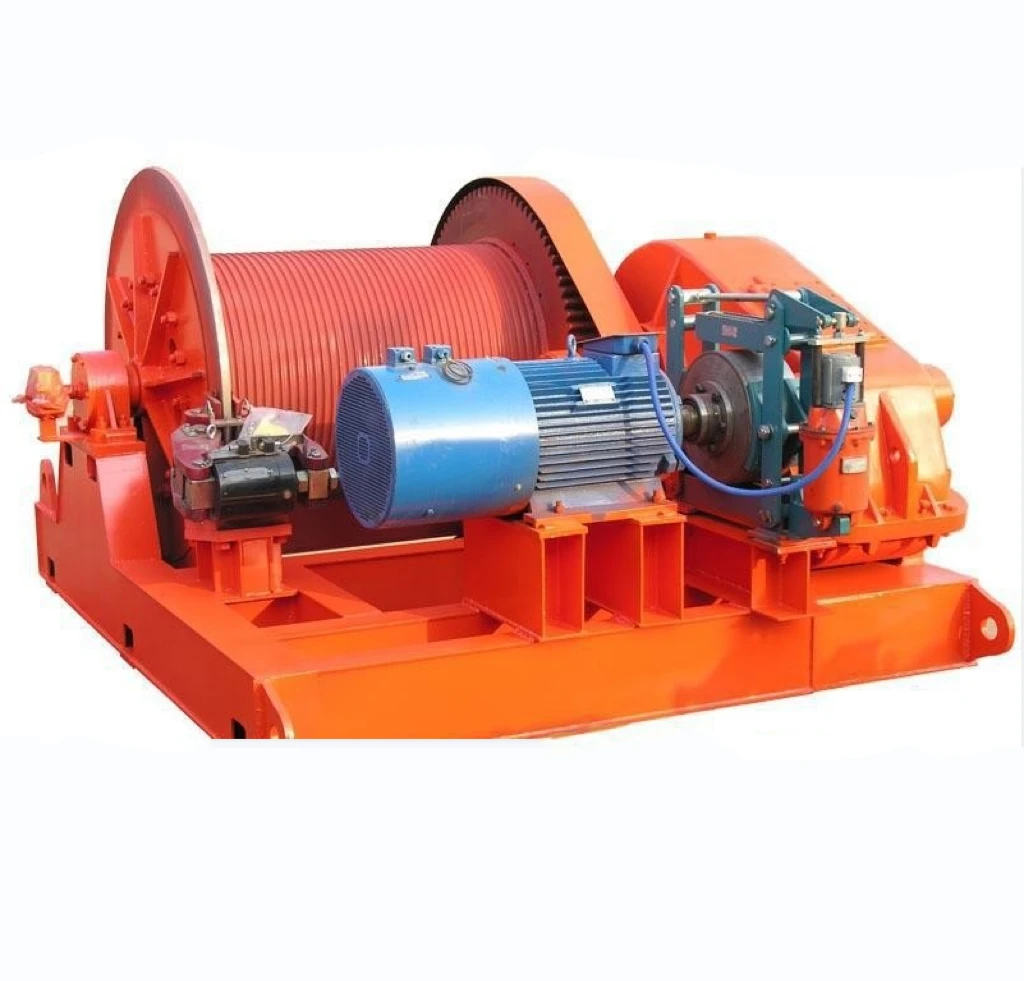
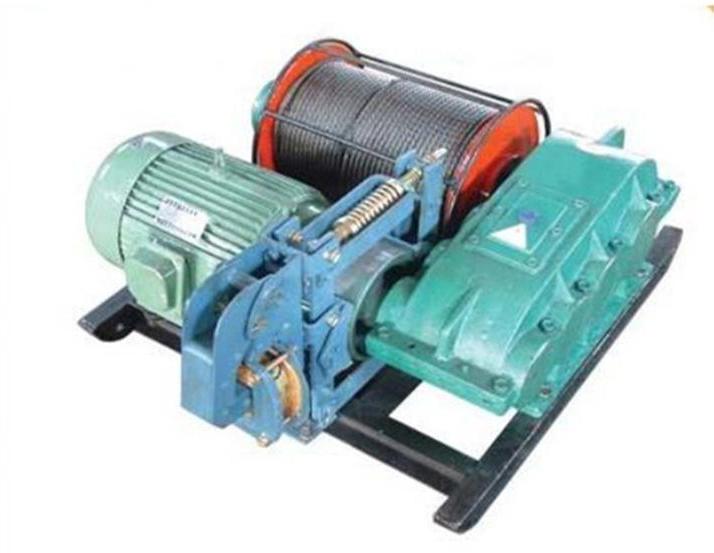
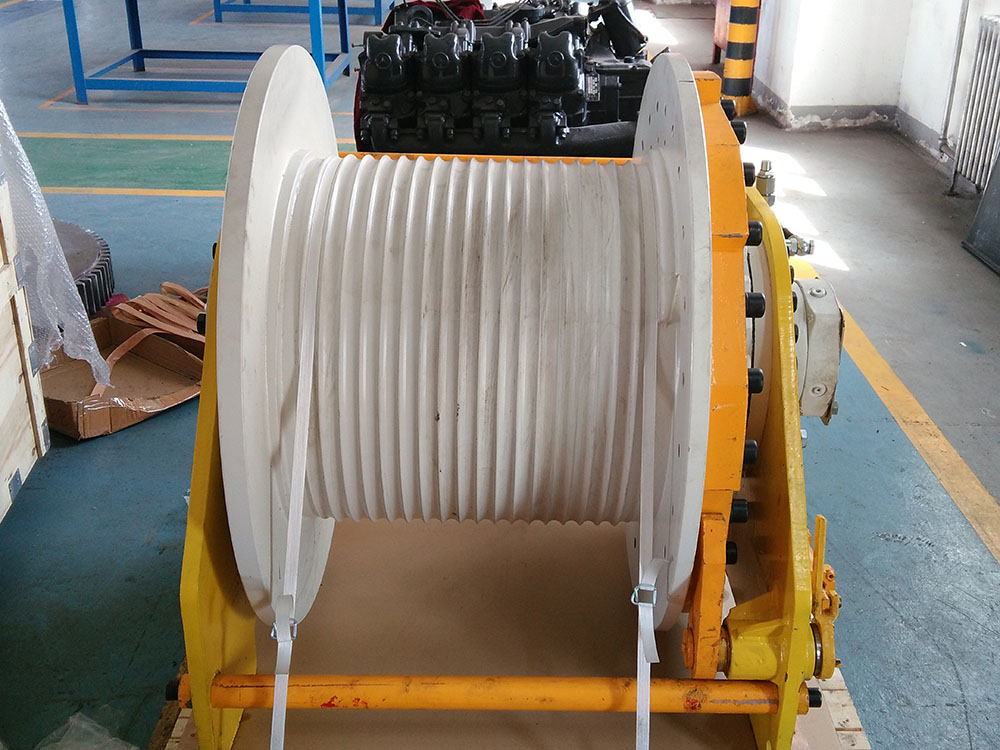
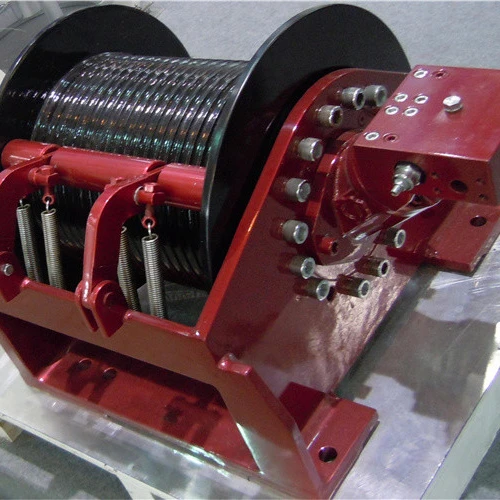
In simple terms, a 2000 lb hydraulic winch is a winch that uses hydraulic power—typically from a vehicle’s engine-driven hydraulic pump—to pull or lift loads up to 2000 pounds (approximately 907 kg). Unlike electric winches that depend on batteries, hydraulic winches are praised for consistent torque output and durability in prolonged heavy-duty cycles.
Modern industry uses these winches for everything from pulling heavy timber to repositioning large equipment safely. For humanitarian groups, they’re vital for setting up infrastructure or clearing disaster debris where quick, powerful load movement can save lives.
Core components and factors that impact performance
Durability
Hydraulic winches must endure heavy repetitive loads in extreme environments. Typically, they’re built with corrosion-resistant materials like stainless steel and coated alloys to resist rain, mud, and chemical exposure.
Power Efficiency
Since they run off hydraulic fluid pressure, these winches convert engine energy very efficiently, often outperforming electric winches in continuous duty cycles without overheating.
Control Precision
Operators benefit from fine control via hydraulic valves and remote levers, enabling careful load adjustments—a huge plus when handling fragile or dangerous cargo.
Maintenance
Regular maintenance involves checking hydraulic fluid levels and inspecting seals for leakage but generally calls for fewer electronic repairs compared to electric models.
Portability
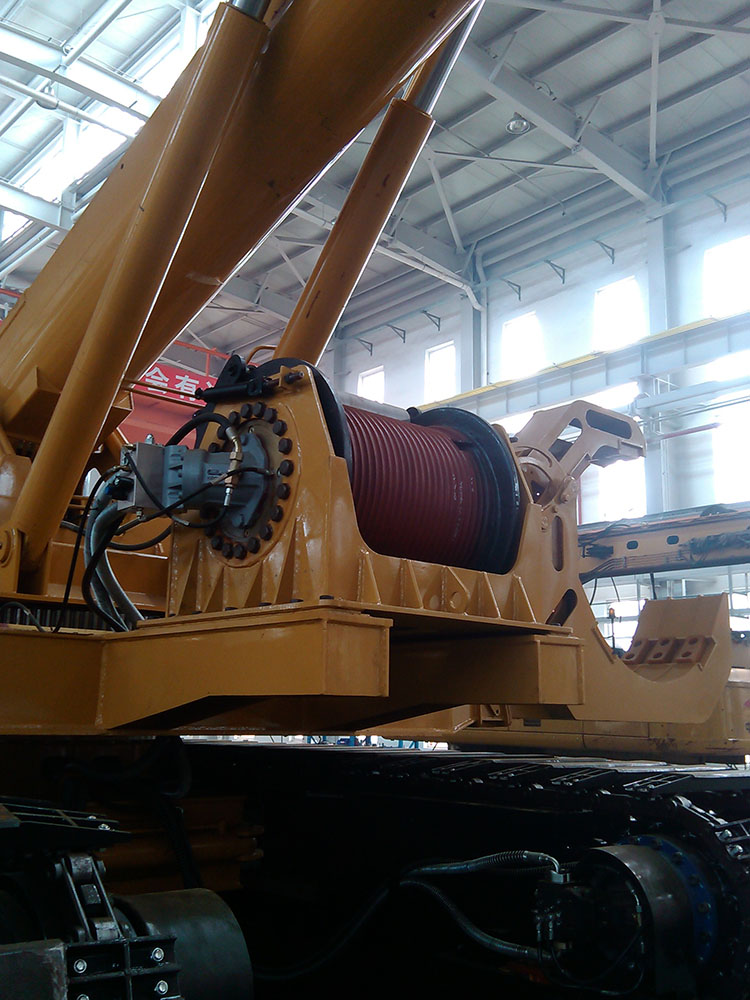
Many 2000 lb hydraulic winches are compact enough to mount on small utility vehicles or trailers, giving great flexibility for rugged fieldwork.
Mini takeaway:
- Built tough for long service life.
- Highly efficient energy usage.
- Precise, easy-to-manage operations.
- Maintenance is straightforward yet essential.
Global Applications: Who's Using the 2000 lb Hydraulic Winch?
It’s interesting—across Latin America, Southeast Asia, and parts of Africa, NGOs and forestry companies rely heavily on 2000 lb winches. For instance:
- Post-disaster relief efforts: In Haiti and Nepal, aid workers use hydraulic winches to clear rubble and deploy temporary shelters quickly.
- Forestry and logging sectors: Winches haul felled timber out of rugged terrain, minimizing environmental impact by reducing the need for heavy vehicles.
- Mining operations: Winches assist with positioning drill rigs and moving supplies around constrained underground sites.
- Construction: Transporting building materials in remote sites where electric power isn’t always reliable.
The utility is clear: wherever you need reliable, controlled heavy lifting without depending on stable electric grids, these winches show up.
Advantages & Long-Term Value of the 2000 lb Hydraulic Winch
Why pay attention? Because these units combine logical and emotional wins for users and stakeholders. Tangibly, they lower operational costs by reducing vehicle downtime and minimizing injury risks. They’re reliable and sustainable, as many models today are compatible with bio-hydraulic fluids, a nod to greener practices.
On the emotional and human side, workers trust equipment that "just works"—it feels safer, boosts morale, and helps maintain project momentum. If you’ve ever been on a job site waiting for a tool to fail or a load to slip, you know how vital trust in gear can be.
Product Specifications
| Specification | Details |
|---|---|
| Load Capacity | 2000 lb (907 kg) |
| Line Speed | 10 ft/min (3.05 m/min) |
| Operating Pressure | 2000 - 3000 PSI |
| Cable Diameter | 3/8 inch steel wire rope |
| Weight | 45 lbs (20.4 kg) |
| Mounting Type | Vehicle or trailer mountable |
Vendor Comparison: Popular 2000 lb Hydraulic Winch Models
| Vendor | Price Range | Warranty | Special Features |
|---|---|---|---|
| HydraGear Pro | $850 - $950 | 2 years | Self-lubricating seals |
| WinchWorks 2000 | $780 - $880 | 1.5 years | Compact design for small vehicles |
| LBS Winch Model H20 | $900 - $1000 | 3 years | Remote control and eco-friendly fluid compatible |
Future Tech: What’s Next for Hydraulic Winches?
Hydraulic winches are evolving beyond traditional designs. Innovations include integration with digital control systems — allowing remote diagnostics and automated tension management. Imagine adjusting pull strength or speed with a smartphone app without even touching the winch.
Material science is also pushing for lighter, stronger components using composites and enhanced coatings to improve corrosion resistance. Environmentally, there’s a strong push for sustainable bio-based hydraulic fluids and zero-leak fittings, reflecting broader industry goals (2).
Automation is trickier because these winches need nuanced, manual control, but incremental steps toward semi-autonomous operation in forestry or construction are underway. It feels like we’re at the cusp of smarter machines without losing the rugged simplicity that makes hydraulic winches so dependable.
Challenges & Innovative Solutions
One persistent challenge for hydraulic winches is maintaining performance in extremely cold conditions where hydraulic fluid can thicken, reducing responsiveness. Specialists recommend using cold-weather rated fluids or installing heating elements near hydraulic lines.
Another issue is the complexity of hydraulic systems leading some users to prefer electric models for ease of troubleshooting. However, training service staff and investing in modular hydraulic components can mitigate downtime substantially.
Finally, sourcing quality replacement parts in remote regions can be tough. Some vendors now offer global supply chains and fast-shipping parts kits that help address this market pain.
FAQ: Common Questions About 2000 lb Hydraulic Winches
- How do hydraulic winches differ from electric winches?
- Hydraulic winches draw power from hydraulic fluid pressure, generally offering more consistent torque over long periods, better in harsh conditions without overheating. Electric winches tend to be easier for quick, light tasks but can falter under continuous heavy loads.
- What maintenance is needed to keep a 2000 lb hydraulic winch reliable?
- Regularly check hydraulic fluid levels, inspect hoses and seals for leaks, and clean the drum and cable. Preventative maintenance every 6-12 months depending on use can prolong service life.
- Can a 2000 lb hydraulic winch be mounted on any vehicle?
- Most models are designed for mounting on utility vehicles or trailers with hydraulic systems providing 2000-3000 PSI. Compatibility depends on your vehicle’s hydraulic capacity and mounting brackets.
- Are these winches environmentally friendly?
- Many offer compatibility with bio-based hydraulic fluids that reduce environmental impact. Plus, efficient energy use reduces overall emissions compared to electric winches relying on fossil-fuel-generated electricity in some regions.
- Where can I buy a dependable 2000 lb hydraulic winch?
- Reputable vendors include LBS Winch, who offer quality models with warranties and global shipping options tailored to industrial needs.
Wrapping Up: Why Invest in a 2000 lb Hydraulic Winch?
The 2000 lb hydraulic winch isn’t just a machine; it’s a steadfast partner for anyone needing dependable, powerful load management in challenging environments. Its presence in industries from forestry to disaster relief showcases its versatility and growing importance.
Looking forward, embracing new technologies and sustainable practices will only enhance its value. Whether you’re an engineer, logistician, or field operator, the right hydraulic winch can mean the difference between delayed projects and smooth operations — you owe it to your team to consider this tool carefully.
For a closer look at top-quality solutions, I highly recommend checking out 2000 lb hydraulic winch options and expert support from trusted vendors.
References
- ISO, Machinery Reliability Standards, 2022.
- UN Environment Programme, Sustainable Hydraulic Fluids, 2021.
- Wikipedia contributors, Hydraulic Winch, Wikipedia, 2024.
-
The Ultimate Guide to Gear Steels for Durability and PerformanceNewsApr.16,2026
-
High Performance Gear Stainless Steel for Industrial DurabilityNewsApr.09,2026
-
Comprehensive Guide to Steel Bevel Gears Applications and SelectionNewsApr.07,2026
-
Comprehensive Guide to Durable Stainless Steel Miter Gears and ApplicationsNewsApr.04,2026
-
Comprehensive Guide to Steel Spur Gears Functionality and ApplicationsNewsMar.31,2026
-
Comprehensive Guide to Durable Stainless Steel Spur Gears and Their ApplicationsNewsMar.28,2026