Durable and Efficient 20 Ton Hydraulic Winch for Heavy Lifting | LBS Winch
Understanding the 20 Ton Hydraulic Winch: More than Just Muscle
When you think of heavy lifting and pulling — from massive shipping containers to rugged construction materials — it’s often the 20 ton hydraulic winch quietly doing the grunt work behind the scenes. These beasts of engineering aren't just about raw power; they represent a crucial blend of reliability, precision, and adaptability across industries worldwide.
Why does this matter on a global scale? Well, with infrastructure development booming in emerging economies and industries like maritime, mining, and disaster relief demanding robust solutions, understanding what makes a 20 ton hydraulic winch tick can actually save lives and dollars. It’s one of those “unsung heroes” components that keep projects rolling, quite literally.
Global Insights: The Role of 20 Ton Hydraulic Winches in Industry
Globally, the demand for powerful, efficient winching systems has grown steadily. According to recent industrial equipment market reports, hydraulic winches are favored for their enhanced torque and controllability, especially where electric options may fall short due to power or environmental constraints.
The 20 ton hydraulic winch category stands out because it strikes a balance — heavy enough for demanding tasks, but still manageable for mobile operations. In regions like Southeast Asia and sub-Saharan Africa, expanding infrastructure projects often rely on such equipment. And in ports around the world, where ship-to-shore container handling demands precision and strength, these winches play a starring role.
But here’s a challenge: in unpredictable settings such as disaster zones, operators need gear that can quickly deploy, resist wear and tear, and perform under pressure. The 20 ton hydraulic winch meets many of these needs — if selected and maintained properly.
What Exactly is a 20 Ton Hydraulic Winch?
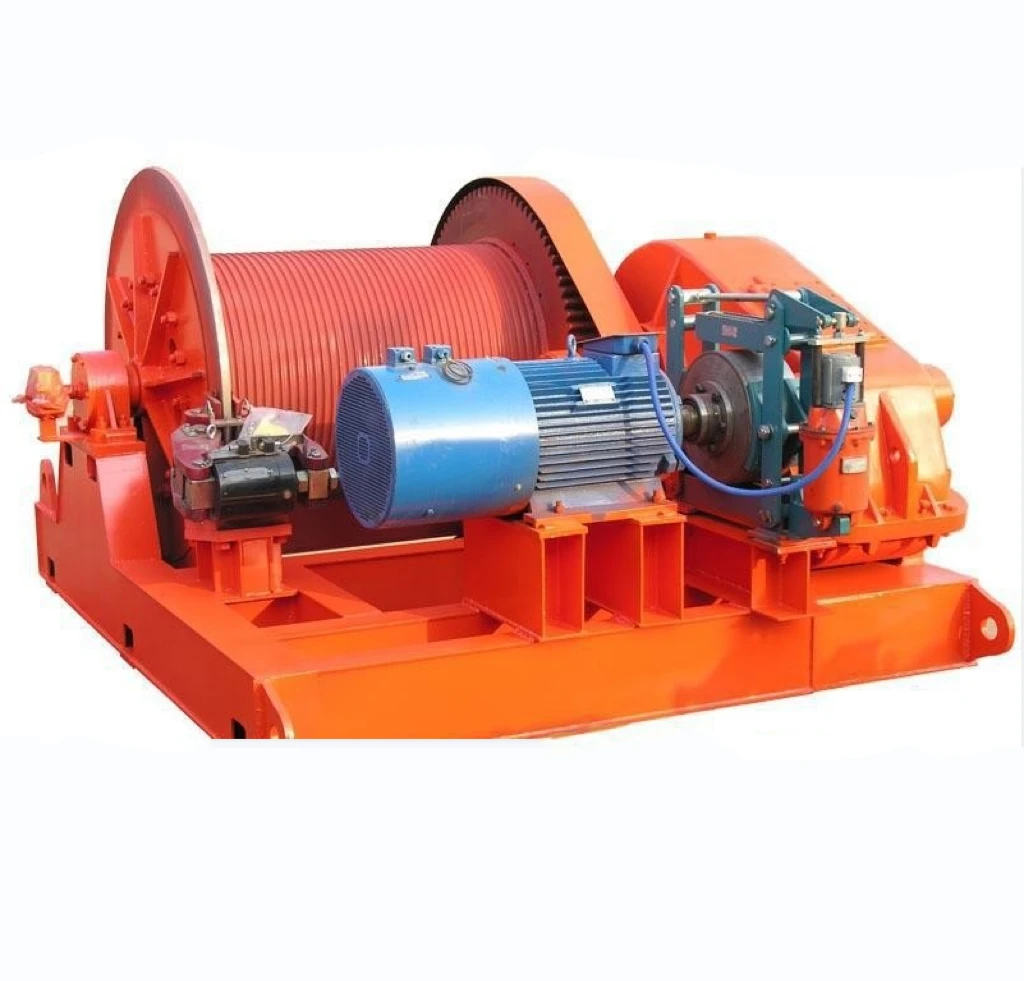
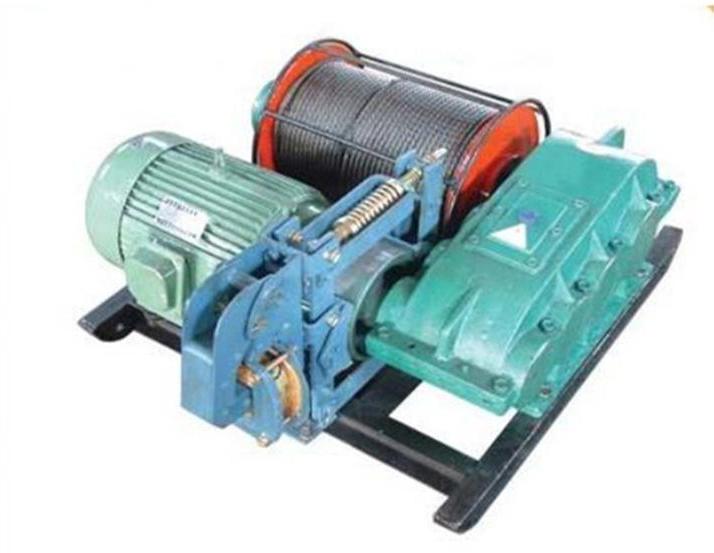
Simply put, a hydraulic winch is a machine designed to pull or lift loads by winding or unwinding a cable or rope around a drum, powered by hydraulic pressure rather than electricity or pure mechanical force. The “20 ton” part refers to the maximum pulling capacity — roughly 40,000 pounds — making it a heavyweight in the realm of industrial winches.
Its hydraulic design offers several advantages: smooth power modulation, superior torque at low speeds, and high durability under challenging operating conditions. Industries ranging from construction to offshore oil drilling use these winches to handle loads that are just too heavy or awkward for humans or simpler machines.
Key Components that Make Up the 20 Ton Hydraulic Winch
1. Durability & Build Quality
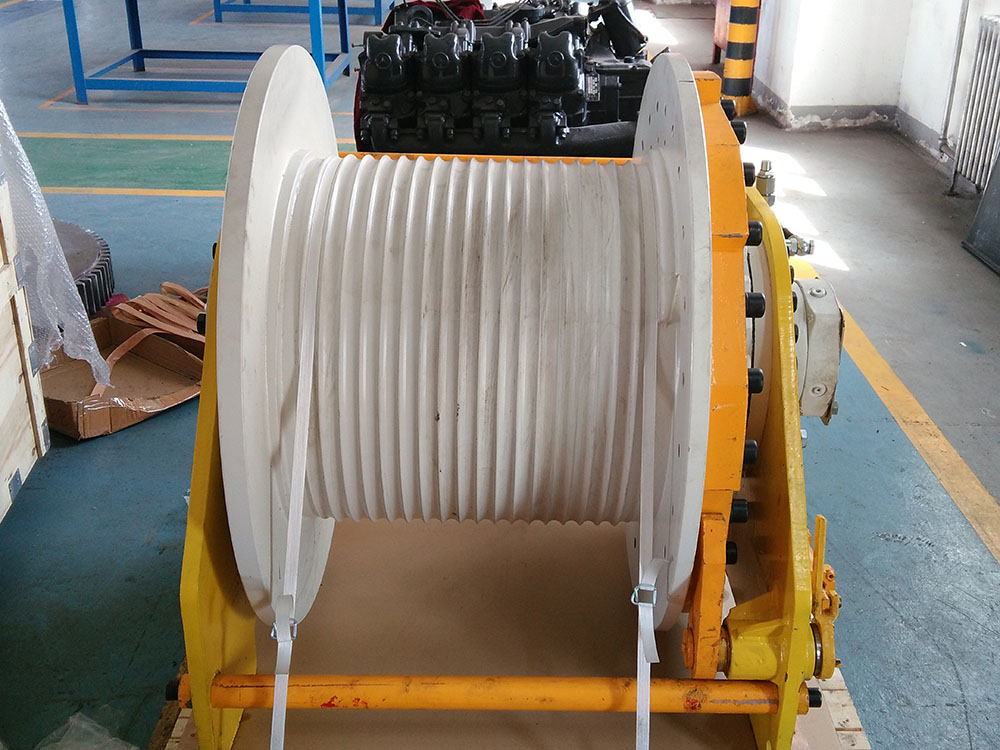
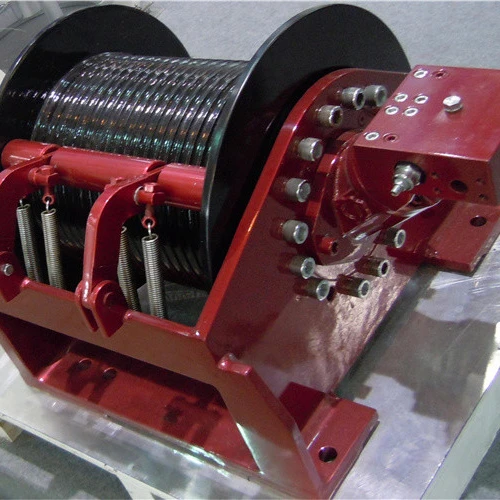
Heavy loads demand rugged construction. Most quality 20 ton hydraulic winches feature cast steel or reinforced alloy drums and frames that resist corrosion and fatigue. This means they endure long shifts and harsh environments, from salty sea air to dusty deserts.
2. Hydraulic Power System
The winch’s heart is its hydraulic motor and pump, converting fluid power into relentless torque. The ability to control fluid flow translates to smooth starts, stops, and variable speeds — essential for delicate or precision hauling.
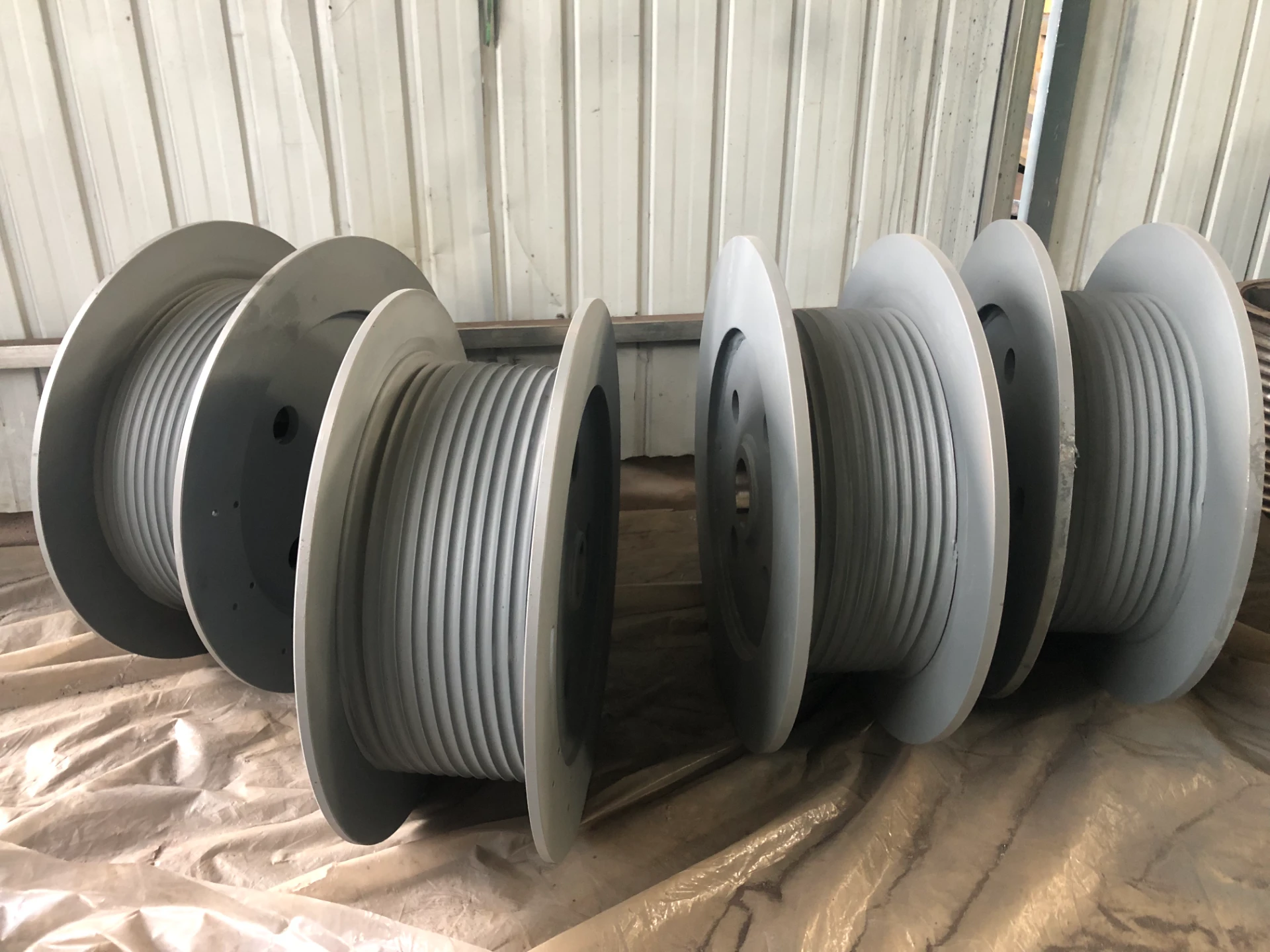
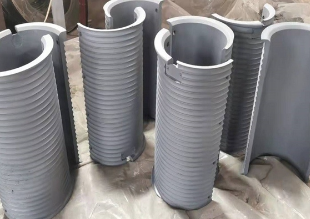
3. Cable & Drum Design
The steel cable or synthetic rope and the drum diameter are carefully engineered to carry the load without undue strain. Pretensions, spooling accuracy, and cable life all factor in, because a snapped cable isn’t just bad news — it’s a hazard.
4. Control Mechanisms
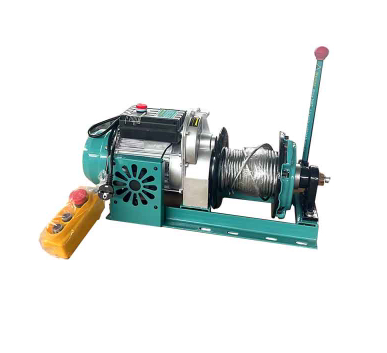
Modern winches come with joystick controls, remote operations, or even integrated electronic feedback systems monitoring tension. This minimizes human error and enhances safety.
5. Scalability & Transportability
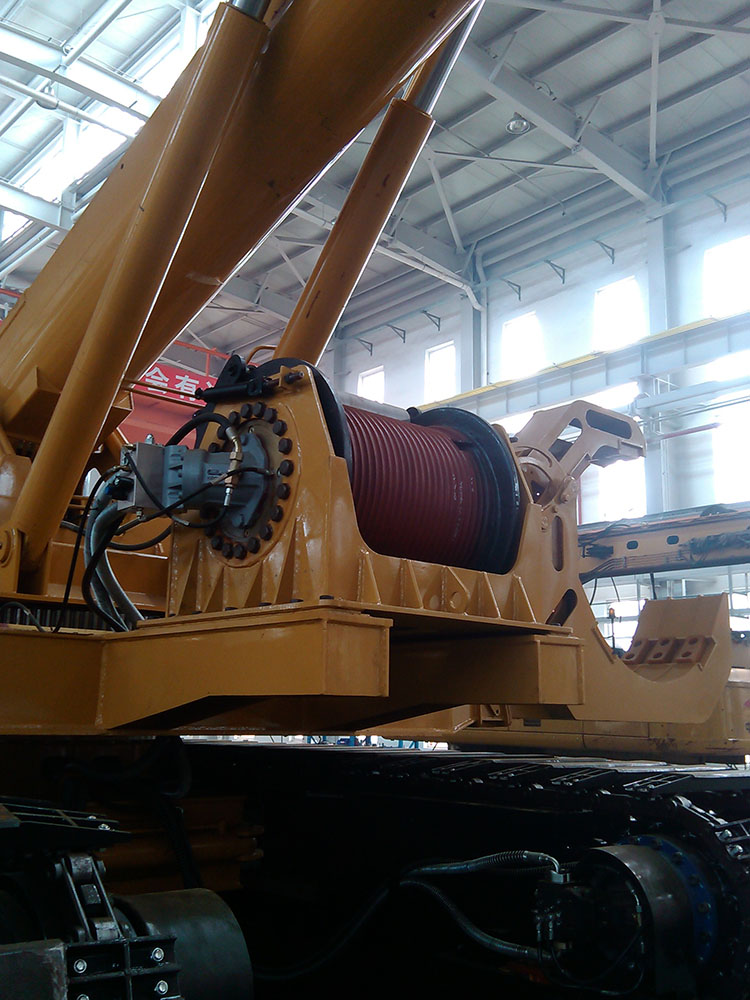
This winch is large but designed to be truck- or ship-mounted, striking a sweet spot between stationary power and mobile convenience.
Specifications At a Glance
| Feature | Specification |
|---|---|
| Max Pulling Capacity | 20 Tons (approx. 40,000 lbs) |
| Drum Diameter | 400–500 mm |
| Cable Length | Typically 100–150 meters |
| Hydraulic Motor Power | 15–25 kW |
| Weight | 600–850 kg |
| Control Options | Remote, manual, automated feedback |
Mini Takeaway: The beauty of a 20 ton hydraulic winch lies in its carefully designed components that balance power, control, and endurance for heavy-duty applications.
Where in the World Are These Winches at Work?
The use cases for 20 ton hydraulic winches are surprisingly diverse. In Southeast Asia, for example, logging companies rely on them to drag enormous tree trunks through jungles. Meanwhile, offshore oil platforms use customized versions to handle deck cargo and anchor chains.
Humanitarian agencies deploying relief efforts after hurricanes or earthquakes often need mechanical advantage to clear debris or set up temporary structures — here, winches lighten what would otherwise be back-breaking labor.
Ports worldwide employ these winches extensively to load/unload freight ships, offering fast, reliable, and safe handling. The mining industry also heavily depends on hydraulic winches for underground haulage.
Why Choose a 20 Ton Hydraulic Winch? The Advantages Speak for Themselves
- Efficiency: Hydraulic power offers immediate, smooth force without the jerkiness common in mechanical winches.
- Safety: Enhanced control systems reduce accidents and equipment failures.
- Longevity: With durable materials and components, these winches endure harsh conditions.
- Cost-Effectiveness: Lower maintenance and more straightforward repairs translate into less downtime.
- Environmental Impact: Many new models feature environmentally sealed motors and efficient hydraulics, reducing oil leaks and energy waste.
On an emotional level, operators trust these machines because they feel robust — no guesswork required. You’re not just moving tons of material; you're safeguarding workers and workflows.
What Does the Future Hold for 20 Ton Hydraulic Winches?
There’s an intriguing push towards smart hydraulics — imagine winches equipped with sensors reporting real-time tension, cable health, and even predictive maintenance alerts to operators’ tablets. Automation could further reduce human error, boosting safety on hazardous sites.
Sustainability is another frontier. Using biodegradable hydraulic fluids, energyefficient pumps, and recyclable materials is already a trend, aligning with global ISO standards for sustainable manufacturing.
Overcoming Challenges: What Can Trip Up Winch Users?
Despite their ruggedness, a few sticking points persist. Hydraulic fluid leaks, cable wear, and control system failures crop up if maintenance lags. Selecting the right cable type or drum size for specific tasks is essential, but often overlooked.
Innovations like automated lubrication systems and modular component designs are helping here — allowing gear to be serviced quickly on site rather than dragged back to the shop.
Vendor Comparison: Choosing the Right 20 Ton Hydraulic Winch Supplier
| Vendor | Price Range | Warranty | Customization | Global Support |
|---|---|---|---|---|
| LBS Winch | $$$ | 3 Years | Extensive | Yes |
| HeavyLift Co. | $$ | 2 Years | Moderate | Regional |
| TorqueMasters | $$$ | 5 Years | Basic | Limited |
Frequently Asked Questions About 20 Ton Hydraulic Winches
Q1: How does a 20 ton hydraulic winch differ from electric winches?
A: Hydraulic winches typically offer higher torque at lower speeds and are less prone to electrical failures, making them preferable in remote environments or heavy-duty industrial applications where power demands and environmental conditions are harsh.
Q2: What maintenance is required to keep these winches operational?
A: Regular inspection of hydraulic lines for leaks, checking cable spooling, lubricating moving parts, and testing control systems are vital. Scheduled preventive maintenance reduces downtime dramatically.
Q3: Are 20 ton hydraulic winches suitable for marine environments?
A: Absolutely. Many models are built with corrosion-resistant materials and sealed hydraulic components to withstand saltwater exposure and harsh weather conditions common in marine and offshore applications.
Q4: Can I customize the cable length and control options?
A: Most reputable vendors, including LBS Winch, offer customization options depending on your project requirements — from cable specifications to remote control interfaces.
Q5: Is it possible to integrate renewable energy systems with these hydraulic winches?
A: Yes, increasingly so. Some setups pair hydraulic winches with solar or wind-powered hydraulic systems to reduce fossil fuel dependency, especially in remote or off-grid locations.
Wrapping it Up: Why the 20 Ton Hydraulic Winch is Your Dependable Heavy Lifter
In real terms, understanding the 20 ton hydraulic winch means appreciating a machine that’s as versatile as it is robust. It’s part of the silent backbone for infrastructure, commerce, and emergency response worldwide. Whether you’re moving tons of cargo or setting up a temporary shelter quickly, it's a tool you can trust.
If you’re ready to upgrade your operations with a reliable partner in power, explore our range of 20 ton hydraulic winches and see how they can scale with your needs.
Stay tuned — there’s much innovation ahead in this space.
References
-
The Ultimate Guide to Gear Steels for Durability and PerformanceNewsApr.16,2026
-
High Performance Gear Stainless Steel for Industrial DurabilityNewsApr.09,2026
-
Comprehensive Guide to Steel Bevel Gears Applications and SelectionNewsApr.07,2026
-
Comprehensive Guide to Durable Stainless Steel Miter Gears and ApplicationsNewsApr.04,2026
-
Comprehensive Guide to Steel Spur Gears Functionality and ApplicationsNewsMar.31,2026
-
Comprehensive Guide to Durable Stainless Steel Spur Gears and Their ApplicationsNewsMar.28,2026