Industrial Grade 12000 lb Hydraulic Winch - Durable, Precise, Versatile
What is a 12000 lb Hydraulic Winch and Why Does it Matter?
Few pieces of industrial equipment pack as much punch as a solidly built hydraulic winch — especially one rated at 12000 lb capacity. But you might wonder, beyond the obvious muscle of hauling heavy loads, why such a winch is so critical on a global scale. The truth is, these machines underpin everything from construction and logging, to disaster relief and marine operations. They help move mountains—literally—by providing the controlled power to pull, lift, and position massive weights safely and efficiently.
In a world increasingly dependent on heavy machinery for infrastructure and resource extraction, understanding the role and benefits of the 12000 lb hydraulic winch matters more than ever. It’s not just about muscle; it’s about precision, reliability, and adaptability in diverse and often challenging environments.
The Global Context of Heavy-Duty Hydraulic Winches
Globally, infrastructure development is booming. According to the World Bank, emerging economies are investing billions in transport and industrial sectors — sectors where hard-pulling gear like hydraulic winches gets the job done. A 12000 lb hydraulic winch fits snugly into this picture as the mid-to-heavy capacity machine of choice for many industries.
Problem is, many remote and disaster-prone areas lack reliable equipment for recovery or construction tasks. Hydraulic winches solve this: they offer consistent power without needing massive tipsy cranes or cumbersome ropes. UN reports on disaster response highlight how winches aid in rapid humanitarian relief — clearing debris, pulling stranded vehicles, or setting up field bases.
So, What Exactly Is a 12000 lb Hydraulic Winch?
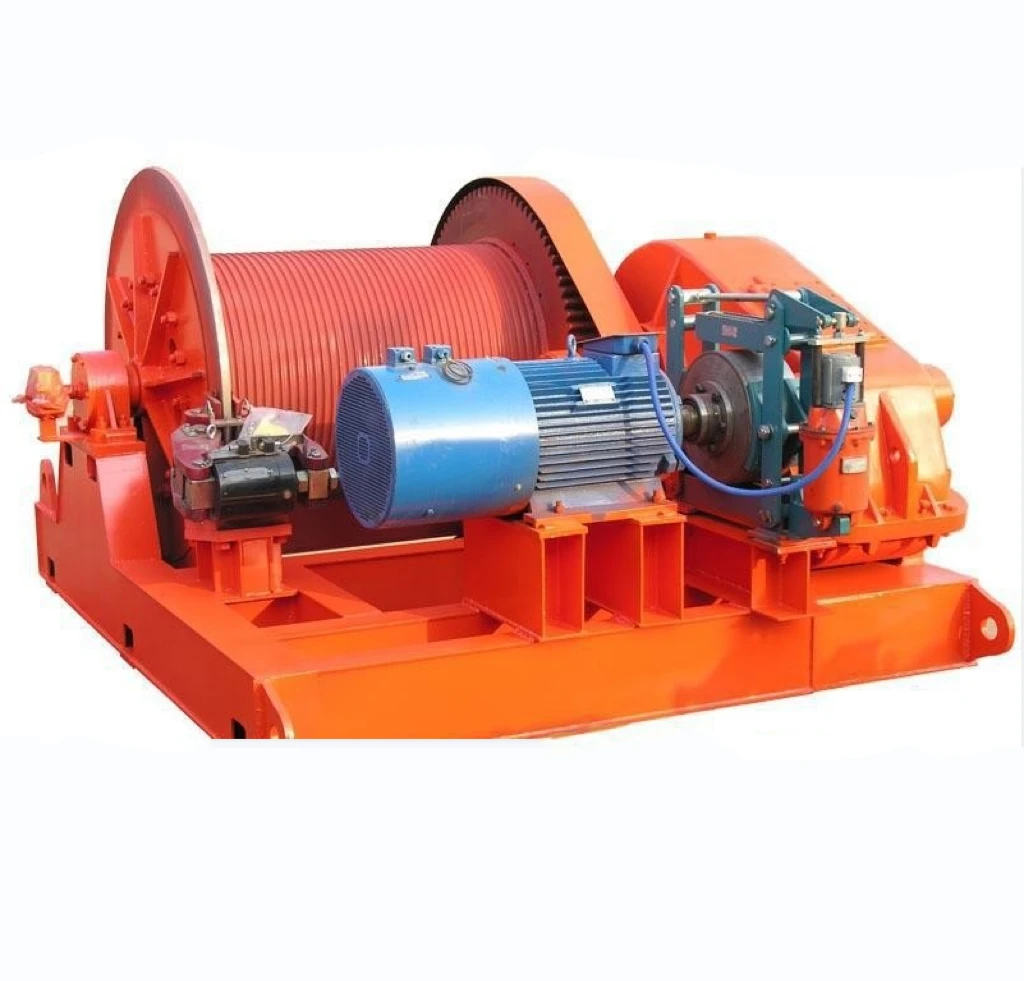
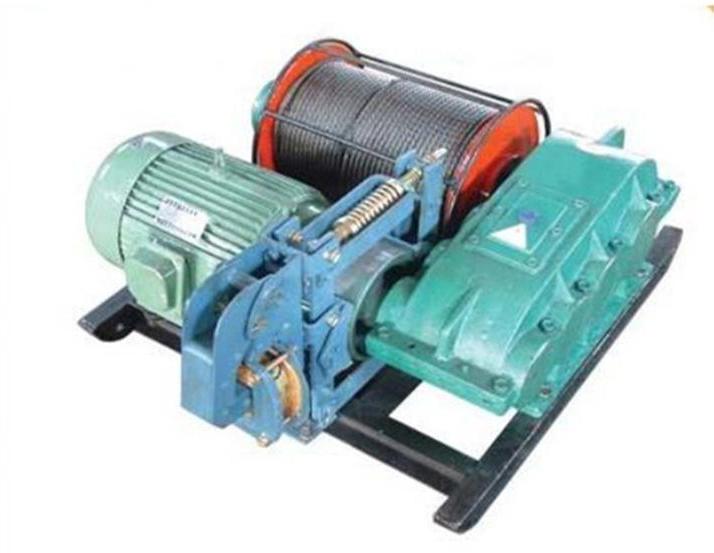
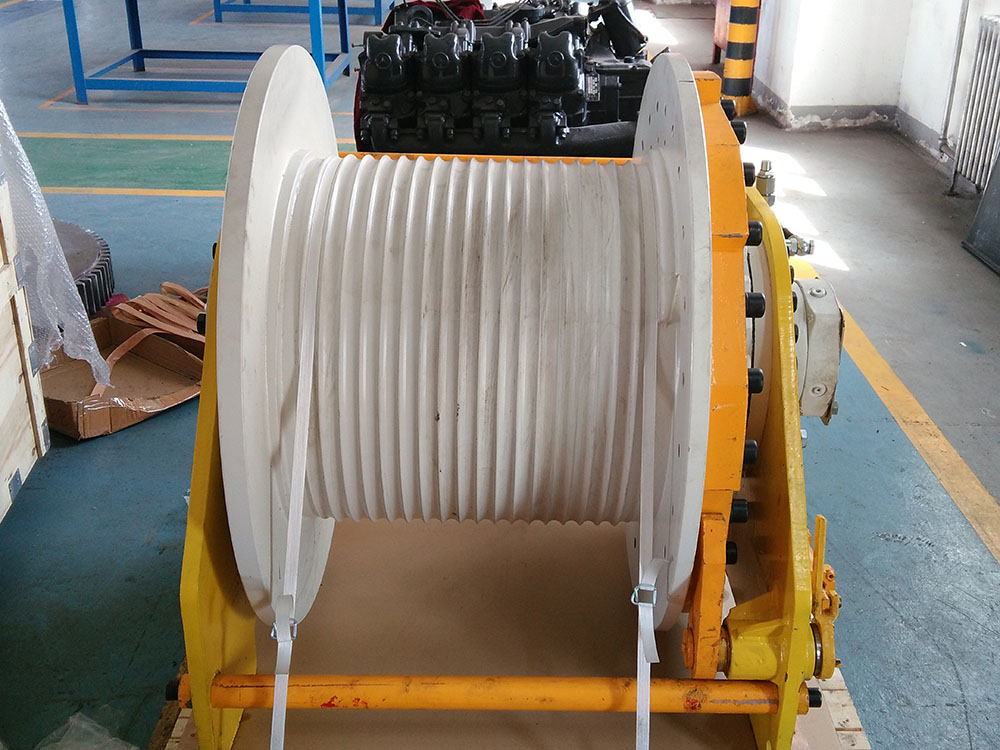
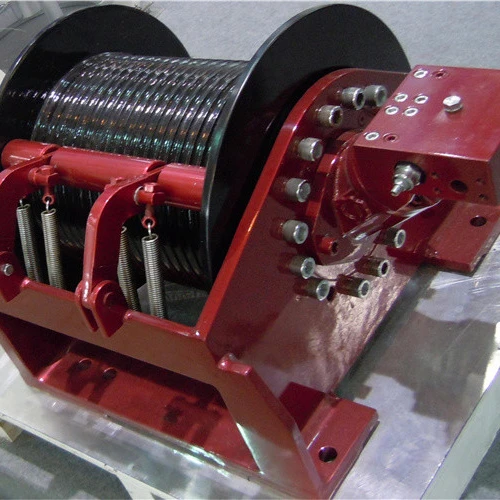
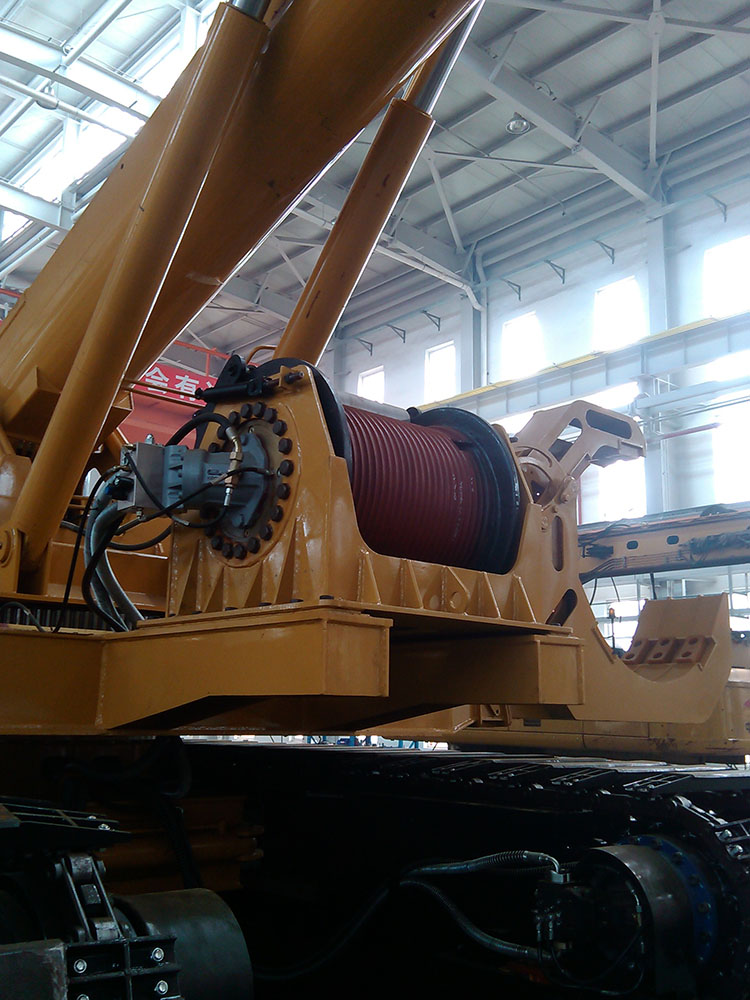
Simply put, a hydraulic winch is a mechanical device powered by hydraulic fluid pressure to pull heavy loads with controlled force. The “12000 lb” rating means it can safely pull up to twelve thousand pounds, roughly the weight of a large RV or a small truck.
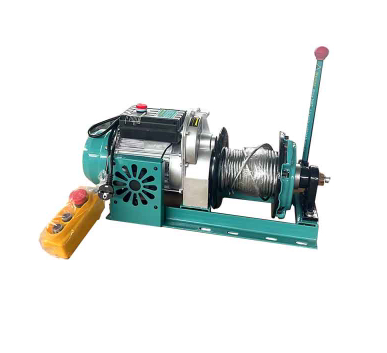
They’re typically used where electric winches either lack sufficient power or can’t withstand tough environmental conditions. This combination of muscle and durability makes them go-to tools in forestry, marine, oil & gas, and rescue operations around the world.
Key Components That Make a 12000 lb Hydraulic Winch Tick
1. Durability
Engineered with tough alloys and sealed hydraulic systems, these winches withstand dust, mud, water, and temperature extremes. That means reliability in rainforests, deserts, or offshore rigs.
2. Precision Control
Thanks to variable flow control valves, operators can fine-tune pulling speed, which matters when delicate placement or gentle winching is crucial — think salvage operations or vehicle recovery.
3. Power-to-Size Ratio
Though compact, a 12000 lb capacity winch delivers impressive force, which is particularly helpful in tight rigs or confined workspaces where cranes or bulldozers can’t fit.
4. Scalability & Customization
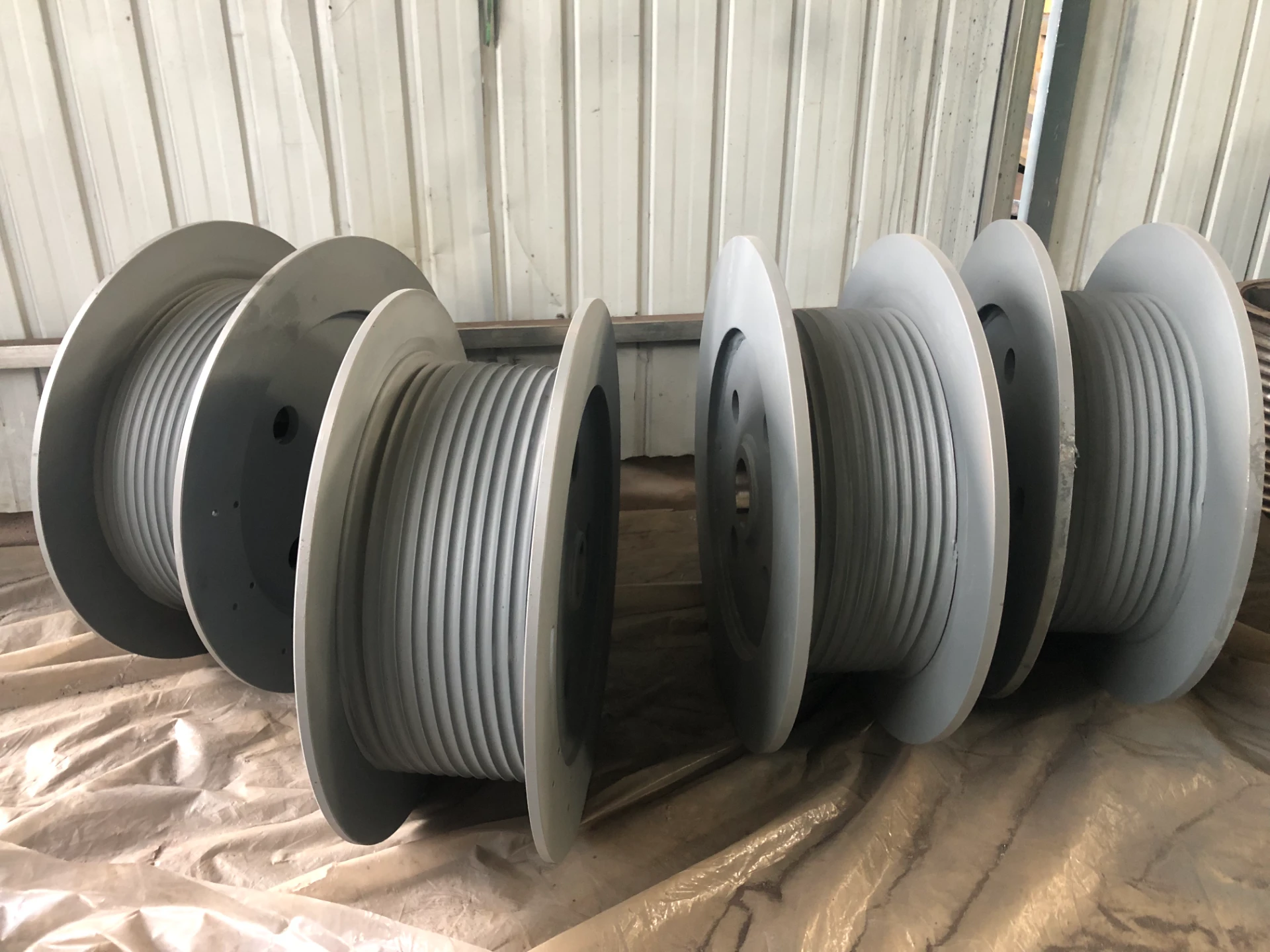
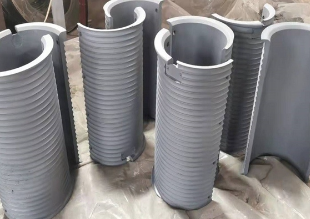
Manufacturers now often offer tailored drum sizes, wire rope lengths, and mounting options. This flexibility meets specific needs — whether lifting pipes in offshore rigs or pulling heavy loads on uneven terrain.
5. Cost Efficiency
Hydraulic power is often more cost-effective than electric alternatives in high-demand scenarios, especially given the lower downtime and minimal electrical hazards.
Mini takeaway: These robust systems bring durability, fine control, and adaptability to the heavy lifting table.
More on durability and design considerations at Wikipedia.
Global Applications of 12000 lb Hydraulic Winches
Let’s take a look around the globe — how and where is this equipment truly vital?
- Forestry and Logging: In Canada and Scandinavia, operators use hydraulic winches to haul timber from remote forests, where electric power sources are scarce.
- Construction & Mining: Australia and South Africa’s mining sectors rely on these winches for moving heavy machinery and materials uphill or underground.
- Marine & Offshore: In the Gulf of Mexico and North Sea oil fields, hydraulic winches anchor and retrieve equipment in turbulent waters.
- Disaster Relief: The US Federal Emergency Management Agency (FEMA) and NGOs deploy hydraulic winches during hurricanes and earthquakes to remove wreckage or stabilize damaged structures.
- Remote Industrial Zones: In parts of Central Asia and Africa, where infrastructure is patchy, hydraulic winches play a pivotal role in maintenance and supply chain logistics.
12000 lb Hydraulic Winch Specifications Table
| Specification | Value |
|---|---|
| Pulling Capacity | 12000 lb (5443 kg) |
| Line Speed (at full flow) | 10-20 ft/min (variable) |
| Wire Rope Diameter | 9/16" or 3/4" |
| Drum Capacity | Up to 150 ft rope length |
| Weight | Approx. 220-300 lbs (100-136 kg) |
| Hydraulic Pressure | 3000-4000 PSI |
| Mounting Options | Flatbed, skid, vehicle frame |
Comparing Top Vendors for a 12000 lb Hydraulic Winch
| Vendor | Price Range | Warranty | Lead Time | Customization Options |
|---|---|---|---|---|
| LBS Winch Co. | $4,500 - $6,000 | 3 Years | 2-4 weeks | Full: rope length, drum size, mounting |
| HydroPull Inc. | $5,000 - $6,500 | 2 Years | 3-5 weeks | Limited custom options |
| Global Torque Systems | $4,200 - $5,500 | 1 Year | 1-3 weeks | Basic customization only |
Advantages and Long-Term Value of Choosing a 12000 lb Hydraulic Winch
Beyond raw strength, these winches deliver a number of tangible benefits that keep them in demand.
- Reliability: Hydraulic systems are less prone to overheating than electric motor winches, especially for continuous heavy-duty use.
- Cost-Effectiveness: With longer service lives and less frequent downtime, total cost of ownership turns favorable.
- Safety: Precision speed control reduces accident risks, a crucial factor for operators dealing with dangerous loads.
- Environmental Impact: Many new models use more efficient hydraulic motors and can integrate with hybrid vehicle platforms, reducing emissions.
- Social Impact: Reliable winching equipment enables quicker disaster relief and infrastructure rebuilding — which means lives saved, livelihoods restored.
Emerging Trends Shaping the Future of Hydraulic Winches
Innovation never stops, even in heavy machinery. Industry insiders highlight several key trends:
- Digital integration: Smart sensors embedded in winches provide real-time monitoring of load, temperature, and maintenance needs — cutting downtime.
- Green hydraulics: Eco-friendly hydraulic fluids and energy recovery systems reduce environmental footprints.
- Automation and remote control: Wireless remote winching is becoming standard, improving operator safety where terrain is hazardous.
- Material advancements: Lighter, stronger composites reduce winch weight while maintaining strength — making transport and installation easier.
Common Challenges and Smart Solutions
Of course, no technology is without challenges. Hydraulic winches face issues like leakage, seal wear, and the need for skilled maintenance personnel.
However, ongoing research into better seal materials, predictive maintenance software, and modular design ease repairs and boost uptime significantly. Plus, many manufacturers now offer training programs and online troubleshooting support — meaning users no longer feel isolated in the field.
FAQs About 12000 lb Hydraulic Winches
- How do I choose the right hydraulic winch for my off-road vehicle?
- Consider load requirements, available hydraulic system pressure, and drum length. The 12000 lb hydraulic winch suits medium-heavy applications and offers a great balance between power and size.
- Can these winches operate in extreme weather conditions?
- Yes, most 12000 lb hydraulic winches are engineered to handle harsh environments, including cold, wet, and dusty conditions, thanks to sealed components and corrosion-resistant materials.
- What maintenance does a hydraulic winch require?
- Regular inspections for seal integrity, hose condition, and lubricating moving parts are essential. Scheduled fluid replacement and cleaning prolong service life.
- Is it possible to customize the winch for specific applications?
- Many vendors offer custom rope lengths, drum sizes, and mounting options, allowing the winch to fit unique operational needs.
- How quickly can I get a 12000 lb hydraulic winch delivered?
- Lead times typically range from 1 to 5 weeks, depending on customization and manufacturer backlog.
Conclusion: Why a 12000 lb Hydraulic Winch Remains a Strategic Investment
If you’ve been curious about the gears behind heavy-industrial pulling power, now you see how a 12000 lb hydraulic winch is more than just brute force. It’s a finely tuned, reliable partner in construction, resource extraction, and humanitarian efforts — a piece of gear that saves time, money, and sometimes lives.
If your projects demand reliable pulling power backed by durability and innovation, I highly recommend checking out the latest offerings from LBS Winch Co. Their solutions exemplify the modern, precision-built hydraulic winch. Give it a look!
References:
1. World Bank Infrastructure Overview
2. Wikipedia: Winch
3. United Nations Office for the Coordination of Humanitarian Affairs
-
The Ultimate Guide to Gear Steels for Durability and PerformanceNewsApr.16,2026
-
High Performance Gear Stainless Steel for Industrial DurabilityNewsApr.09,2026
-
Comprehensive Guide to Steel Bevel Gears Applications and SelectionNewsApr.07,2026
-
Comprehensive Guide to Durable Stainless Steel Miter Gears and ApplicationsNewsApr.04,2026
-
Comprehensive Guide to Steel Spur Gears Functionality and ApplicationsNewsMar.31,2026
-
Comprehensive Guide to Durable Stainless Steel Spur Gears and Their ApplicationsNewsMar.28,2026