Reliable 12 Volt Hydraulic Winch Solutions for Off-Grid Power and Industrial Needs
The Quiet Power of the 12 Volt Hydraulic Winch: A Global Perspective
When you hear 12 volt hydraulic winch, what probably springs to mind is heavy lifting, pulling, or recovery tasks. But oddly enough, this compact beast is quietly shaking up industries around the world — from remote mining sites to disaster relief efforts in vulnerable regions. Understanding the nuances and benefits of this technology reveals its broader impact on safety, efficiency, and sustainability worldwide.
Why the 12 Volt Hydraulic Winch Matters Globally
Hydraulic winches running on 12 volt power might sound niche, but consider this: in remote or off-grid locations, cumbersome access to reliable power sources is a real challenge. According to the United Nations Sustainable Energy for All initiative, nearly 770 million people still lack electricity globally, especially in rural areas. The 12 volt hydraulic winch addresses a very specific problem here — providing powerful, mobile lifting solutions that operate efficiently on low voltage DC power, often via vehicle batteries or portable power packs.
In industries like forestry, construction, and emergency services, the ability to rely on these winches without a bulky AC power supply is a game-changer. But the challenge is also clear: traditional winching systems tend to be bulky, complicated, or energy inefficient. The 12 volt hydraulic winch tackles this by marrying portability with power, making it indispensable in many modern operational theaters.
Mini Takeaway:
This tool packs a potent punch exactly where grid power falters — providing accessible, reliable power on the go.
What Exactly Is a 12 Volt Hydraulic Winch?
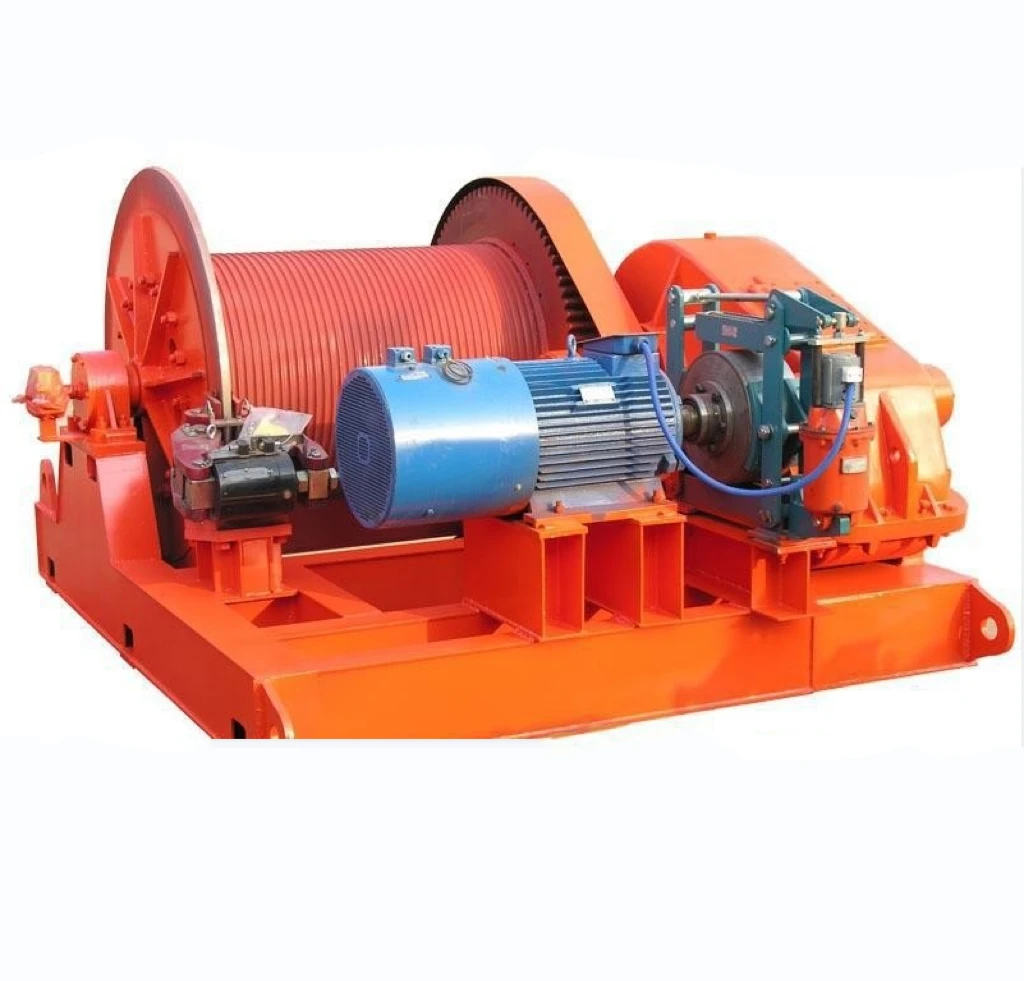
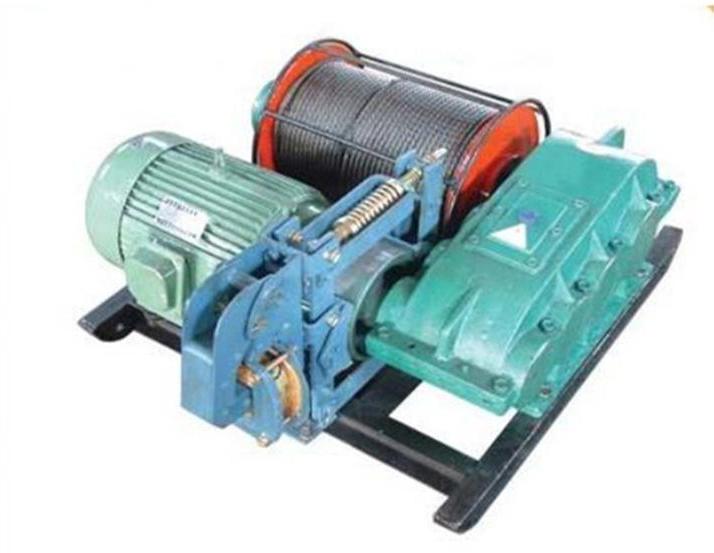
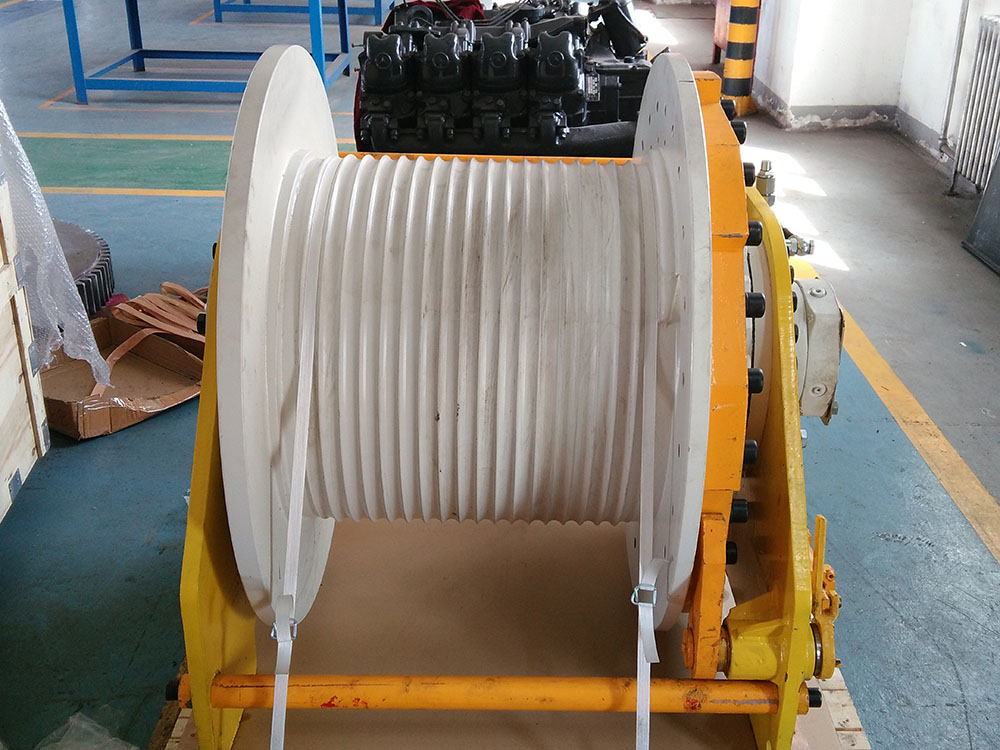
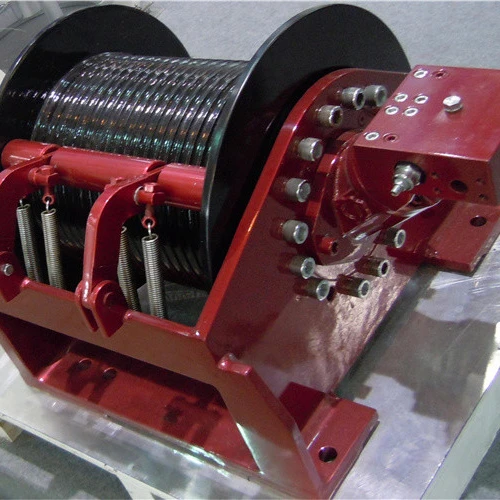
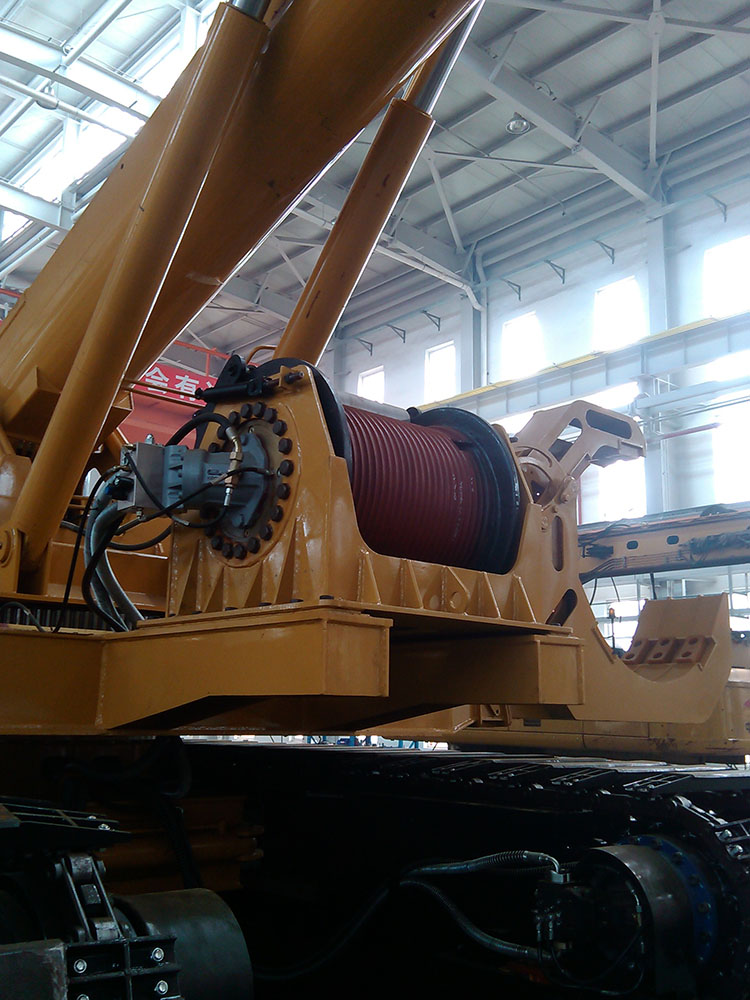
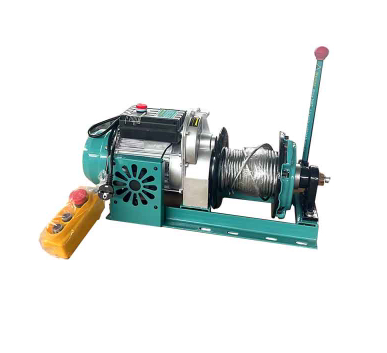
Put simply, a 12 volt hydraulic winch is a mechanical device powered by a hydraulic motor energized from a 12V DC power source. That means it pulls, lifts, or drags heavy loads using hydraulic force, but without the need for 110V or 220V mains electricity. Instead, it taps into more portable and often vehicle-based power supplies. The combination provides smoother torque control, better safety, and often longer lifespan compared to purely electric winches.
Modern industries, including humanitarian logistics and forestry operations, rely heavily on these winches. When trucks get stuck in remote terrain, roads are damaged due to climate events, or heavy equipment needs repositioning quickly, this compact but robust tool comes to the rescue.
Key Components and Practical Considerations
1. Durability
Hydraulic winches, especially those running at 12 volts, are built tough. The hydraulic system’s sealed nature makes it resistant to dust, water, and even rough treatment on unpredictable job sites. Many manufacturers use high-grade alloys and corrosion-resistant coatings, ensuring long service life — which, frankly, in outdoor or industrial environments, is priceless.
2. Power-to-Weight Ratio
Compared with electric winches, 12 volt hydraulic variants often deliver higher torque relative to their size and weight. This makes them easier to mount on smaller vehicles or off-grid generators without tipping the balance. It’s a big plus in sectors like agriculture or forestry, where mobility and load matters.
3. Energy Efficiency and Safety
The hydraulic mechanism runs quietly and steadily, often producing less energy loss than traditional electric winches. Plus, hydraulic controls offer better precision, minimizing risks of sudden jerks or load drops — improving worker safety during critical lifts.
4. Cost Efficiency and Maintenance
Initially, 12 volt hydraulic winches can seem pricier than electric equivalents. But many users notice lower long-term maintenance costs and fewer replacement parts, thanks to simpler designs and fewer electrical components exposed to harsh conditions.
5. Scalability and Customization
Many manufacturers offer modular winch systems. You can choose different load capacities, cable lengths, and control systems depending on your exact needs. This versatility is vital when deploying them for either industrial tasks or precision operations like medical evacuations or rapid infrastructure repairs.
Mini Takeaway:
Think of the 12 volt hydraulic winch as a compact, reliable workhorse — designed to blend power and portability seamlessly.
Global Applications: More Than Just Industrial Muscle
Across the world, various sectors and regions leverage this technology in unique ways:
- Disaster Relief: In areas battered by hurricanes or earthquakes, winches help clear debris and assist in transporting vital supplies efficiently.
- Forestry & Agriculture: From Scandinavian lumber yards to remote Australian farms, these winches ease the movement of heavy logs or large equipment where electric sources are scarce.
- Off-Road & Recovery Services: In rugged terrains such as the Rocky Mountains or the Sahara, 12 volt hydraulic winches pull vehicles out of mud or sand where traditional electric winches would struggle or fail.
- Marine Operations: Smaller vessels operating away from harbors rely on these winches to manage anchors, nets, and cargo efficiently.
For instance, one NGO in Southeast Asia equipped local rescue teams with these winches, which proved critical in the swift removal of flood barriers after heavy monsoons.
Product Specification Table
| Specification | Detail |
|---|---|
| Operating Voltage | 12 V DC |
| Max Load Capacity | 5,000 lbs (2,268 kg) |
| Cable Length | 30 meters standard (custom lengths available) |
| Weight | 45 kg (99 lbs) |
| Control Type | Remote wired and wireless options |
| Certifications | ISO 9001, CE Certified |
Comparing Popular 12 Volt Hydraulic Winch Vendor Options
| Vendor | Load Capacity | Warranty | Price Range | Noteworthy Feature |
|---|---|---|---|---|
| HydroLift Inc. | 5,000 lbs | 3 years | $$$ | Advanced remote control |
| EcoTorque Solutions | 4,500 lbs | 2 years | $$ | Eco-friendly hydraulic fluids |
| PowerWinches Co. | 5,200 lbs | 5 years | $$$$ | Extended service plan + tech support |
| CompactHydro | 3,800 lbs | 1 year | $ | Lightweight design, easy install |
Advantages & Long-Term Value of a 12 Volt Hydraulic Winch
The benefits of these winches extend well beyond the immediate — they’re investments in safety, efficiency, and sustainability. Here are some tangible upsides:
- Cost Savings: Less energy wastage and fewer breakdowns save real money over time.
- Environmental Impact: Lower electricity demand and options for biodegradable hydraulic oils mean greener operations.
- Social Impact: Reliable lifting solutions improve safety for workers in hazardous environments — lowering injury rates.
- Innovation & Trust: Tech advancements foster trust in equipment that’s mission-critical.
After all, a winch failure in the middle of a recovery isn’t just inconvenient — it can be life-threatening. Having a dependable 12 volt hydraulic winch gives teams peace of mind knowing their equipment won’t let them down.
Looking Ahead: Future Trends in Hydraulic Winching
Innovation never stops. Some exciting developments poised to shape this space include:
- Green Power Integration: Solar-charged battery packs to power hydraulic systems for truly off-grid work.
- Digital Controls & Automation: Smart winches with app integration for precision control and diagnostics.
- Advanced Materials: Lighter alloys and composite materials to reduce weight further without sacrificing strength.
- Global Standards Harmonization: ISO and industry groups pushing more robust safety certifications worldwide.
Frankly, if you think of winches as “just bulky industrial tools,” you’ll miss the wave of miniaturization and digitization coming soon.
Challenges & Practical Solutions
Of course, no product is perfect:
- Voltage Limitations: 12 volts caps max power output — so very heavy loads require multiple systems or larger setups.
- Hydraulic Fluid Leakage Risk: Requires regular inspection to avoid environmental contamination.
- Training Needs: Proper operator training is essential to prevent misuse.
Many companies are tackling these by developing hybrid systems, sealed hydraulic setups, and extensive operator certification programs. Being proactive about these challenges just shows how seriously the industry is committed to continuous improvement.
FAQ: Frequently Asked Questions About 12 Volt Hydraulic Winches
Q1: Can I run a 12 volt hydraulic winch directly off my vehicle battery?
A1: Yes! That’s one of the biggest advantages. Most 12 volt hydraulic winches are designed to draw power directly from a vehicle’s battery, making them perfect for mobile applications like off-roading or fieldwork. Just ensure your battery and alternator can handle the additional load.
Q2: How do hydraulic winches compare to electric winches in terms of maintenance?
A2: Hydraulic winches typically have fewer electrical components exposed to elements, so they generally require less frequent electrical maintenance. However, you should monitor hydraulic fluid levels and seals regularly to prevent leaks.
Q3: What safety features should I look for in a 12 volt hydraulic winch?
A3: Look for automatic load-holding brakes, emergency stop controls, and remote operation capabilities. These features enhance operator safety and control during heavy lifting.
Q4: Are custom-length cables available for specific projects?
A4: Yes, many manufacturers offer cable customization to fit your exact requirements. Whether you need a longer reach or stronger cables, it’s often possible to get tailored solutions.
Wrapping It Up: Why the 12 Volt Hydraulic Winch Is Worth Knowing About
To sum up: the 12 volt hydraulic winch represents a smart convergence of portability, power, and precision. Whether you’re managing critical recovery tasks in remote zones, speeding up disaster response, or just looking for reliable equipment that won’t leave you stranded — it delivers impressive value beyond the immediate torque figures.
If you want to explore robust options tailored to your needs or see how a 12 volt hydraulic winch can transform your operations, visit our website and dive into our detailed product offerings.
Final Thought
It’s kind of fascinating how what seems like a simple tool has so many layers of complexity and potential, isn’t it? Sometimes the most overlooked gear quietly does the heaviest lifting in shaping industries and saving lives.
References
-
The Ultimate Guide to Gear Steels for Durability and PerformanceNewsApr.16,2026
-
High Performance Gear Stainless Steel for Industrial DurabilityNewsApr.09,2026
-
Comprehensive Guide to Steel Bevel Gears Applications and SelectionNewsApr.07,2026
-
Comprehensive Guide to Durable Stainless Steel Miter Gears and ApplicationsNewsApr.04,2026
-
Comprehensive Guide to Steel Spur Gears Functionality and ApplicationsNewsMar.31,2026
-
Comprehensive Guide to Durable Stainless Steel Spur Gears and Their ApplicationsNewsMar.28,2026