110 Volt Electric Winch — Reliable Power for Light Industrial Use
The Practical Power of a 110 Volt Electric Winch
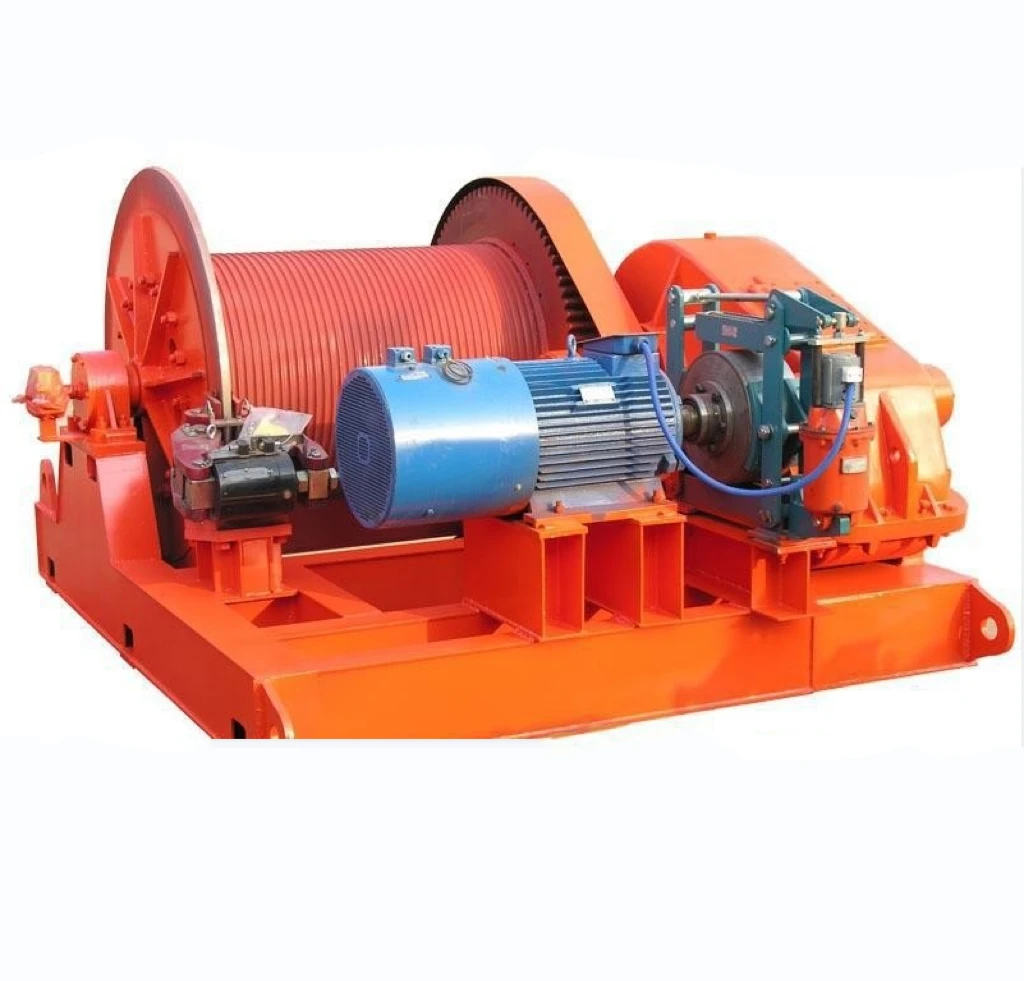
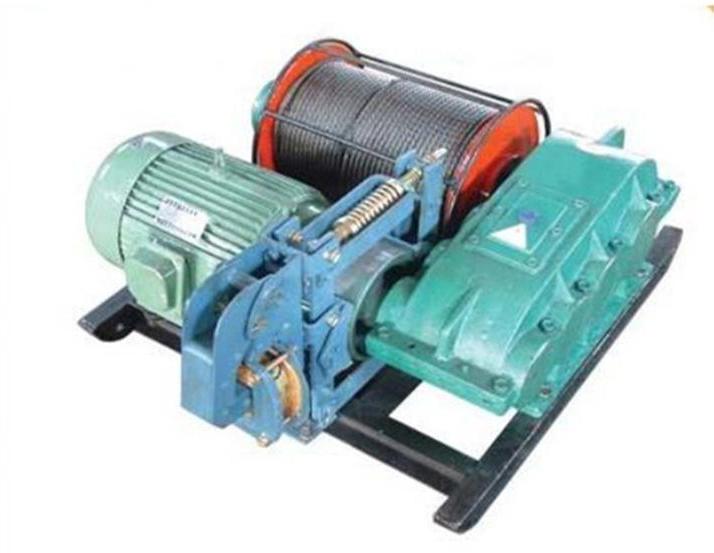
Having spent quite a few years around industrial equipment, I’ve learned that certain tools just stick with you—mostly because they’re so reliable in the trenches. A 110 volt electric winch is one of those. Frankly, it’s one of the simpler pieces of gear that packs quite the punch in small to medium lifting or pulling jobs. You don’t always need industrial-grade 3-phase setups when a reliable single-phase 110V winch can get the job done efficiently, safely, and often with less hassle.
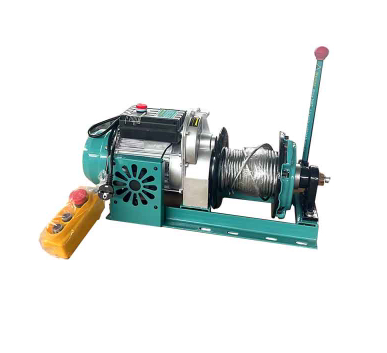
Now, if you’re searching for a winch that suits a workshop, a light industrial setting, or even a construction site with limited power access, these 110V electric winches really come into their own. They’re easy to hook up—just standard household or portable generator power—and far more portable than their big siblings. I remember one of our field teams swapping out a bulky, complex rig for a tidy 110V electric winch that made retrieval and setup a breeze.
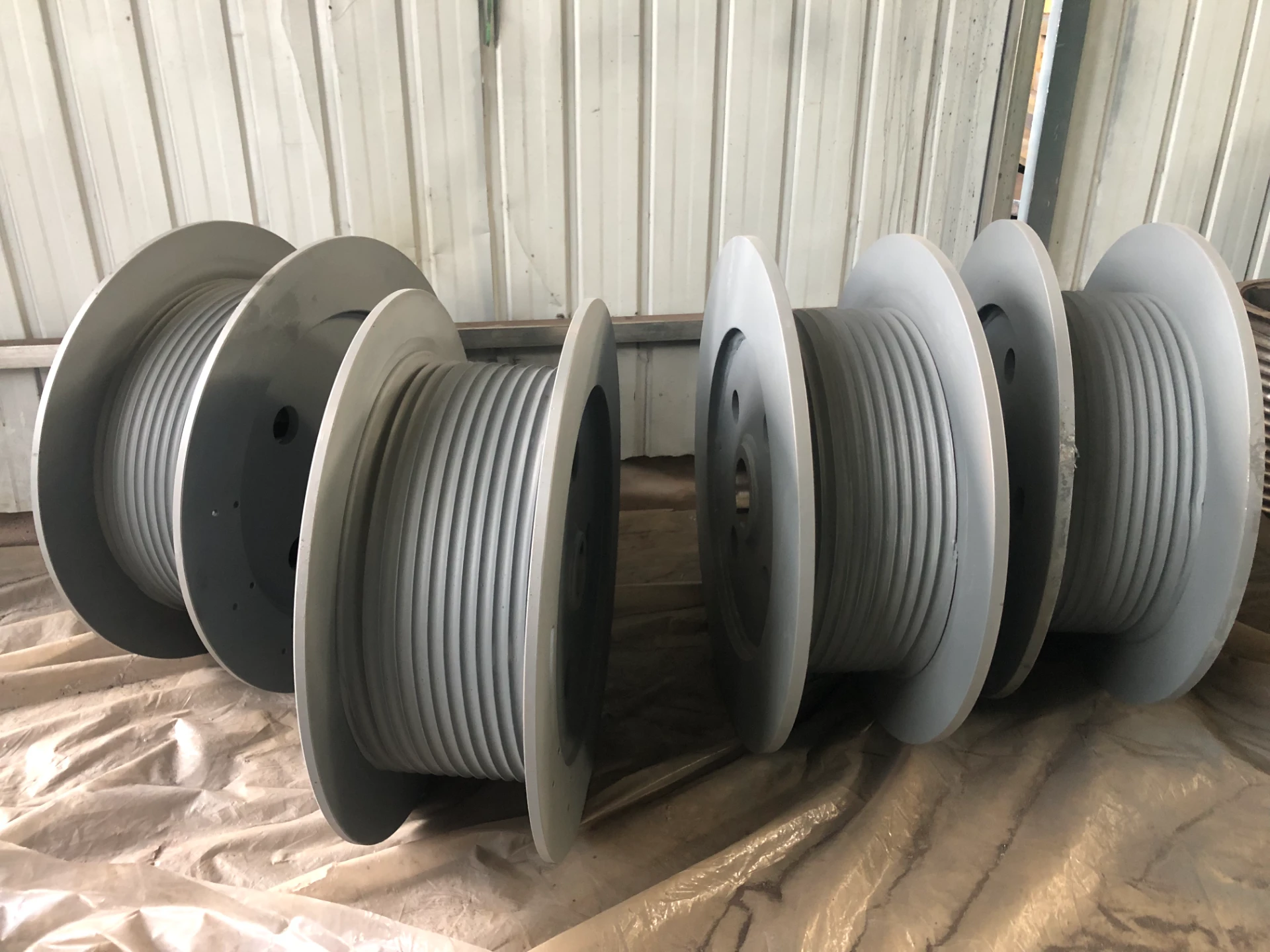
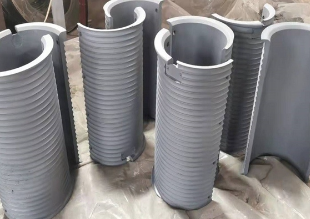
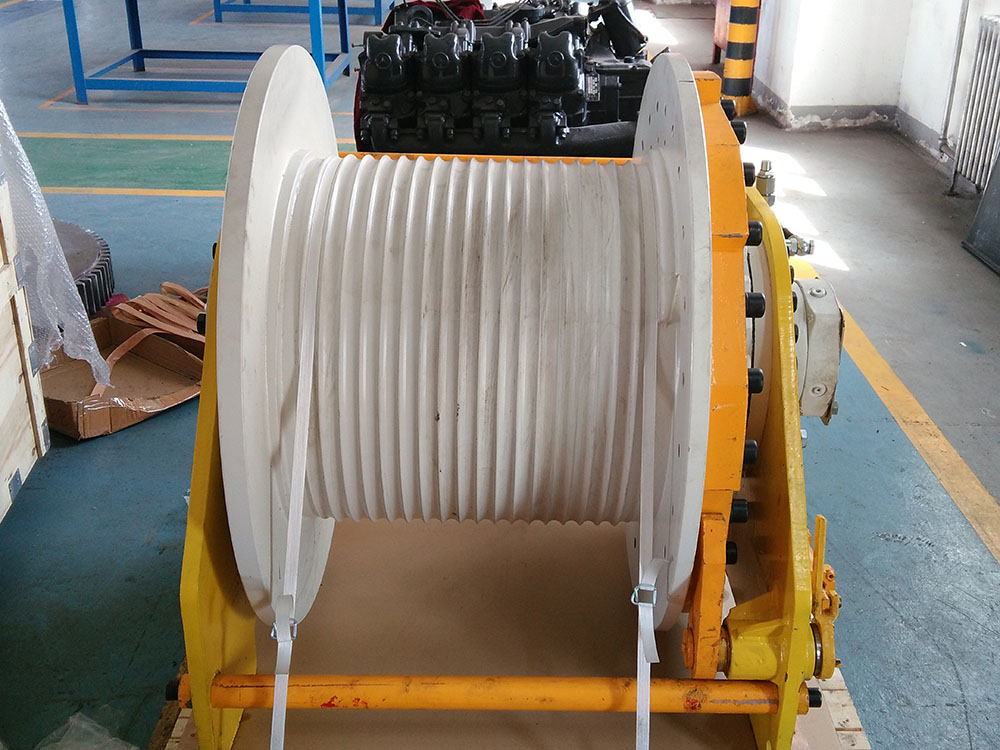
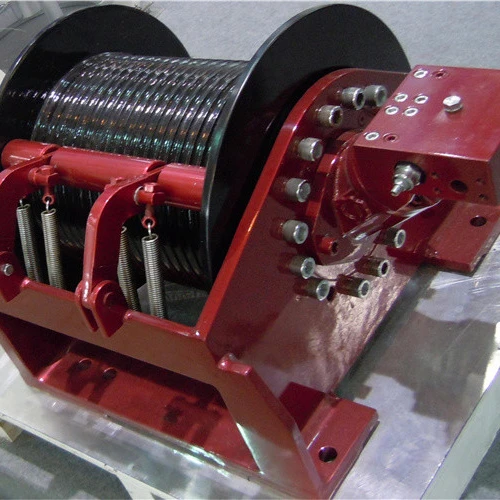
One thing I’ve noticed over the years is how manufacturers combine rugged designs with surprisingly lightweight materials like aluminum-alloy drums and synthetic ropes instead of the old-school steel cables. It reduces weight without compromising strength. Plus, the enclosed gearboxes on most models protect against dust and moisture — a must-have if you’re working outdoors or in unpredictable conditions.
Speaking of power, it’s easy to assume more voltage always means more strength. Oddly enough, many engineers I’ve talked with agree that a 110 volt winch can provide exactly the torque needed for overhead lifting, vehicle recovery, or moving heavy equipment when properly rated. It’s really about the motor specs and gearing — not just the input voltage.
| Specification | Details |
|---|---|
| Input Voltage | 110 V AC (Single-phase) |
| Motor Power | 0.75 kW – 2 kW |
| Line Pull Capacity | 500 kg – 2000 kg |
| Cable Length | 15 m – 30 m (steel or synthetic rope) |
| Gearbox | Enclosed worm or planetary gears |
| Control | Remote wired or wireless |
| Duty Cycle | Heavy duty, intermittent use |
If you’re someone who appreciates a no-fuss setup, a 110 volt electric winch might just be your best friend. I say that partly because of how intuitive these units get—you plug in, attach your load, and use the remote control to safely winch without dragging yourself into the danger zone. Safety features like load limiters and thermal protection have become fairly standard, protecting both gear and operator.
Customization is another interesting angle. Some operations require a long cable length, others a faster line speed. Beyond that, options like synthetic ropes versus steel, and compact frame sizes, really let you tailor the winch to the job rather than treating one size as the “solution.” In my experience, clients appreciate vendors who can walk that talk—meaning, they don’t just sell winches but consult on the best specs for your environment.
| Feature | LBS Winch | Competitor A | Competitor B |
|---|---|---|---|
| Load Capacity | Up to 2000 kg | Up to 1500 kg | Up to 1800 kg |
| Motor Quality | High efficiency, robust | Standard industrial | Mid-range components |
| Warranty | 3 years | 1 year | 2 years |
| Customer Support | 24/7 Technical Assistance | Business Hours Only | Limited Support |
| Control Options | Wired & Wireless Remote | Wired Remote Only | Basic Wired Control |
A quick story from a colleague working in maintenance: they had a tricky job moving heavy machinery within a confined workshop with limited power outlets. Switching to a 110V electric winch from LBS was a game changer. Less downtime, easier handling, and the motor's smooth but steady pull really impressed everyone. It feels like small voltage doesn’t always mean compromises—you just have to know where to look.
Wrapping it up, if you’re after dependable, straightforward lifting and pulling power without the fuss of large 3-phase systems, a 110 volt electric winch might be one of the best investments you make in your workshop or jobsite toolbox. They’re tried and tested, easy to source parts for, and fit well into that light industrial niche where you want serious capability with simple power demands.
For anyone doing their homework: always check the motor specs, cable type, and warranty. You’d be surprised how much these factors impact daily reliability.
References:
1. User feedback from industrial maintenance forums
2. Manufacturer product sheets, LBS Winch
3. Industry standard guidelines for electric lifting equipment
-
The Ultimate Guide to Gear Steels for Durability and PerformanceNewsApr.16,2026
-
High Performance Gear Stainless Steel for Industrial DurabilityNewsApr.09,2026
-
Comprehensive Guide to Steel Bevel Gears Applications and SelectionNewsApr.07,2026
-
Comprehensive Guide to Durable Stainless Steel Miter Gears and ApplicationsNewsApr.04,2026
-
Comprehensive Guide to Steel Spur Gears Functionality and ApplicationsNewsMar.31,2026
-
Comprehensive Guide to Durable Stainless Steel Spur Gears and Their ApplicationsNewsMar.28,2026