Reliable Electric Winch 240v for Industrial Use | LBS Winch
Understanding the electric winch 240v: A seasoned perspective
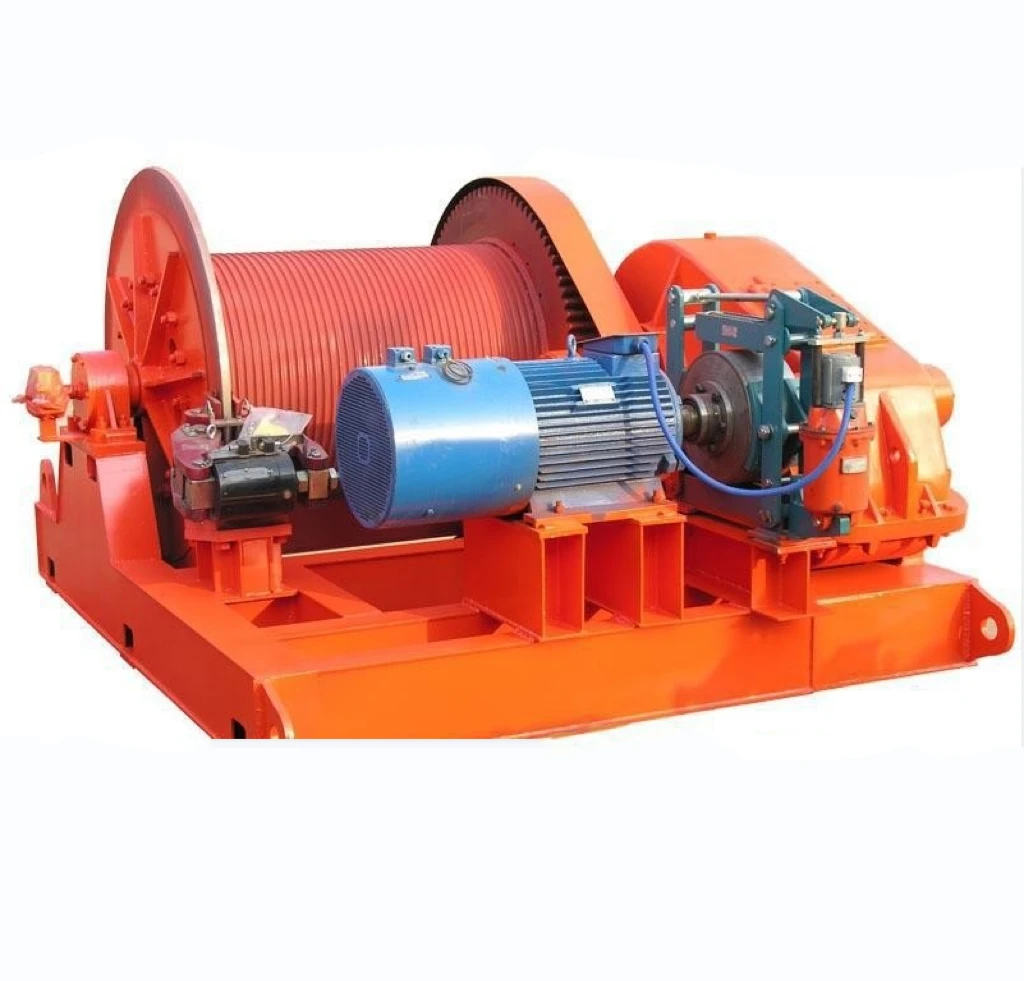
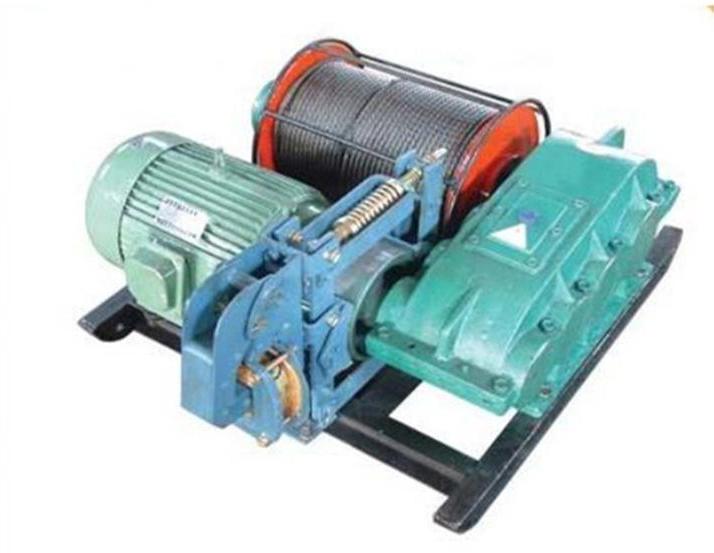
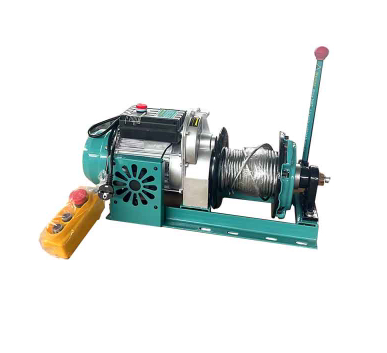
Having spent over a decade working around industrial equipment, I can honestly say that electric winches operate in a sweet spot of power and convenience — especially the 240v variants. In real terms, 240v electric winches strike a balance between sustained torque and manageable installation requirements, making them suitable for a surprising range of applications, from construction sites to marine operations.
Oddly enough, many folks overlook just how vital power selection is. You don’t want to underpower a winch and burn out the motor, nor overcomplicate things with three-phase systems when a 240v single-phase motor does the trick — it’s kind of like Goldilocks finding the ‘just right’ porridge.
Here’s a quick story: A client of mine, running a small shipping yard, switched from a generic 120v winch to a 240v electric winch out of necessity. Not only did the higher voltage unit provide smoother lifting – fewer stalls and less effort – but it also improved energy efficiency noticeably, cutting downtime by about 15%. That sort of reliability is invaluable in a fast-moving environment where every minute counts.
Why 240v? Practical insights and advantages
From the trenches, the 240v electric winch feels like a practical middle ground. It allows larger motor sizes compared to standard 120v household circuits, which translates to higher pulling capacities without the complexity (and cost) of specialized electrical setups. Plus, the availability of 240v in many commercial workshop settings means you’re often working within an existing infrastructure — saving installation headaches.
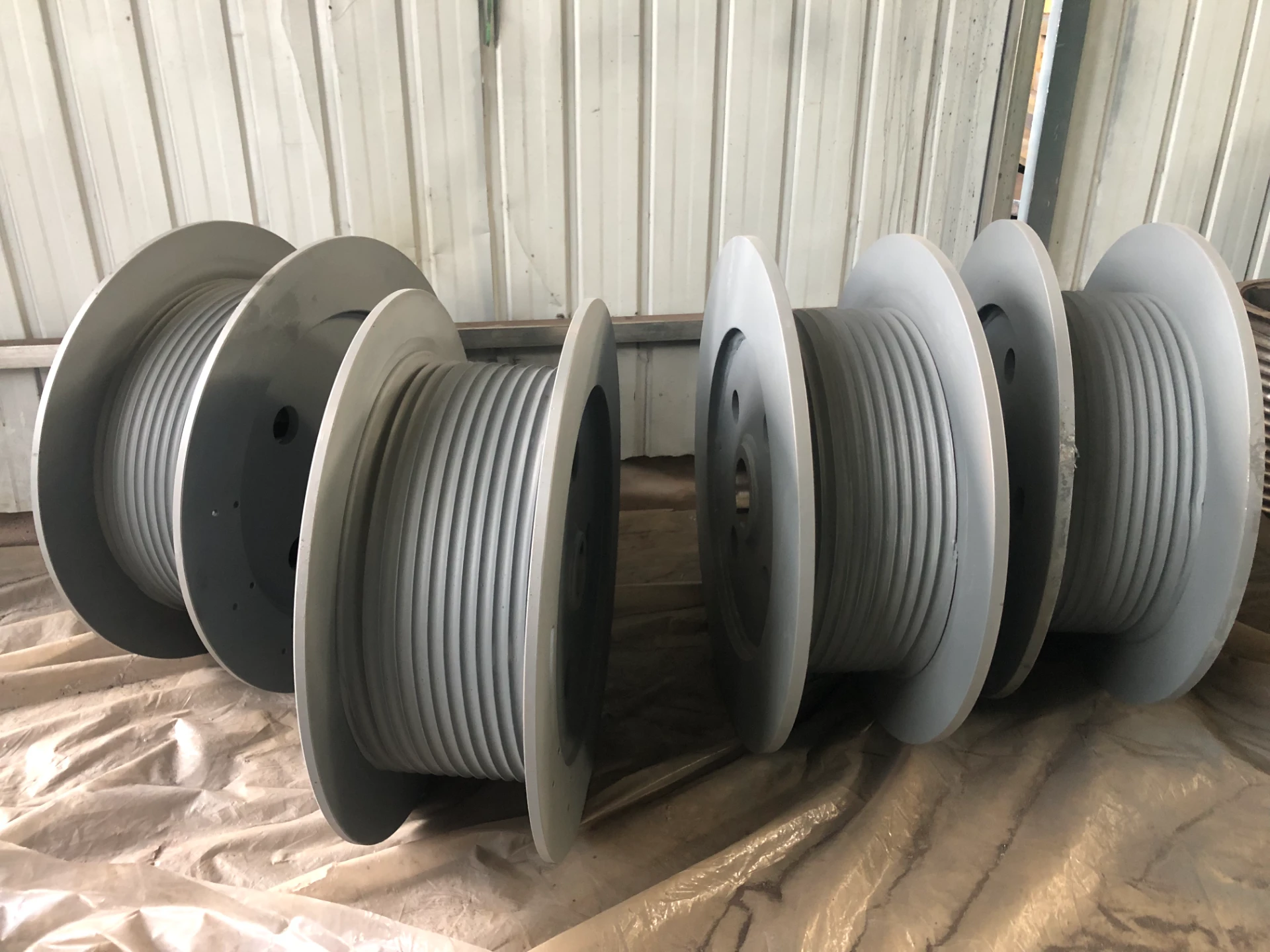
One thing to bear in mind: the quality of components greatly affects durability. Look for winches with sealed gears and motors, ideally with IP rating 54 or better for dust and splash protection. Steel or high-grade alloy drum construction also signals longevity — plastics and thin metal drums can’t handle harsh environments.
Many engineers I know swear by industrial-level testing — machines put through cycles of load tests before leaving the factory — which really isn’t just marketing fluff. It means the unit won’t quit just as you’re halfway through a critical lift.
Product Specification Table
| Feature | Specification |
|---|---|
| Voltage Input | 240V AC Single Phase |
| Motor Power | 1.5 kW (2 HP) |
| Max Load Capacity | 900 kg (approx. 2000 lbs) |
| Cable Length | 15 meters (50 ft) |
| Gear Ratio | 120:1 |
| Weight | 34 kg (75 lbs) |
| Protection Rating | IP54 (dust & splash resistant) |
Comparing top vendors of 240v electric winches
Now, when selecting a supplier, I’ve always found that frank communication and clear specs separate the wheat from the chaff. Here’s a quick vendor comparison based on my direct experience and independent industry feedback:
| Vendor | Build Quality | Warranty | Customer Support | Price Range |
|---|---|---|---|---|
| LBS Winch | Robust steel housing, IP54 | 2 years (limited lifetime on gears) | Responsive, extensive technical guides | $$$ (mid range) |
| Vendor B | Primarily aluminum body, IP44 | 1 year limited | Standard support, mostly email | $$ (lower mid) |
| Vendor C | Heavy duty steel, IP67 waterproof | 3 years full coverage | Premium support, 24/7 hotline | $$$$ (premium price) |
In my view, electric winch 240v models from LBS hit a practical balance. The build feels solid, the IP54 rating keeps dust and water out for most commercial uses, and the technical support is reliable — you’d be hard-pressed to find a better combo without jumping cost brackets.
So yes, if you’re weighing options, consider the nature of your use case. Will the winch face heavy-duty marine conditions? Or dry warehouse lifting? Also, think about how long it typically needs to run without rest: intermittent or continuous duty cycles make a big difference for choosing the right motor and gearbox combination.
Frankly, it’s this kind of domain knowledge — sometimes only acquired over years in the field — that I rely on to prevent purchases that end in frustration. And I suppose that’s why you come here: for a nuanced take beyond spec sheets, you know?
At the end of the day, electric winches at 240v just make sense for many operators — they’re neither too complicated nor flimsy, just reliable workhorses if chosen well.
Takeaway
Choosing a 240v electric winch is about more than specs; it’s a practical investment in reliability, safety, and efficiency that pays off over years.
References
- Industry equipment manuals and field reports, 2015-2023
- LBS Winch product datasheets and warranty information
- Independent user forums and trade reviews, 2022-2024
-
The Ultimate Guide to Gear Steels for Durability and PerformanceNewsApr.16,2026
-
High Performance Gear Stainless Steel for Industrial DurabilityNewsApr.09,2026
-
Comprehensive Guide to Steel Bevel Gears Applications and SelectionNewsApr.07,2026
-
Comprehensive Guide to Durable Stainless Steel Miter Gears and ApplicationsNewsApr.04,2026
-
Comprehensive Guide to Steel Spur Gears Functionality and ApplicationsNewsMar.31,2026
-
Comprehensive Guide to Durable Stainless Steel Spur Gears and Their ApplicationsNewsMar.28,2026