Understanding the Mechanics and Applications of Steel Gears in Modern Engineering
Understanding Steel Gears: A Comprehensive Guide
Steel gears are fundamental components in countless mechanical systems, driving everything from simple hand tools to complex industrial machinery. Their strength, durability, and precision make them indispensable in a wide range of applications. This article delves into the world of steel gears, exploring their types, manufacturing processes, applications, and the critical factors to consider when selecting the right gear for your needs. We'll examine the benefits of using high-quality steel gears, and how LBS Winch provides robust and reliable solutions for your gearing requirements.
Types of Steel Gears
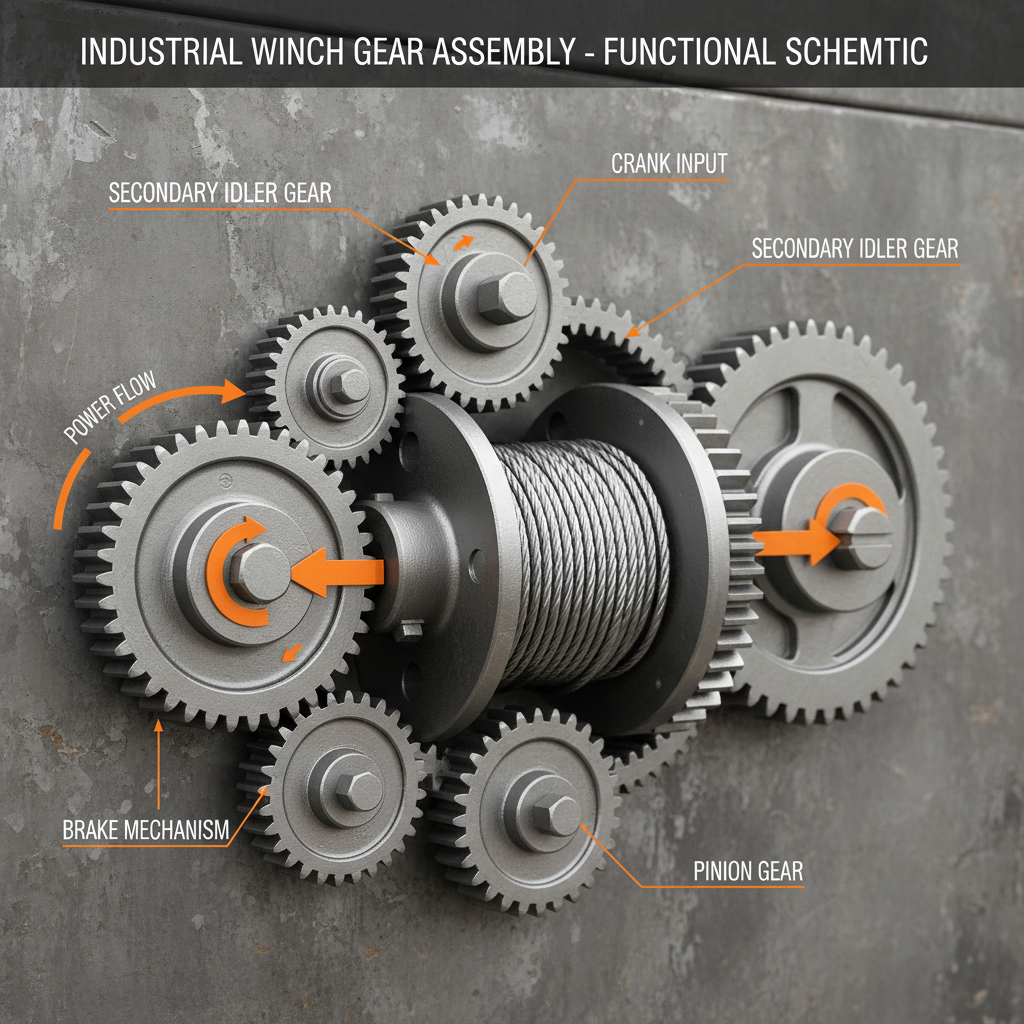
Steel gears come in various types, each designed for specific applications and performance characteristics. The most common types include spur gears, helical gears, bevel gears, worm gears, and rack and pinion gears. Spur gears are the simplest and most widely used, ideal for transmitting power between parallel shafts. Helical gears offer smoother and quieter operation, thanks to their angled teeth, and can handle higher loads. Bevel gears are used to transmit power between intersecting shafts, often found in differentials. Worm gears provide high gear ratios and are often used in speed reducers. Understanding the differences between these types is crucial for selecting the best gear for your application. At LBS Winch, we specialize in providing precision-engineered gears tailored to diverse industrial needs.
Key Takeaway: Choosing the right gear type depends on the shaft orientation, load requirements, and desired level of noise and vibration.
The Manufacturing Process of Steel Gears
The creation of high-quality steel gears involves a precise and multi-stage manufacturing process. Typically, the process begins with material selection, often utilizing alloy steels for enhanced strength and durability. Next, the gear blank is created through methods like forging, casting, or machining. The teeth are then formed using processes such as hobbing, shaping, or grinding. Finally, heat treatment is applied to harden the gears and improve their wear resistance. Quality control is paramount throughout the process, with rigorous inspections to ensure dimensional accuracy and surface finish. The manufacturing quality directly impacts the gear's performance and longevity.
Manufacturing Steps:
• Material Selection (Alloy Steels)
• Blank Creation (Forging, Casting, Machining)
• Tooth Formation (Hobbing, Shaping, Grinding)
• Heat Treatment (Hardening)
• Quality Control (Inspection)
Applications of Steel Gears
The versatility of steel gears makes them essential in a vast array of applications. They are fundamental to the automotive industry, powering transmissions and differentials. In manufacturing, they drive conveyor systems, robots, and machine tools. Wind turbines rely on robust gears to convert wind energy into electricity. Furthermore, gears are integral to aerospace, marine, and even everyday appliances. The specific type of steel gear used will vary based on the demands of the application. LBS Winch provides customized gearing solutions for a wide range of industrial sectors.
Selecting the Right Steel Gear: Key Considerations
Choosing the appropriate steel gear requires careful consideration of several factors. Load capacity, speed requirements, operating environment, and desired lifespan all play a role. The type of steel alloy used is also critical, with options like carbon steel, alloy steel, and stainless steel offering varying levels of strength, durability, and corrosion resistance. Furthermore, factors such as gear precision, surface finish, and lubrication requirements should be taken into account. Consulting with a gearing expert can ensure you select the optimal gear for your specific application.
The Benefits of High-Quality Steel Gears
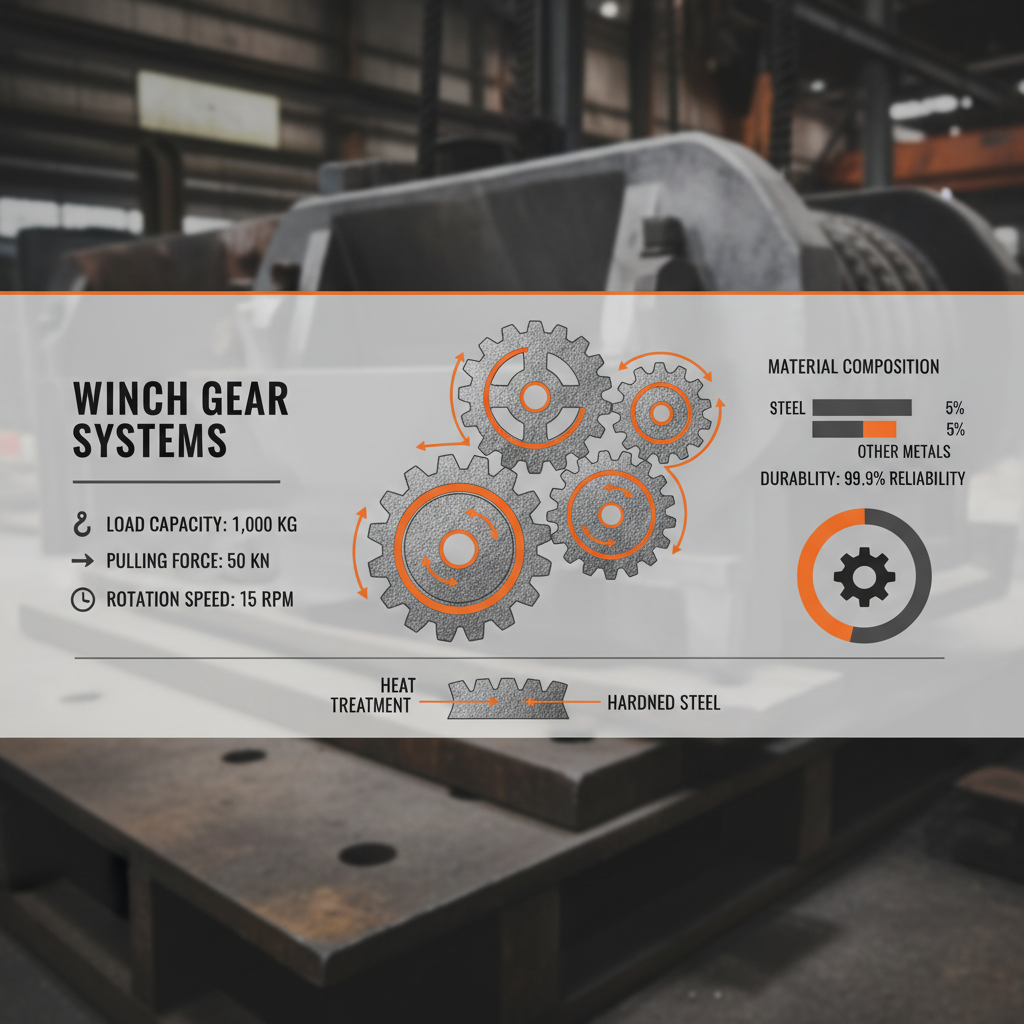
Investing in high-quality steel gears offers numerous benefits. Increased reliability, reduced downtime, and improved efficiency are just a few. Durable gears require less frequent replacement, lowering maintenance costs. Precision-engineered gears ensure smooth and accurate power transmission, minimizing energy loss. Furthermore, high-quality gears often have a longer lifespan, providing a greater return on investment. LBS Winch is committed to providing gears that meet the highest standards of quality and performance.
Conclusion: Powering Your Success with Reliable Steel Gears
High-quality steel gears are the backbone of countless industries, providing reliable and efficient power transmission. Choosing the right gear for your application is essential for maximizing performance and minimizing downtime. LBS Winch offers a comprehensive range of precision-engineered gears to meet your specific needs. Contact us today to learn how we can power your success.
Frequently Asked Questions (FAQs)
What is the difference between spur and helical gears?
Spur gears have straight teeth and are simpler to manufacture, making them generally more cost-effective. However, they can be noisier and generate more vibration. Helical gears, with their angled teeth, offer smoother and quieter operation and can handle higher loads. The angled teeth provide a more gradual engagement, reducing impact and noise. They are generally preferred for applications requiring higher speed or quieter operation, but are more expensive to produce.
What types of steel are commonly used for gears?
Common steel types for gears include carbon steel (for lower-stress applications), alloy steel (offering higher strength and wear resistance), and stainless steel (providing corrosion resistance). Specific alloy steels like 4140 and 8620 are frequently used for their excellent properties. The choice depends on the gear's intended application, load requirements, and operating environment.
How important is lubrication for steel gears?
Lubrication is critical for the longevity and performance of steel gears. It reduces friction, minimizes wear, dissipates heat, and protects against corrosion. Proper lubrication extends the gear's lifespan and prevents premature failure. The type of lubricant used should be appropriate for the gear's material, load, speed, and operating temperature.
What factors influence the gear ratio?
The gear ratio is determined by the number of teeth on the driving and driven gears. A larger gear ratio means a greater reduction in speed and an increase in torque. The desired gear ratio depends on the specific application and the required relationship between speed and torque. Worm gears are particularly effective for achieving high gear ratios.
-
The Ultimate Guide to Gear Steels for Durability and PerformanceNewsApr.16,2026
-
High Performance Gear Stainless Steel for Industrial DurabilityNewsApr.09,2026
-
Comprehensive Guide to Steel Bevel Gears Applications and SelectionNewsApr.07,2026
-
Comprehensive Guide to Durable Stainless Steel Miter Gears and ApplicationsNewsApr.04,2026
-
Comprehensive Guide to Steel Spur Gears Functionality and ApplicationsNewsMar.31,2026
-
Comprehensive Guide to Durable Stainless Steel Spur Gears and Their ApplicationsNewsMar.28,2026