Comprehensive Guide to Electric Winch Operation for Safe and Efficient Use
Understanding Electric Winch Operation for Optimal Performance
Electric winches are powerful tools used across a multitude of industries, from marine applications and off-roading to industrial lifting and recovery operations. A solid understanding of electric winch operation is crucial for safe and efficient use. This article will delve into the key principles, safety precautions, common applications, and maintenance practices associated with electric winches, ensuring you can maximize their benefits while minimizing risks. Proper operation extends the lifespan of your winch and prevents costly accidents.
Key Components and How They Work
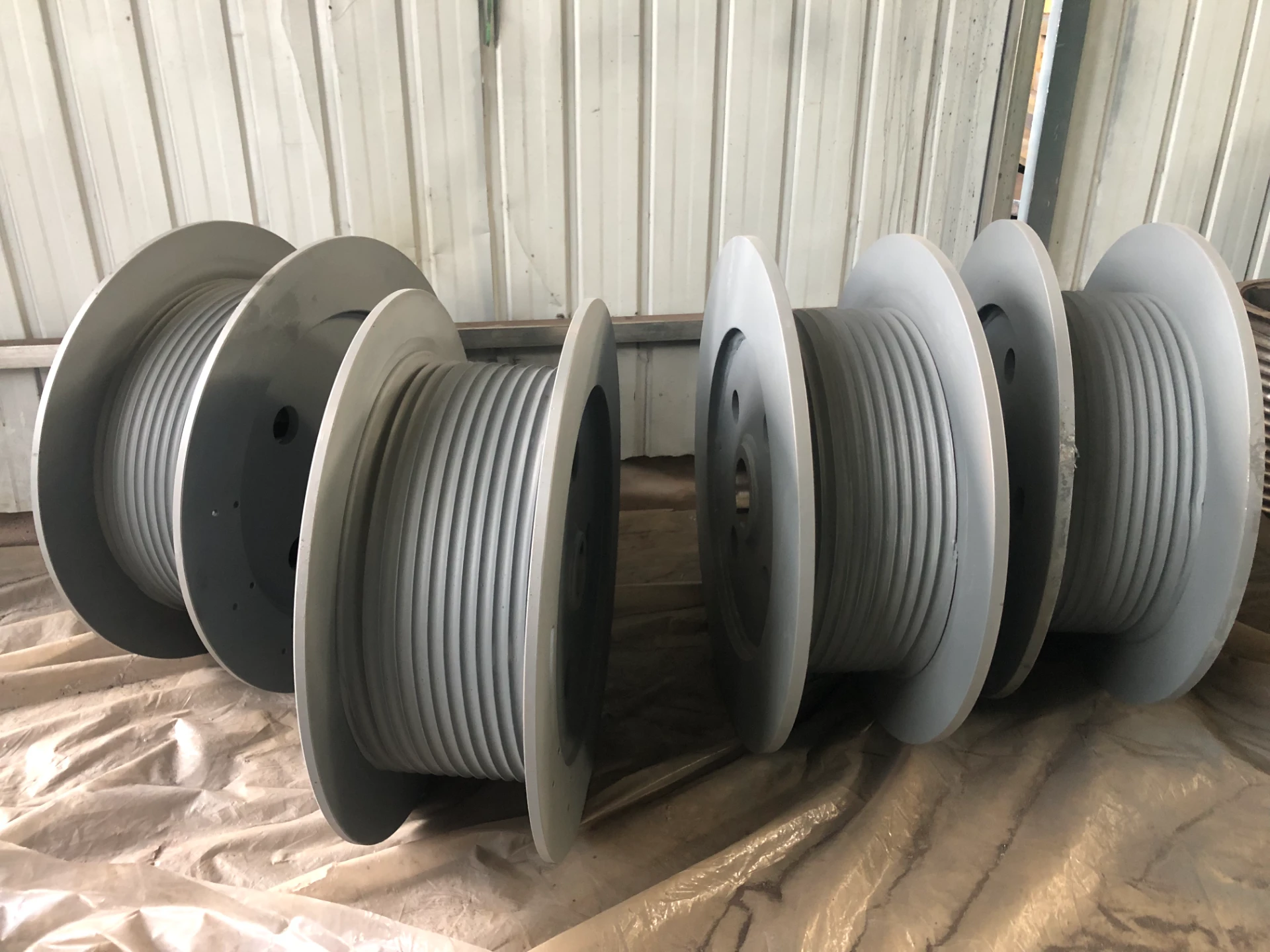
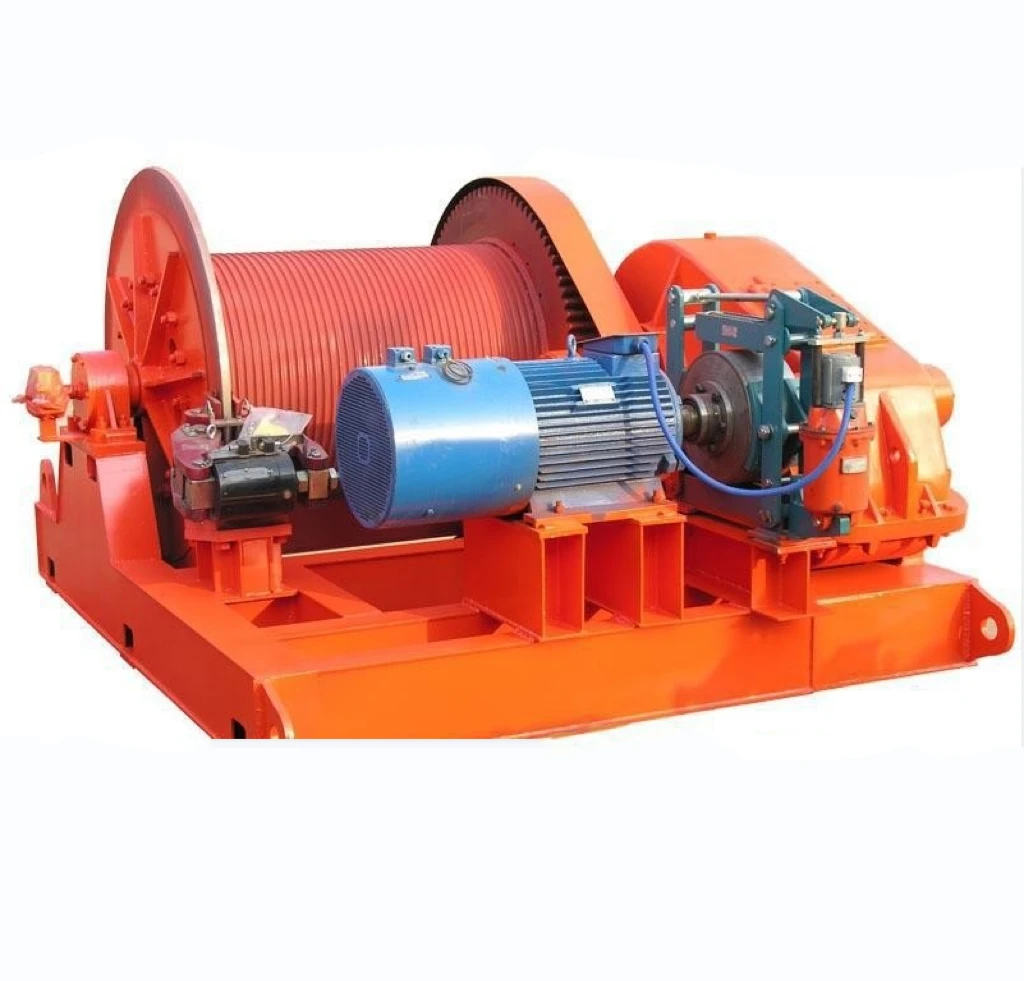
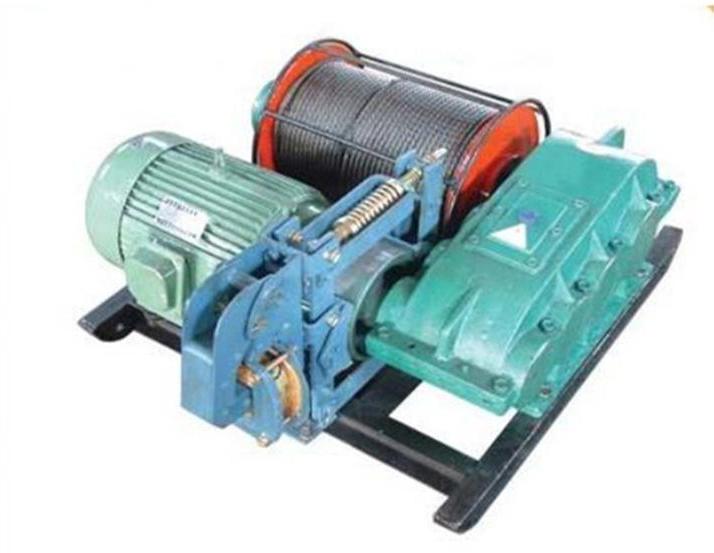
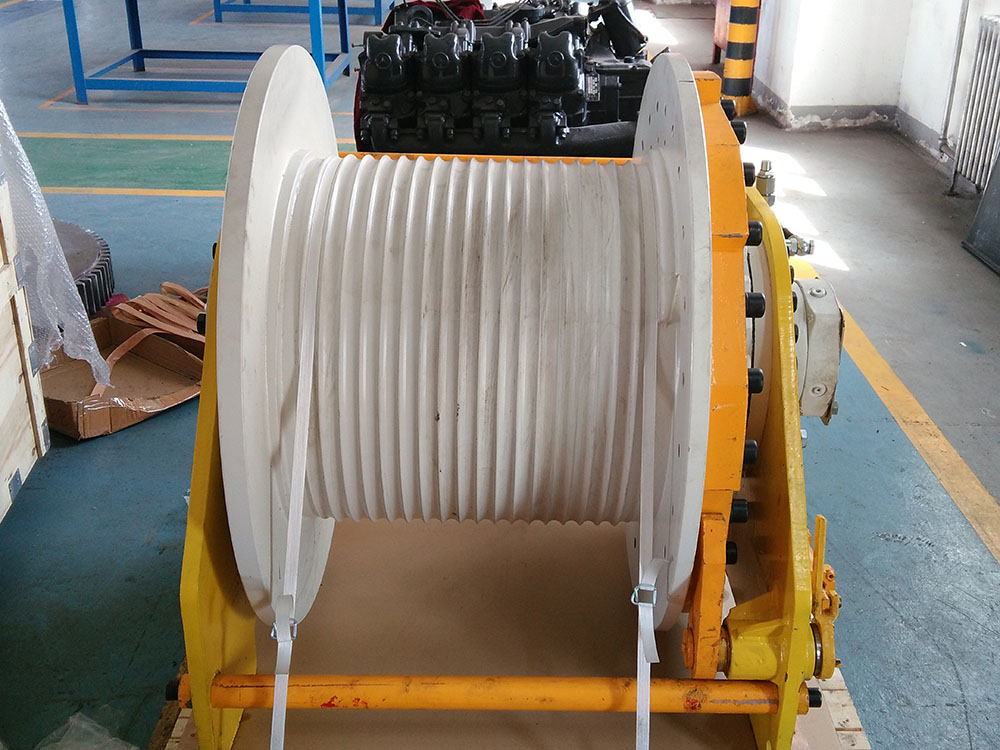
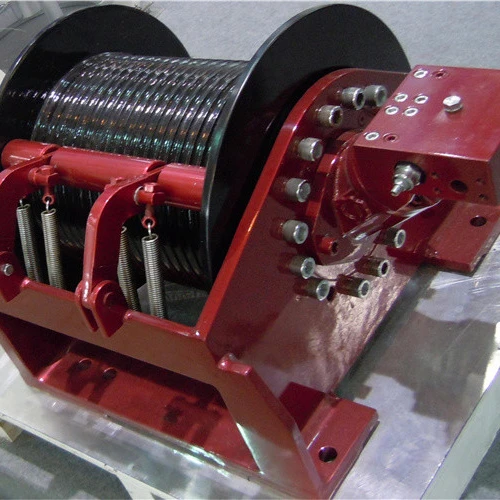
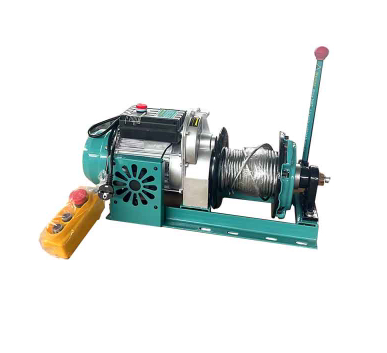
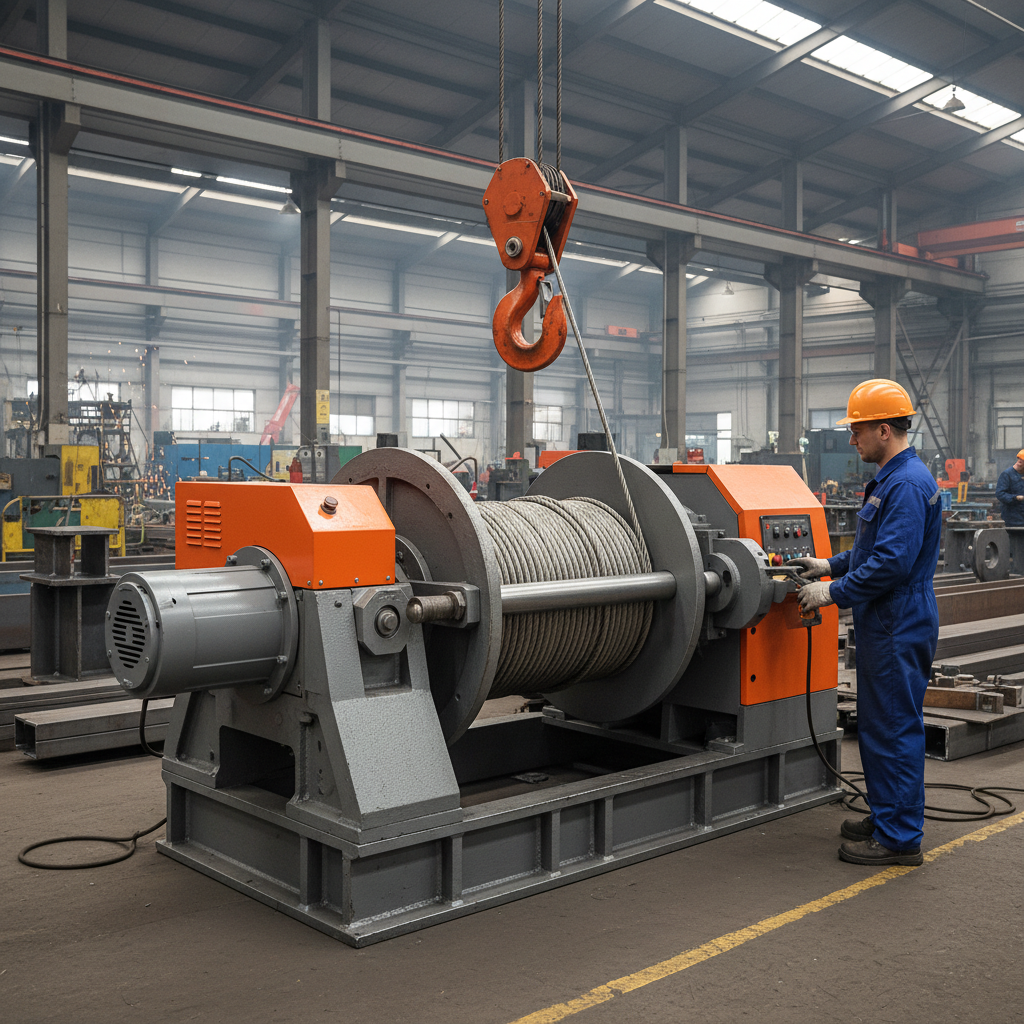
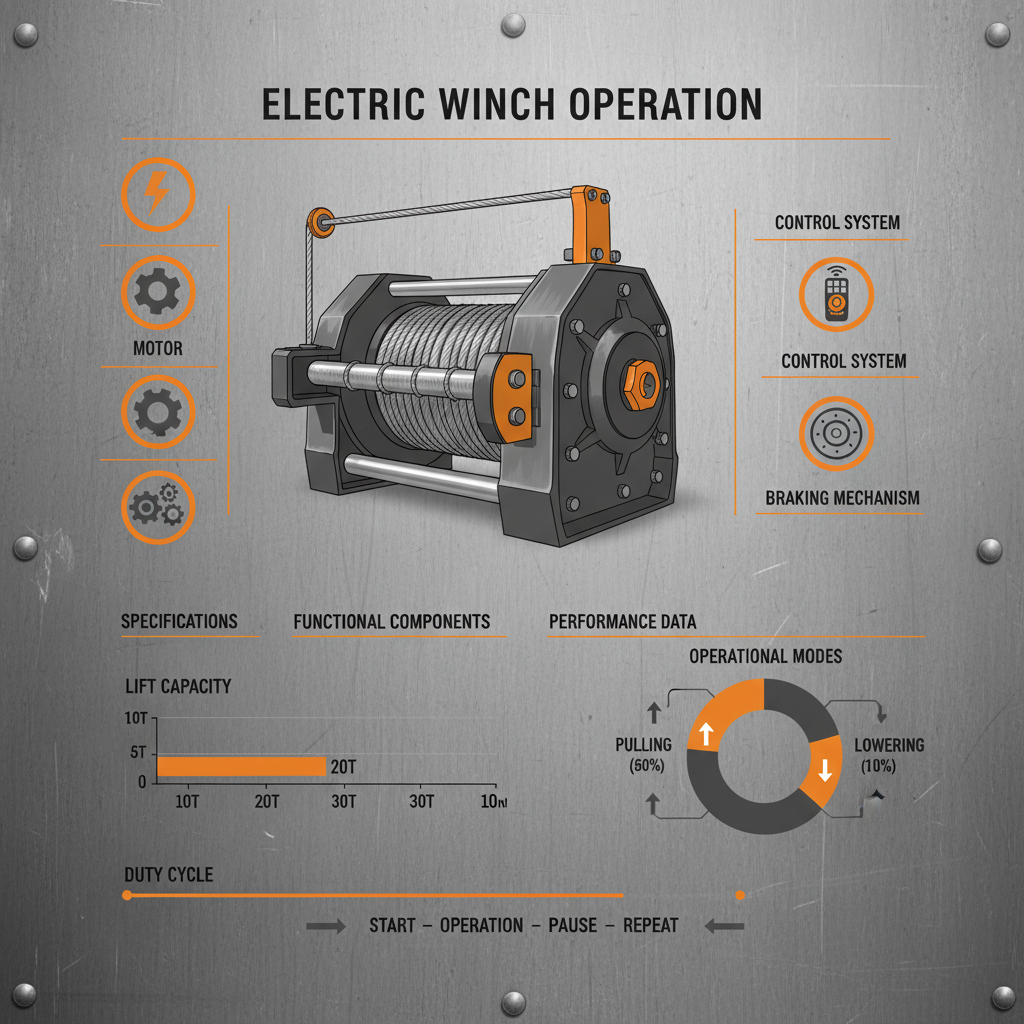
An electric winch primarily consists of a motor, gearbox, drum, brake, and control system. The motor provides the power, which is then reduced and amplified by the gearbox to generate the necessary torque for pulling. The drum spools the cable or rope, and the brake ensures the load remains securely held. The control system, often a remote or switch, allows the operator to control the winch’s direction and speed. Understanding how each component interacts is essential for proper operation. Modern electric winches frequently incorporate features such as overload protection and automatic braking systems to enhance safety.
Key Takeaway: An electric winch converts electrical energy into mechanical force for pulling or lifting loads. Correct use requires understanding the function of each part and adhering to safety guidelines.
Safe Electric Winch Operation: Essential Precautions
Safety should always be the top priority when operating an electric winch. Before each use, inspect the cable or rope for any signs of wear or damage. Ensure the winch is securely mounted and that the anchor point is capable of supporting the load. Never exceed the winch’s rated capacity. Maintain a safe distance from the cable during operation and never place any body parts in the line of pull. Always use a dampener, such as a heavy blanket, on the cable in case of breakage. Regularly inspect all components and address any issues promptly.
Safety Best Practices:
• Inspect cable and anchor points before each use.
• Never exceed the winch’s rated capacity.
• Use a dampener on the cable.
• Maintain a safe distance during operation.
Understanding Load Capacity and Cable Selection
The load capacity of an electric winch is a critical specification. It’s usually expressed in pounds or kilograms and represents the maximum weight the winch can safely pull. Selecting the correct cable or rope is equally important. Consider the cable’s diameter, material (steel or synthetic), and breaking strength. Synthetic ropes are lighter and offer better handling, while steel cables provide greater abrasion resistance. Always consult the winch’s documentation and choose a cable that is appropriately sized for the intended application and load. LBS Winch offers a variety of winches and cables designed for different load requirements.
Common Applications of Electric Winches
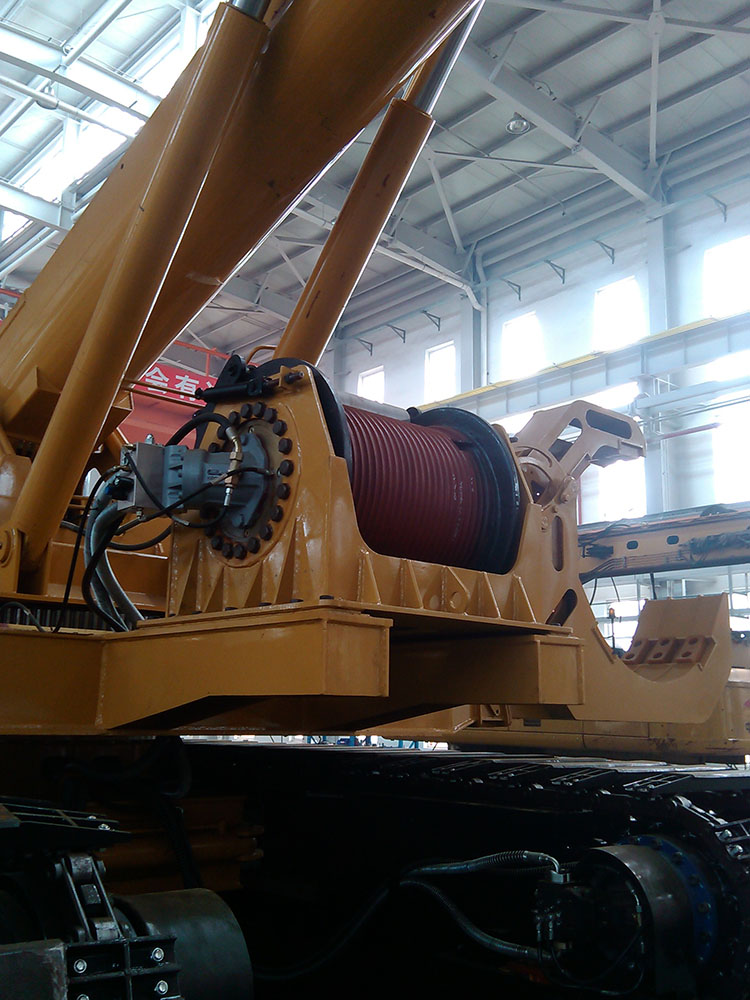
Electric winches find application in a diverse range of sectors. In the marine industry, they are used for anchoring, boat launching, and lifting equipment. Off-road enthusiasts utilize them for self-recovery in challenging terrain. Industrially, they are vital for lifting heavy objects, positioning equipment, and assisting in construction projects. The versatility and power of electric winches make them invaluable tools across numerous operational contexts. From vehicle recovery to industrial material handling, these winches contribute significantly to efficiency and safety.
Regular Maintenance for Long-Term Reliability
Consistent maintenance is essential to ensure the longevity and reliable performance of your electric winch. Regularly lubricate moving parts, inspect the cable for wear, and check the brake system for proper function. Keep the winch clean and free from debris. Store the winch in a dry environment when not in use. Periodic inspections by a qualified technician can help identify and address potential issues before they become major problems. Following a preventative maintenance schedule will save you time and money in the long run.
Conclusion: Maximizing Performance and Safety with Proper Winch Operation
Understanding electric winch operation – from safety precautions to regular maintenance – is critical for efficient and reliable performance. By adhering to best practices, you can extend the lifespan of your winch, prevent accidents, and ensure optimal results. Investing in quality equipment and prioritizing safety will always yield the best long-term outcomes.
Frequently Asked Questions (FAQs)
What is the proper way to spool a cable onto an electric winch?
When spooling the cable, ensure it’s done neatly and evenly to prevent kinking and binding. Always maintain a slight load on the cable as it spools to keep it taut. Avoid over-spooling, as this can damage the winch and potentially cause the cable to jump off the drum. If using a remote control, operate the winch slowly and steadily during the spooling process. A properly spooled cable will extend the life of both the cable and the winch.
How often should I inspect my electric winch?
It's recommended to visually inspect your electric winch before each use. This includes checking the cable for fraying, the hook for cracks, the brake for proper engagement, and the remote control for functionality. A more thorough inspection, including lubrication of moving parts and a check of the electrical connections, should be performed at least every six months, or more frequently if the winch is used heavily. Keeping a log of inspections can help you track maintenance and identify potential issues.
What are the signs that my electric winch needs professional servicing?
Several signs indicate your electric winch may require professional servicing. These include unusual noises during operation, difficulty spooling or unspooling the cable, a slipping brake, overheating, or electrical issues. If you notice any of these symptoms, discontinue use and contact a qualified technician. Attempting to repair the winch yourself could be dangerous and void any warranty.
-
The Ultimate Guide to Gear Steels for Durability and PerformanceNewsApr.16,2026
-
High Performance Gear Stainless Steel for Industrial DurabilityNewsApr.09,2026
-
Comprehensive Guide to Steel Bevel Gears Applications and SelectionNewsApr.07,2026
-
Comprehensive Guide to Durable Stainless Steel Miter Gears and ApplicationsNewsApr.04,2026
-
Comprehensive Guide to Steel Spur Gears Functionality and ApplicationsNewsMar.31,2026
-
Comprehensive Guide to Durable Stainless Steel Spur Gears and Their ApplicationsNewsMar.28,2026