Comprehensive Guide to Steel Bevel Gears Applications and Selection
Understanding Steel Bevel Gears: A Comprehensive Guide
Steel bevel gears are a crucial component in numerous mechanical systems, enabling power transmission between shafts that intersect at an angle. Their precise engineering and robust construction make them ideal for high-torque applications. At LBS Winch, we specialize in providing high-quality steel bevel gears tailored to diverse industrial needs. This article delves into the characteristics, applications, advantages, and considerations when selecting steel bevel gears, offering a thorough understanding for engineers, designers, and buyers. Choosing the correct gear is critical for optimal system performance and longevity.
What are Steel Bevel Gears?
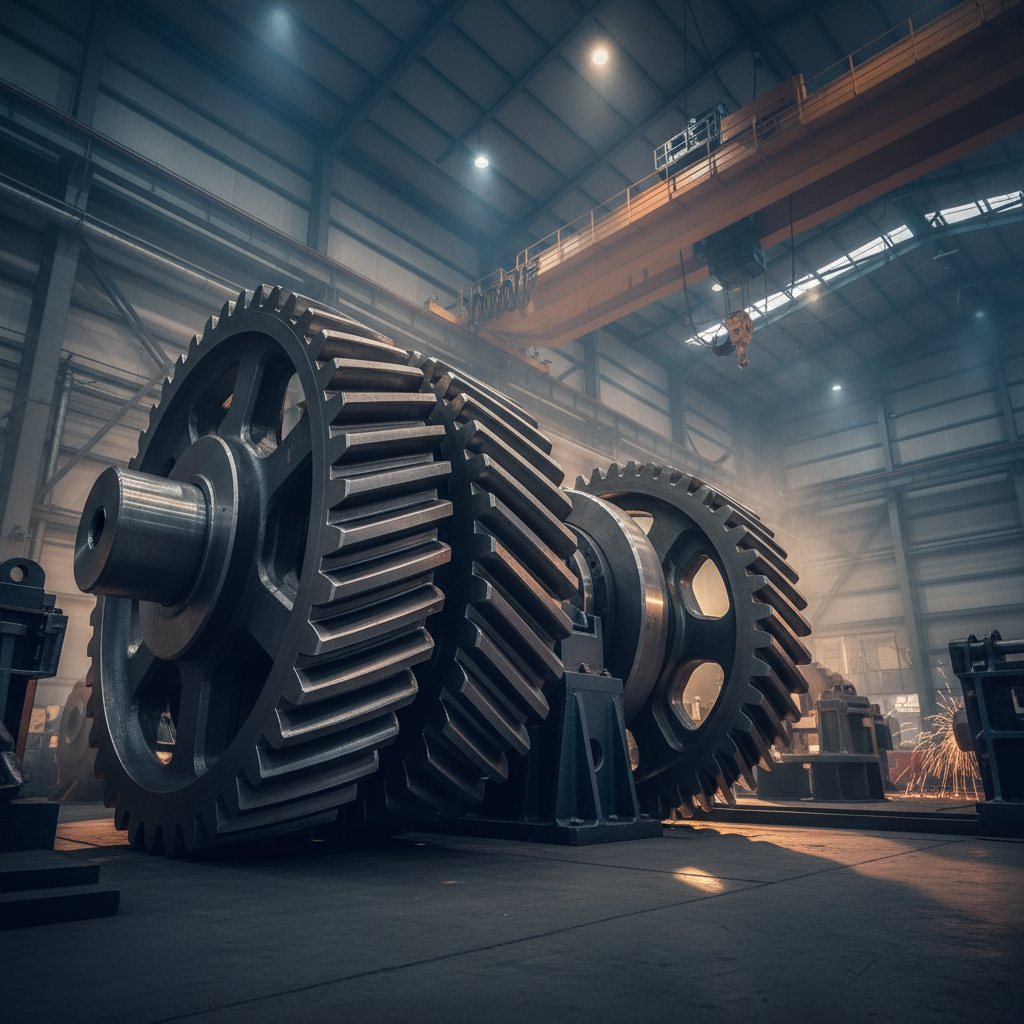
Steel bevel gears are conical gears designed to transmit power between shafts that intersect, typically at a 90-degree angle. Unlike spur gears which have parallel shafts, bevel gears excel in situations demanding angular power transmission. They are constructed from various steel alloys, chosen based on the desired strength, hardness, and wear resistance. The teeth are cut on the conical surface, allowing for smooth and efficient meshing. LBS Winch offers a range of steel alloys to meet specific application requirements.
Key Characteristics: Conical shape, angular power transmission, high torque capacity, robust construction.
Types of Steel Bevel Gears
Several types of steel bevel gears exist, each suited for specific applications. The most common include:
- Straight Bevel Gears: These gears have straight teeth, are relatively simple to manufacture, and are cost-effective for lower-speed applications.
- Spiral Bevel Gears: With curved teeth, spiral bevel gears offer smoother, quieter operation and can handle higher speeds and loads than straight bevel gears.
- Hypoid Bevel Gears: A variation of spiral bevel gears, hypoid gears have non-intersecting axes, allowing for larger pinion sizes and increased strength.
- Zerol Bevel Gears: These gears have teeth designed to minimize axial thrust, making them suitable for applications where axial loads are a concern.
Understanding these distinctions is essential when selecting the appropriate gear for a particular application. LBS Winch's team can assist in selecting the optimal gear type based on your specific needs.
Applications of Steel Bevel Gears
Steel bevel gears are used extensively across numerous industries due to their versatility and efficiency. Common applications include:
- Automotive Differentials: A critical component allowing wheels to rotate at different speeds during turns.
- Power Tools: Drills, grinders, and other power tools utilize bevel gears for angular power transmission.
- Industrial Machinery: Used in a wide range of machines, including mixers, conveyors, and pumps.
- Marine Applications: Steering systems and propulsion systems often employ bevel gears.
- Aerospace: Various aircraft systems utilize high-precision bevel gears.
The ability of bevel gears to transmit power efficiently at angles makes them invaluable in these diverse applications.
Steel Bevel Gear Materials and Their Properties
The choice of steel alloy significantly impacts the performance and lifespan of a bevel gear. Here’s a comparison of common materials:
Factors to Consider When Selecting Steel Bevel Gears
Choosing the right steel bevel gear involves several considerations. Factors to assess include:
- Load Capacity: The amount of torque the gear needs to transmit.
- Speed: The rotational speed of the gears.
- Angle of Intersection: The angle between the shafts.
- Operating Environment: Temperature, lubrication, and exposure to corrosive substances.
- Accuracy Requirements: Precision applications demand higher accuracy gears.
LBS Winch offers engineering support to help you navigate these considerations and select the most suitable gear for your application.
Conclusion: Precision and Reliability with LBS Winch
Steel bevel gears are fundamental to countless mechanical systems. Selecting the right gear, crafted from appropriate materials and designed for your specific application, is critical for optimal performance and longevity. At LBS Winch, we are dedicated to providing high-quality steel bevel gears, expert engineering support, and reliable service. Contact us today to discuss your needs and find the perfect gearing solution.
Frequently Asked Questions (FAQs)
What is the typical service life of a steel bevel gear?
The service life of a steel bevel gear depends heavily on operating conditions, load, lubrication, and the quality of the gear itself. With proper lubrication and within specified load limits, a well-maintained steel bevel gear can last for many years, often exceeding 20,000 hours of operation. However, factors like shock loading, misalignment, and abrasive contaminants can significantly reduce lifespan. Regular inspection and preventative maintenance are crucial for maximizing service life. At LBS Winch, we offer guidance on proper gear maintenance to extend the life of your investment.
What type of lubrication is best for steel bevel gears?
The ideal lubricant for steel bevel gears depends on the operating conditions, speed, and load. Generally, extreme pressure (EP) lubricants are recommended, as they form a protective film between the gear teeth, reducing wear and friction. Synthetic gear oils are often preferred for high-speed or high-temperature applications. Proper lubricant viscosity is also critical; too thin and it won't provide adequate protection, too thick and it will increase friction and heat. Consulting a lubrication specialist is recommended to determine the optimal lubricant for your specific application.
What are the signs of wear in a steel bevel gear?
Several signs indicate wear in a steel bevel gear. These include excessive noise during operation, vibration, pitting or spalling on the gear teeth, discoloration of the lubricant, and increased backlash. If you notice any of these symptoms, it’s important to inspect the gear immediately. Continuing to operate a worn gear can lead to catastrophic failure and damage to other components. LBS Winch can provide gear inspection and repair services.
Can LBS Winch provide custom steel bevel gears?
Yes, LBS Winch specializes in providing custom steel bevel gears tailored to your specific requirements. We can manufacture gears to your exact specifications, including gear ratios, dimensions, materials, and tolerances. Our engineering team can assist with gear design and selection to ensure optimal performance and reliability. Contact us to discuss your custom gear needs.
-
The Ultimate Guide to Gear Steels for Durability and PerformanceNewsApr.16,2026
-
High Performance Gear Stainless Steel for Industrial DurabilityNewsApr.09,2026
-
Comprehensive Guide to Durable Stainless Steel Miter Gears and ApplicationsNewsApr.04,2026
-
Comprehensive Guide to Steel Spur Gears Functionality and ApplicationsNewsMar.31,2026
-
Comprehensive Guide to Durable Stainless Steel Spur Gears and Their ApplicationsNewsMar.28,2026