High Performance Gear Stainless Steel for Industrial Durability
The Ultimate Guide to Gear Stainless Steel: Performance and Durability
In the world of industrial machinery and precision engineering, the material choice for transmission components can determine the lifespan of an entire system. Choosing a gear stainless steel configuration is often the most strategic decision for operations facing corrosive environments or high-hygiene requirements. Unlike standard carbon steel, stainless steel offers an innate resistance to oxidation and wear, making it indispensable for marine, food processing, and chemical industries. This guide explores why stainless steel is the gold standard for high-performance gearing and how to select the right grade for your specific mechanical needs.
Unmatched Advantages of Gear Stainless Steel
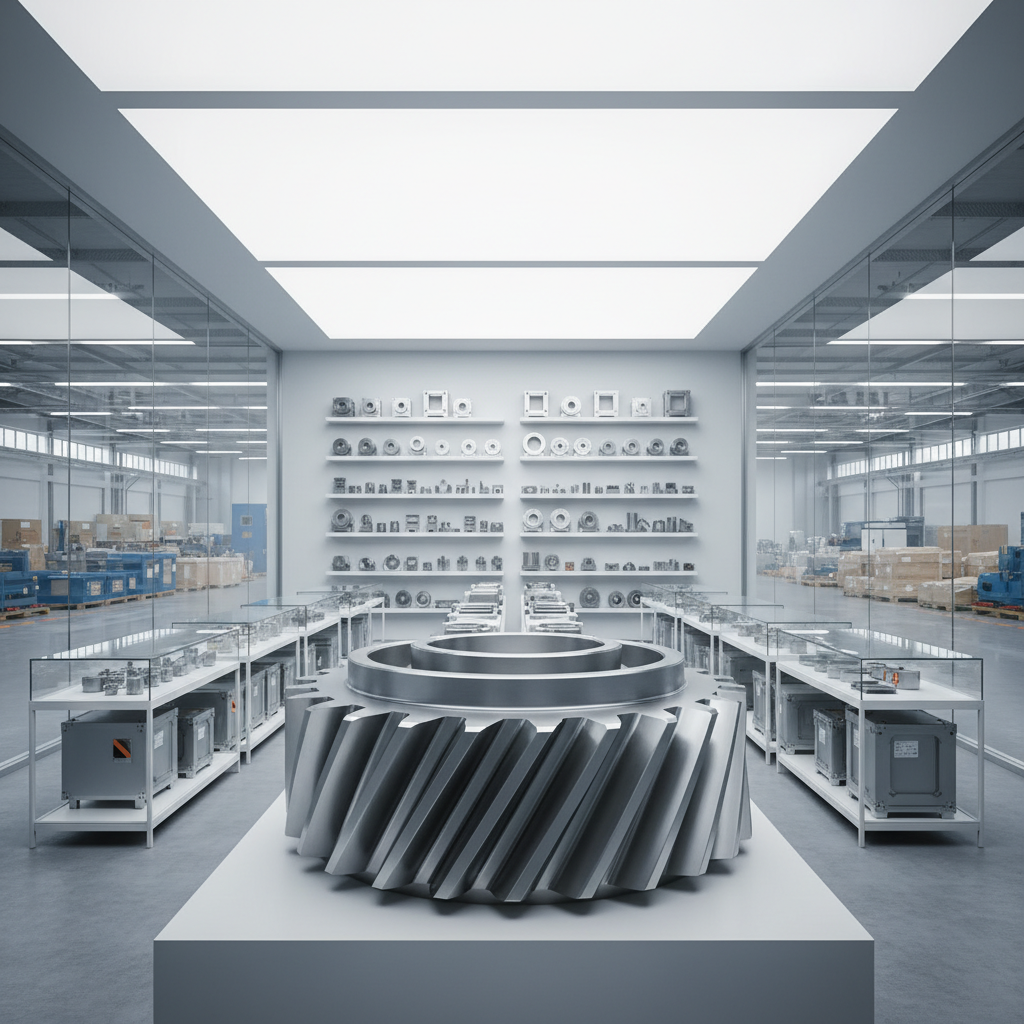
The primary appeal of using a gear stainless steel component lies in its exceptional corrosion resistance. The presence of chromium creates a passive layer of chromium oxide on the surface, which prevents oxygen from penetrating the metal. This makes these gears ideal for saltwater exposure or acidic environments where traditional gears would fail within weeks. Additionally, stainless steel gears provide high temperature resistance, maintaining structural integrity under thermal stress. For industries where contamination is a risk, the non-reactive nature of stainless steel ensures that the product remains pure, which is why it is mandated in pharmaceutical and food-grade machinery.
Core Benefits: Natural resistance to rust and corrosion, elimination of the need for frequent painting or coating, and superior longevity in harsh chemical environments.
Comparing Material Grades for Gear Stainless Steel
Not all stainless steel is created equal. Depending on the torque requirements and the environment, different alloys are used to manufacture a gear stainless steel system. For instance, 304 grade is the general-purpose choice, offering great balance, while 316 grade is essential for marine applications due to its molybdenum content. For those requiring extreme hardness and wear resistance, martensitic grades like 440C are preferred because they can be heat-treated. Understanding these differences is key to avoiding premature gear failure due to pitting or surface galling.
Manufacturing Precision for Gear Stainless Steel
Producing a high-quality gear stainless steel requires advanced machining techniques. Because stainless steel is tougher and more prone to work-hardening than mild steel, precision CNC milling and grinding are essential to achieve the necessary tooth profile accuracy. Proper tolerances ensure smooth power transmission and reduce noise levels. Furthermore, surface finishing—such as electropolishing—can be applied to further enhance the corrosion resistance and reduce friction between mating gear teeth, significantly extending the service interval of the machinery.
Maintenance Tips for Long-Term Gear Performance
While a gear stainless steel is inherently durable, proper maintenance is still required to prevent "galling"—a form of wear caused by adhesion between sliding surfaces. Using synthetic lubricants specifically designed for stainless steel can create a protective barrier that reduces heat buildup. Regular inspections for debris buildup are also recommended, as foreign particles can scratch the passive oxide layer and create focal points for localized corrosion. By following a strict lubrication schedule, operators can maximize the return on investment for their stainless components.
Maintenance Checklist:
• Use high-grade synthetic lubricants to prevent galling
• Periodically clean surfaces to maintain the passive oxide layer
• Monitor tooth alignment to prevent uneven wear
• Check for pitting in high-salinity environments
Technical Specifications of Gear Stainless Steel Components
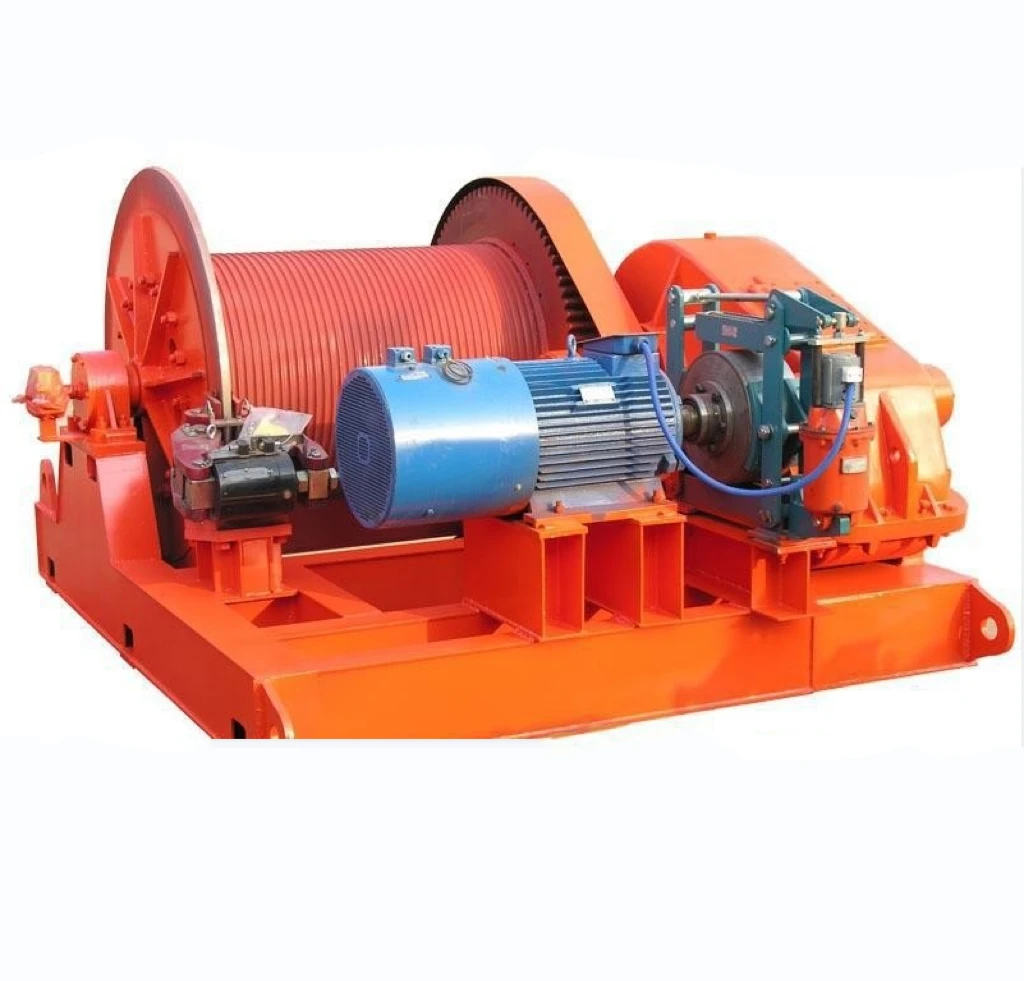
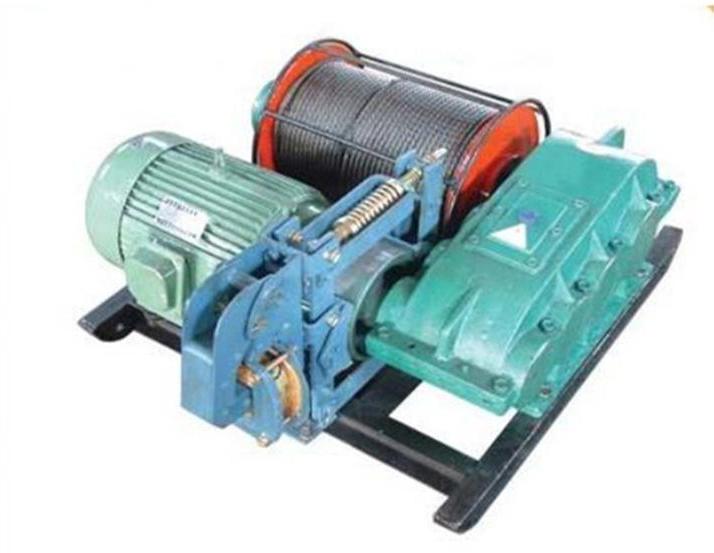
When ordering custom components, it is vital to define the technical parameters. A gear stainless steel specification sheet typically includes the module, pressure angle, and the specific alloy grade. These factors collectively influence the gear's ability to handle torque and resist deformation. Below is a typical specification table for industrial-grade stainless gears used in heavy-duty winch or hoist systems.
Conclusion: The Strategic Value of Stainless Steel Gearing
Investing in gear stainless steel is more than just a material upgrade; it is a commitment to operational reliability. By reducing the frequency of replacements and eliminating the risks associated with corrosion, businesses can significantly lower their total cost of ownership. Whether you are operating in the depths of the ocean or the sterile halls of a lab, the durability and precision of stainless steel gears provide the peace of mind necessary for mission-critical applications. Choose the right grade, maintain it properly, and ensure your machinery performs at its peak for decades.
Frequently Asked Questions (FAQs)
Is stainless steel gear always better than carbon steel?
Not necessarily. The "better" material depends entirely on the environment. Carbon steel is often stronger and more cost-effective for indoor, dry environments where rust is not a concern. However, in any scenario involving moisture, chemicals, or food contact, gear stainless steel is vastly superior because it eliminates the need for expensive anti-corrosion coatings and prevents structural failure due to rust.
What is "galling" in stainless steel gears and how is it prevented?
Galling is a form of severe adhesive wear that occurs when two stainless steel surfaces slide against each other, causing the protective oxide layer to rupture and the metal to "weld" together at a microscopic level. This can lead to gear jamming. To prevent this, it is crucial to use high-pressure lubricants, utilize different hardness levels for mating gears, or apply specialized surface treatments like nitriding to increase surface hardness.
How do I choose between 304 and 316 grade for my gears?
The choice depends on the severity of the environment. 304 is excellent for most industrial applications and offers great strength. However, if your equipment is exposed to chlorides (like seawater) or harsh acids, 316 is the necessary choice. The molybdenum in 316 provides critical protection against pitting and crevice corrosion, ensuring the gear remains functional in the most aggressive environments.
Can stainless steel gears be heat treated for more strength?
It depends on the grade. Austenitic stainless steels (like 304 and 316) cannot be hardened by heat treatment. If your application requires high hardness and wear resistance, you must choose Martensitic grades, such as 440C. These can be quenched and tempered to achieve high Rockwell hardness, making them ideal for gears that must withstand heavy loads without deforming.
-
The Ultimate Guide to Gear Steels for Durability and PerformanceNewsApr.16,2026
-
Comprehensive Guide to Steel Bevel Gears Applications and SelectionNewsApr.07,2026
-
Comprehensive Guide to Durable Stainless Steel Miter Gears and ApplicationsNewsApr.04,2026
-
Comprehensive Guide to Steel Spur Gears Functionality and ApplicationsNewsMar.31,2026
-
Comprehensive Guide to Durable Stainless Steel Spur Gears and Their ApplicationsNewsMar.28,2026