The Ultimate Guide to Gear Steels for Durability and Performance
The Ultimate Guide to Gear Steels: Selecting the Right Material for Durability
In the world of precision engineering and heavy-duty machinery, the integrity of a transmission system depends entirely on the quality of its components. Choosing the right gear steels is not just a technical preference but a critical decision that affects the lifespan, efficiency, and safety of the entire mechanical system. Whether you are designing high-torque winches or industrial gearboxes, understanding the metallurgical properties of gear steels ensures that your equipment can withstand extreme pressure and wear. This guide will walk you through the various types of alloys, their properties, and how to optimize your selection for maximum performance.
Understanding the Fundamentals of Gear Steels
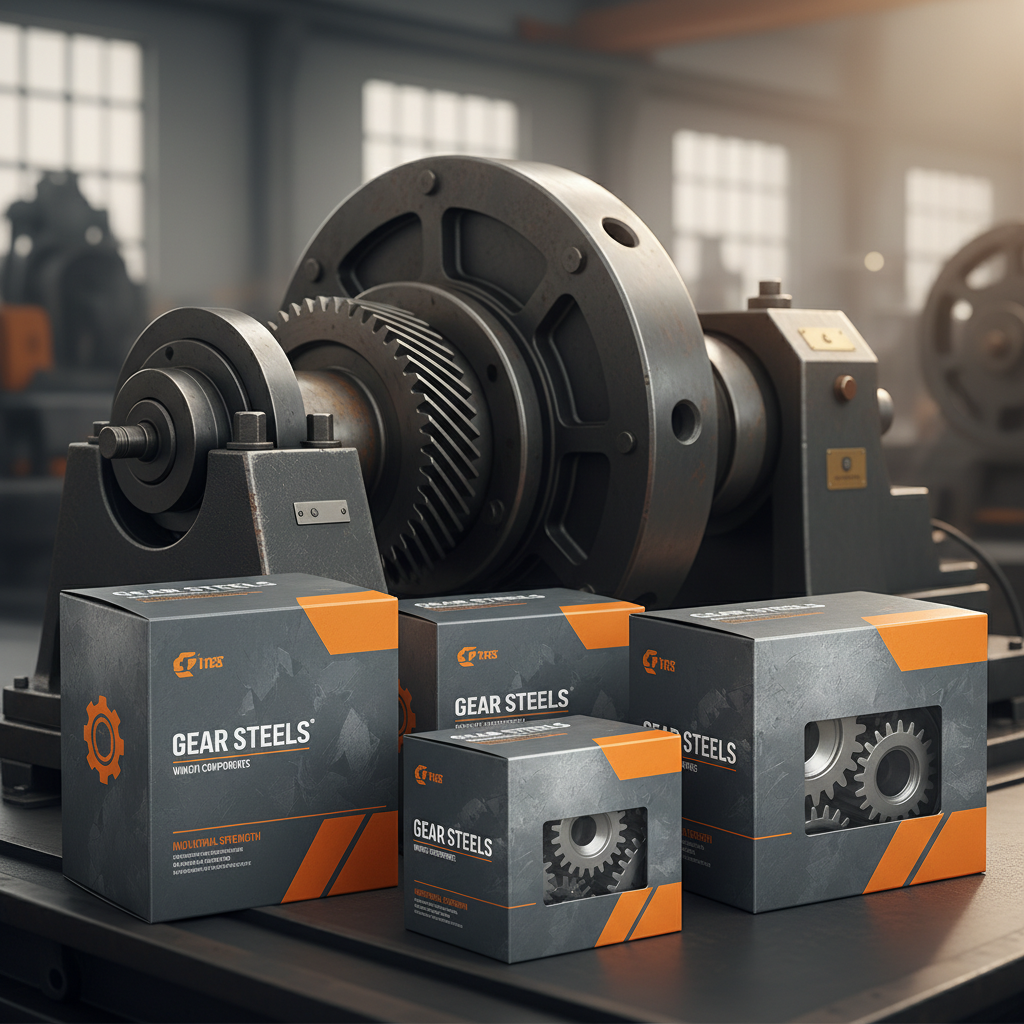
Gear steels are specialized alloy steels designed to provide a unique combination of core toughness and surface hardness. The primary goal is to prevent the gear teeth from wearing down or pitting while ensuring the core of the gear can absorb shock loads without fracturing. Most high-performance gears utilize carburizing or nitriding processes to achieve this dual-property characteristic. By integrating specific elements like chromium, nickel, and molybdenum, gear steels offer superior fatigue resistance and higher load-bearing capacities compared to standard carbon steels.
Pro Tip: Always consider the "Hertzian Contact Stress" when selecting your alloy. The surface must be hard enough to resist deformation, while the bulk material must remain ductile to handle sudden impact loads.
Comparing Common Types of Gear Steels
Depending on the application, different alloys are preferred. Case-hardening steels are the gold standard for heavy loads, while through-hardening steels are used for lighter applications where cost-efficiency is key. The choice of gear steels often comes down to the trade-off between hardness and toughness. For instance, AISI 8620 is widely used for its excellent hardenability and versatility in various heat treatment processes.
The Role of Heat Treatment in Gear Steels
The raw material is only half the story. The true power of gear steels is unlocked through precise heat treatment. Processes such as quenching and tempering refine the grain structure, while case hardening (carburizing) infuses carbon into the surface layer. This creates a hard "shell" that resists abrasive wear, while the interior remains relatively soft and tough to prevent catastrophic brittle failure during peak loads. Proper heat treatment is the difference between a gear that lasts ten years and one that fails in ten hours.
Industry Applications for Specialized Gear Steels
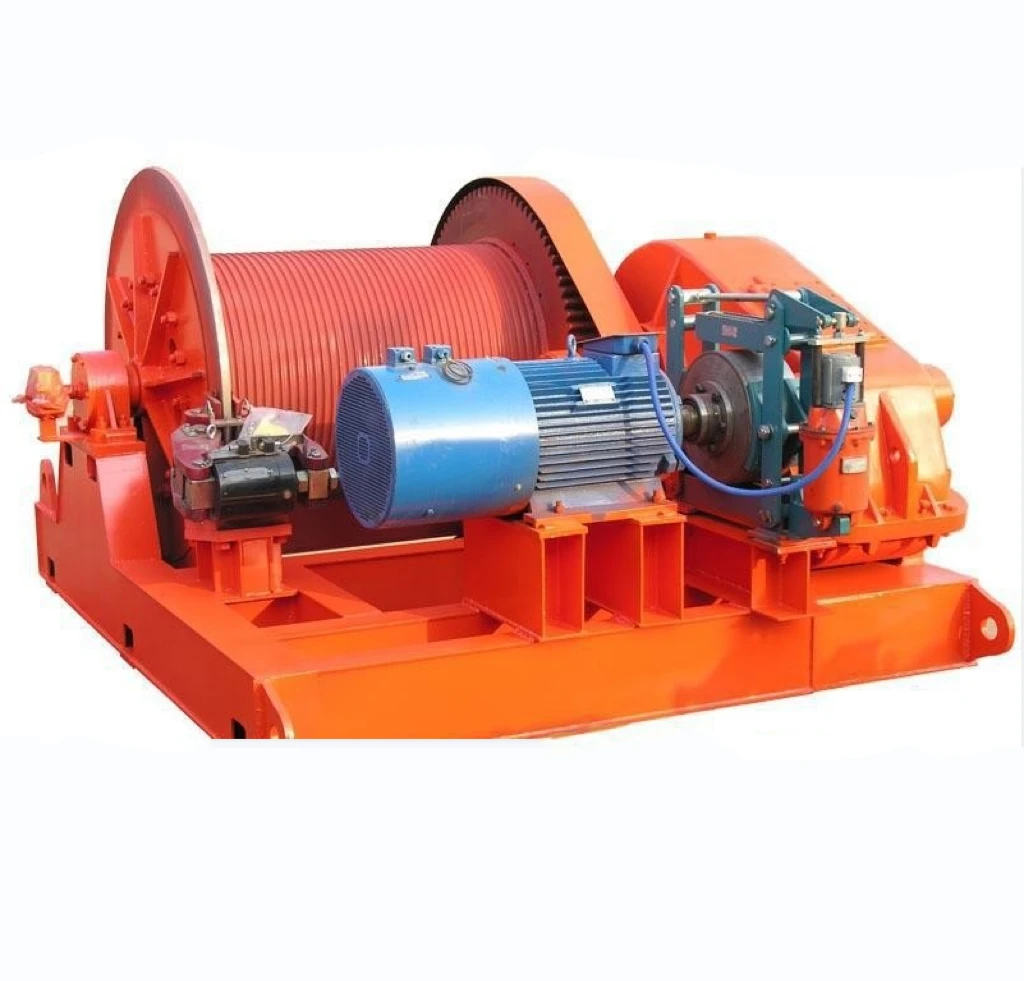
Different sectors demand different performance profiles. In the automotive industry, the focus is on weight reduction and efficiency, leading to the use of high-strength alloy gear steels. In heavy mining and construction equipment, the priority shifts to impact resistance and extreme durability. Winches, for example, require gears that can handle sudden halts and immense tension without shearing. By matching the alloy to the specific environment—whether it's corrosive marine settings or high-temperature industrial plants—engineers can optimize the total cost of ownership.
Technical Specifications of Premium Gear Steels
When reviewing data sheets for gear steels, it is essential to look beyond just the hardness value. Tensile strength, yield strength, and the depth of the hardened case are the metrics that truly define performance. A deeper case depth generally provides better support for the surface, reducing the risk of "spalling" under heavy loads. Below is a detailed specification table for typical high-grade gear materials used in professional winch and transmission systems.
Maintaining and Extending the Life of Gear Steel Components
Even the highest quality gear steels can fail if lubrication and maintenance are neglected. Proper lubrication reduces the coefficient of friction, which prevents the "micro-welding" effect known as scuffing. Regular inspection for pitting or flaking is essential for predictive maintenance. When gears are operated within their designed load limits and kept clean of contaminants, the inherent properties of the alloy are preserved, ensuring that the machinery operates at peak efficiency for its entire intended design life.
Conclusion: Engineering Success with High-Grade Gear Steels
The selection of gear steels is a cornerstone of mechanical reliability. By balancing alloy composition with advanced heat treatment and rigorous maintenance, companies can ensure their equipment outperforms the competition in the most demanding environments. Investing in premium materials today prevents costly downtime and safety hazards tomorrow. For those seeking the pinnacle of durability in winch and transmission systems, the right steel choice is non-negotiable.
Frequently Asked Questions (FAQs)
What is the main difference between carburizing and nitriding gear steels?
Carburizing involves diffusing carbon into the surface of the steel at high temperatures, followed by quenching. This creates a very deep, hard case that is excellent for heavy-duty shock loads. Nitriding, however, diffuses nitrogen into the surface at much lower temperatures. This results in a thinner, harder layer with significantly less dimensional distortion, making it ideal for precision gears that cannot tolerate the warping associated with high-heat quenching.
Why is "core toughness" so important in gear steels?
While surface hardness prevents wear, a hard surface is naturally brittle. If the entire gear were hard throughout, a sudden impact (like a shock load in a winch) would cause the gear teeth to snap off like glass. Core toughness allows the center of the gear to deform slightly and absorb the energy of the impact, preventing the gear from fracturing and ensuring the system remains operational under stressful conditions.
How do I know when it's time to replace gear steel components?
The first sign of failure in gear steels is typically "pitting"—small holes on the gear tooth surface caused by fatigue. If you notice increased noise, vibration, or a visible change in the gear tooth profile (thinning), it is time for replacement. Regular oil analysis can also detect metal shavings, indicating that the surface layer of the steel is breaking down before a catastrophic failure occurs.
Can standard carbon steel be used as a substitute for alloy gear steels?
In low-stress, low-load applications, standard carbon steel may suffice. However, for any professional or industrial application, it is not recommended. Carbon steel lacks the alloying elements (like Chromium and Molybdenum) that provide deep hardenability and fatigue resistance. Substituting alloy gear steels with carbon steel often leads to premature wear, tooth shear, and frequent system failures, which ultimately increases the long-term cost.
Previous
This is the first article-
High Performance Gear Stainless Steel for Industrial DurabilityNewsApr.09,2026
-
Comprehensive Guide to Steel Bevel Gears Applications and SelectionNewsApr.07,2026
-
Comprehensive Guide to Durable Stainless Steel Miter Gears and ApplicationsNewsApr.04,2026
-
Comprehensive Guide to Steel Spur Gears Functionality and ApplicationsNewsMar.31,2026
-
Comprehensive Guide to Durable Stainless Steel Spur Gears and Their ApplicationsNewsMar.28,2026