The Essential Guide to 1 Ton Hydraulic Winch – Durable, Efficient, and Ready for Heavy Lifting
Understanding the 1 Ton Hydraulic Winch: Why It Matters Today
The humble 1 ton hydraulic winch may not be something you encounter daily unless you're knee-deep in construction, shipping, or heavy machinery operations. But frankly, it's one of those unsung heroes that keeps large-scale projects moving — literally and figuratively. Whether it’s pulling a stuck industrial vehicle out of mud in remote regions or helping disaster relief teams quickly relocate heavy supplies, these winches are vital tools worldwide.
Globally, with industrialization and infrastructure projects booming, the demand for efficient material handling solutions like the 1 ton winch has surged. The International Organization for Standardization (ISO) reflects immense growth in hydraulic equipment production over the past decade (1). Understanding this gear is crucial—not just as a mechanical part but as a connector between human effort and heavy loads, helping us solve real-world challenges efficiently.
Mini Takeaway:
Beyond pulling power, these winches are about enabling crucial work in tough spots — making heavy lifting safer, faster, and more reliable.
The Global Context: A Problem Solver in Heavy Lifting
As infrastructure development grows, so does the difficulty of moving materials in challenging environments. For instance, the World Bank estimates that over 70% of infrastructure projects face delays due to logistical bottlenecks (2). A 1 ton hydraulic winch addresses this by providing a compact yet potent solution to move, lift, or haul heavy items without excessive manpower or bulky equipment.
From oil rigs in the Gulf of Mexico to remote mining operations in Australia and humanitarian logistics in Southeast Asia, the hydraulic winch’s reliability helps tackle problems of accessibility and power supply. The winch’s design, powered by hydraulic force rather than just electric motors, makes it particularly suited to rough terrain and unstable power conditions.
Mini Takeaway:
In practical terms, this tool bridges the gap between enormous loads and limited power sources — particularly in remote or harsh settings.
Defining the 1 Ton Hydraulic Winch
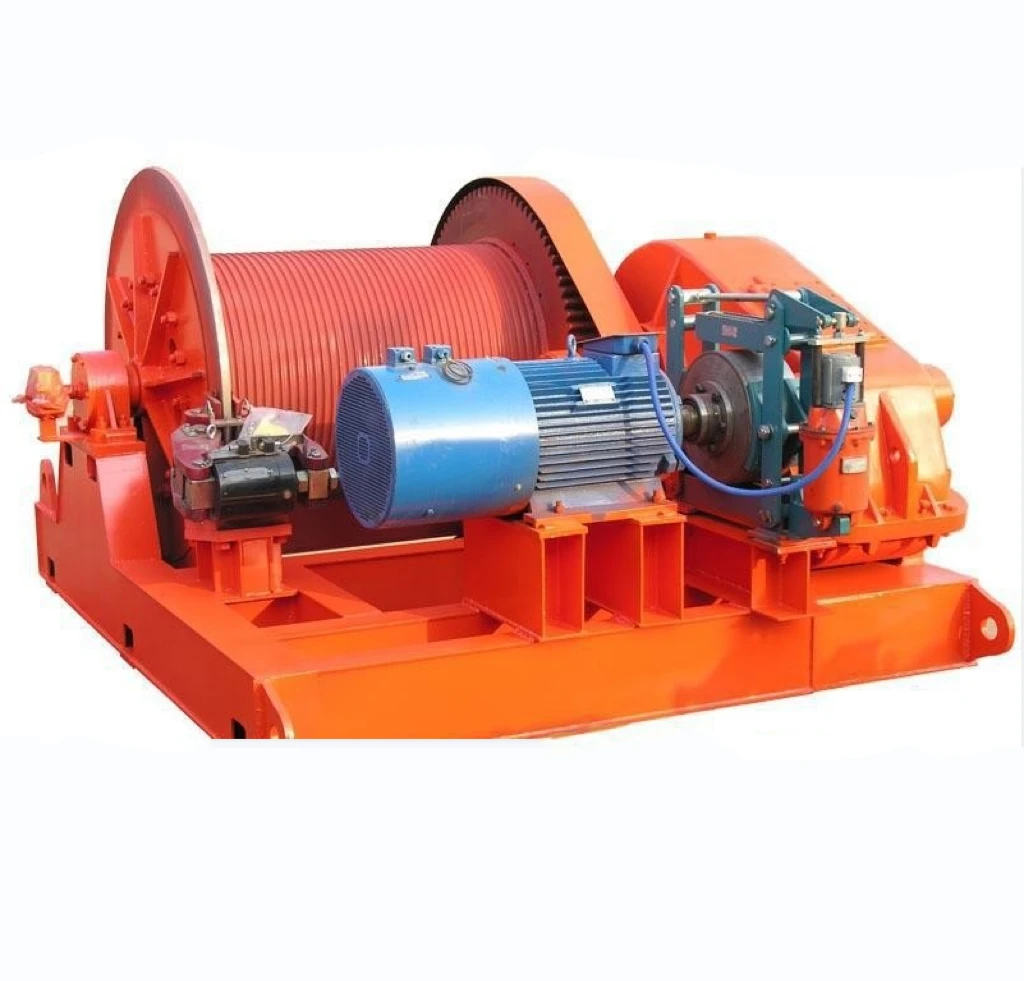
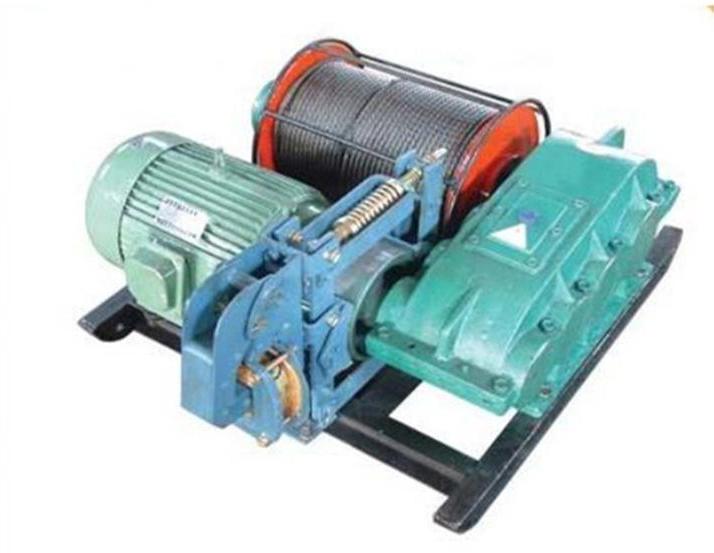
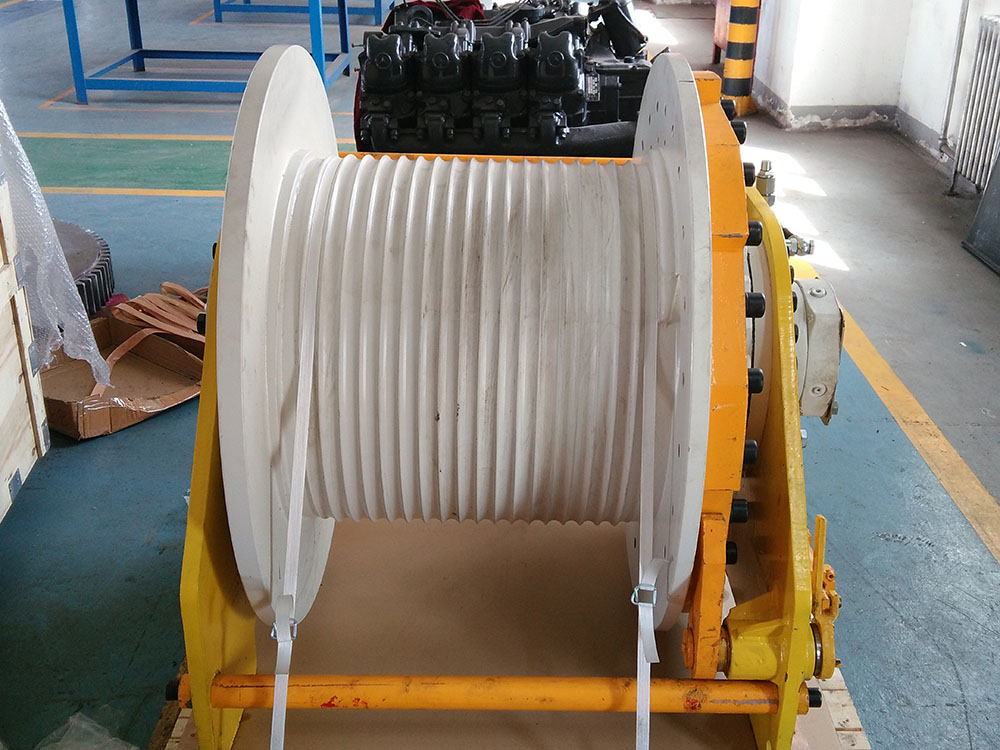
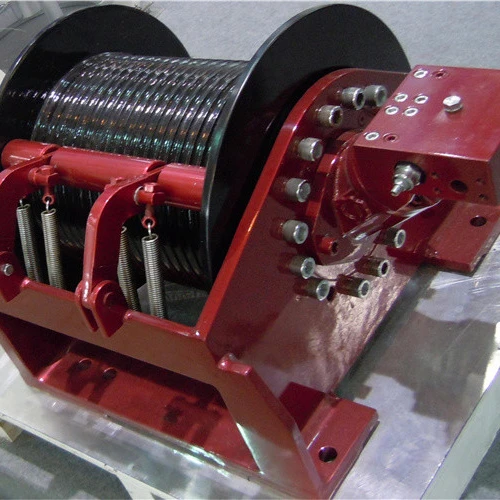
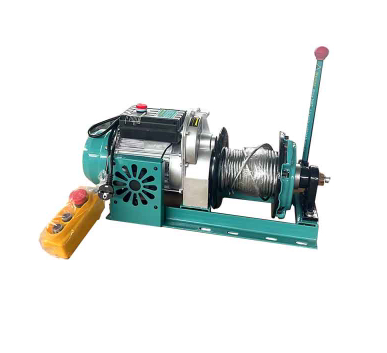
Simply put, a 1 ton hydraulic winch is a mechanical device powered by hydraulic pressure designed to pull or lift loads up to 1 ton (around 2,000 pounds). Unlike electric winches that rely on batteries or external power, hydraulic winches run off pressurized fluid, which makes them more durable, less prone to overheating, and ideal for continuous heavy-duty use.
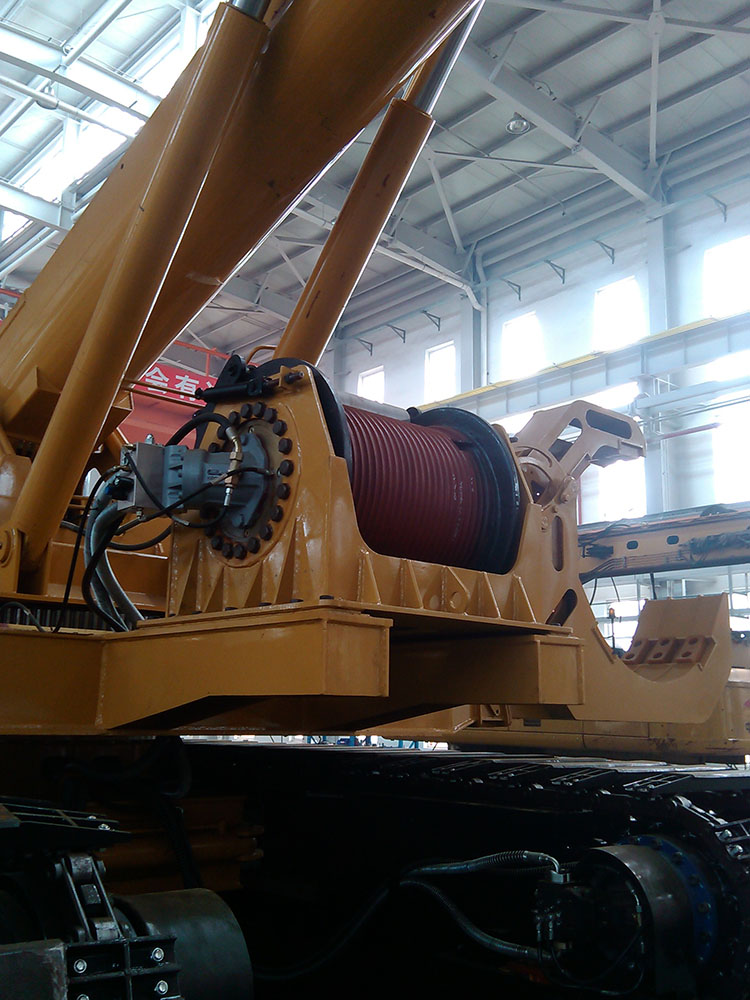
Industrially, they’re indispensable where electric power isn’t reliable but hydraulic systems (like in excavators or trucks) are already in play. Humanitarian organizations use them in disaster relief because their ability to pull heavy loads swiftly can save time and lives.
Key Components & Features of 1 Ton Hydraulic Winches
Durability & Construction Quality
Most winches designed for 1 ton loads are built with hardened steel cables and corrosion-resistant frames — critical features for operating in saltwater environments or muddy fields. The robustness ensures long service life and minimal maintenance.
Power & Efficiency
Hydraulic power systems allow for steady, consistent force. Many engineers note that these winches provide smoother operation under load compared to electric counterparts, especially when pulling or lowering a load gently.
Control & Safety Mechanisms
Many models include automatic braking or spool lock systems, crucial in preventing load slippage. These safety features protect workers and reduce equipment damage — trust me, safety is not just a buzzword on the job site.
Portability & Integration
The compact size allows easy mounting on vehicles or industrial rigs. Their adaptability means you can integrate a 1 ton hydraulic winch into different setups without complex re-engineering.
Cost Efficiency
While initial investment is higher than basic manual winches, their reliability reduces downtime and repair costs in the long run. Many operations see them as invaluable, given the gains in efficiency.
Mini Takeaway:
- Durability and smooth hydraulic power make the 1 ton winch a dependable workhorse.
- Safety and integration options mean less hassle and greater peace of mind on site.
Product Specifications at a Glance
| Specification | Typical Value | Notes |
|---|---|---|
| Rated Load Capacity | 1 ton (2,000 lbs) | Max pulling force without damage |
| Cable Length | 30–50 meters | Varies by model |
| Power Source | Hydraulic pump (12-24V compatible) | Often drawn from vehicle systems |
| Material | Galvanized steel cable, aluminum alloy frame | Corrosion resistance for outdoor use |
| Control | Remote or manual lever | User convenience varies by model |
| Weight | Approx. 40-60 kg | Portable but heavy |
Where Is the 1 Ton Hydraulic Winch Making a Difference?
The practical footprint of a 1 ton hydraulic winch stretches across continents and industries. In Southeast Asia, relief agencies use these winches to clear debris and haul supplies after typhoons. Near mining zones in South America, they enable miners to pull materials from tough spots without the need for more costly cranes.
One remarkable use case is in Sub-Saharan Africa, where off-road transport vehicles fitted with these winches often rescue ambulances stuck in muddy terrains, ensuring patients get timely medical care. Oddly enough, many urban construction projects also rely on compact hydraulic winches for tight spaces where cranes can’t reach.
Vendor Comparison Table
| Vendor | Load Capacity | Cable Length | Price Range | Special Feature |
|---|---|---|---|---|
| HydroPull Inc. | 1.0 ton | 40 m | $1,200–$1,500 | Integrated spool brake |
| WinchWorks | 1.2 ton (slightly above) | 35 m | $1,400–$1,700 | Hydraulic fluid filtration system |
| SwiftHaul | 0.95 ton | 50 m | $1,000–$1,300 | Lightweight aluminum frame |
The Real Advantages of Using a 1 Ton Hydraulic Winch
It’s worth noting that beyond the specs, the long-term value really lies in operational reliability. This ease-of-use reduces downtime, particularly in critical applications like emergency response or industrial maintenance. Imagine days saved when equipment doesn’t fail mid-task or when a stalled vehicle can be pulled out swiftly rather than waiting for a tow.
Emotional benefits too: workers feel safer when the gear has safety backups, and supervisors appreciate the consistent performance without constant tinkering. In a way, trust in a 1 ton hydraulic winch translates to smoother project timelines and better morale in the field.
On the Horizon: Innovations and Future Trends
The future for hydraulic winches looks promising, especially with rising demands for sustainability and digital controls. Some manufacturers are exploring integration with IoT devices, allowing remote monitoring of load, hydraulic pressure, and cable wear in real-time.
Green energy also intersects here: hydraulic power systems that tie into hybrid or electric vehicle hydraulics reduce environmental footprints. Plus, advanced composite materials might soon replace steel cable in certain models to reduce weight without sacrificing strength — though these are still experimental.
Challenges Faced and How Experts Solve Them
Hydraulic winches sometimes face issues like fluid leaks, pressure drops, or cable wear. These can cause downtime if not caught early. Good maintenance practice, combined with technology like pressure sensors and predictive maintenance algorithms, is helping overcome these challenges.
Also, because they rely on integrated hydraulic systems, compatibility can sometimes be a headache when retrofitting older vehicles. Here, modular designs and custom adapter kits come to the rescue.
FAQ: Your Common Questions About 1 Ton Hydraulic Winch
- Q: Can a 1 ton hydraulic winch be used for vehicle recovery?
- A: Absolutely. Its rated capacity and traction make it suitable for light to medium vehicle recovery, especially in off-road or industrial settings.
- Q: How do hydraulic winches compare to electric winches in terms of maintenance?
- Hydraulic winches generally require less frequent electrical repairs but need diligent monitoring of hydraulic fluids and seals to avoid leaks.
- Q: Are 1 ton hydraulic winches easy to transport?
- While relatively compact, these winches weigh 40-60 kg, so transport often involves vehicle mounting or teamwork rather than hand-carrying alone.
- Q: How does climate affect the performance of a hydraulic winch?
- Hydraulic winches perform well in extreme environments, but cold temperatures can thicken fluids and affect responsiveness. Appropriate fluid selection mitigates this.
- Q: Can I integrate a 1 ton hydraulic winch on my construction vehicle?
- Most definitely. These winches are designed for compatibility with a range of hydraulic systems, particularly common on heavy construction vehicles.
Wrapping It Up: Why Your Next Project Might Need a 1 Ton Hydraulic Winch
In the world of industrial equipment, the 1 ton hydraulic winch stands out as a practical, reliable, and adaptable tool that's proving indispensable across continents and sectors. From enhancing safety and efficiency to easing the toughest loads, this piece of tech quietly powers many success stories.
If you’re seriously considering adding such a winch to your fleet, do check out the latest models available—and if you want a great starting point, visit our website: 1 ton hydraulic winch to explore a range of dependable options.
After all, in heavy work, a little smart pulling can make all the difference.
References
-
The Ultimate Guide to Gear Steels for Durability and PerformanceNewsApr.16,2026
-
High Performance Gear Stainless Steel for Industrial DurabilityNewsApr.09,2026
-
Comprehensive Guide to Steel Bevel Gears Applications and SelectionNewsApr.07,2026
-
Comprehensive Guide to Durable Stainless Steel Miter Gears and ApplicationsNewsApr.04,2026
-
Comprehensive Guide to Steel Spur Gears Functionality and ApplicationsNewsMar.31,2026
-
Comprehensive Guide to Durable Stainless Steel Spur Gears and Their ApplicationsNewsMar.28,2026