Reliable Waterproof Electric Winch for Industrial Use | LBS Winch
Waterproof Electric Winch: Reliability Where It Matters Most
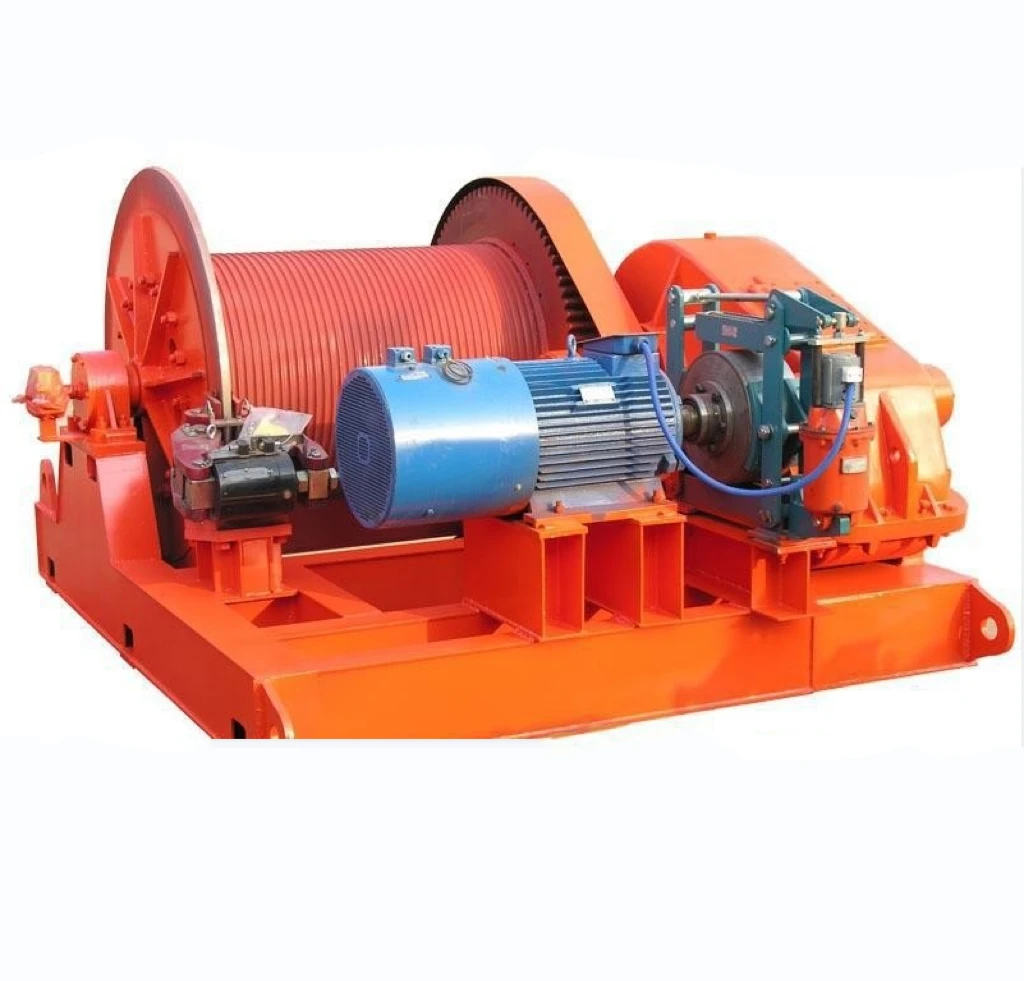
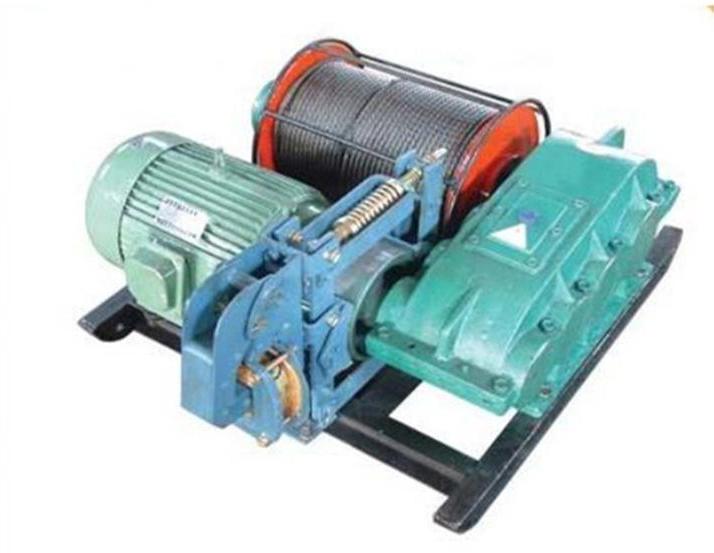
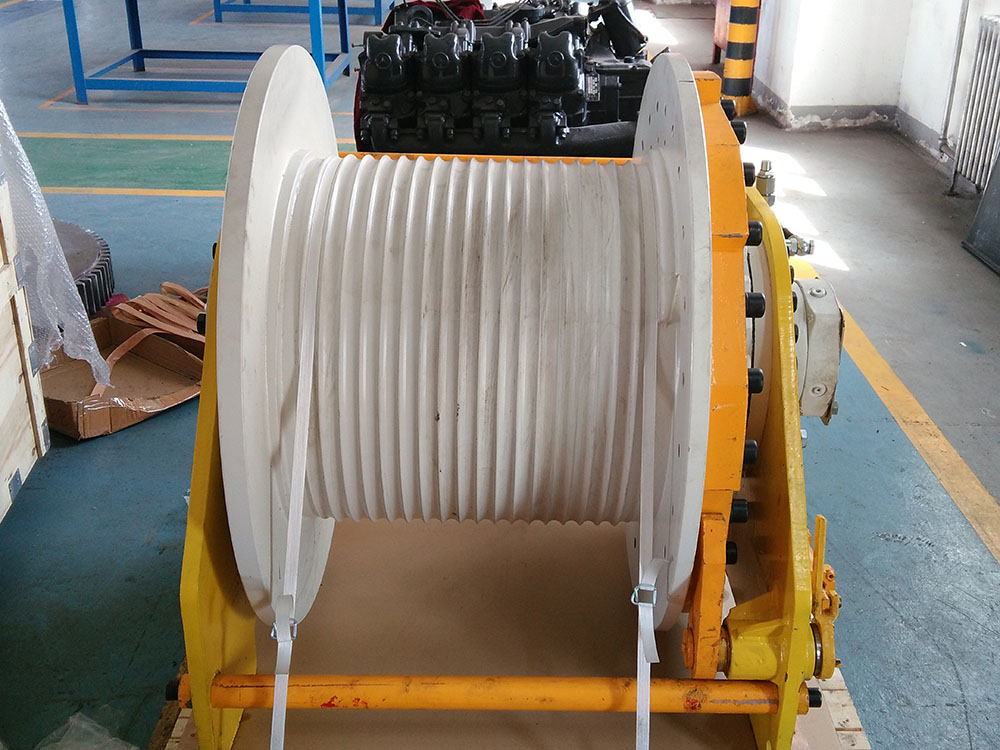
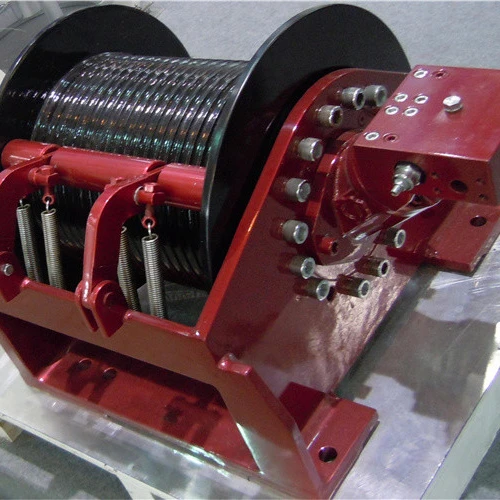
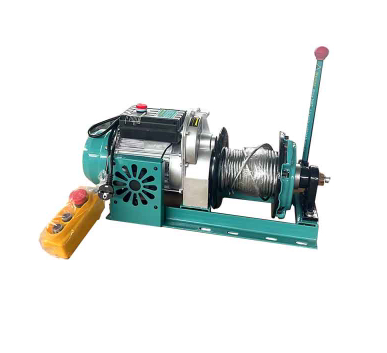
Having spent quite a few years in the industrial equipment sector, I’ve had my fair share of first-hand experiences with waterproof electric winch models. Oddly enough, what initially counts the most isn’t just raw pulling power — though that’s obviously crucial — but the durability and resilience they bring to tough outdoor conditions. You know, those momentary drizzles turning into downpours or, worse, saltwater sprays near marine applications. That’s when waterproofing isn’t optional; it’s mandatory.
Frankly, a robust waterproof electric winch isn’t just about slapping on a seal or two. It’s about intelligent design, top-notch materials, and real-world testing. Many manufacturers overlook the reality that the IP rating — that little “Ingress Protection” code — can make or break your whole operation. In real terms, you want something rated at least IP67 to confidently fight dust and immersion. Any less, and you might as well brace for downtime, repairs, and frustrated crews.
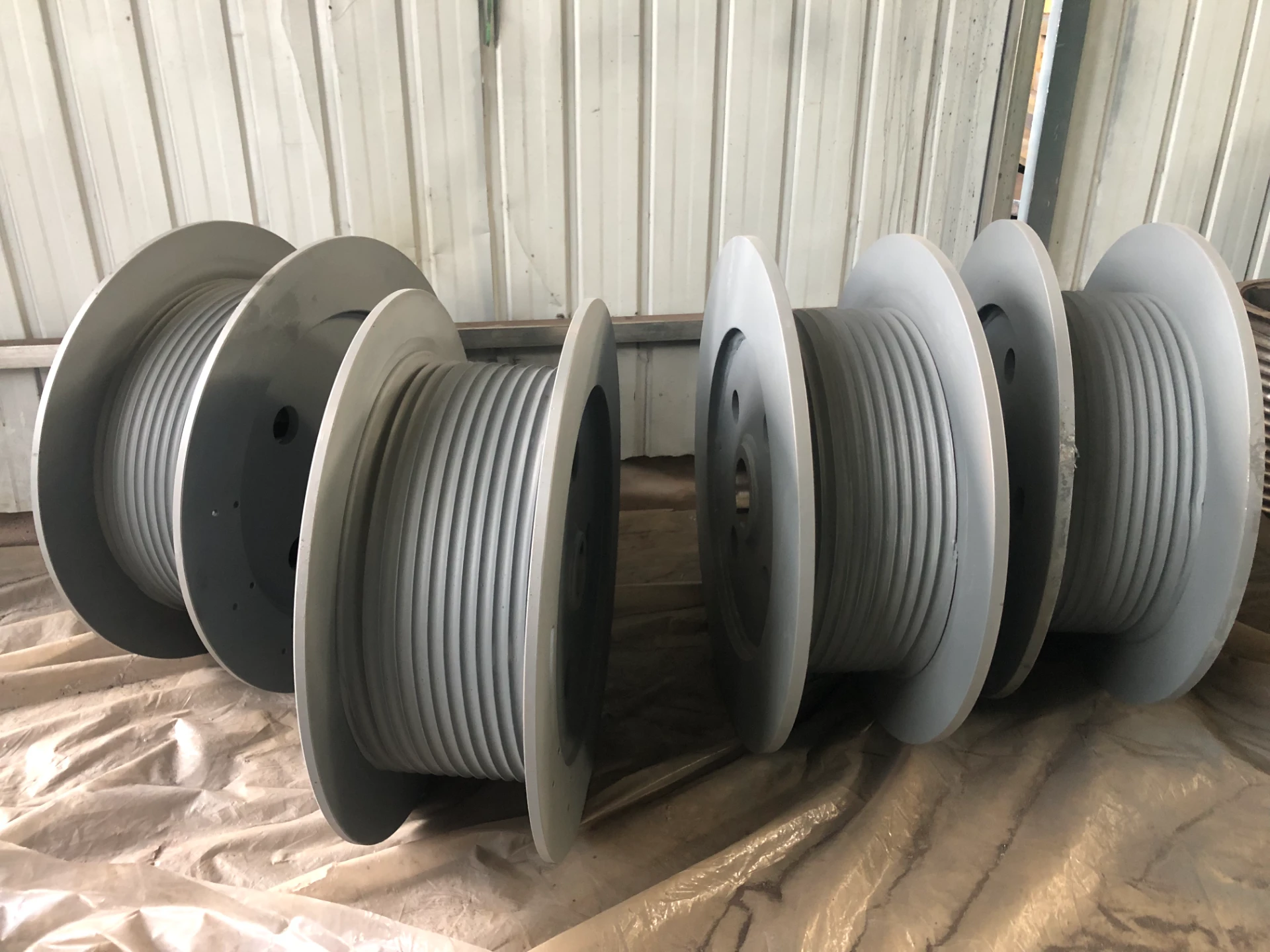
One thing I’ve noticed personally is the use of corrosion-resistant metals like stainless steel or anodized aluminum for the drum and housing. These materials take the brunt of the weather but also resist those sneaky salt crystals that accelerate damage. And the motors? Brushless DC motors are increasingly popular because they handle moisture infiltration better and require less maintenance. It feels like the industry is slowly moving towards these tech upgrades, which is encouraging.
Testing is no joke either. The better brands run multiple cycles underwater and in high-humidity chambers. Some even simulate sudden temperature swings to avoid seals cracking. I vividly recall a client near the coast who trusted an entry-level winch only to have it short out after one rainy week. After switching to a properly rated waterproof electric winch, their downtime dropped almost overnight. Stories like that stick with you.
Then there’s customization. In many industrial setups, one size does not fit all. Some winches come with adjustable speed control, wireless remote capabilities, or variable drum sizes. These features matter more than you might think. When you’re in the field, having nuanced control can prevent accidents and speed up your workflow.
Here’s a quick overview of a typical waterproof electric winch spec sheet. I picked a popular mid-range model that reflects the kind of specs I often recommend:
| Specification | Value |
|---|---|
| Load Capacity | 4,500 lbs (2041 kg) |
| Motor Type | Brushless DC, 12V |
| IP Rating | IP67 (Waterproof & Dustproof) |
| Cable Length | 80 ft (24m) steel wire rope |
| Control | Wireless remote and manual switch |
| Weight | 38 lbs (17.2 kg) |
Naturally, not all vendors approach waterproof electric winches the same way. Here’s a simple comparative snapshot that can help someone who’s evaluating options without diving into endless specs sheets:
| Vendor | IP Rating | Load Capacity | Material | Warranty |
|---|---|---|---|---|
| LBS Winch | IP67 | 4,000 - 6,000 lbs | Anodized Aluminum | 3 years |
| Vendor B | IP54 | 3,500 - 5,000 lbs | Steel with Paint | 2 years |
| Vendor C | IP68 | 4,500 lbs fixed | Stainless Steel | 5 years |
From a pragmatic standpoint, I tend to favor vendors like LBS Winch because they strike that nice middle ground — rugged but not overly expensive, and they back their products well. It’s kind of like choosing a tool you can count on season after season without feeling like you’ve overpaid for bells and whistles that end up unused.
At the end of the day, the best waterproof electric winch is one that supports your workflow reliably, means fewer breakdowns, and keeps your team safe throughout the harshest conditions. It’s a small investment that pays dividends in peace of mind.
Time and again, the lesson I’ve learned is this: don’t skimp on the specs that matter, because your winch will outlast many other parts of your operation — if you choose wisely.
References
- Industry Standards on IP Ratings, IEC Technical Committee 70.
- Field Report: Industrial Winch Reliability, Equipment Journal, 2022.
- User Feedback Compilation, Marine Winch Operators’ Association, 2023.
-
The Ultimate Guide to Gear Steels for Durability and PerformanceNewsApr.16,2026
-
High Performance Gear Stainless Steel for Industrial DurabilityNewsApr.09,2026
-
Comprehensive Guide to Steel Bevel Gears Applications and SelectionNewsApr.07,2026
-
Comprehensive Guide to Durable Stainless Steel Miter Gears and ApplicationsNewsApr.04,2026
-
Comprehensive Guide to Steel Spur Gears Functionality and ApplicationsNewsMar.31,2026
-
Comprehensive Guide to Durable Stainless Steel Spur Gears and Their ApplicationsNewsMar.28,2026