Reliable Double Drum Winch Service for Industrial Efficiency
Double Drum Winch Service: What Industry Experts Really Know
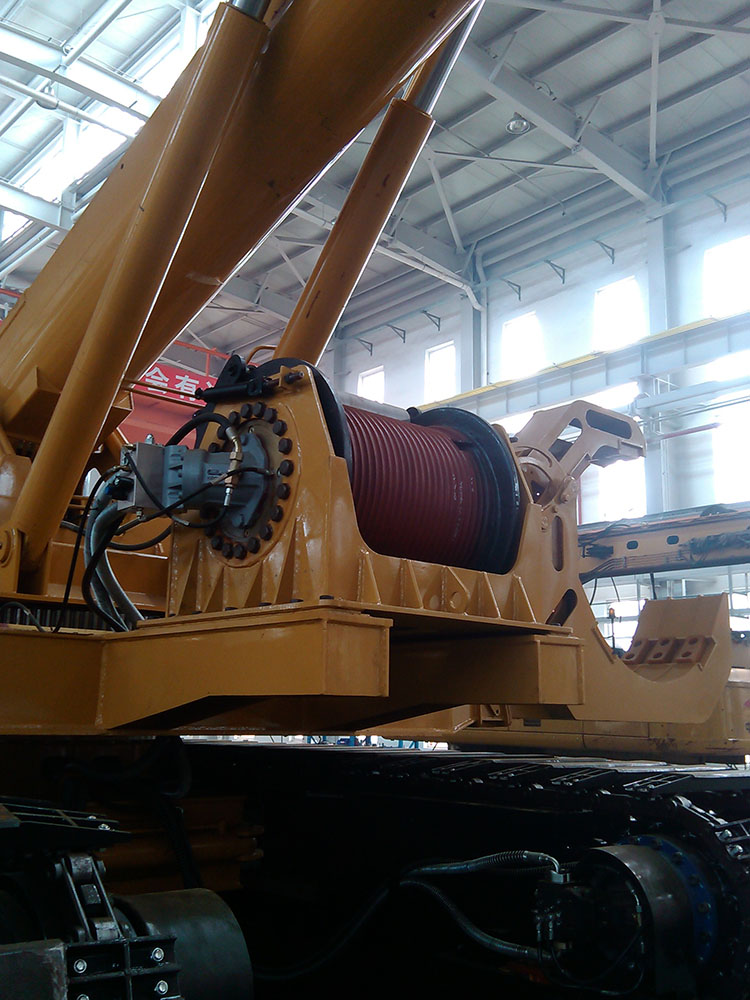
Having spent more than a decade knee-deep in industrial equipment, I can tell you the double drum winch service market is a bit more nuanced than many might guess at first glance. Frankly, these machines—critical in sectors like oil drilling, construction, and marine applications—aren't just “lift and pull” tools. Their design, versatility, and upkeep can make or break an operation’s efficiency.
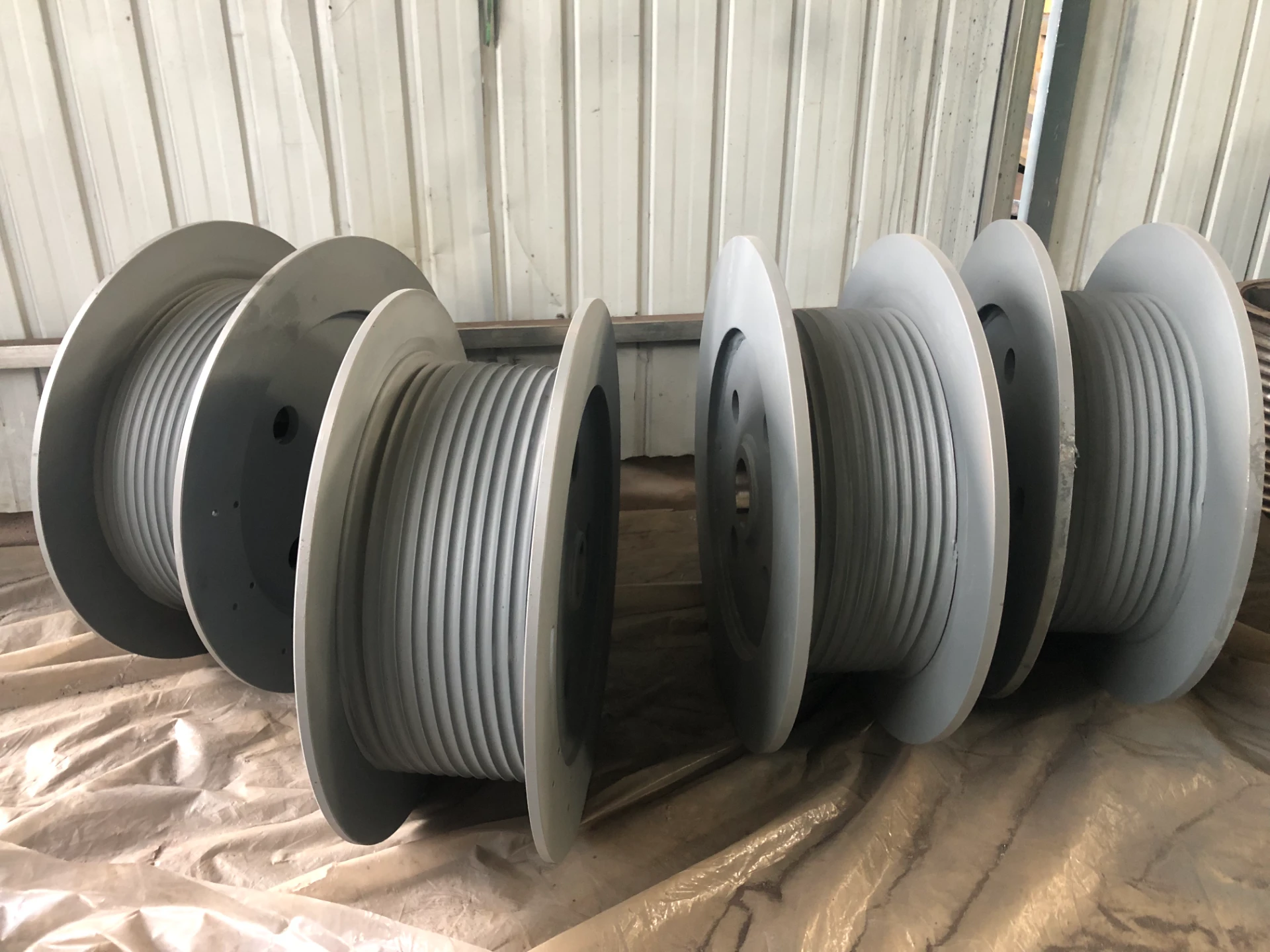
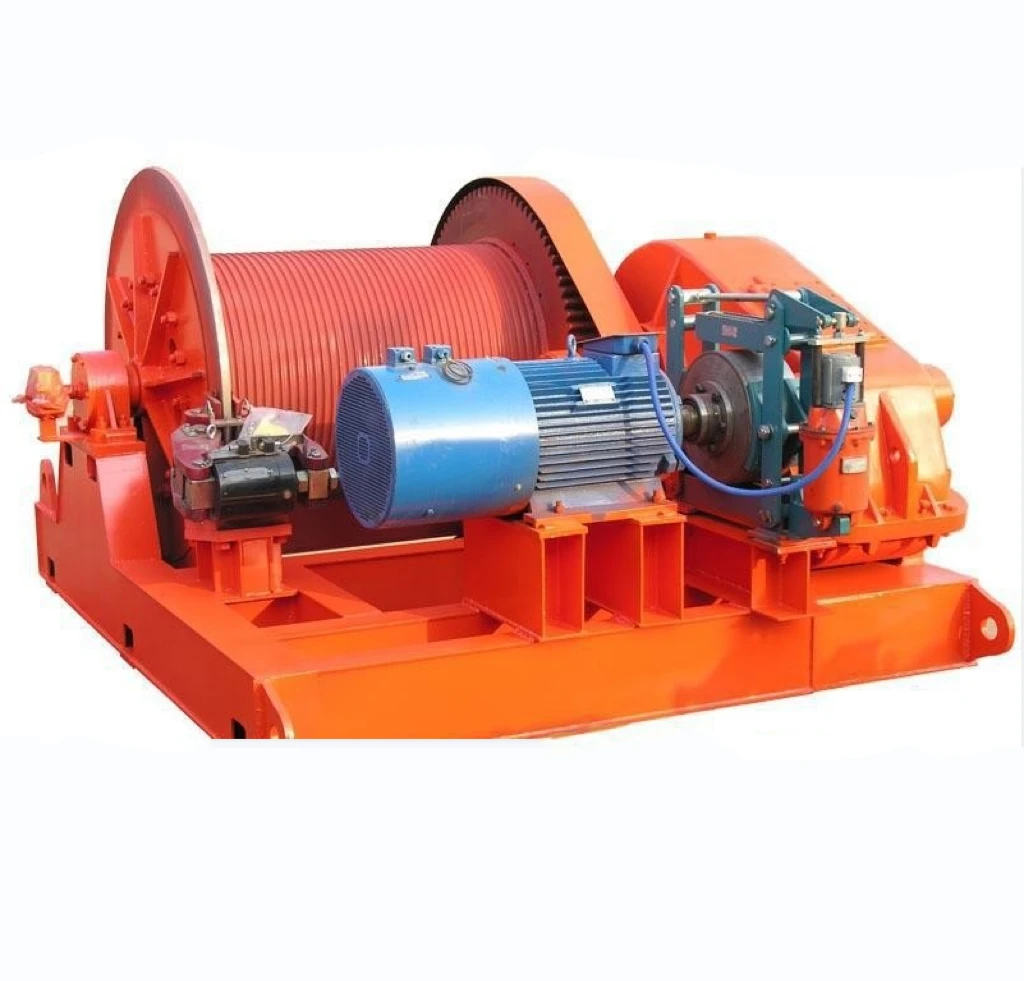
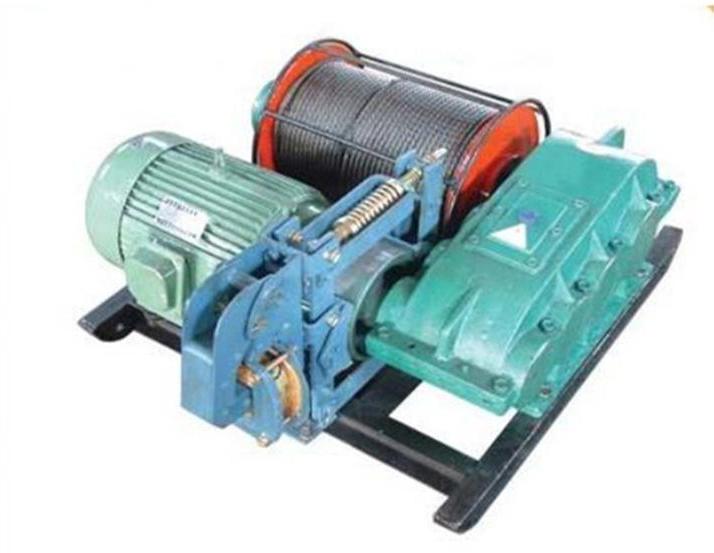
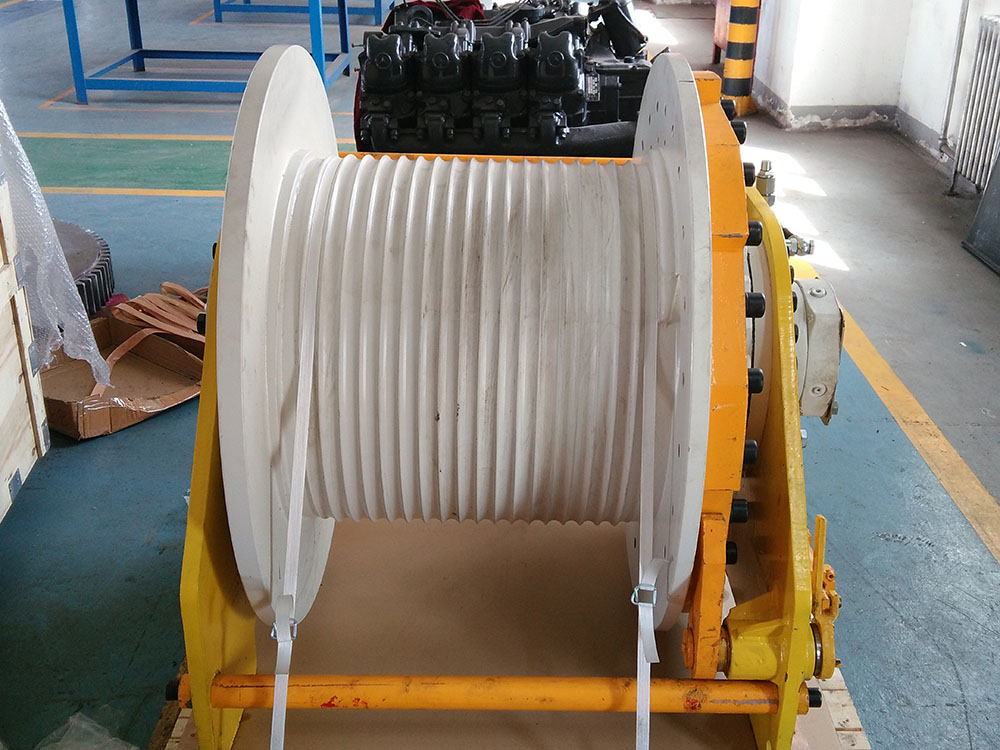
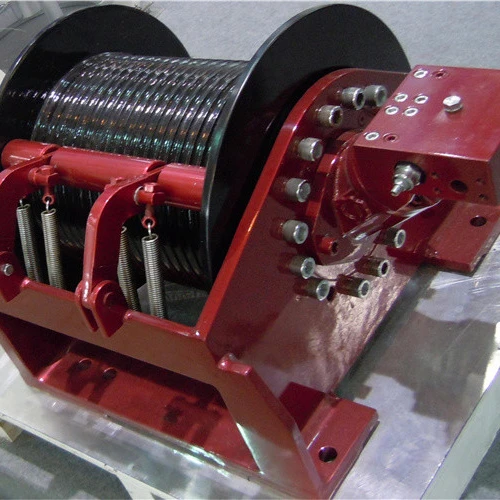
In real terms, a double drum winch usually means two spools wound with steel wire ropes, allowing simultaneous or separate operations. This setup is perfect when you need to handle multiple loads or manage complex lifting tasks. Oddly enough, I found that maintaining these winches often flies under the radar until an emergency hits, which is when all hell breaks loose.
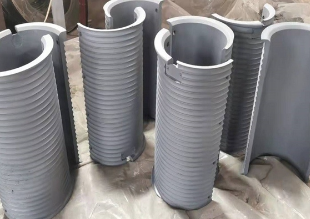
The first thing to appreciate is the rugged build. Manufacturers often use high-grade alloy steel for their drums and heavily reinforced gearboxes. Over the years, I noticed many users underestimate the importance of routine lubrication and inspection—two factors that save you from costly downtime.
Now, a little side story: A client once called me up frustrated that their double drum winch kept failing mid-shift. After checking, it turned out their issue was mostly due to incorrect wire rope tensioning and a neglected hydraulic brake system. The fix wasn’t rocket science, but it underscored something I’ve heard many engineers say—you can have the best winch out there, but if you skimp on service, you’re asking for trouble.
| Feature | Specification |
|---|---|
| Drum Diameter | 600 mm |
| Max Load Capacity | 15 tons per drum |
| Rope Length (per drum) | 150 meters |
| Drive Type | Hydraulic or Electric |
| Brake System | Hydraulic Caliper Brake |
| Control Mode | Remote and Manual |
Customization is often key for industry-specific demands, such as marine winches going through saltwater exposure or construction winches handling abrasive environments. The materials—and especially the coatings—have to match the operating environment. For example, I’ve seen galvanization and special paints prevent corrosion better than any off-the-shelf solution.
Another crucial part? Testing. Many vendors comply with ISO standards or even bespoke certifications for load and safety testing. It’s a detail easily overlooked by procurement teams, but from my experience, it’s gold to verify those certificates beforehand.
| Feature | LBS Winch | Competitor A | Competitor B |
|---|---|---|---|
| Max Load Capacity | 15 tons | 12 tons | 16 tons |
| Customization Options | Extensive | Limited | Moderate |
| Lead Time | 4-6 weeks | 6-8 weeks | 5-7 weeks |
| Warranty Period | 24 months | 12 months | 18 months |
| After-Sale Support | Comprehensive | Basic | Moderate |
So, when you think about double drum winches and their service, it’s not just about fixing broken parts. It’s about proactive maintenance, correct operating procedures, and yes, choosing the right vendor who understands the nuances of your operation. It feels like the old adage, "An ounce of prevention is worth a pound of cure," especially rings true here.
In the end, taking the time to understand the specifications, testing protocols, and maintenance requirements fundamentally changes how smoothly a project runs. From one veteran to another, if you’re serious about uptime, investing in quality service is non-negotiable.
Cheers to safer, more reliable lifting!
References:
- ISO 9001 and ISO 4309 standards on winch load testing
- Industry reports from offshore drilling contractors (2018-2023)
- Internal service logs reflecting common failure points, LBS Winch, 2022
-
The Ultimate Guide to Gear Steels for Durability and PerformanceNewsApr.16,2026
-
High Performance Gear Stainless Steel for Industrial DurabilityNewsApr.09,2026
-
Comprehensive Guide to Steel Bevel Gears Applications and SelectionNewsApr.07,2026
-
Comprehensive Guide to Durable Stainless Steel Miter Gears and ApplicationsNewsApr.04,2026
-
Comprehensive Guide to Steel Spur Gears Functionality and ApplicationsNewsMar.31,2026
-
Comprehensive Guide to Durable Stainless Steel Spur Gears and Their ApplicationsNewsMar.28,2026