Electric Winch Company: Global Insights and Industry Innovations
Understanding the Electric Winch Company: A Global Perspective
Electric winches might not be the first thing on your mind when thinking about industrial innovation, but frankly, they’re quietly revolutionizing how we move heavy loads—from construction sites to disaster relief zones worldwide. An electric winch company specializes in designing and supplying these devices, which combine the might of electric power with reliable mechanical advantages. This focus is more than just industrial; it's a nexus of safety, sustainability, and efficiency in industries demanding both.
Worldwide, there’s a growing demand for electric winches, with industries like mining, maritime, construction, and even humanitarian groups leaning heavily on them. The International Organization for Standardization (ISO) reports continuous improvements in safety and efficiency standards for lifting equipment, reflecting how integral such technology has become globally. Yet, challenges remain in making these winches not only robust but cost-effective and adaptable to the complex environments they serve.
What Is an Electric Winch Company?
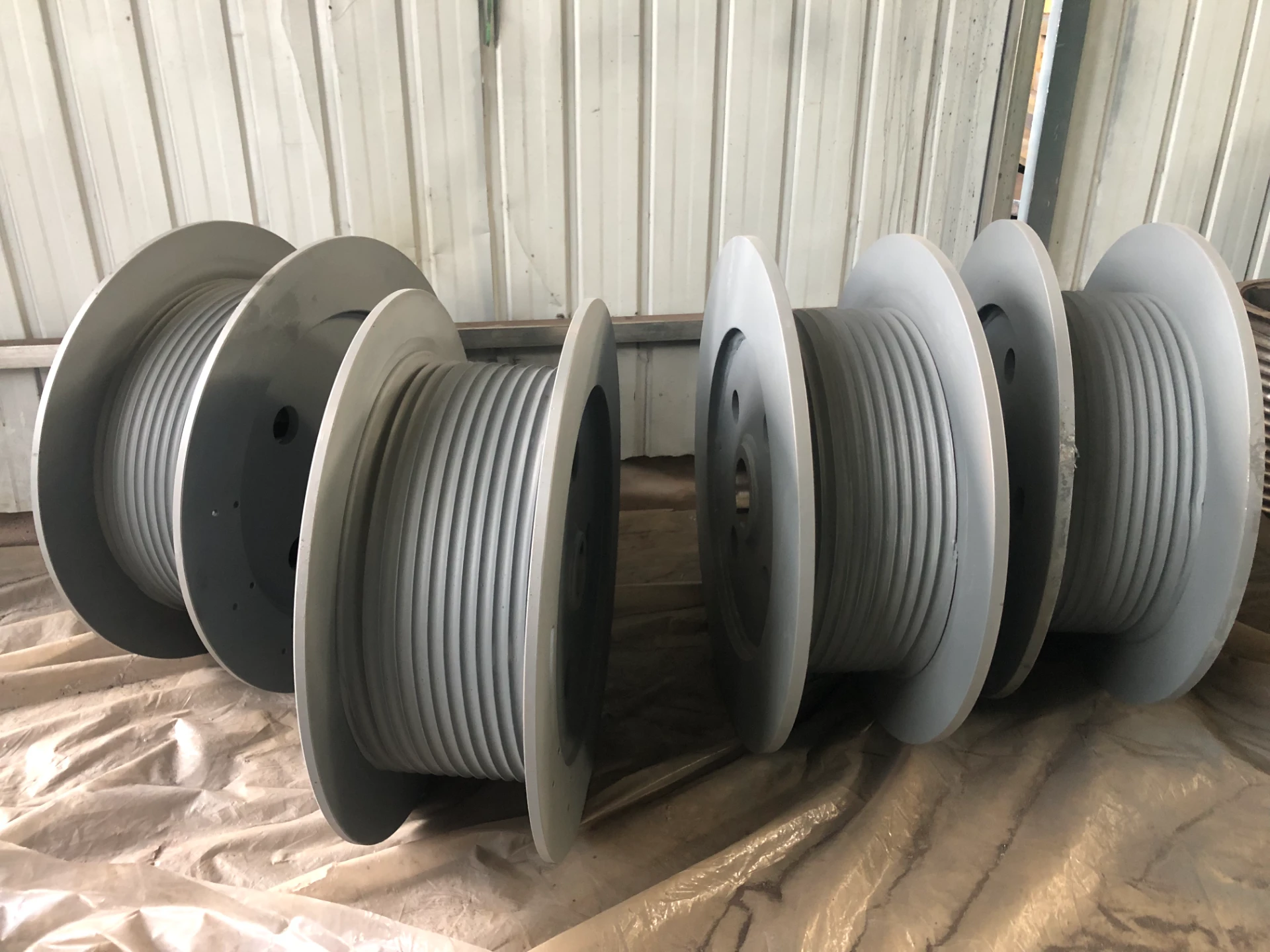
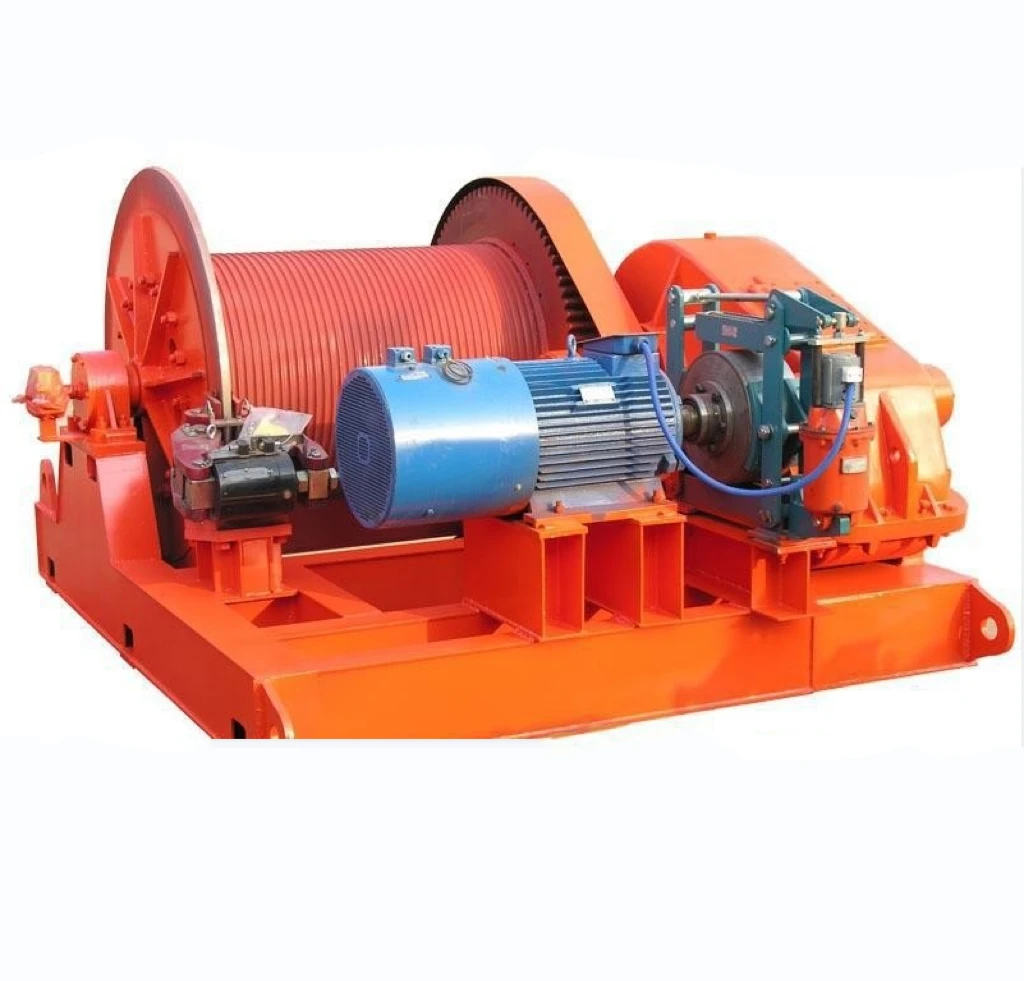
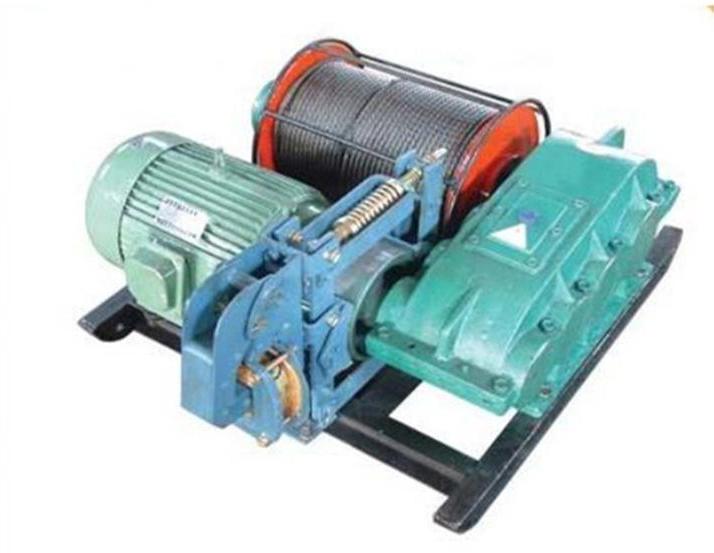
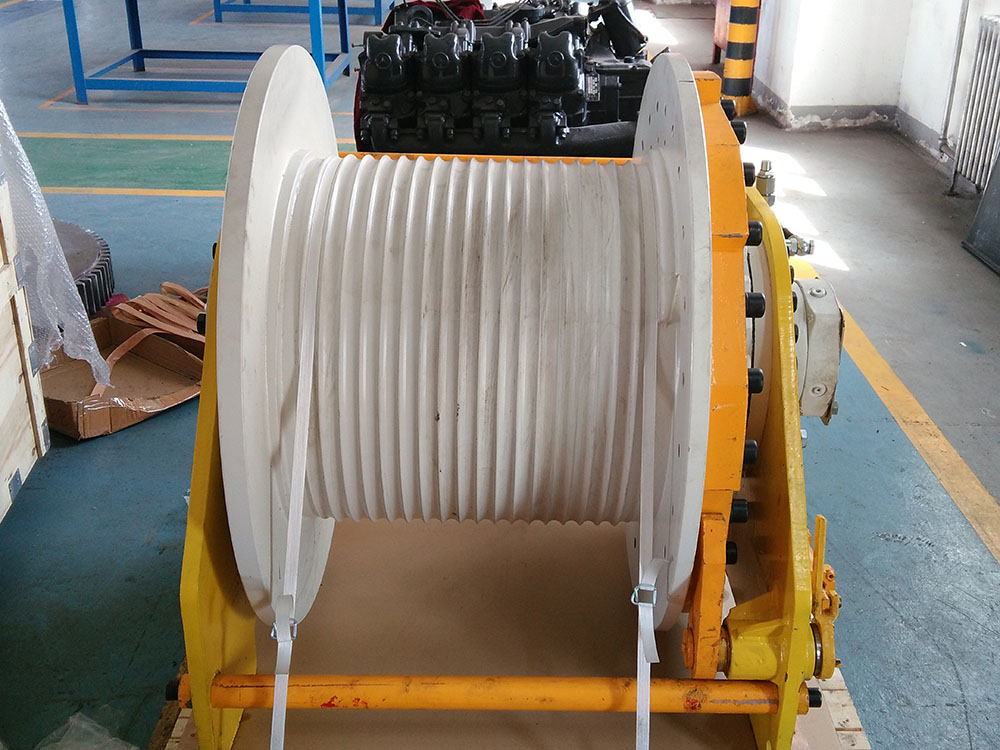
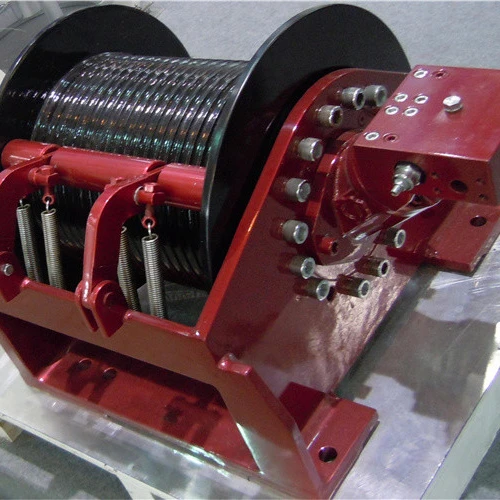
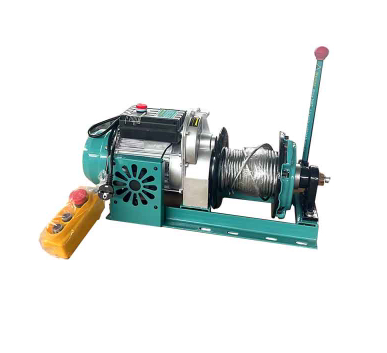
Simply put, an electric winch company produces motor-driven reels wound with cables or synthetic ropes that pull or lift loads via electric power. Unlike manual or hydraulic types, electric winches are prized for their consistent power output, ease of control, and, importantly, their ability to integrate with digital systems for automation. These companies usually cover the full spectrum — from design to manufacturing, customization, and after-sales support. Their products aren’t just for industry; they serve crucial roles in disaster zones, facilitating rapid deployment of heavy equipment or shelter materials.
Core Components of Electric Winch Systems
- Durability: Designed to endure harsh conditions – moisture, dust, and heavy use – durability ensures the winch delivers long-term service without succumbing to wear.
- Scalability: Electric winch companies suggest models that range from light-duty for small workshops to heavy-duty for mining or offshore rigs, enabling flexible deployment.
- Power Efficiency: Optimizing motor power consumption reduces operating costs and environmental impact — a key consideration today.
- User Control & Safety: Modern winches integrate remote controls and safety brakes to prevent accidents, which matters a great deal when lives or expensive gear are at stake.
- Integration Capabilities: Connectivity is increasingly vital – winches that interface with site control systems allow smarter, safer operations.
Think of these points as the pillars holding up the promise of efficient, safe, and cost-effective load management — the kind every electric winch company strives to perfect.
Product Specification at a Glance
| Model | Load Capacity (tons) | Motor Power (kW) | Wire Rope Length (m) | Weight (kg) |
|---|---|---|---|---|
| EWX-1500 | 1.5 | 1.2 | 30 | 75 |
| MAX-3000 | 3.0 | 3.0 | 50 | 220 |
| PRO-5000 | 5.0 | 5.5 | 70 | 350 |
Global Applications & Real-World Use Cases
From towering cranes in Asia’s megacities to remote African mining operations, electric winch companies equip a variety of sectors. Oddly enough, the humanitarian field depends on them too. For example, in post-disaster relief efforts, where infrastructure is crippled, portable electric winches help move debris, erect temporary shelters, and even haul water tanks.
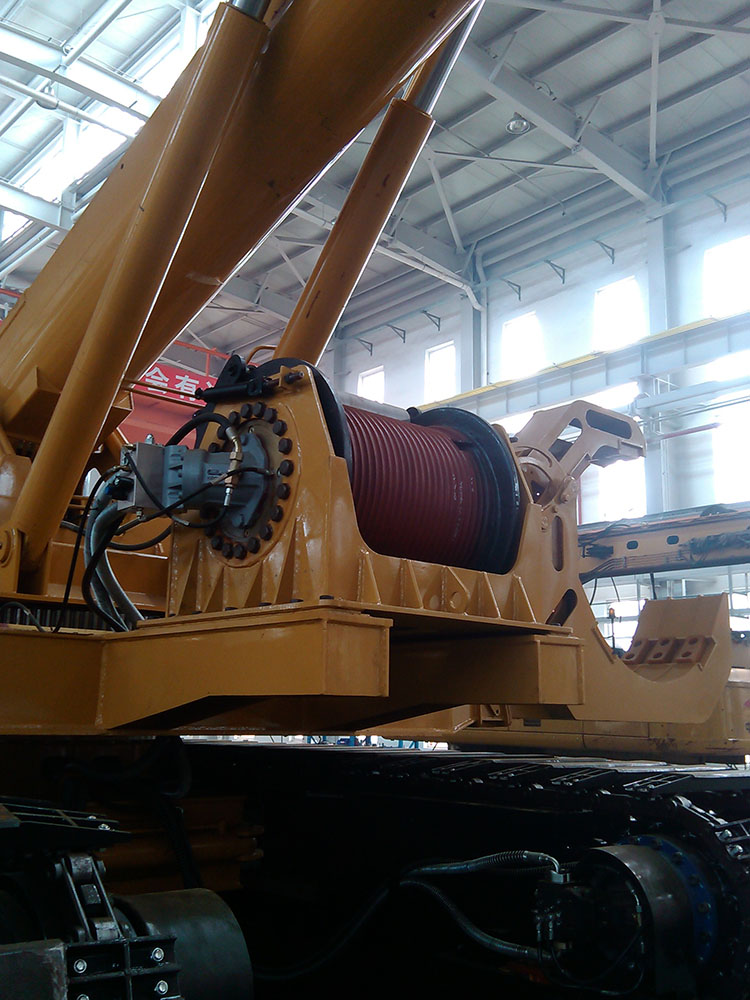
In maritime industries—think Nordic fishing fleets or Gulf of Mexico oil rigs—electric winches play a vital safety role managing nets or heavy equipment on choppy seas. Meanwhile, construction companies across Europe choose electric winches for their precision and ease, minimizing workforce risk.
Mini takeaway: The versatility of electric winches transcends industries and geographies, making them an indispensable part of modern logistics and safety.
Comparing Leading Electric Winch Companies
| Vendor | Specialty | Global Reach | Price Range | Notable Clients |
|---|---|---|---|---|
| LBS Winch | Heavy-duty, Custom Solutions | Worldwide | $$$ | Oil & Gas, Humanitarian NGOs |
| WinchPro | Lightweight Portable Models | Europe, North America | $$ | Construction Firms, Utility Providers |
| HeavyHaul Corp | Industrial & Mining Winches | Asia Pacific, Africa | $$$$ | Mining Giants, Infrastructure Projects |
Advantages & Long-Term Value of Electric Winches
Electric winches offer compelling benefits beyond just moving heavy loads. From a sustainability viewpoint, their electric motors can often be powered by cleaner energy sources like solar arrays or smart grid integration, reducing carbon footprints over time. Operators appreciate the reduced manual labor and enhanced safety, which lowers workplace injury rates—something no company can overlook in today’s regulatory climate.
Emotionally, there's a sense of trust and satisfaction when a winch performs reliably under tough conditions, whether lifting vital supplies in a crisis or supporting a massive infrastructure project. Not to mention the cost-efficiency rooted in low maintenance and high uptime, which many managers often cite as a decisive factor when choosing their electric winch company.
Emerging Trends & Innovations
Looking ahead, innovations like IoT-enabled electric winches that monitor load tension and system health remotely are becoming more commonplace. Some companies experiment with lightweight composite ropes instead of steel cables to reduce weight and increase safety. Additionally, automation combined with AI could soon predict maintenance issues before they happen, a game changer in uptime.
Green energy compatibility will likely define the next generation of products. Electric winch companies may integrate battery storage and regenerative braking systems to boost energy efficiency, embedding sustainability firmly in their roadmap.
Challenges & Expert Solutions
Of course, it's not all smooth sailing. One challenge is balancing power needs with portability — heavier-duty winches tend to be less mobile. Another is ensuring reliability in extreme climates, where cold, dust, or saltwater could degrade components. Thankfully, many vendors now use advanced weatherproof coatings and enhance component modularity to ease maintenance in the field, which helps a lot.
FAQ: Frequently Asked Questions About Electric Winch Companies
- Q: What factors should I consider when choosing an electric winch company?
A: Look for product durability, after-sales support, customization options, and how well their winches meet your specific load requirements. Also, global reach matters if you operate internationally. - Q: How long do electric winches typically last?
A: With proper maintenance, many electric winches operate reliably for 10-20 years, depending on usage intensity and environmental factors. - Q: Are electric winches environmentally friendly?
A: When paired with clean power sources and efficient motors, electric winches reduce emissions significantly compared to diesel or manual systems. - Q: Can I integrate digital controls with an electric winch?
A: Yes, many models support remote operation and integration with digital monitoring systems, enhancing safety and operational efficiency. - Q: How do electric winches support humanitarian operations?
A: Their portability and power help quickly deploy and move aid materials in disaster zones, reducing setup time and improving relief efforts.
Conclusion
In the grand scheme, electric winches represent a fusion of engineering, safety, and sustainability—delivered by specialist electric winch companies that understand these nuances deeply. Their ability to adapt to diverse global needs while pushing toward greener, smarter solutions means they will only grow more vital. Whether you're coordinating a challenging build site, supporting offshore operations, or managing humanitarian logistics, trusted partners like electric winch company providers can make all the difference.
Explore their offerings and embrace smarter lifting solutions today. Your projects—and your people—will thank you.
Brief reflection: It’s oddly reassuring how such a straightforward concept—pulling or lifting loads electrically—intersects with so many complex demands we face today. It feels like a quiet revolution underpinning some of the world’s most critical work.
-
The Ultimate Guide to Gear Steels for Durability and PerformanceNewsApr.16,2026
-
High Performance Gear Stainless Steel for Industrial DurabilityNewsApr.09,2026
-
Comprehensive Guide to Steel Bevel Gears Applications and SelectionNewsApr.07,2026
-
Comprehensive Guide to Durable Stainless Steel Miter Gears and ApplicationsNewsApr.04,2026
-
Comprehensive Guide to Steel Spur Gears Functionality and ApplicationsNewsMar.31,2026
-
Comprehensive Guide to Durable Stainless Steel Spur Gears and Their ApplicationsNewsMar.28,2026