When it comes to precision lifting and light-duty hauling, the 500 lb electric winch stands as a cornerstone of efficiency for small-scale industrial and domestic operations. This specialized piece of machinery bridges the gap between manual labor and heavy-duty industrial cranes, providing a motorized solution for tasks that require steady, controlled tension without the need for massive footprints.
Across the globe, the demand for compact hoisting solutions is rising as urban spaces shrink and the need for agile, modular equipment grows. Whether it is used in automotive workshops, small warehouses, or specialized marine setups, a 500 lb electric winch ensures that operators can move loads safely, reducing the risk of workplace injuries associated with manual lifting.
Understanding the nuances of this equipment—from its motor torque to its braking mechanisms—is essential for maximizing operational lifespan and safety. In this comprehensive guide, we will explore how the 500 lb electric winch integrates into modern workflows, its core technical advantages, and the future of electric hoisting technology.
Global Industry Relevance of the 500 lb Electric Winch
In the contemporary manufacturing landscape, the 500 lb electric winch serves as a vital tool for optimizing "last-mile" material handling. According to industrial safety standards aligned with ISO guidelines, automating light lifting tasks significantly reduces musculoskeletal disorders among workers. As global supply chains move toward leaner, more modular warehouse designs, the agility provided by a compact electric winch becomes an indispensable asset for maintaining high throughput without compromising safety.
The global relevance of this equipment is further amplified by the rise of the "prosumer" market and small-scale fabrication shops. These entities require professional-grade lifting capacity but cannot justify the cost or space of a full-scale overhead crane. The 500 lb electric winch addresses this gap perfectly, offering a scalable solution that balances power with portability, making it a staple in regions experiencing rapid industrialization in Southeast Asia and Eastern Europe.
Defining the Mechanics of 500 lb Electric Winches
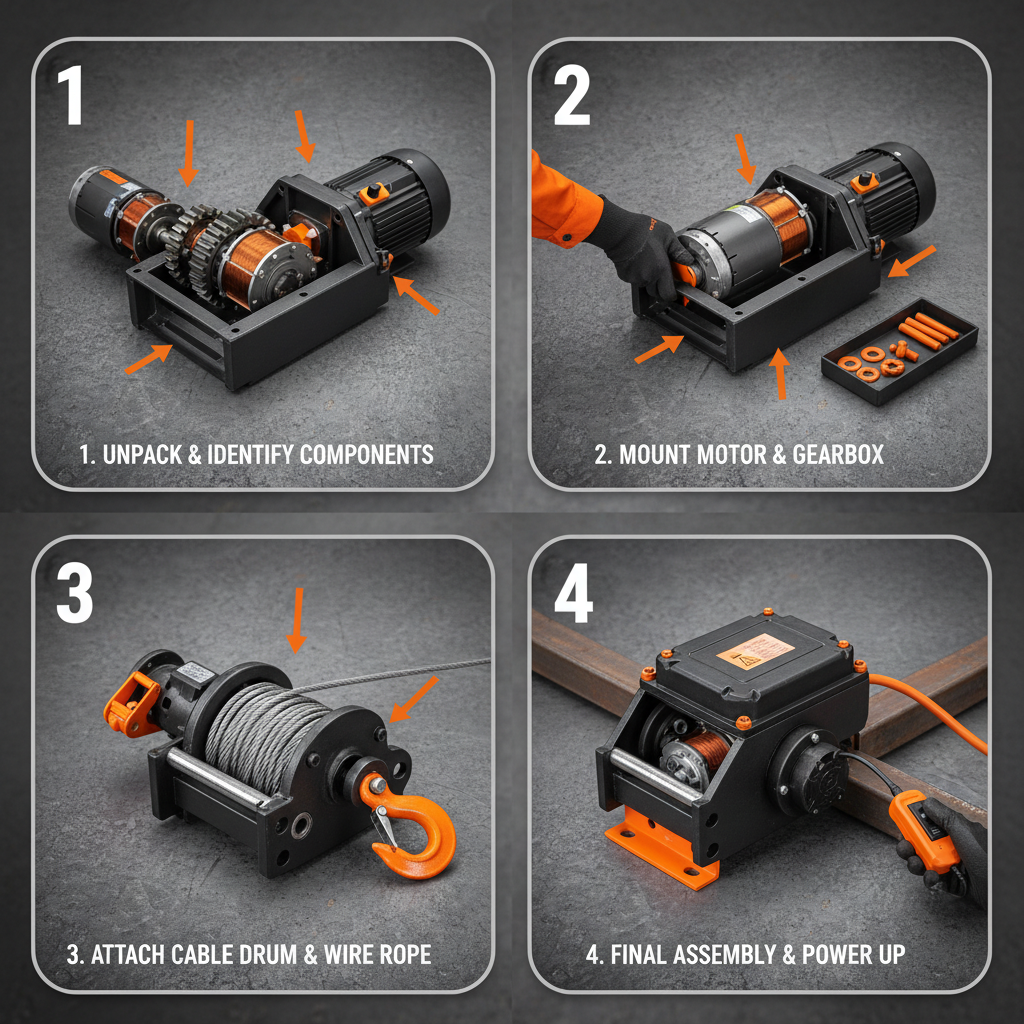
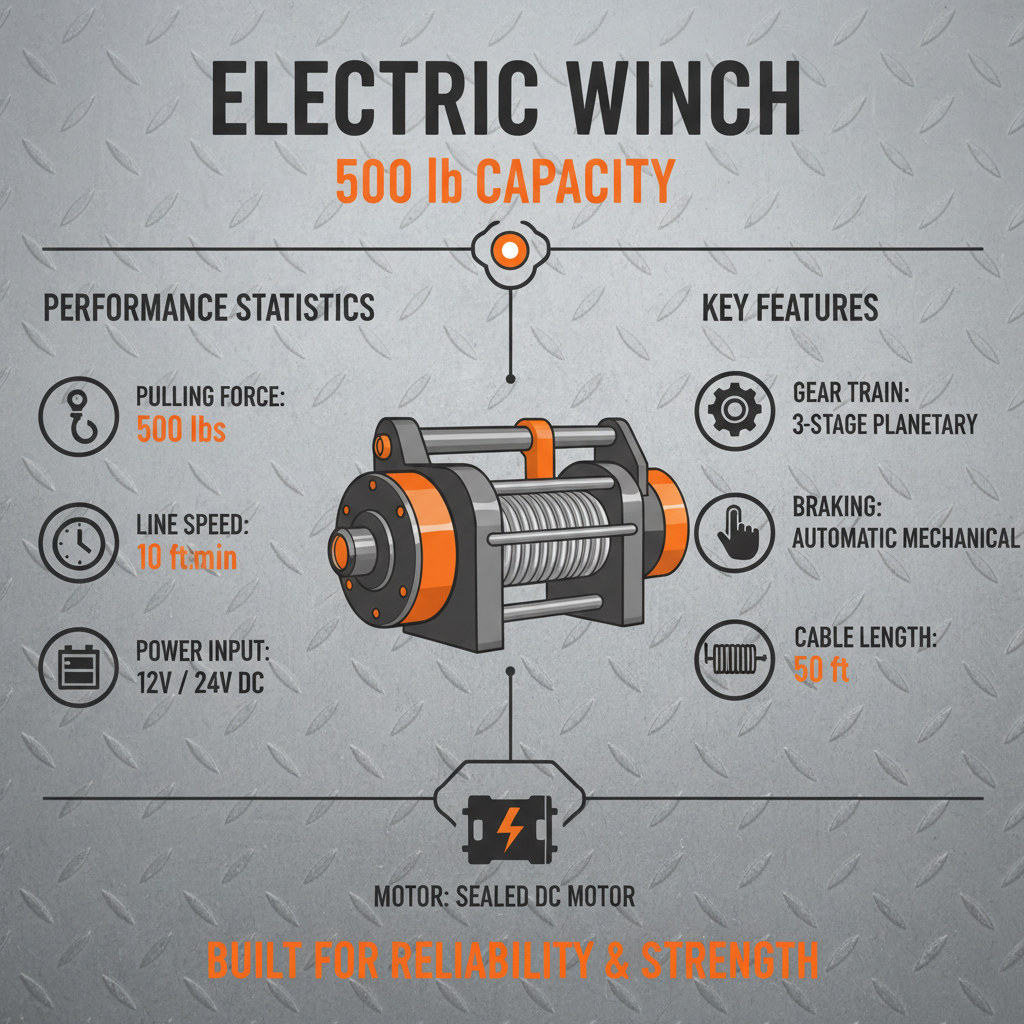
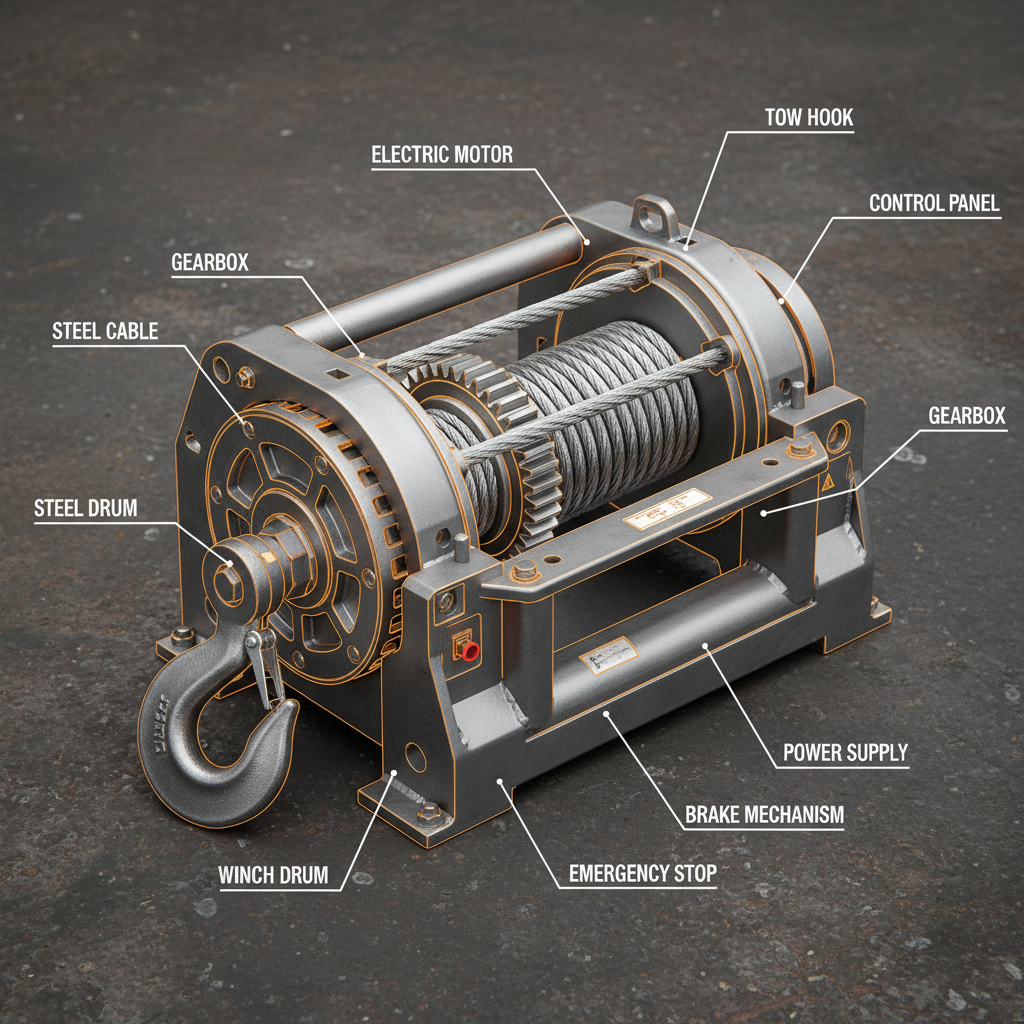
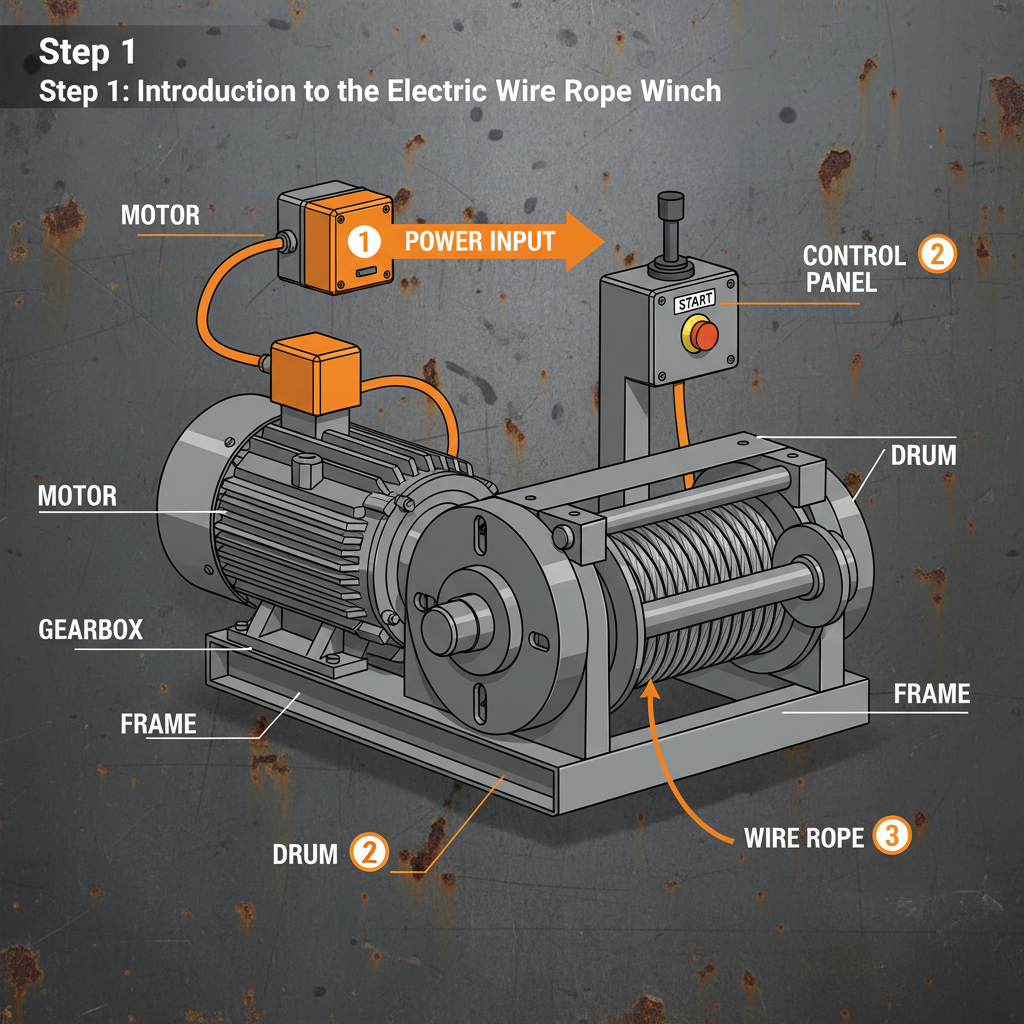
At its core, a 500 lb electric winch is an electromechanical device designed to pull or lift a load of up to 500 pounds using a motorized drum and a cable or synthetic rope. Unlike manual winches that rely on hand-cranks and human strength, the electric version utilizes an electric motor and a gearbox to generate the necessary torque to move loads smoothly and consistently.
This mechanism is intricately linked to modern industrial needs for precision. In many humanitarian or rescue contexts, such as deploying small equipment in disaster zones, the ability to precisely control the descent and ascent of a load is critical. The integration of electronic controllers allows the operator to manage the speed of the 500 lb electric winch, ensuring that fragile cargo is handled with extreme care.
Furthermore, the definition of a "500 lb" capacity usually refers to the rated pull on the first layer of the drum. As more cable is wound, the effective lifting capacity can change, which is why understanding the mechanical advantage and the role of the winch drum is paramount for any operator seeking to maintain the structural integrity of their lifting system.
Core Components Ensuring Performance and Safety
The durability of a 500 lb electric winch is largely dependent on its motor and gear train. High-quality permanent magnet motors provide the initial burst of energy needed to break static friction, while planetary gear systems ensure that the power is multiplied efficiently to reach the 500 lb threshold without overheating the motor.
Safety is anchored in the braking system. A professional-grade 500 lb electric winch typically employs an automatic load-holding brake. This ensures that if power is lost, the load remains locked in place rather than free-falling, which is a non-negotiable requirement for compliance with international safety regulations.
Finally, the cable material and drum design play a pivotal role in scalability and longevity. Whether using galvanized steel wire or high-density synthetic fibers, the 500 lb electric winch must have a drum that minimizes cable overlapping to prevent fraying and premature wear, ensuring the equipment remains reliable over thousands of cycles.
Global Applications and Practical Use Cases
In real-world scenarios, the 500 lb electric winch finds application across a diverse array of industries. In the automotive sector, these winches are frequently used for engine hoisting or pulling chassis into alignment. In remote industrial zones, such as mining outposts or offshore platforms, they are utilized for the movement of small toolkits and spare parts where space for larger machinery is unavailable.
Beyond heavy industry, these devices are critical in specialized logistics. For instance, in post-disaster relief operations, a lightweight 500 lb electric winch can be mounted on a small utility vehicle to clear debris or lift emergency supplies into elevated shelters, providing a rapid response capability that manual labor simply cannot match.
Efficiency Comparison of 500 lb Electric Winch Configurations
Long-Term Value and Operational Advantages
The primary advantage of investing in a 500 lb electric winch is the immediate increase in operational safety. By removing the physical strain from the operator, companies can reduce workers' compensation claims and improve overall morale. There is a psychological benefit to knowing that a load is secured by a mechanical brake rather than a human grip, fostering a culture of trust and professional reliability within the workspace.
From a financial perspective, the long-term value is found in the reduction of downtime. A motorized 500 lb electric winch completes tasks in a fraction of the time required for manual hauling, effectively increasing the hourly output of a small team. When paired with low-maintenance components like sealed bearings and corrosion-resistant coatings, the total cost of ownership remains remarkably low over the equipment's lifecycle.
Future Trends in Electric Hoisting Technology
As we look toward the future, the 500 lb electric winch is evolving through the integration of smart sensors and IoT (Internet of Things) connectivity. Future iterations will likely include load-sensing technology that can alert operators in real-time if a load exceeds the 500 lb limit, preventing catastrophic failure before it happens.
Green energy is also playing a significant role. We are seeing a shift toward lithium-ion battery-powered winches that eliminate the need for cumbersome power cables, making the 500 lb electric winch truly portable and eco-friendly. This digital transformation allows for remote monitoring of winch health, enabling predictive maintenance that schedules repairs based on actual wear and tear rather than arbitrary timelines.
Furthermore, the development of advanced carbon-fiber drums and ultra-high-molecular-weight polyethylene (UHMWPE) ropes is reducing the weight of the unit itself. This means a 500 lb electric winch of the future will provide the same lifting power while being significantly easier to transport and install in tight industrial environments.
Overcoming Challenges in Winch Implementation
One of the most common challenges in deploying a 500 lb electric winch is improper mounting. If the anchor point is not rated for the dynamic load of the winch, the system can fail regardless of the motor's strength. Expert insights suggest using reinforced steel mounting plates and verifying the structural integrity of the support beam to ensure a secure installation.
Another limitation is the "duty cycle"—the amount of time a winch can run before needing to cool down. Many operators push their 500 lb electric winch beyond its rated limits, leading to motor burnout. The solution lies in implementing a strict operational schedule and choosing motors with higher thermal ratings for high-frequency environments.
Lastly, cable management remains a hurdle. Improper spooling can lead to "bird-nesting," where the cable bunches up and jams. To overcome this, we recommend the use of guide rollers and training operators on the importance of keeping the cable under slight tension during winding to ensure a clean, layered finish on the drum.
Comparative Analysis of 500 lb Electric Winch Implementation Strategies
| Installation Method |
Initial Cost |
Durability Score (1-10) |
Setup Complexity |
| Fixed Beam Mount |
Low |
9 |
Simple |
| Mobile Cart Base |
Medium |
7 |
Moderate |
| Overhead Rail System |
High |
10 |
Complex |
| Temporary Tripod |
Low |
6 |
Very Simple |
| Wall-Mounted Bracket |
Medium |
8 |
Moderate |
| Custom Chassis Mount |
High |
9 |
Complex |
FAQS
Yes, provided it is specifically rated for hoisting. Many winches are designed for "pulling" (horizontal) rather than "lifting" (vertical). Ensure your 500 lb electric winch features a load-holding brake and is mounted to a structure that can support the dynamic load to ensure absolute safety during overhead operations.
The best way to prevent tangling is to maintain slight tension on the cable while winding it back onto the drum. Avoiding "slack" prevents the cable from crossing over itself. Additionally, using a winch with a built-in cable guide or adding external rollers can significantly improve spooling consistency.
Absolutely. Synthetic ropes are lighter, easier to handle, and safer if the line snaps. However, they are more susceptible to abrasion. If you switch to synthetic for your 500 lb electric winch, ensure you use a rope with a breaking strength significantly higher than 500 lbs to account for the safety factor.
Most compact electric winches have an intermittent duty cycle. This means they are designed to operate for a few minutes and then rest to allow the motor to cool. For example, a common cycle might be 2 minutes of pulling followed by 10 minutes of cooling. Always check the manufacturer's specs to avoid overheating the motor.
Most 500 lb electric winches run on 12V DC or 110V/220V AC. If using a DC version, ensure your battery has enough Cold Cranking Amps (CCA) to handle the initial surge of the motor. Using an undersized power supply can lead to voltage drops and reduced pulling power.
We recommend a visual inspection before every use and a deep mechanical audit every 3 months. Check for cable fraying, ensure bolts are tight, and lubricate the gear train if the model requires it. Regular maintenance extends the life of your 500 lb electric winch and prevents unexpected failures.
Conclusion
The 500 lb electric winch represents a perfect marriage of compact design and reliable power, solving critical lifting challenges across various global industries. By integrating high-torque motors, safety-first braking systems, and versatile mounting options, it empowers small-scale operations to achieve professional-grade efficiency while drastically reducing the risk of manual handling injuries.
As the industry moves toward smarter, greener, and more autonomous systems, the role of the electric winch will only grow. Investing in high-quality equipment and adhering to strict maintenance protocols will ensure that your operations remain safe and productive for years to come. For those looking to upgrade their material handling capabilities, we invite you to explore our professional range. Visit our website: www.lbswinch.com