Durable Two Way Electric Winches for Industrial Power & Safety
Understanding the Two Way Electric Winch
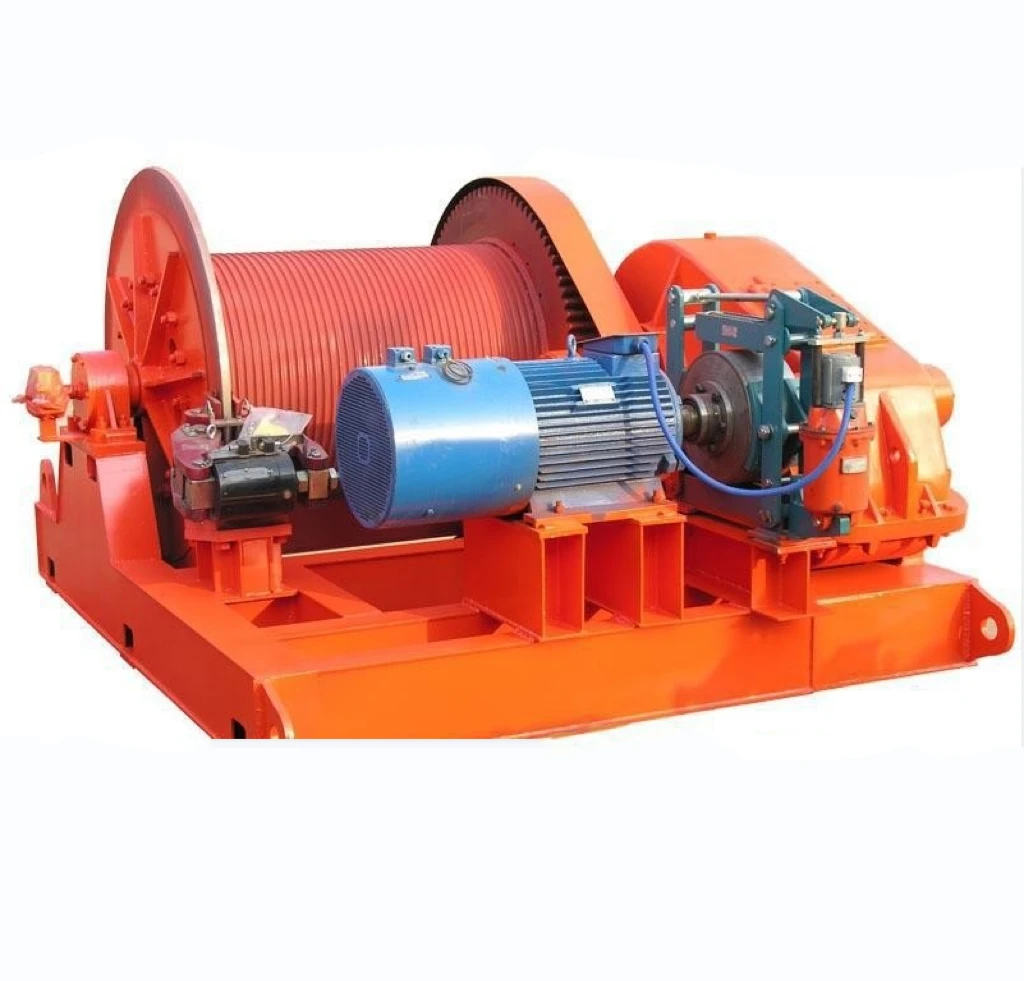
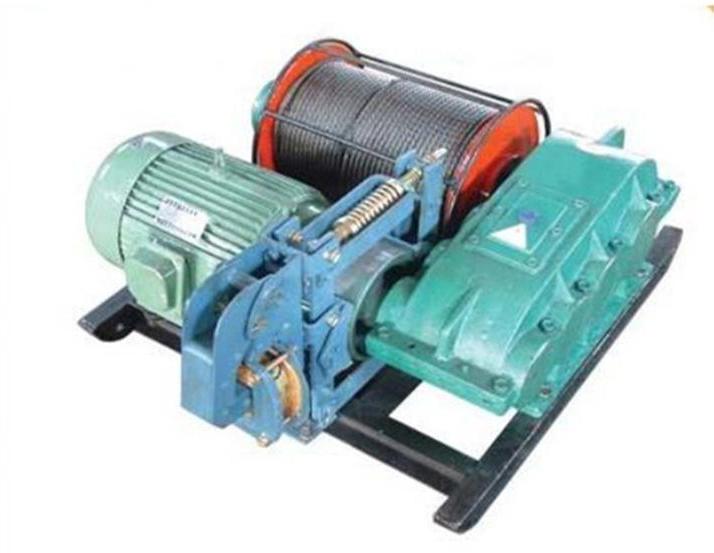
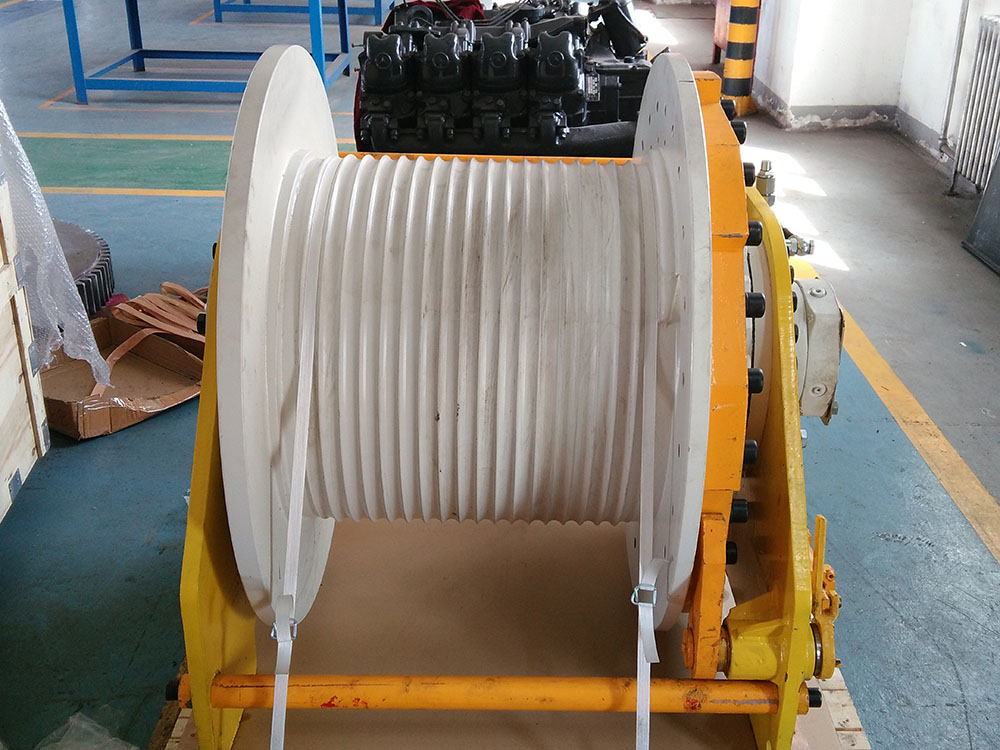
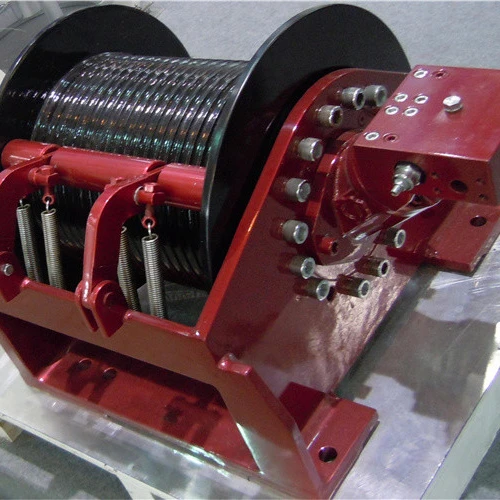
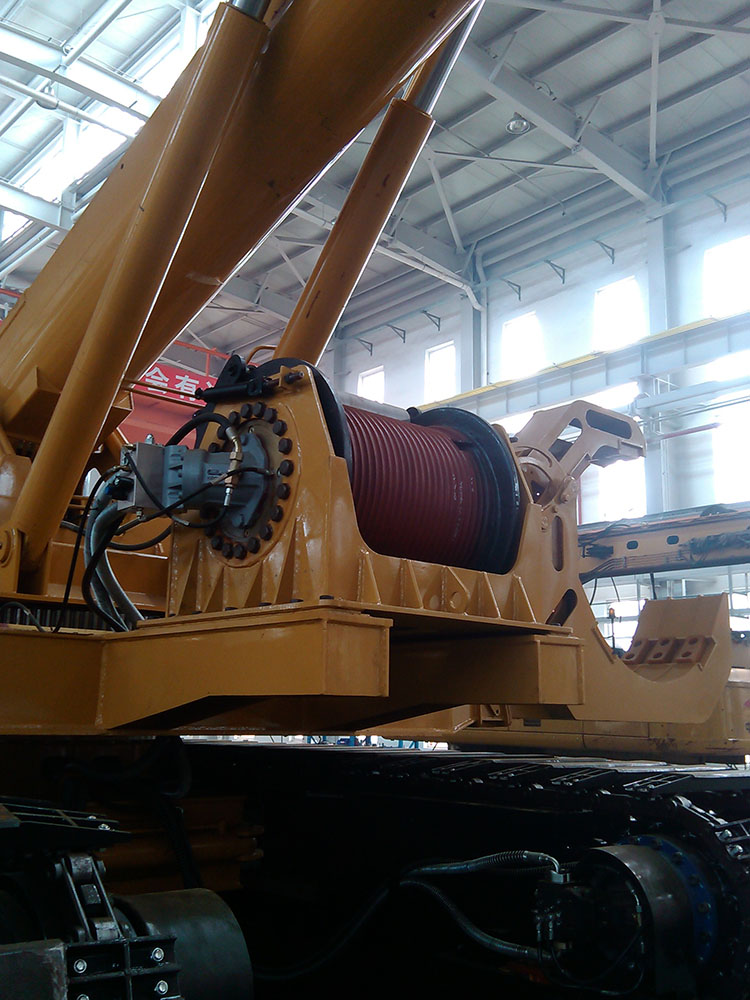
Having spent over a decade in the industrial equipment sector, I can tell you that a two way electric winch is one of those tools that’s deceptively simple until you get deep into the nitty-gritty of its design and performance. Frankly, it’s a staple on many job sites, from construction to forestry, and even on marine vessels.
Oddly enough, not everyone realizes how much engineering goes into making these winches reliable and safe. I remember when I first worked on a custom winch setup for a logging operation—clients insisted on a unit that could pull in both directions without manual intervention. That’s exactly where the two way electric winch shines, with its ability to handle complex load movements efficiently and safely.
Key Product Specifications
| Specification | Details |
|---|---|
| Pulling Capacity | Up to 10,000 lbs (4,535 kg) |
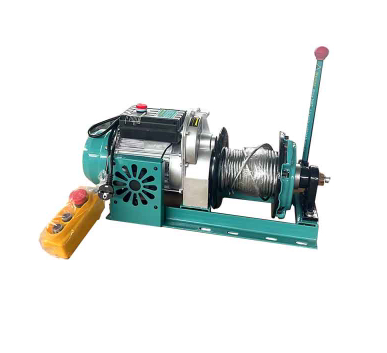
| Motor Type | Electric, 12 VDC or 24 VDC options |
| Two Way Control | Forward and Reverse winding via remote |
| Cable Diameter | 5/16 inch steel cable standard |
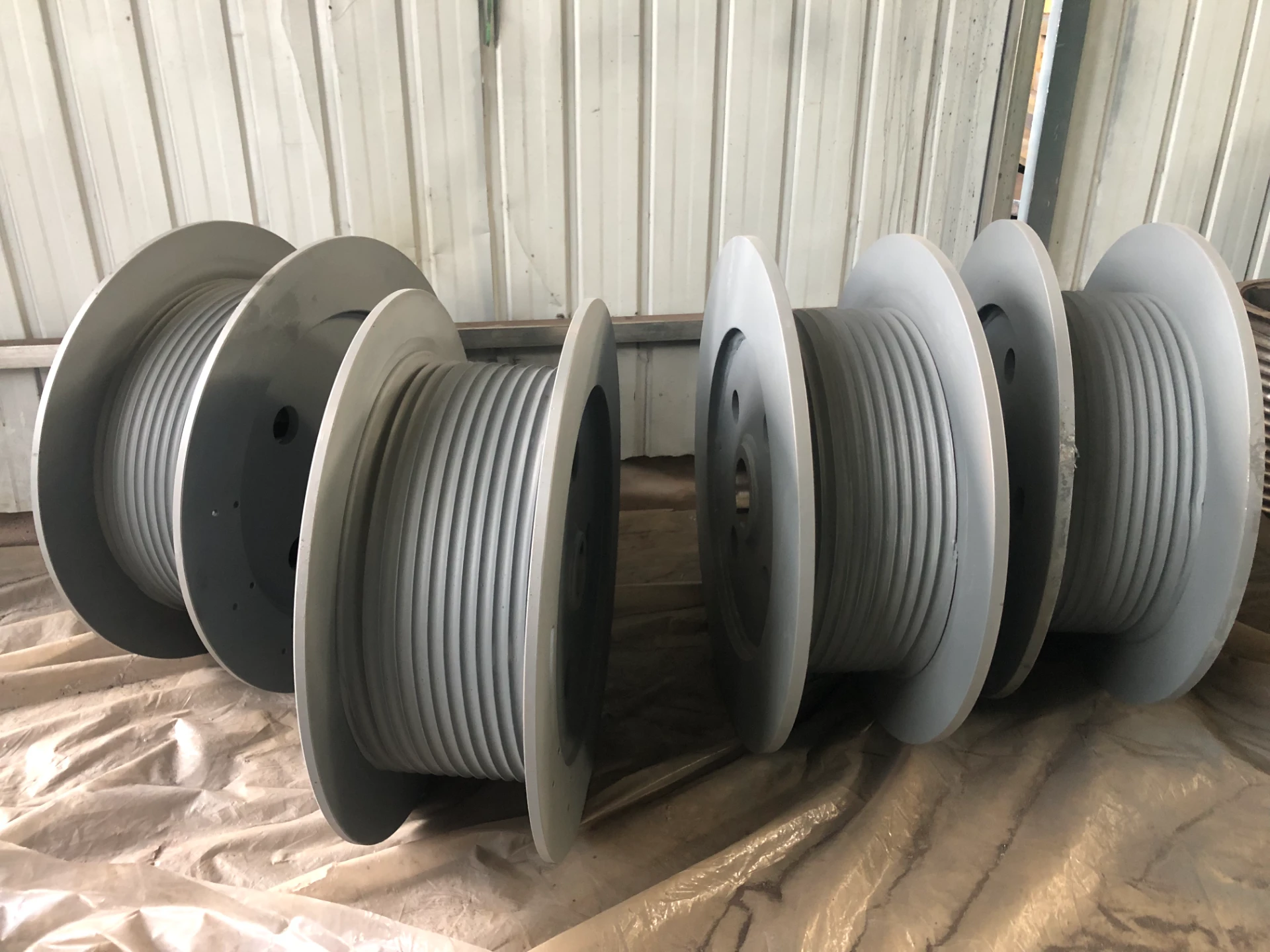
| Material | Heavy-duty steel drum and frame, powder coated finish |
| Safety Features | Automatic load brake, thermal motor protection |
You might be wondering about customization options — many vendors now offer bespoke solutions, which is essential if the winch is going into a specialized environment or subjected to unusual stresses. From corrosion-resistant coatings for marine applications to enhanced remote-control ranges, these tweaks make all the difference in daily operations.
Vendor Comparison: What to Look For
| Feature | Vendor A | Vendor B | Vendor C |
|---|---|---|---|
| Max Load Capacity | 10,000 lbs | 8,000 lbs | 9,500 lbs |
| Warranty | 3 years | 2 years | 5 years |
| Remote Control Range | 100 ft | 75 ft | 120 ft |
| Corrosion Resistance | Standard coating | Marine-grade finish | Enhanced marine & industrial |
| Price Range | $$$ | $$ | $$$$ |
From my experience, what really sets a two way electric winch apart is the balance between power, durability, and user safety. Many engineers I’ve spoken with value the automatic load brake feature – it’s one of those little things that really comes in handy when you’re dealing with heavy, potentially unstable loads.
One memorable job involved outfitting a remote drilling rig that demanded both precise control and robust reliability. After some trial, the team settled on a model with thermal overload protection and custom cable specs, which ended up saving them from downtime during a critical operation. That’s the kind of real-world proof that good design matters.
It feels like these winches will only become more integral with the push toward automated and remote-controlled job sites. If you’re in the market for one, I’d recommend thinking beyond just specs—consider environmental factors, ease of maintenance, and vendor support. Because in real terms, the best winch is the one that works safely and consistently, far beyond the first pull.
— Mike T., Industrial Equipment Specialist
References:
- Industry Safety Standards for Winches, ANSI/ASME B30.7
- LBS Winch Product Data Sheets, 2024 Edition
- Field reports from logging and maritime equipment reviews, 2018-2023
-
The Ultimate Guide to Gear Steels for Durability and PerformanceNewsApr.16,2026
-
High Performance Gear Stainless Steel for Industrial DurabilityNewsApr.09,2026
-
Comprehensive Guide to Steel Bevel Gears Applications and SelectionNewsApr.07,2026
-
Comprehensive Guide to Durable Stainless Steel Miter Gears and ApplicationsNewsApr.04,2026
-
Comprehensive Guide to Steel Spur Gears Functionality and ApplicationsNewsMar.31,2026
-
Comprehensive Guide to Durable Stainless Steel Spur Gears and Their ApplicationsNewsMar.28,2026