Comprehensive Guide to Your Electric Winch Manual for Safe Operation
Understanding Your Electric Winch Manual: A Comprehensive Guide
An electric winch manual is your key to safe and efficient operation of this powerful piece of equipment. Whether you’re using it for off-roading, marine applications, industrial lifting, or vehicle recovery, understanding the manual is paramount. This article will cover essential information found within these manuals, addressing safety procedures, operation, maintenance, and troubleshooting. Ignoring the manual can lead to damage, injury, or even failure of the winch. We'll explore why it's crucial to read and understand your winch's specific guide.
Key Sections Found in an Electric Winch Manual
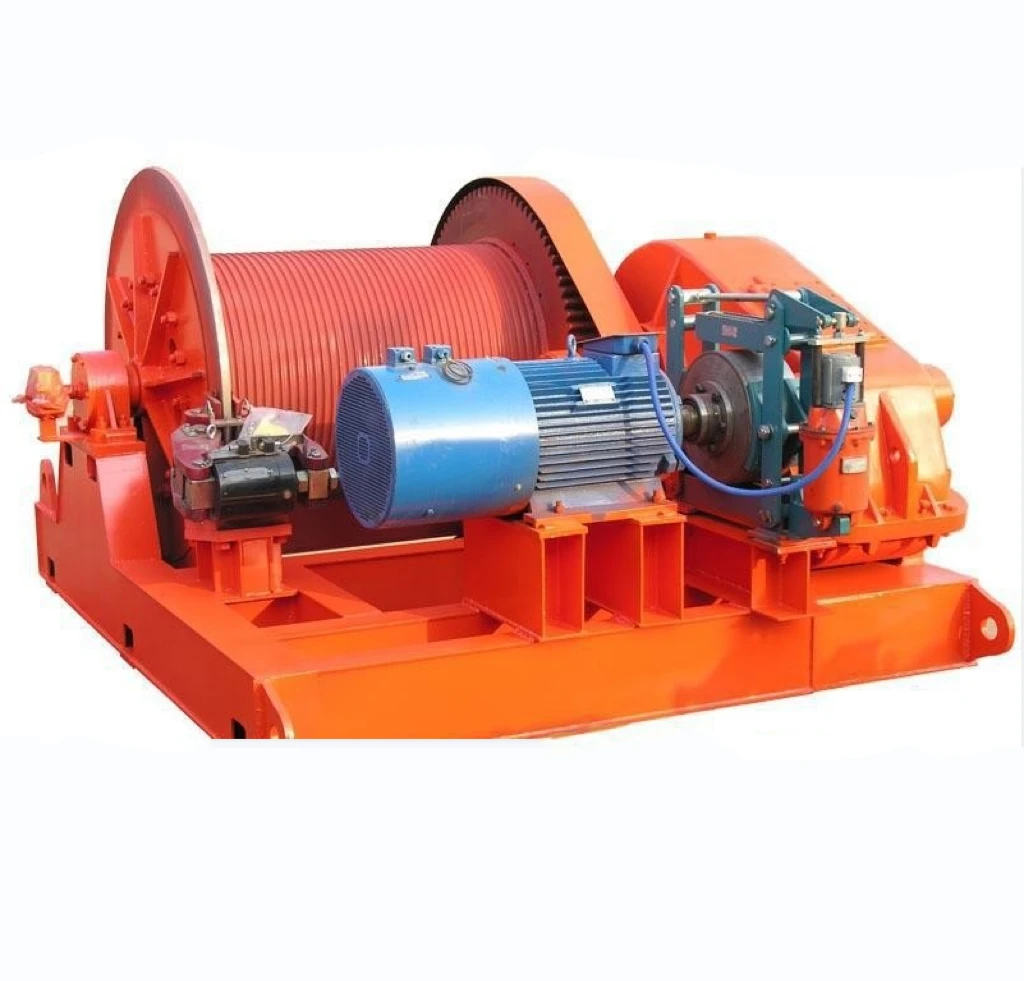
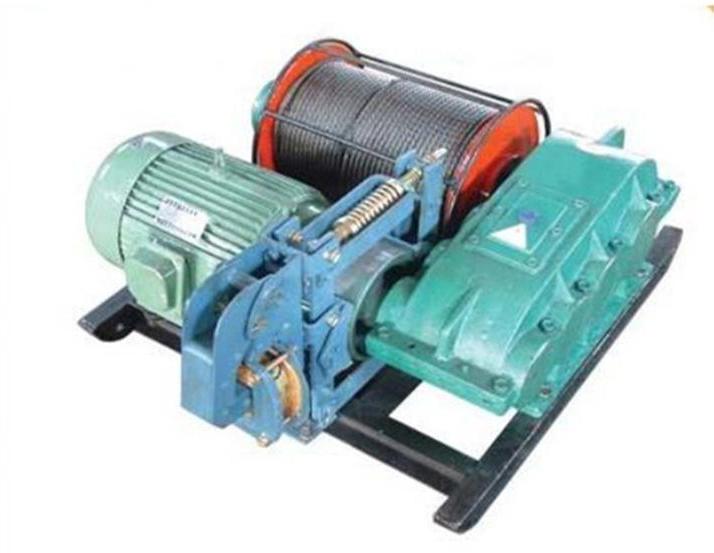
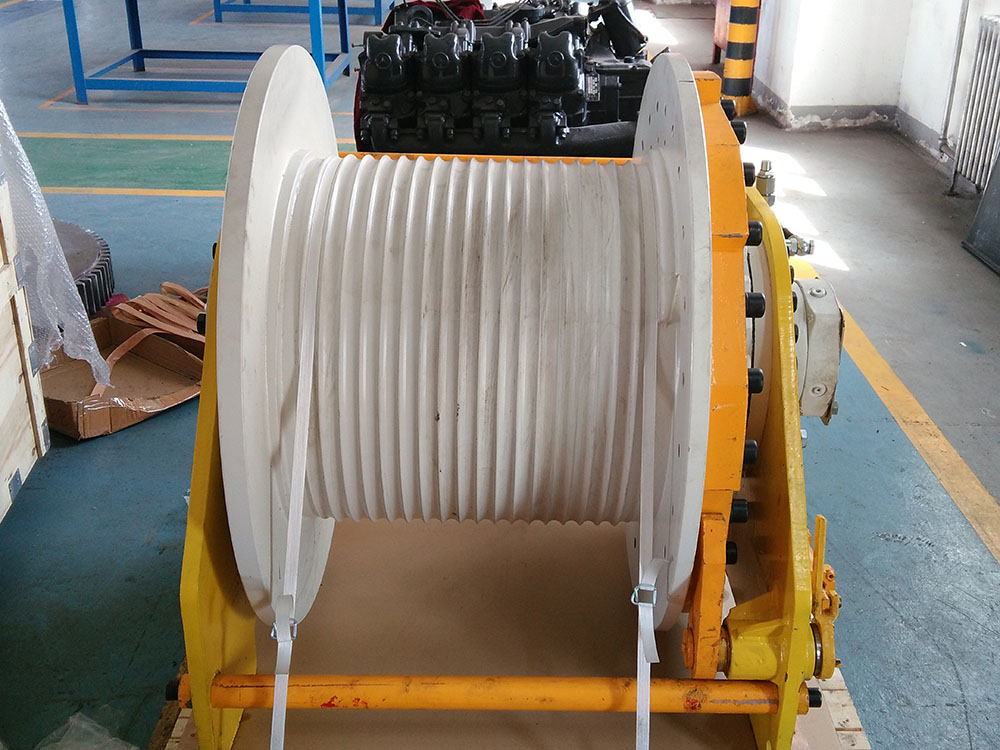
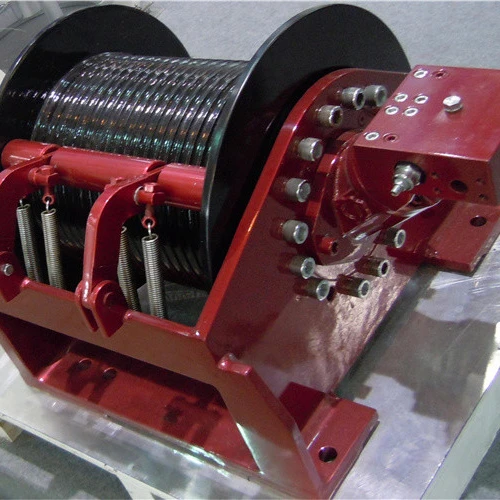
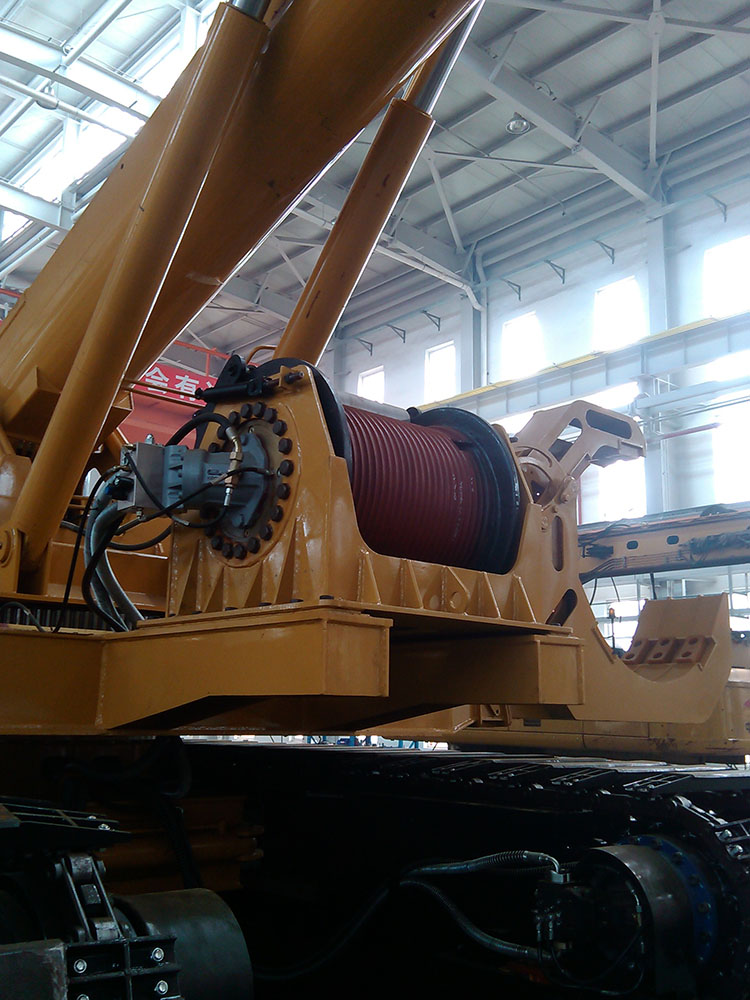
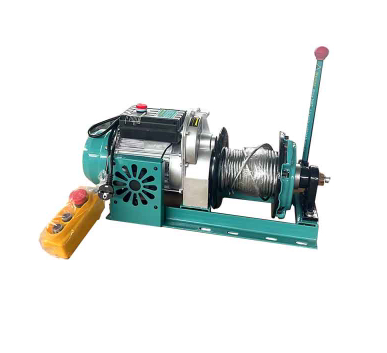
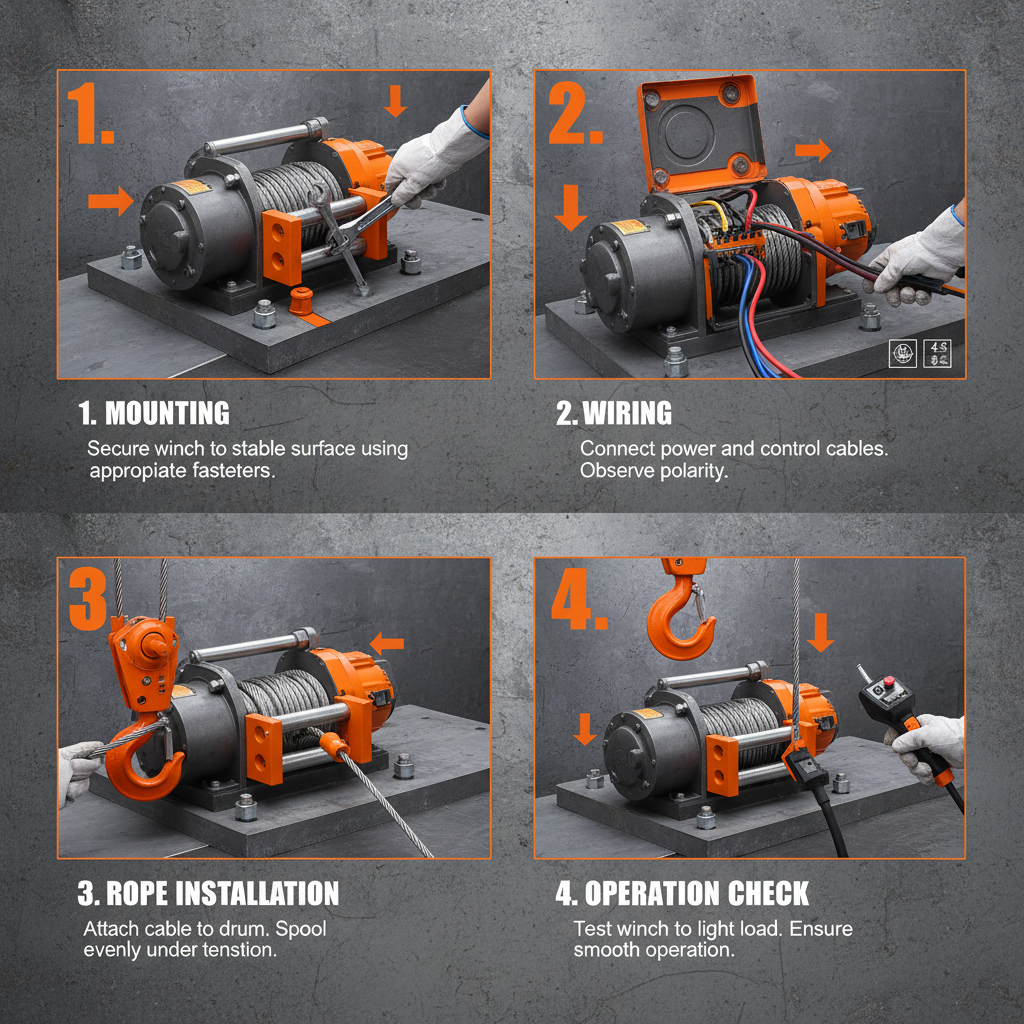
Most electric winch manuals follow a consistent structure. Common sections include: safety precautions, component identification, installation instructions, operating procedures, maintenance schedules, troubleshooting guides, and warranty information. Pay close attention to the safety section as it outlines potential hazards and precautions to avoid injury. The component identification section will help you understand the names and functions of each part, while the installation instructions are vital for proper mounting. Always prioritize reading the safety information before proceeding with any other step.
Important Reminder: Read the entire manual before attempting to install or operate the winch. Proper use and maintenance are essential for safe and reliable performance.
Decoding Safety Precautions in Your Electric Winch Manual
Safety is paramount when operating an electric winch. The manual will detail critical precautions, including: wearing appropriate personal protective equipment (PPE) like gloves and eye protection, ensuring the winch is properly anchored, never exceeding the winch's rated capacity, avoiding side-pulling, and inspecting the winch rope/cable for damage before each use. Understanding the load capacity, indicated in tons or pounds, is crucial to prevent winch failure and potential accidents. Always maintain a safe distance from the winch and the load during operation. Remember to disconnect the winch’s power when not in use.
Key Safety Considerations:
• Always wear appropriate PPE.
• Never exceed the rated capacity.
• Regularly inspect the rope/cable for damage.
• Ensure proper anchoring.
Electric Winch Specifications: Understanding Your Winch’s Capabilities
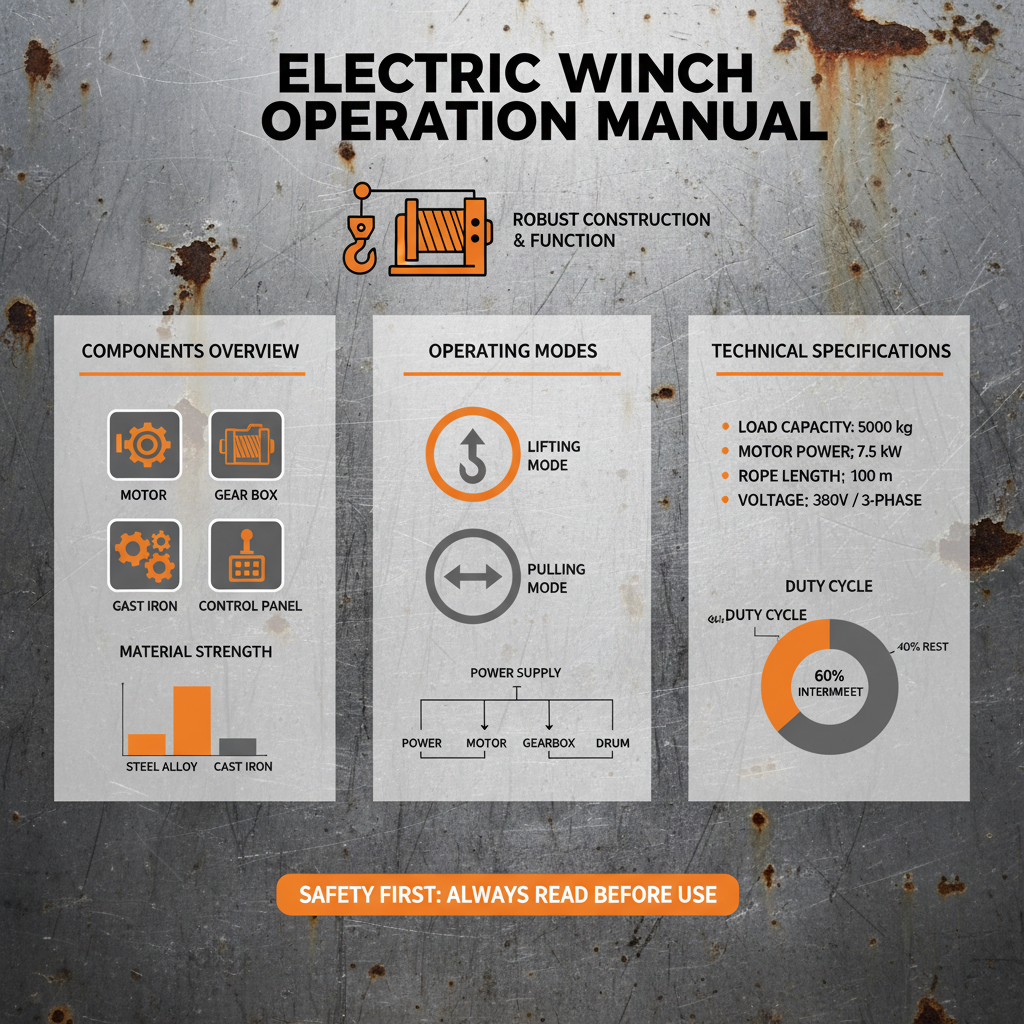
The manual contains a detailed specifications section outlining crucial performance characteristics. This includes the motor voltage, pulling capacity (single line and double line), gear ratio, rope/cable length and diameter, and overall winch weight. Knowing these specifications is vital for selecting the right winch for your needs and ensuring safe operation. For example, a higher gear ratio provides more torque for slower, heavier pulls. Understanding the rope diameter helps determine the appropriate shackles and rigging equipment to use.
Maintenance and Troubleshooting: Prolonging Your Winch's Life
Regular maintenance is essential for ensuring the longevity and reliability of your electric winch. The manual will detail maintenance schedules, including lubricating gears, inspecting the rope/cable for wear, checking electrical connections, and ensuring the brake mechanism is functioning correctly. The troubleshooting section will guide you through common issues, such as the winch not operating, slow pulling speed, or unusual noises. Following these guidelines can prevent costly repairs and ensure safe operation. Always disconnect the power source before performing any maintenance.
Conclusion: Your Manual is Your Winch’s Best Friend
The electric winch manual is an indispensable resource. By thoroughly reading and understanding its contents, you can ensure safe, efficient, and reliable operation of your winch for years to come. Don’t underestimate the importance of this document—it’s your key to maximizing the value and minimizing the risks associated with this powerful tool.
Frequently Asked Questions (FAQs)
What type of rope or cable should I use with my winch?
Your winch manual will specify the recommended rope or cable type, diameter, and working load limit. Generally, you'll find options like synthetic rope (typically made of Dyneema or Spectra) or steel cable. Synthetic rope is lighter, safer, and easier to handle, but it’s more expensive and less abrasion-resistant. Steel cable is stronger and more durable but heavier and prone to fraying. Always use a rope/cable that meets or exceeds the winch's specifications. Inspect it regularly for wear and tear, and replace it when necessary.
How do I properly anchor my winch?
Proper anchoring is critical for safe winch operation. The anchor point must be a solid, immovable object capable of withstanding the winch's full pulling capacity. Suitable anchors include sturdy trees (use a tree saver strap to protect the bark), large rocks, or dedicated anchor points. Avoid using anything that could break or shift under load. Use appropriate shackles and rigging equipment rated for the load. Ensure the anchor point is in a direct line with the load to avoid side-pulling, which can damage the winch and compromise safety.
What should I do if my winch overheats?
If your winch overheats, immediately stop using it and allow it to cool down. Overheating is often caused by prolonged use or exceeding the winch's duty cycle (the amount of time it can operate continuously). Check the motor and solenoid for proper ventilation. Ensure the winch is not overloaded. If the overheating persists, consult a qualified technician. Continuing to operate an overheated winch can cause permanent damage to the motor and electrical components.
-
The Ultimate Guide to Gear Steels for Durability and PerformanceNewsApr.16,2026
-
High Performance Gear Stainless Steel for Industrial DurabilityNewsApr.09,2026
-
Comprehensive Guide to Steel Bevel Gears Applications and SelectionNewsApr.07,2026
-
Comprehensive Guide to Durable Stainless Steel Miter Gears and ApplicationsNewsApr.04,2026
-
Comprehensive Guide to Steel Spur Gears Functionality and ApplicationsNewsMar.31,2026
-
Comprehensive Guide to Durable Stainless Steel Spur Gears and Their ApplicationsNewsMar.28,2026