Comprehensive Guide to Winch Drum: Key Components, Applications, and Innovations
Understanding the Winch Drum: Essential Component for Modern Industry
At first glance, a winch drum might seem like just another mechanical part, but its role in lifting, pulling, and load handling is absolutely vital across many sectors worldwide. From heavy construction and maritime operations to humanitarian logistics and remote mining sites, the winch drum is the quiet workhorse enabling complex tasks to happen safely and efficiently. Understanding this component not only shines a light on its practical value but reveals how innovations in design and materials translate into global benefits—better safety, cost savings, and even disaster relief effectiveness.
Introduction: The Global Context of Winch Drums
Globally, industries reliant on winching systems are growing as infrastructure projects, shipping, and resource extraction expand. According to the International Organization for Standardization (ISO), lifting equipment standards—including parts like the winch drum—are critical to global safety and operational efficiency (1). The global lifting and rigging market, worth billions, depends on reliable components, and the winch drum anchors that dependency.
Yet challenges remain. Many workplaces still contend with outdated winch designs, leading to safety risks and costly downtime. The winch drum’s engineering advancements address these issues by improving load capacity, corrosion resistance, and ergonomic handling. This matters, especially in harsh environments and humanitarian settings, where faulty equipment can delay life-saving operations.
What is a Winch Drum?
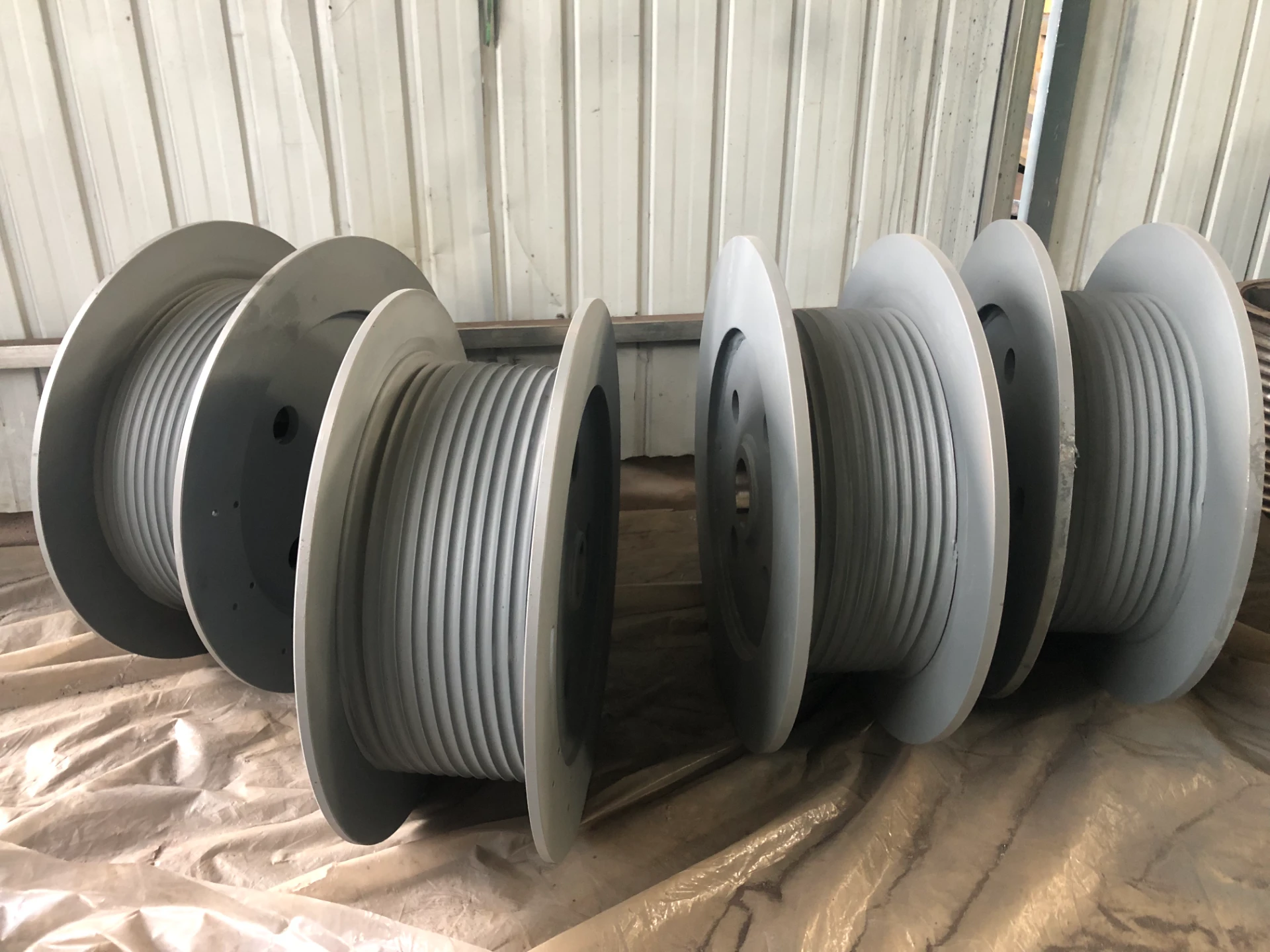
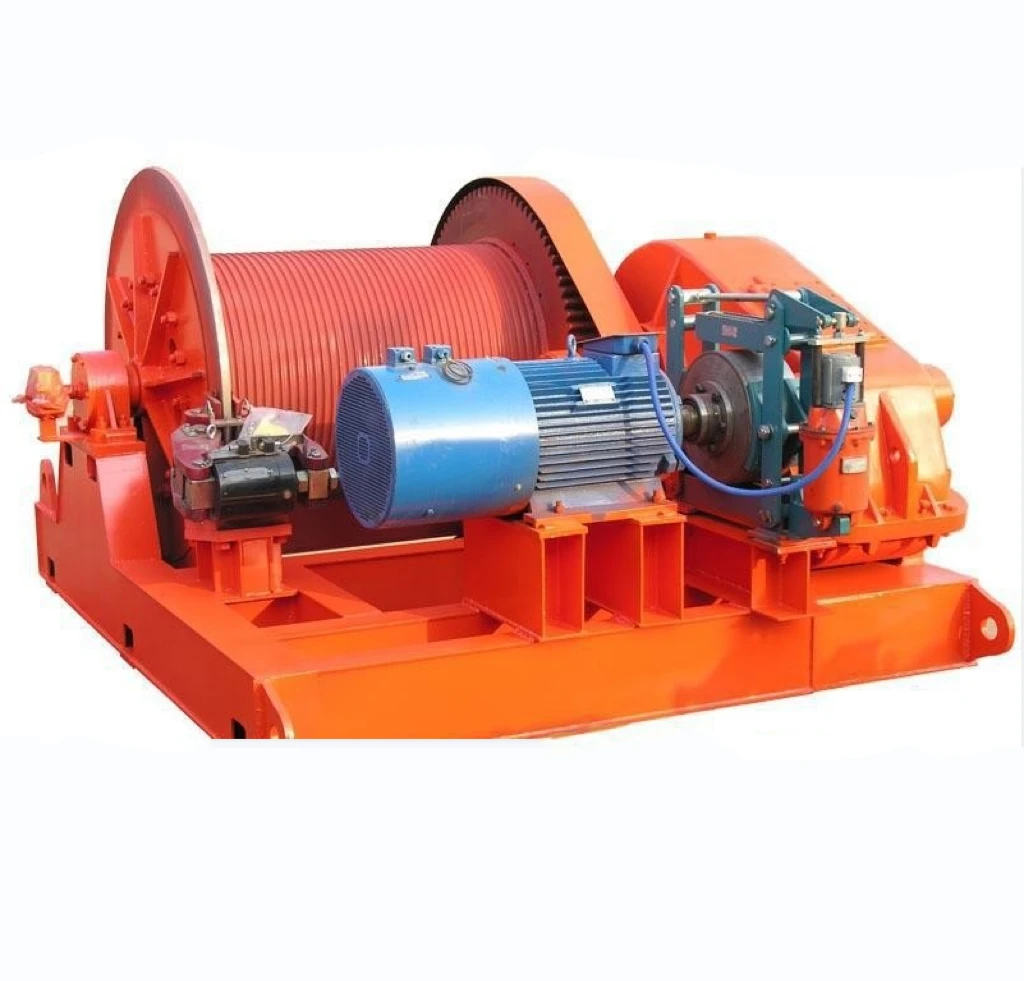
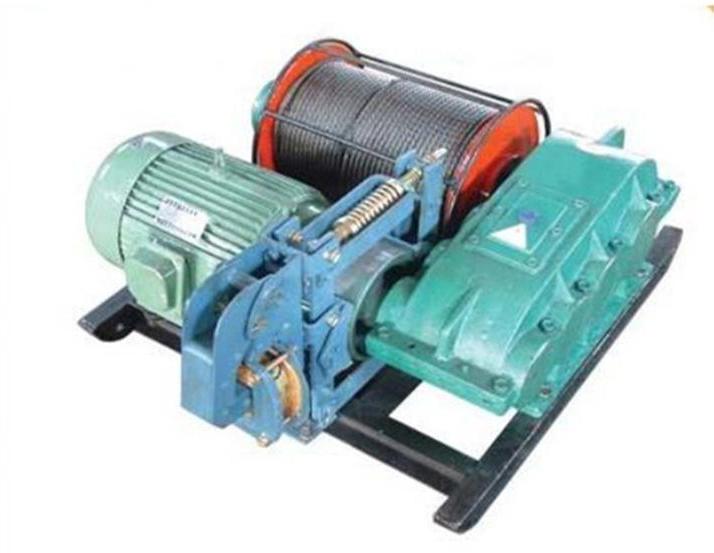
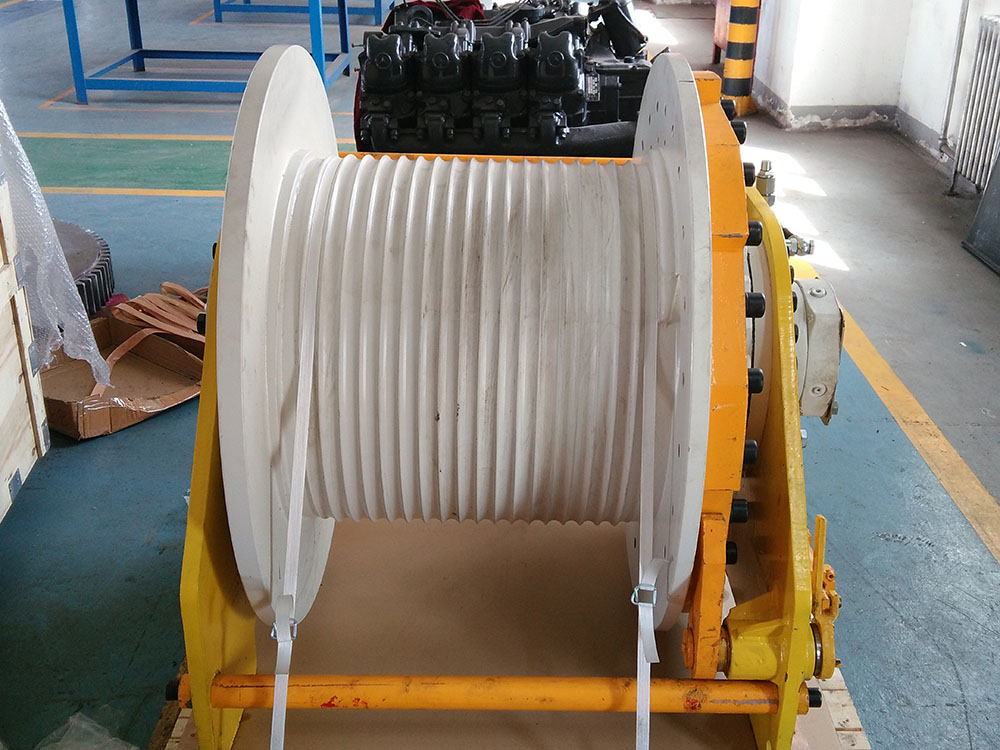
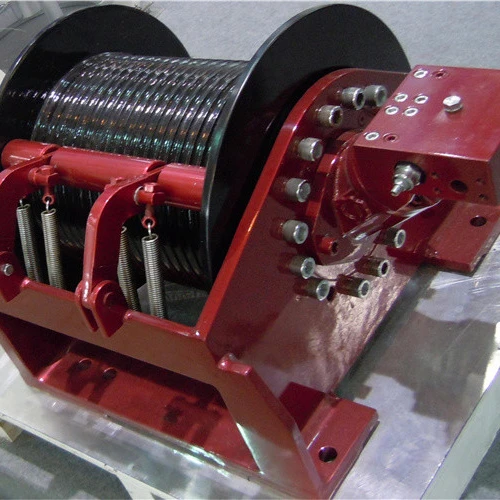
Simply put, a winch drum is a cylindrical spool around which cable, rope, or wire is wound. It forms the core of a winching system, transferring rotational force (torque) to pull or lift heavy loads. Think of it as a giant spool of thread, but built for massive industrial strength.
This component is essential in cradling the rope or cable and ensuring smooth reeling and unreeling during operation. Winch drums link human effort (or motor power) to heavy lifting, making modern engineering feats possible. In humanitarian operations — such as delivering aid to remote areas or setting up temporary shelters — winch drums ensure materials move swiftly and safely.
Key Components and Factors of Winch Drums
1. Durability
Winch drums need to withstand significant mechanical stress and harsh environmental conditions. Many are constructed using high-grade steel alloys or composite materials to resist corrosion, abrasion, and fatigue.
2. Scalability and Size
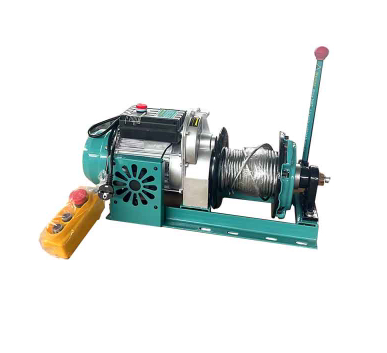
Depending on the application, winch drums vary in diameter and width. Larger drums handle thicker cables and heavier loads, making them suitable for maritime cranes or mining hoists. Smaller variants work in robotics or light vehicle recovery.
3. Load Capacity
This is a paramount consideration — the drum must handle maximum expected forces without deformation or failure. Engineers design drums with significant safety margins for reliability.
4. Smooth Operation
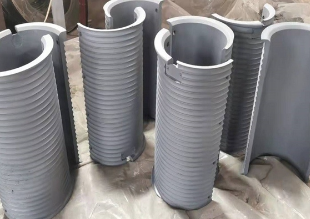
To avoid cable damage and ensure operator safety, drums are often grooved for precise cable placement and feature mechanisms to reduce friction during rotation.
5. Cost Efficiency
Advanced manufacturing and material choices aim to strike a balance between performance and affordability, ensuring the winch drum delivers long-term value.
Mini takeaway: The winch drum’s design balances mechanical strength, size fit-for-purpose, and operational smoothness — all critical to its diverse applications.
Global Applications & Use Cases
Winch drums are everywhere—sometimes literally behind the scenes—but their footprint reveals fascinating diversity:
- Maritime Industry: Massive winch drums operate on ships for anchor handling and towing. They withstand corrosive saltwater and heavy loads.
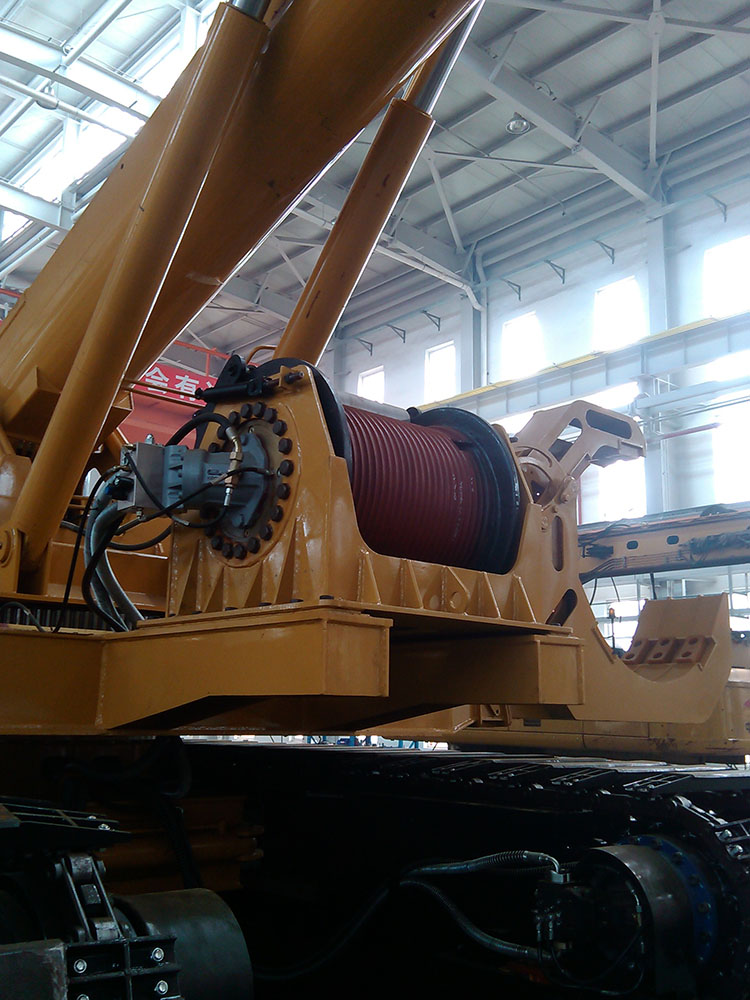
- Construction Sites: Tower cranes use winch drums to raise steel beams and materials high above ground, where precision matters.
- Disaster Relief: In post-disaster zones, specialized winch systems with rugged drums help clear debris and move supplies where roads may be damaged.
- Mining Operations: Remote mining uses winch drums in elevators and cable-driven machines, often in extreme climates.
- Forestry & Agriculture: Winches recover vehicles stuck in muddy terrain or haul harvested timber.
For example, after the 2010 Haiti earthquake, relief teams used winches with tough winch drums to transport aid into inaccessible mountainous areas. This illustrates the winch drum’s role not just in economics but in humanitarian impact.
Mini takeaway: The winch drum’s versatility powers industries worldwide, from deep-water rigs to disaster zones.
Advantages & Long-Term Value
What’s striking about the winch drum is how it delivers on several fronts simultaneously:
- Cost Savings: Durable drums reduce maintenance costs and downtime.
- Safety Improvements: Reliable design prevents cable slips and accidents.
- Environmental Sustainability: Longer-lasting drums mean fewer replacements and lower resource use.
- Operational Trust: Users gain confidence in equipment, which translates into smoother project execution.
Combined, these benefits create economic and social value, making the winch drum essential to modern operations.
Future Trends & Innovations
Technological advances are shaping the winch drum’s future. For instance:
- Composite Materials: Lightweight composites replacing steel to reduce weight yet maintain strength.
- Automation & Sensors: Smart winches monitor load tension and prevent failures in real-time.
- Eco-friendly Designs: Using recycled materials and energy-efficient manufacturing.
- Integration with Renewable Energy: Solar or battery-powered winch systems for off-grid applications.
These innovations align with broader industrial shifts toward digital transformation and sustainability.
Challenges & Solutions in Winch Drum Use
You might wonder, what issues persist? A few challenges include:
- Wear & Corrosion: Continuous exposure to harsh conditions can degrade drums.
- Incorrect Sizing: Using the wrong drum size risks cable damage or mechanical failure.
- Maintenance Complexity: Some setups require frequent lubrication and inspection.
Experts recommend routine inspections using modern diagnostic tools, proper operator training, and adopting modular drum designs that simplify repairs. Some vendors also offer coatings that enhance corrosion resistance dramatically, adding years to service life.
FAQ: Frequently Asked Questions About Winch Drum
- What factors determine the right winch drum size for an application?
- The size depends mainly on cable diameter and load capacity. Oversized drums reduce cable bending stress, but may add weight and cost. It’s essential to balance load needs with operational efficiency—consulting manufacturer specifications helps.
- How often should winch drums be inspected and maintained?
- For industrial use, regular inspections every 3-6 months are typical, focusing on wear, cracks, and corrosion. Maintenance schedules vary by environment; harsher settings require more frequent checks.
- Can winch drums be customized for special applications?
- Yes, many manufacturers offer custom sizes, grooves, and coatings tailored to unique industry requirements, ensuring optimal compatibility and performance.
- Are winch drums compatible with synthetic ropes?
- While traditionally used with wire ropes, many winch drums now support synthetic cables. However, groove profiles and drum surface material may need adjustment to prevent rope damage.
- How do smart winch drums improve safety?
- Smart drums integrate sensors that monitor tension and rotation speed in real-time, alerting operators to potential overload or slippage, thereby preventing accidents before they happen.
Specification Table: Common Winch Drum Models
| Model | Diameter (mm) | Width (mm) | Max Load (tons) | Material | Coating |
|---|---|---|---|---|---|
| WD-500 | 250 | 150 | 5 | Steel Alloy | Powder Coated |
| WD-1200 | 450 | 300 | 12 | Hardened Steel | Anti-Corrosion Zinc |
| WD-800C | 350 | 220 | 8 | Composite Hybrid | UV Resistant Paint |
Vendor Comparison: Leading Winch Drum Suppliers
| Supplier | Range of Models | Customization | Warranty | Global Shipping | Price Range |
|---|---|---|---|---|---|
| Alpha Winch Co. | Wide (Small to Large) | Yes | 3 years | Worldwide | $$$ |
| WinchPro | Medium (Industrial Focus) | Limited | 2 years | North America, EU | $$ |
| LoadMaster | Small to Medium | Yes (Composite Options) | 5 years | Asia & EU | $$$ |
Conclusion: Why Understanding the Winch Drum Matters
The humble winch drum is a linchpin in many industrial and humanitarian systems worldwide. Its design influences safety, efficiency, and cost-effectiveness—from the highest cranes down to the smallest recovery winches. As industries evolve with new technologies and sustainability priorities, so too does the winch drum, proving it’s far from a static piece of hardware. For businesses or organizations looking to invest in reliable load handling equipment, getting to know this component inside out is well worth the time.
For more detailed information and solutions tailored to your needs, I recommend visiting our website where you'll find expert advice and a wide selection of winch drums.
Final thought: The winch drum is more than metal — it’s fundamental to moving the world safely and reliably, one turn at a time.
References
-
The Ultimate Guide to Gear Steels for Durability and PerformanceNewsApr.16,2026
-
High Performance Gear Stainless Steel for Industrial DurabilityNewsApr.09,2026
-
Comprehensive Guide to Steel Bevel Gears Applications and SelectionNewsApr.07,2026
-
Comprehensive Guide to Durable Stainless Steel Miter Gears and ApplicationsNewsApr.04,2026
-
Comprehensive Guide to Steel Spur Gears Functionality and ApplicationsNewsMar.31,2026
-
Comprehensive Guide to Durable Stainless Steel Spur Gears and Their ApplicationsNewsMar.28,2026