Comprehensive Guide to Mechanical Drum Winch: Applications, Benefits, and Innovations
Understanding Mechanical Drum Winch: A Crucial Tool Across Industries
Mechanical drum winches may not be the first thing that springs to mind when you think of modern industrial solutions, but their significance is quietly vast. Globally, they play a pivotal role in everything from construction and maritime operations to humanitarian aid and disaster relief, enabling heavy loads to be lifted or pulled with controlled ease and safety. Grasping the mechanics and benefits of these devices unlocks a deeper appreciation of how such simple tools drive efficiency and safety worldwide.
Introduction: Why Mechanical Drum Winches Matter on a Global Scale
According to data from the International Labour Organization and reports from the United Nations, industries that depend on lifting and pulling heavy weights account for billions of dollars in worldwide economic activity. Mechanical drum winches stand out as essential machinery in these sectors. They address the critical challenge of moving materials safely and efficiently, especially in harsh or resource-limited settings.
Whether it’s rebuilding infrastructure after natural disasters or managing logistics in remote industrial areas, the right winch can be a game changer. Oddly enough, despite technological leaps in automation and robotics, the mechanical drum winch remains a stalwart thanks to its robust design and adaptability.
Defining Mechanical Drum Winches: Simplicity Meets Strength
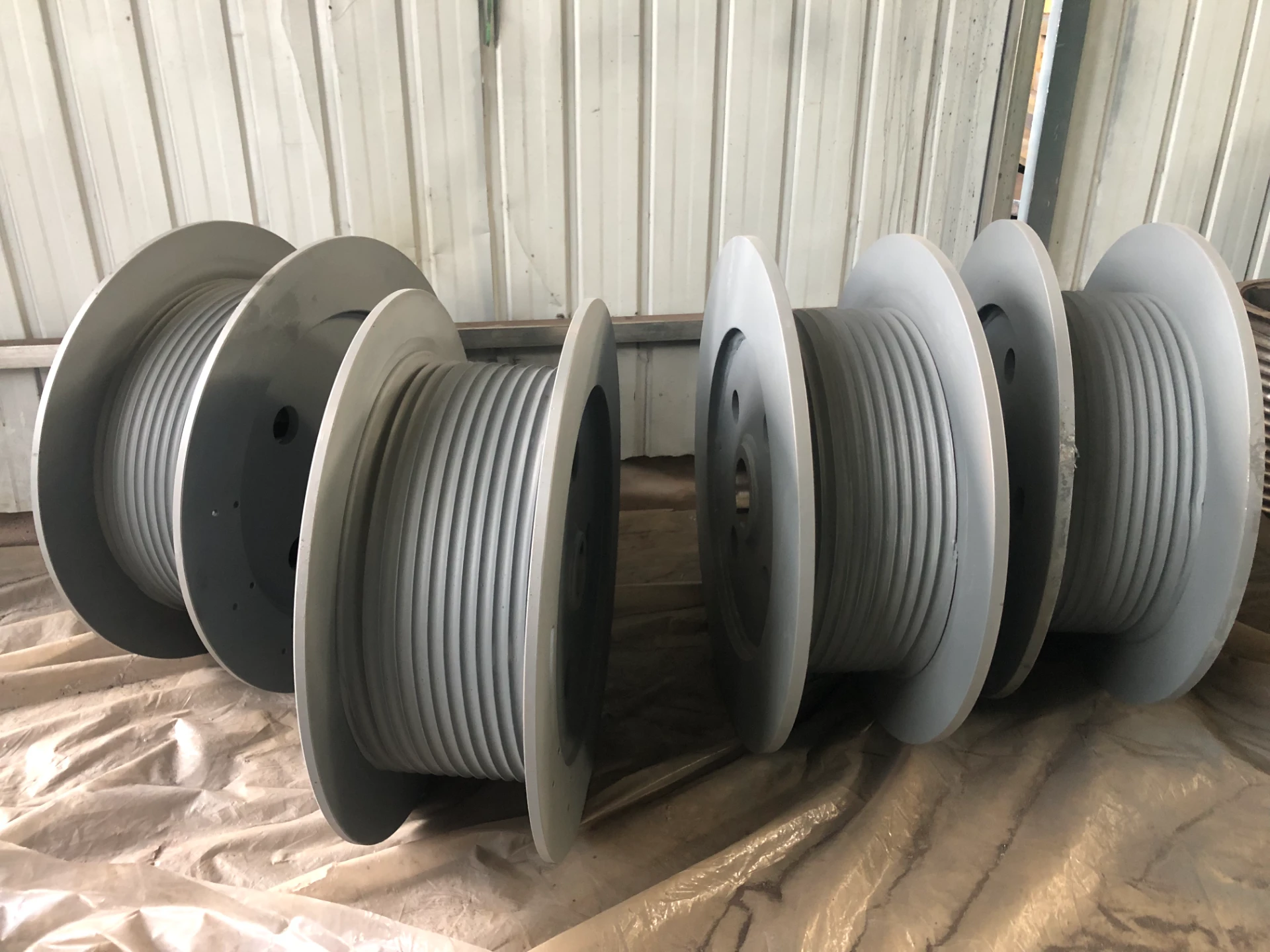
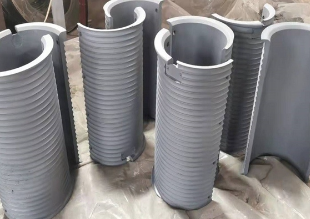
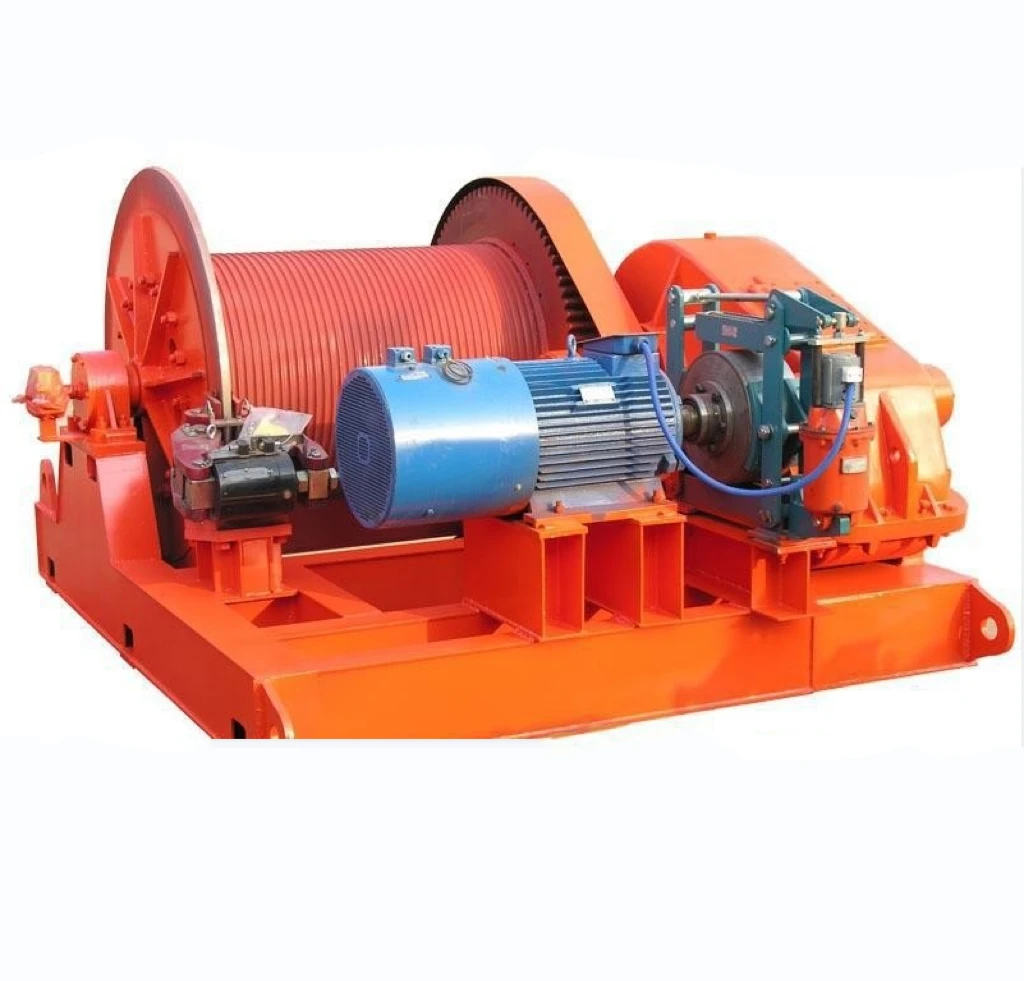
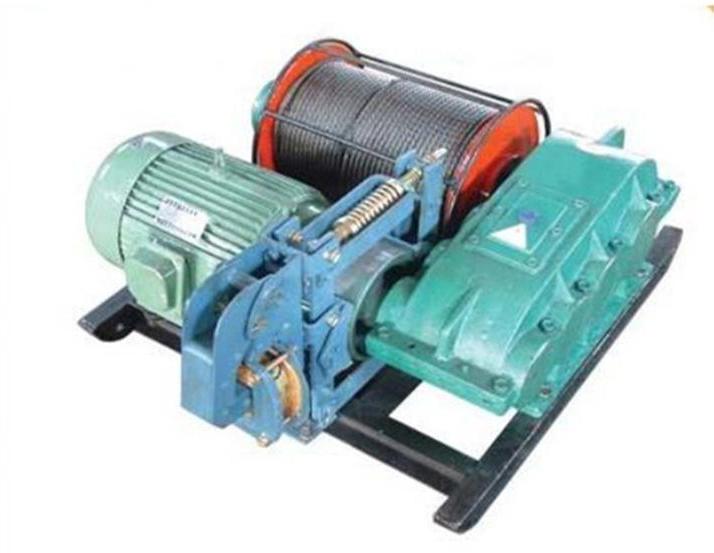
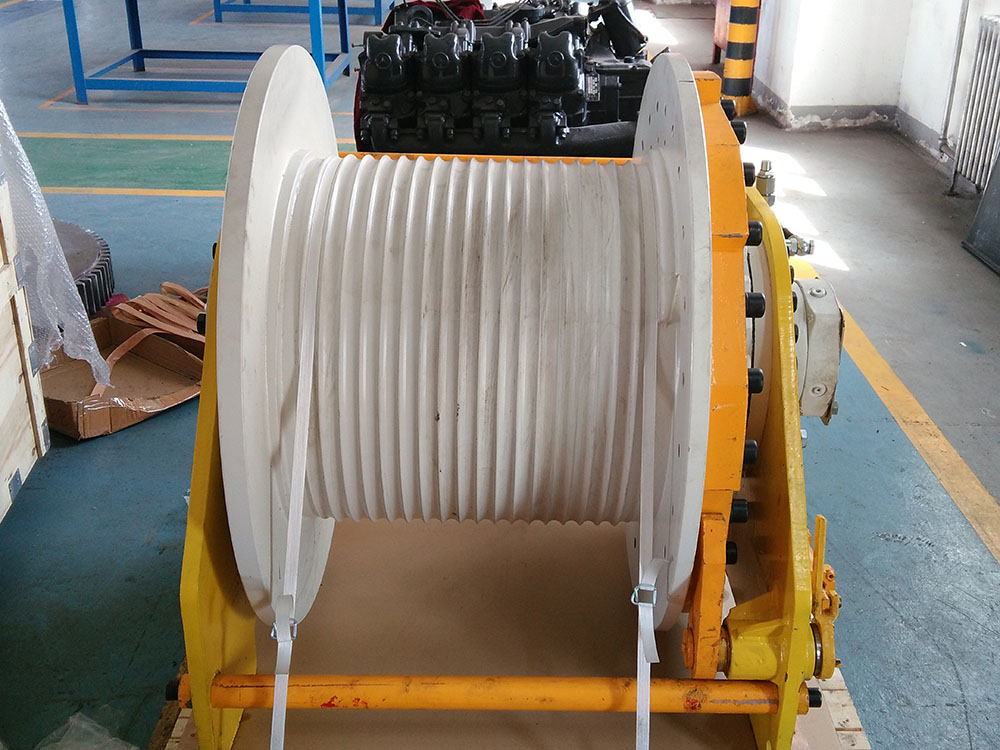
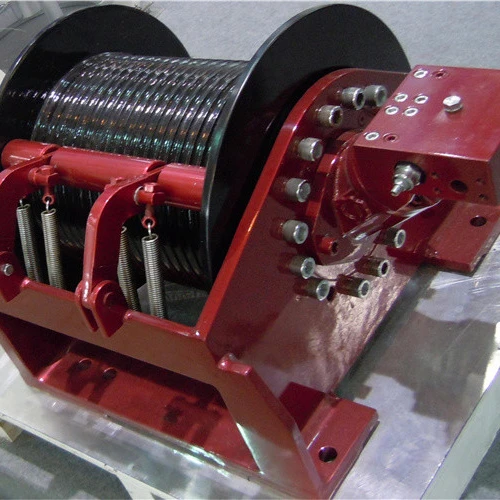
At its core, a mechanical drum winch is a device that uses a drum and a crank or motor system to wind a cable or rope, enabling heavy objects to be pulled or lifted. The “drum” is basically the spool around which the cable wraps, allowing precise control of movement.
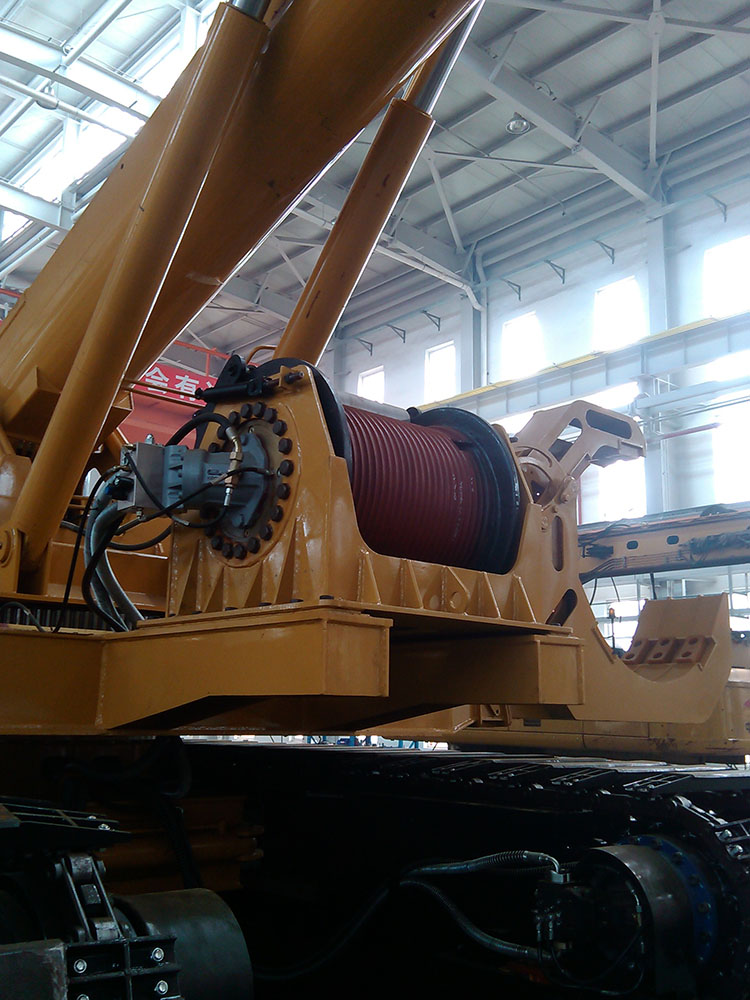
In modern industries, these winches operate as essential tools for moving cargo on ships, controlling cranes, or deploying emergency equipment—in scenarios ranging from everyday industrial operations to emergency humanitarian missions.
Key Components and Factors in Mechanical Drum Winch Design
1. Durability and Materials
Many engineers insist that materials like stainless steel and high-grade alloys form the backbone of reliable winches. Such materials resist corrosion and wear, crucial in environments like marine or construction sites where exposure is relentless.
2. Scalability and Load Capacity
Winches vary vastly—from compact units handling a few hundred kilograms to industrial giants rated for multiple tons. This scalability ensures solutions fit diverse applications, from small mechanical drum winches in workshops to massive offshore hoisting systems.
3. Cost Efficiency
One cannot ignore pricing. Mechanical drum winches offer an appealing balance of upfront cost and long-term durability, making them a smart investment as they often require less maintenance compared to electronic alternatives.
4. Control Mechanisms
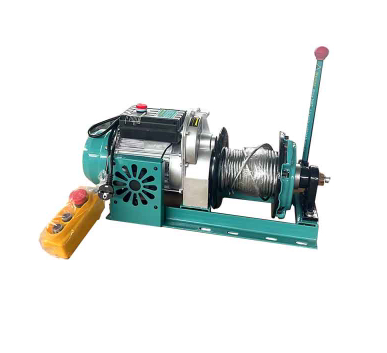
Manual vs motorized control affects usability and safety. While manual winches provide simplicity and no electrification needed, motor-driven units offer precision and reduce operator fatigue—especially important in repetitive or extended tasks.
5. Safety Features
Brakes, locking mechanisms, and overload protection are non-negotiable features ensuring operators and cargo remain safe under load. These components are often tested against international safety standards (ISO 4309 for winches, among others).
Real-World Applications: Mechanical Drum Winches in Action
From the docks of Rotterdam to the rugged terrains of humanitarian aid zones in South Asia, mechanical drum winches find diverse uses:
- Maritime Industry: Used to manage anchor chains and cargo hoisting with precise control.
- Construction Sites: Lifting building materials, especially where cranes can’t easily reach.
- Disaster Relief: In post-earthquake zones, NGOs rely on portable mechanical drum winches to clear debris or transport heavy equipment.
- Remote Industrial Zones: Mining and forestry operations deploy rugged winches to handle logs or ore where mechanized-wheel machinery isn’t feasible.
In fact, mechanical drum winch solutions have been integral in the aftermath of typhoons and earthquakes, ensuring speedy recovery and rebuilding.
Major Advantages and Lasting Value
Why do many industries still prefer mechanical drum winches despite newer technologies? Well, for starters, their reliability is unmatched. No need for complex electronics means there’s less that can break down.
- Cost-Effectiveness: Reasonable initial investment coupled with low-maintenance costs.
- Safety and Trust: Robust safety features build operator confidence and reduce accidents.
- Sustainability: Made often with recyclable steel and requiring no electricity for manual variants.
- Emotional Impact: For workers in tough environments, these winches represent a tangible aid in making difficult tasks safer and more manageable—a meaningful advancement.
Product Specifications at a Glance
| Model | Load Capacity | Drum Diameter | Control Type | Material |
|---|---|---|---|---|
| MDW-500 | 500 kg | 150 mm | Manual | Steel Alloy |
| MDW-2000M | 2,000 kg | 300 mm | Electric Motor | Stainless Steel |
Comparing Top Vendors of Mechanical Drum Winches
| Vendor | Product Range | Lead Time | Warranty | Customization |
|---|---|---|---|---|
| LBS Winch | Wide (500kg-5 ton) | 2-3 weeks | 2 Years | Yes |
| Global Winch Co. | Moderate (1-3 ton) | 4 weeks | 1 Year | Limited |
Future Trends and Innovations in Mechanical Drum Winch Technology
Like many tools of industry, the mechanical drum winch is evolving. Increasingly, manufacturers integrate IoT sensors to monitor load tension and wear in real-time—a practice that echoes the wider digital transformation of industrial equipment. Green energy also factors heavily, with solar-powered winches being trialed in off-grid regions.
Material innovation, such as lightweight composites, could eventually reduce weight without compromising strength, while automated braking systems join forces with smart tech to boost safety further. One can’t help but be a little optimistic about these advancements, though it’s important to note they’re mostly just coming online and aren’t yet widespread.
Challenges and Expert Solutions
Mechanical drum winches, despite their reliability, aren’t flawless. They require regular maintenance, careful operation, and can be limited by rope wear or environmental damage. Experts recommend routine inspections aligned with ISO 12482 (Maintenance for industrial winches) and proactive replacement of cables.
Innovation in coatings and sealed bearings helps mitigate corrosion, and training programs improve operator safety and efficiency. If anything, the main challenge often lies in matching the right winch model to the application — which calls for expert consultation.
FAQs About Mechanical Drum Winches
- Q: What factors should I consider when choosing a mechanical drum winch?
A: Consider load capacity, drum size, control type (manual or motorized), environmental conditions, and safety features to match your specific application needs. - Q: How often should I maintain my mechanical drum winch?
A: Regular inspections, ideally every 3-6 months depending on usage, focusing on cable condition, braking mechanisms, and lubrication, are essential for safe operation. - Q: Are mechanical drum winches suitable for harsh marine environments?
A: Yes, provided they are made with corrosion-resistant materials like stainless steel and are maintained appropriately to handle saltwater exposure. - Q: Can I customize a winch for special industrial needs?
A: Many vendors offer customization options for load capacity, drum size, and control features—consult your supplier to specify needs.
Conclusion: Why Mechanical Drum Winches Remain an Industry Staple
Mechanical drum winches persist for good reason — their simplicity, durability, and adaptability. They bridge the gap between technology and hands-on utility in industries critical to global economic and humanitarian efforts. If you’re interested in exploring this further or need tailored solutions, visit our website for expert guidance and high-quality products designed with real-world applications in mind.
Mini takeaway: The mechanical drum winch might seem straightforward, but its impact echoes in a thousand heavy lifts across the globe every day — a testament to trusted engineering marrying tradition with innovation.
References:
1. Wikipedia: Winch
2. ISO 4309 - Wire rope inspection
3. International Labour Organization reports on lifting equipment safety
-
The Ultimate Guide to Gear Steels for Durability and PerformanceNewsApr.16,2026
-
High Performance Gear Stainless Steel for Industrial DurabilityNewsApr.09,2026
-
Comprehensive Guide to Steel Bevel Gears Applications and SelectionNewsApr.07,2026
-
Comprehensive Guide to Durable Stainless Steel Miter Gears and ApplicationsNewsApr.04,2026
-
Comprehensive Guide to Steel Spur Gears Functionality and ApplicationsNewsMar.31,2026
-
Comprehensive Guide to Durable Stainless Steel Spur Gears and Their ApplicationsNewsMar.28,2026