Carbon Steel Drum Winch Material and Capacity Selection Guide
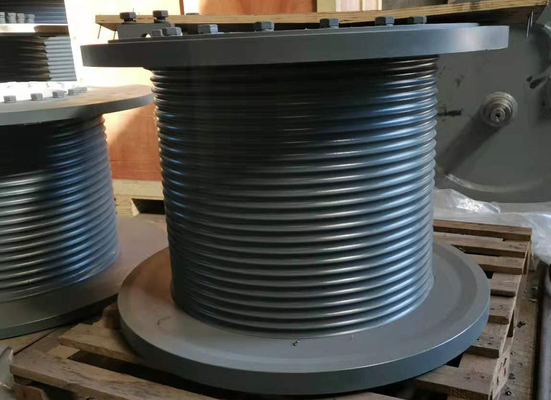
Procurement evaluation for model LBSWD-202310005 requires systematic verification of supplied baseline parameters against operational deployment requirements across designated heavy-duty sectors.
Technical specifications and material designations established by the manufacturer set the preliminary boundary for industrial acquisition workflows. Downstream engineering teams cross-reference these listed parameters before finalizing commercial agreements for Carbon steel hardware, focusing strictly on literal text matching without assuming unverified performance metrics.
Carbon Steel Material Baseline and Procurement Documentation Boundaries
Material Designation and Baseline Parameters
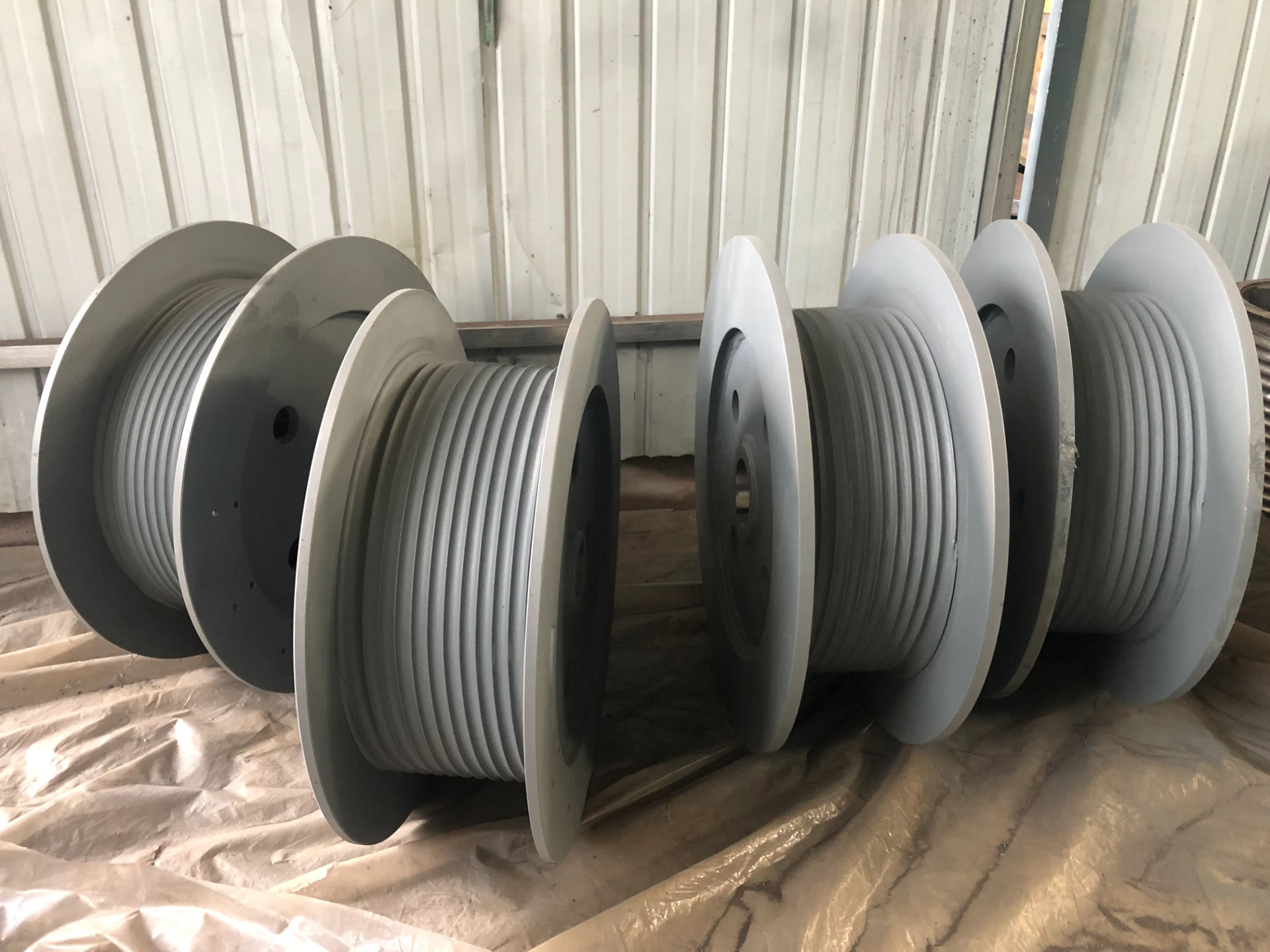
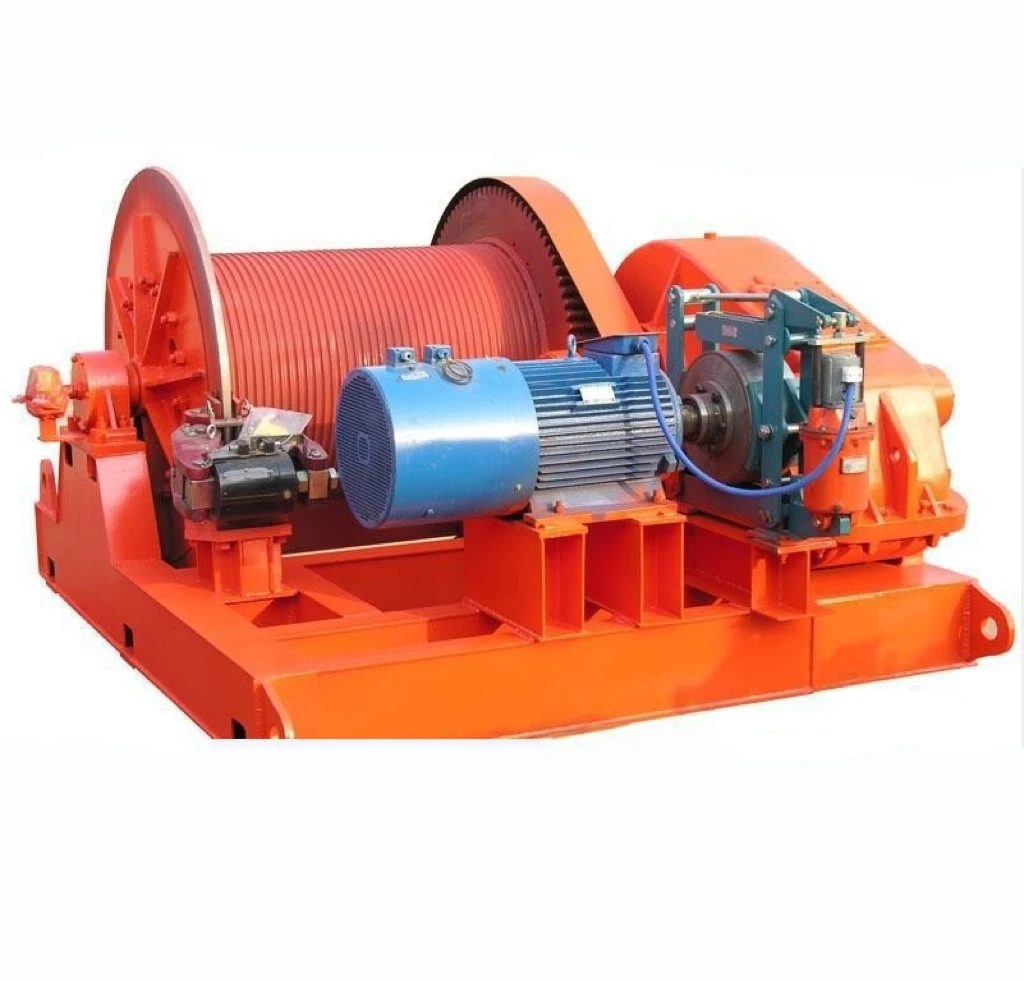
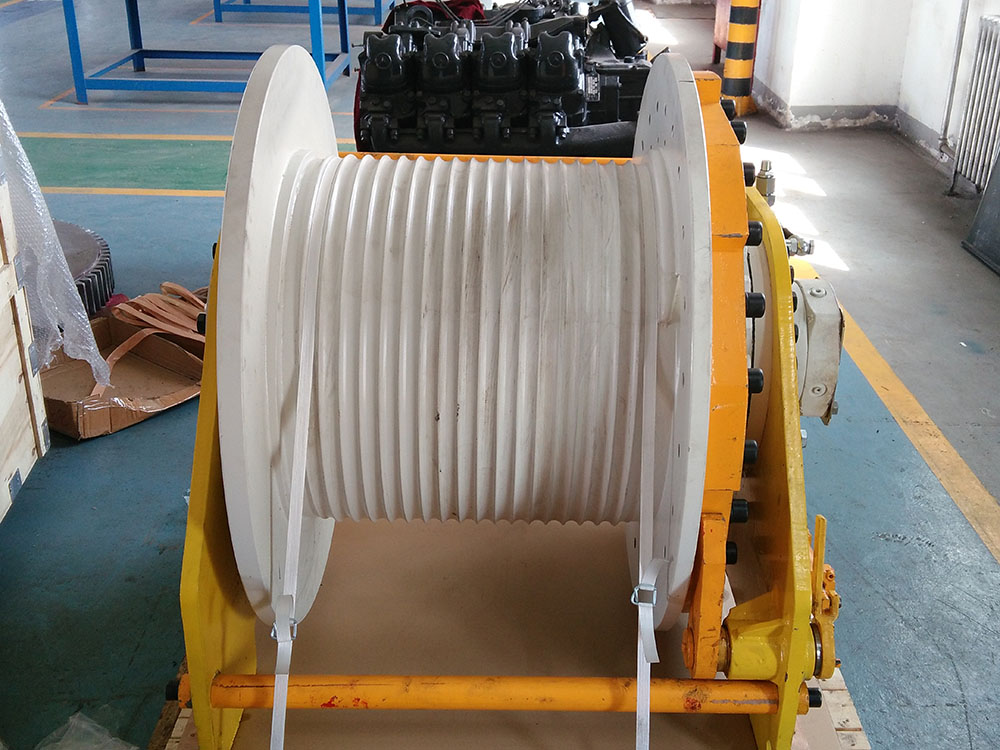
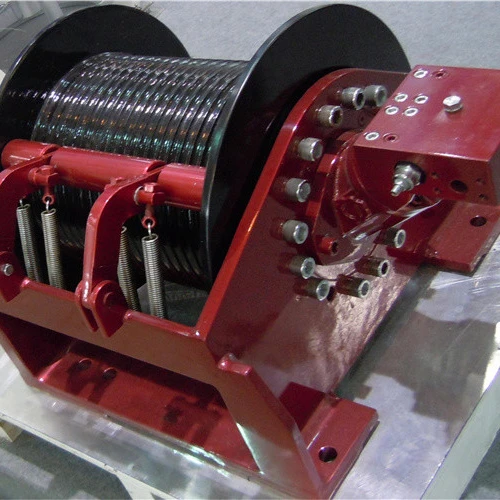
Model LBSWD-202310005 utilizes carbon steel as its designated material baseline for heavy-duty industrial acquisition workflows.
Engineering facilities inspect raw material characteristics directly through a minimum order quantity framework set at 1 pcs.
Documentation Scope and Verification Boundaries
Acquisition records for model LBSWD-202310005 list the literal presence of ISO9001 and CE certification names without implying specific regulatory compliance scopes or external testing standards.
External assumptions regarding structural longevity remain unsupported by the provided procurement records.
Operational Environment Mapping for Heavy-Duty Winch Applications
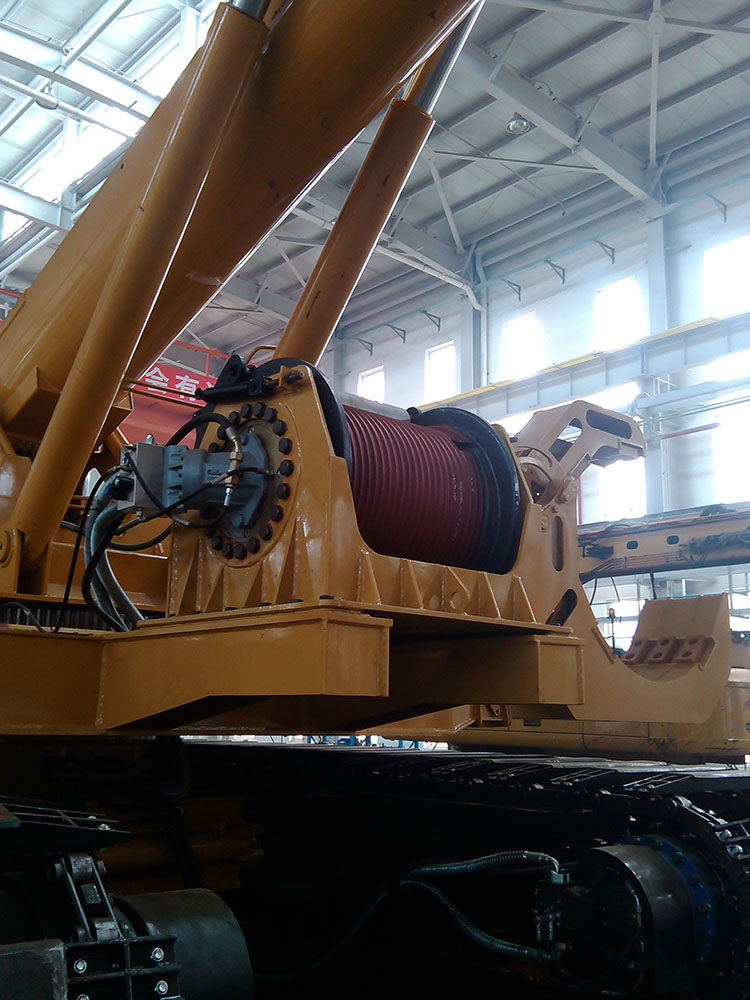
Offshore platform cranes and oil workover drilling winches correspond directly to the mapped operational contexts designated for carbon steel. Literal project requirements dictate how mechanical duty parameters align with these specified working environments.
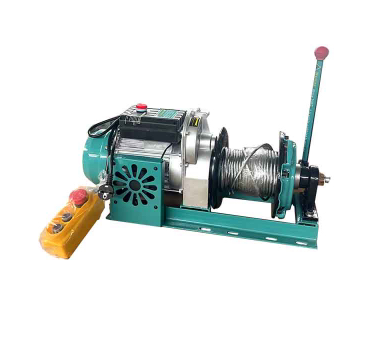
Logging rope winding equipment and wall wiping machine winches operate under specific mechanical duty cycles defined by individual project requirements. Procurement documentation lists these operational environments directly alongside helicopter motor winches and general hoisting equipment.
- Water conservancy projects and forestry operations utilize winch drums configured from carbon steel.
- Mines, wharves, civil construction sites, and project installations conducted by construction and mining companies incorporate the listed hardware.
- Factory production lines integrate the equipment under defined installation constraints.
Compatibility checks rely exclusively on matching physical deployment contexts against the provided application categories. Engineering teams verify sector parameters independently for each installation site.
Capacity Range Verification across Industrial Deployment Scenarios
Deployment Parameters for Civil Construction and Industrial Facilities
Civil construction sites and factory projects require careful evaluation of the 10-1000m capacity range to match cable spooling layouts for model LBSWD-202310005. Equipment configurations must adhere strictly to these documented limits during continuous operation.Engineering Evaluation of Mining and Wharf Operations
Mining installations and wharf infrastructures are evaluated against the literal capacity range of 10-1000m without extrapolating beyond documented thresholds.
Equipment sizing depends on matching operational cable length requirements directly to these specified limits.

MOQ and Procurement Quantity Evaluation Matrix
Order Baseline Configuration for Single Units
Purchasing frameworks are established around a rigid minimum order quantity baseline of 1 pcs for model LBSWD-202310005. Single-unit acquisition parameters govern initial evaluation workflows across diverse industrial sectors without applying multi-unit pricing thresholds.
Individual hardware requirements are processed through this discrete 1 pcs baseline. Orders placed by construction and mining entities for specific winch mechanisms follow this exact quantity parameter.
Scaling Dynamics and Quantity Verification
Construction and mining enterprises requiring individual winch hardware units must scale their acquisition records around the discrete 1 pcs baseline without assuming volume discounts. Project managers review these single-unit terms when planning specialized installations.

Purchasing quantities remain fixed at this baseline level. No automated price reduction tiers are applied to larger acquisition requests within the provided procurement documentation.
Procurement Parameter Matrix
| model | material | moq | capacity |
|---|---|---|---|
| LBSWD-202310005 | Carbon steel | 1 pcs | 10-1000m |
Commercial evaluations reference these exact numerical limits when aligning order volumes with operational project scopes. Technical teams verify that every requisition adheres strictly to the defined parameters.
Comparative Analysis of Procurement Parameters and Documentation
Comparative evaluations of model LBSWD-202310005 utilize literal white list fields to verify baseline specifications against industrial acquisition criteria.
| Data Field | Specified Baseline Value | Procurement Verification Status |
|---|---|---|
| model | LBSWD-202310005 | Exact alphanumeric match required |
| material | Carbon steel | Alloy designation verified |
| capacity | 10-1000m | Linear range checked |
| moq | 1 pcs | Single-unit baseline confirmed |
| application | Listed in technical records | Deployment context reviewed |
| certification | ISO9001/CE | Literal name listing checked |
Systematic cross-referencing connects the designated carbon steel material profile directly to the documented application sectors without assuming external technical standards or performance ratings.
Evidence Gap Identification and Information Request Checklist
Technical file reviews require literal alignment between documentation names and physical part records. Testing reports and material mill sheets are currently listed as missing items.
| Required Document | Provided Status | Verification Action |
|---|---|---|
| Testing Reports | Missing | Issue formal request |
| Material Mill Sheets | Missing | Verify raw material records |
| Specific Standards Numbers | Missing | Request corresponding standards |
Procurement engineers collect missing documentation directly through targeted inquiry fields before finalizing acquisition workflows.

Frequently Asked Questions
Acquisition records associate carbon steel hardware directly with logging rope winding equipment and wall wiping machine winches. Compatibility checks rely exclusively on matching physical deployment contexts against the provided application categories.
Water conservancy projects and forestry operations utilize winch drums configured from carbon steel, depending on site layout requirements. Mines, wharves, civil construction sites, and project installations conducted by construction and mining companies incorporate the listed hardware.
Civil construction sites and factory projects require careful evaluation of the 10-1000m capacity range to match cable spooling layouts for model LBSWD-202310005. Downstream engineering teams cross-reference these listed parameters before finalizing commercial agreements.
Acquisition records for model LBSWD-202310005 list the literal presence of ISO9001 and CE certification names without implying specific regulatory compliance scopes. External assumptions regarding structural longevity remain unsupported by the provided procurement records.
Procurement evaluation for model LBSWD-202310005 requires systematic verification of supplied baseline parameters against operational deployment requirements across designated heavy-duty sectors. The 1 pcs limit applies universally across different industrial deployment scenarios.
Conclusion
Procurement files record missing material mill sheets alongside unverified mechanical test reports. Formal communication channels are utilized to request documentation corresponding to model LBSWD-202310005.
Pending queries are organized into structured checklists before commercial evaluation concludes.
| Information Category | Status | Required Action |
|---|---|---|
| Material Grade Sheets | Pending | Request supplier documentation |
| Capacity Range | 10-1000m | Match against operational site |
| Order Quantity | 1 pcs | Confirm baseline unit terms |
| Certification Names | ISO9001/CE listed | Review available records |
Verification remains bound strictly to the listed carbon steel parameters and capacity thresholds.