Anchor Winch Hydraulic Service: Ensuring Safety and Efficiency in Maritime Operations
Anchor Winch Hydraulic Service: Essential Insights for Modern Maritime Operations
Understanding anchor winch hydraulic service might sound niche, but it’s a crucial piece of the maritime and offshore industrial puzzle worldwide. Why does it matter? Well, this service underpins safe vessel anchorage, especially in unpredictable seas and operational conditions. From commercial shipping giants to offshore oil rigs, ensuring that anchor winches operate smoothly and reliably benefits global trade, safety, and environmental stewardship.
Introduction: Why Anchor Winch Hydraulic Service Is a Global Priority
The anchor winch system, powered hydraulically, is one of the most demanding and high-stakes components on vessels and offshore platforms. According to the International Maritime Organization (IMO), nearly 90,000 merchant ships ply global waters, and each requires dependable anchoring to prevent accidents or environmental damage. Hydraulic systems, favored over mechanical ones for their power and control, require specialist service to keep ships secure—especially when harsh weather or challenging seabeds come into play.
Oddly enough, many vessels underestimate maintenance needs, leading to costly downtime or worse, failure during critical moments. This risk makes regular anchor winch hydraulic service not just a technical detail but a cornerstone of maritime safety and operational excellence.
What Does Anchor Winch Hydraulic Service Actually Mean?
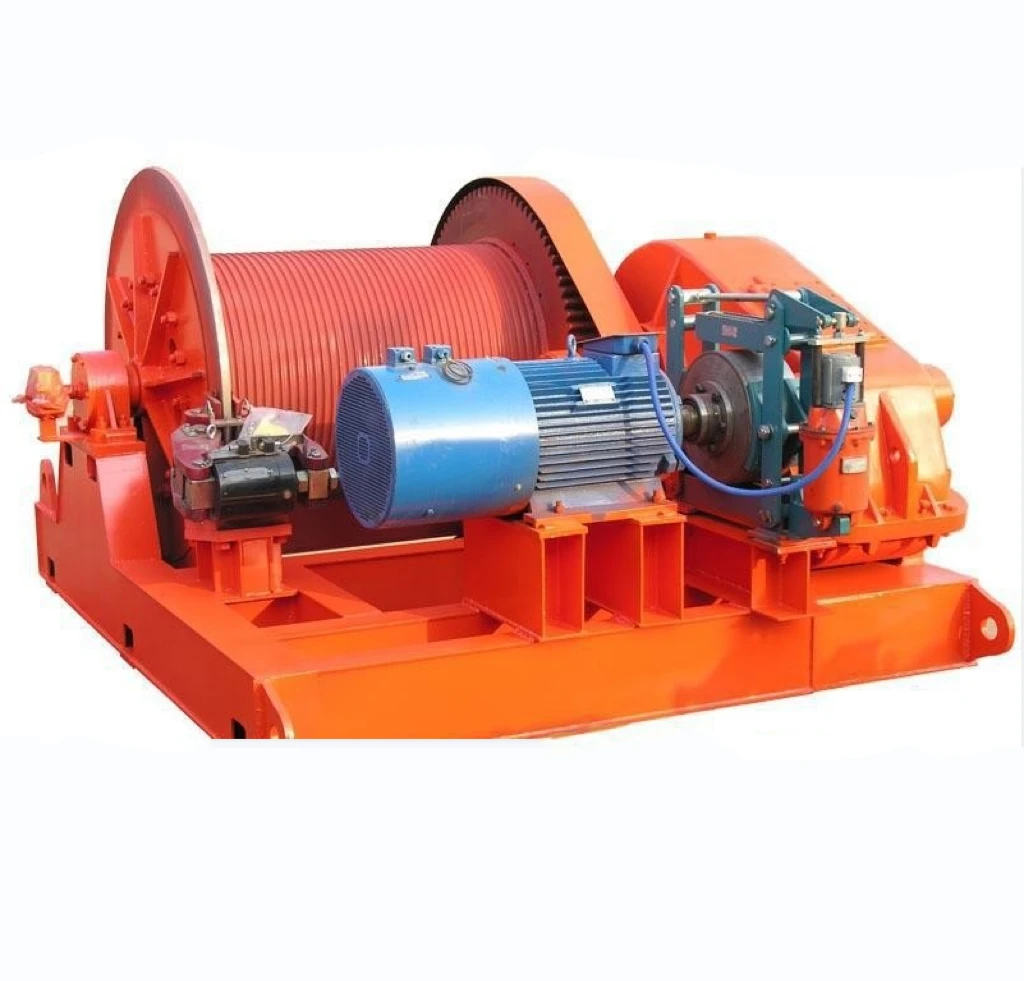
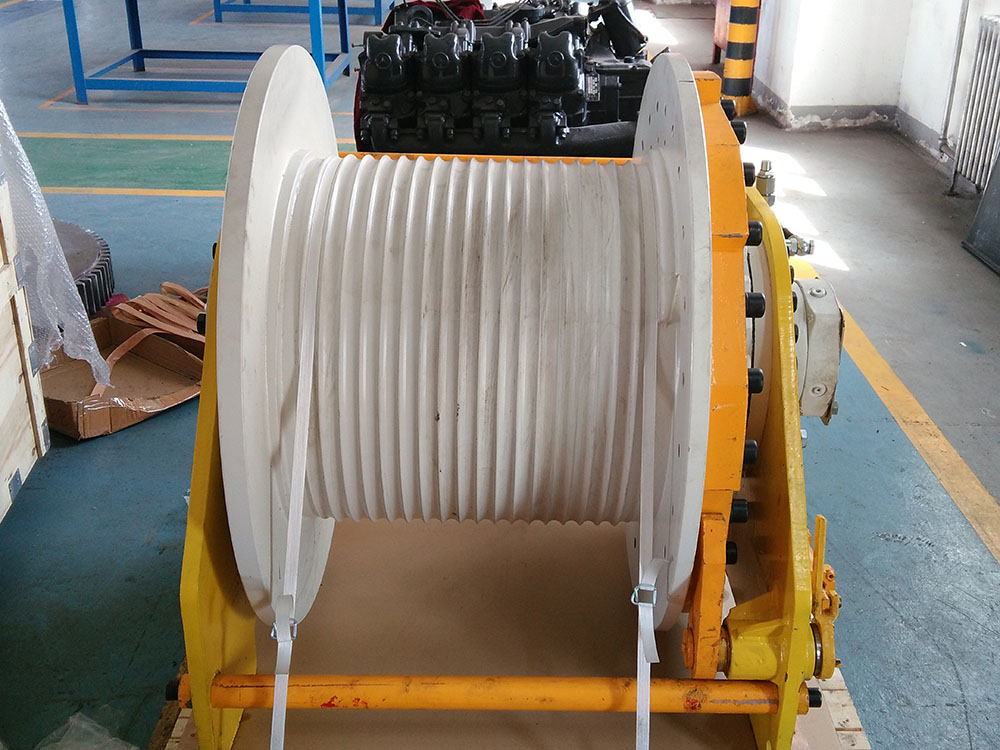
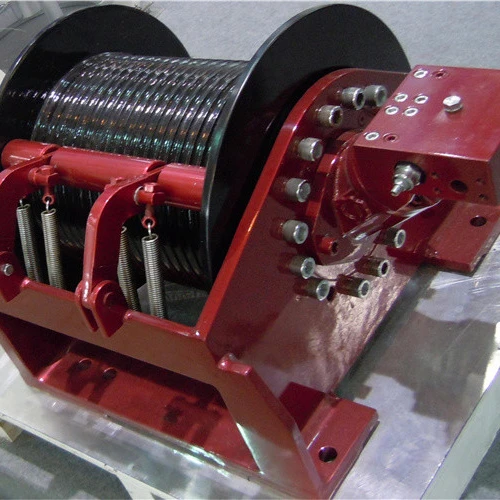
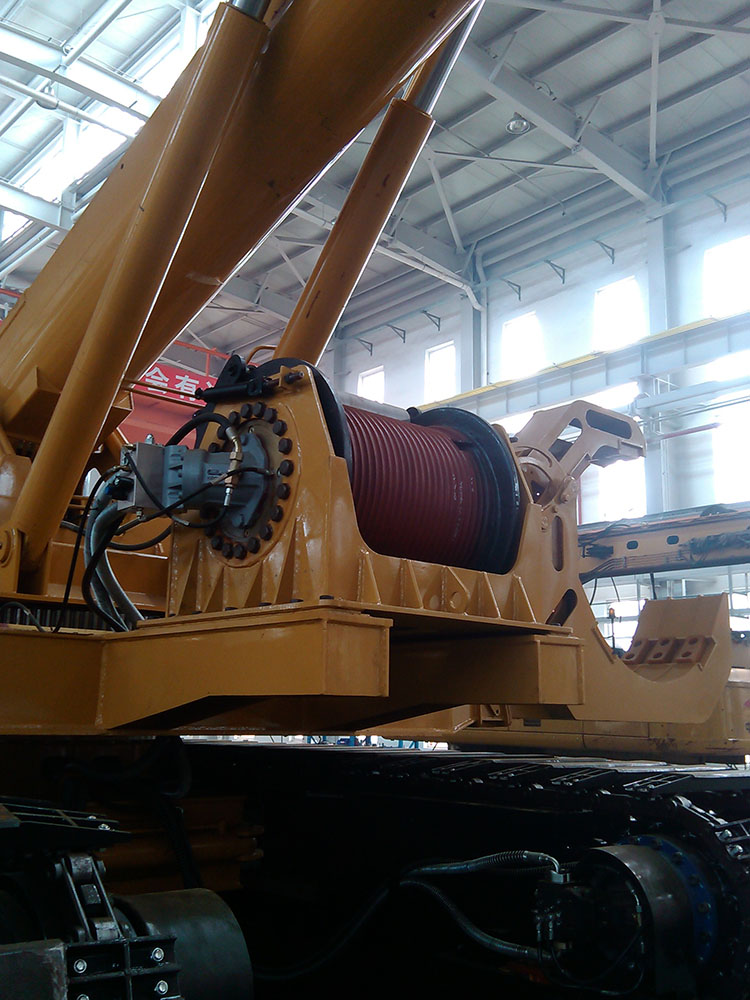
At its core, anchor winch hydraulic service involves inspecting, maintaining, and repairing the hydraulic mechanisms that control vessel anchors. These systems use pressurized oil to generate immense force, smoothly raising or lowering anchors despite huge weights and ocean forces. It aligns modern marine technology with practical needs — think of it as the vital muscle behind the anchor’s “grip” on the sea floor.
The service ensures hydraulic pumps, valves, seals, hoses, and motors work harmoniously to avoid leaks, pressure drops, or mechanical failures. In industries like shipping, offshore drilling, or even humanitarian maritime aid, this reliability is indispensable.
Core Components and Key Factors of Anchor Winch Hydraulic Service
1. Durability and Wear Resistance
The marine environment is tough – saltwater, fluctuating pressures, and temperature swings constantly batter hydraulic parts. Service must focus on corrosion protection and wear monitoring to extend equipment lifespan.
2. Precision and Control
Hydraulics deliver smooth operation, but only if components like servo valves and actuators are finely tuned during service cycles. Precision translates to safer anchoring and minimal anchor drag.
3. Cost Efficiency
Regular servicing reduces emergency downtime and extends part life. Preventive care avoids expensive replacements or accidents, proving financially prudent over time.
4. Safety Compliance
Updated servicing protocols ensure compliance with standards such as ISO 13628-2 (offshore cranes) and IMO safety codes, essential for insurance and legal approvals.
5. Scalability
Services often must adapt to different vessel sizes—from small supply ships to massive container vessels—requiring flexible maintenance approaches and spare parts availability.
Anchor Winch Hydraulic Service Product Specifications
| Specification | Details |
|---|---|
| Hydraulic Pressure Range | 1500 - 3500 psi |
| Pump Flow Rate | 30 - 100 l/min |
| Fluid Type | Marine-grade hydraulic oil (ISO 68/100) |
| Seal Material | Nitrile or Viton (for saltwater resistance) |
| Service Interval | Every 2000 operational hours or annually |
Global Applications & Real-World Use Cases
Anchor winch hydraulic service isn’t just a back-office job; it matters in real places and real scenarios. Take the North Sea oil rigs, for example: brutal weather demands extremely reliable anchor systems to keep platforms stable. Or consider rescue vessels in the Pacific, where quick, dependable deployment of anchors can make life-or-death differences.
Regions like Southeast Asia and the Mediterranean rely heavily on shipping lanes that often see volatile weather, increasing the cruciality of top-notch maintenance.
anchor winch hydraulic service is often a hidden hero behind smooth maritime logistics chains that connect continents.
Vendor Comparison: Anchor Winch Hydraulic Service Providers
| Provider | Coverage | Service Speed | Specialization | Warranty |
|---|---|---|---|---|
| LBS Winches | Global (20+ countries) | 48 hours | Marine & Offshore Hydraulics | 12 months |
| OceanEquip Services | Asia-Pacific focus | 72 hours | Winch Systems & Hydraulics | 9 months |
| MarineHyd Tech | Europe & Middle East | 24 hours | Hydraulic Repair & Testing | 18 months |
Advantages & Long-Term Value of Quality Service
Reliable anchor winch hydraulic service is one of those investments that delivers peace of mind. Beyond the practical benefits — like cost savings through reduced wear and emergency repairs — it strengthens safety cultures aboard vessels and offshore sites. There’s something quietly reassuring about knowing your anchor can hold firm even if the sea turns chaotic.
Socially, well-maintained equipment supports crew safety and confidence, preserves marine ecosystems by preventing anchor drag damage, and promotes operational efficiency — a win for sustainability and business alike.
Future Trends & Innovations in Anchor Winch Hydraulic Service
We’re seeing interesting shifts, frankly. Smart diagnostic tools powered by IoT sensors are now being integrated into hydraulic winch systems to predict failures before they happen. Digital twins and remote monitoring can reduce the need for physical inspections, especially in hard-to-reach offshore locations.
Green energy pushes also influence service by encouraging the use of eco-friendly hydraulic fluids and energy-efficient pumps. It’s not just tradition anymore; future maintenance will have to align with tighter environmental regulations (such as IMO’s greenhouse gas reduction targets).
Challenges & Solutions
Common challenges include harsh marine corrosion and difficulties in keeping downtime minimal. Parts availability in remote seas can also be a bottleneck. But, innovative modular designs and global service networks (like those provided by anchor winch hydraulic service companies) help mitigate these issues.
Some engineers advocate predictive maintenance, relying on data analytics to schedule service optimally — it feels like a smarter, less reactive approach than the “fix-it-when-broken” mindset.
FAQs About Anchor Winch Hydraulic Service
- Q: How often should anchor winch hydraulic systems be serviced?
Typically, every 2000 operational hours or once per year is recommended to catch wear early, but actual intervals depend on vessel use and environment. - Q: Can anchor winch hydraulic systems be retrofit with newer technologies?
Yes, many providers offer upgrades including IoT sensors and modern seals to improve performance and monitoring. - Q: What are common signs that hydraulic service is overdue?
Slow anchor deployment, fluid leaks, temperature rises, or unusual noises usually indicate the need for inspection. - Q: Is the service standardized worldwide?
Generally yes, thanks to international standards like ISO 13628-2 and IMO regulations, but local compliance rules may add nuances.
Conclusion
In real terms, reliable anchor winch hydraulic service saves lives, preserves equipment, and promotes trust in global maritime operations. Whether you captain a cargo ship, operate an offshore station, or coordinate maritime relief, understanding and investing in this specialized maintenance pays off for safety and economics alike.
Curious to explore tailored service options? Visit our trusted partner for comprehensive solutions: https://www.lbswinch.com.
Thanks for reading! It’s kind of remarkable how something so technical quietly anchors the vast world of shipping and offshore industry — literally.
References:
-
The Ultimate Guide to Gear Steels for Durability and PerformanceNewsApr.16,2026
-
High Performance Gear Stainless Steel for Industrial DurabilityNewsApr.09,2026
-
Comprehensive Guide to Steel Bevel Gears Applications and SelectionNewsApr.07,2026
-
Comprehensive Guide to Durable Stainless Steel Miter Gears and ApplicationsNewsApr.04,2026
-
Comprehensive Guide to Steel Spur Gears Functionality and ApplicationsNewsMar.31,2026
-
Comprehensive Guide to Durable Stainless Steel Spur Gears and Their ApplicationsNewsMar.28,2026