3000 lb Electric Winch: Guide & Top Vendors
Jan . 25, 2026 02:15
Back to list
Understanding the Power of a 3000 lb Electric Winch
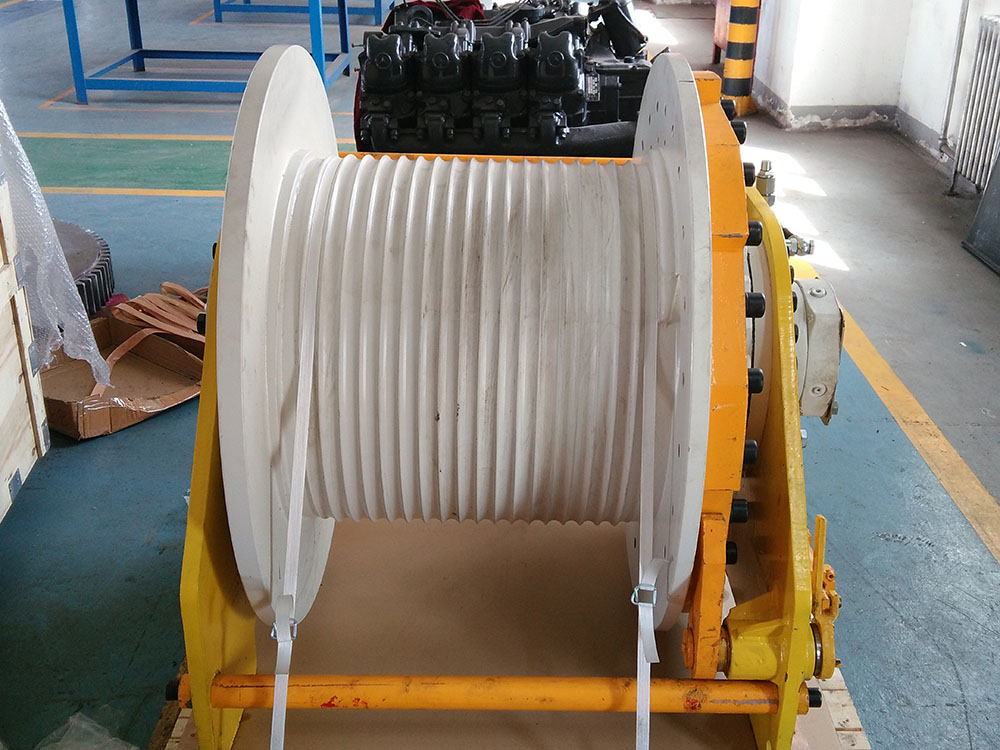
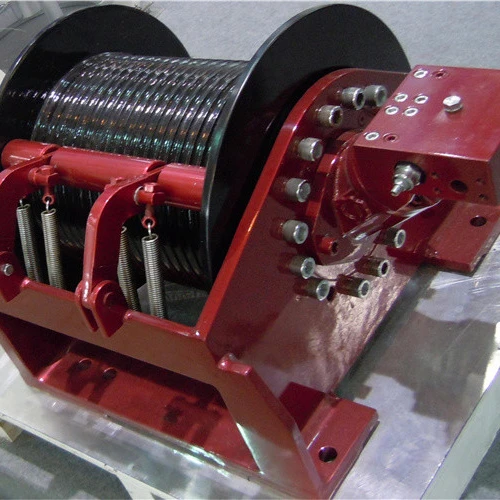
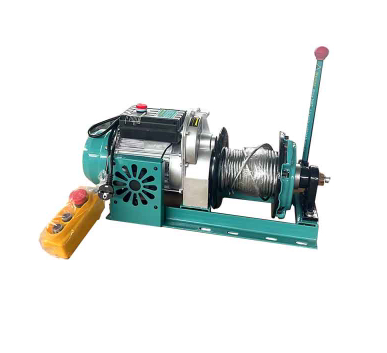
Look, I’ve been around industrial equipment for… well, a long time. And you know, there’s a certain satisfaction in seeing a really good winch at work. Not just getting the job done, but doing it reliably, safely. There's a lot of talk about automation and 'smart' systems, but a solid, well-engineered winch is still fundamentally crucial for so much heavy lifting. Especially the 3000 lb class – it hits that sweet spot for a lot of applications, from utility work to marine use and even some specialized fabrication. We're seeing more demand for electric models, frankly because companies are pushing for cleaner operations and lower maintenance. It’s a shift, and a good one, I think.Key Specifications & Design Considerations
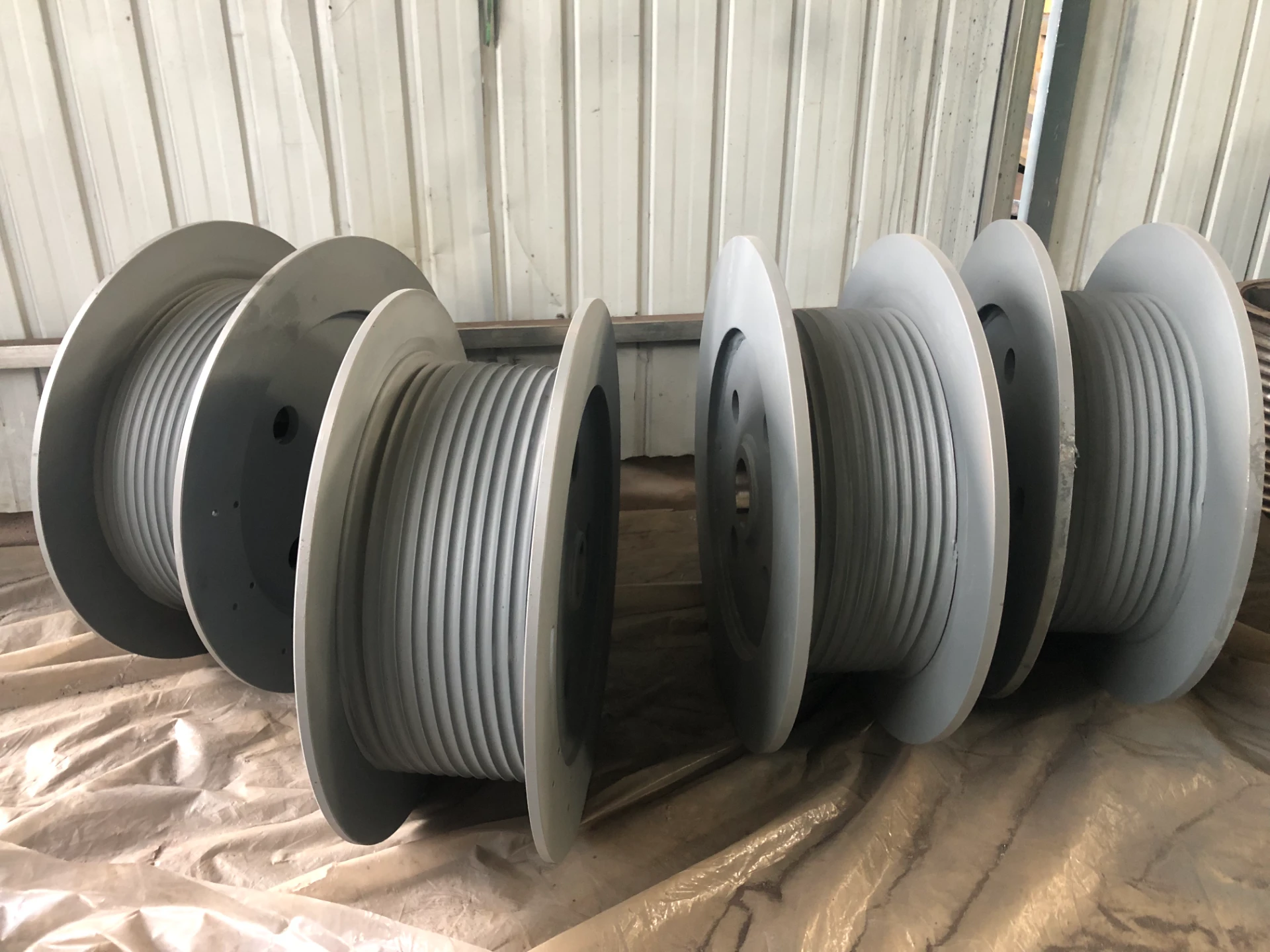
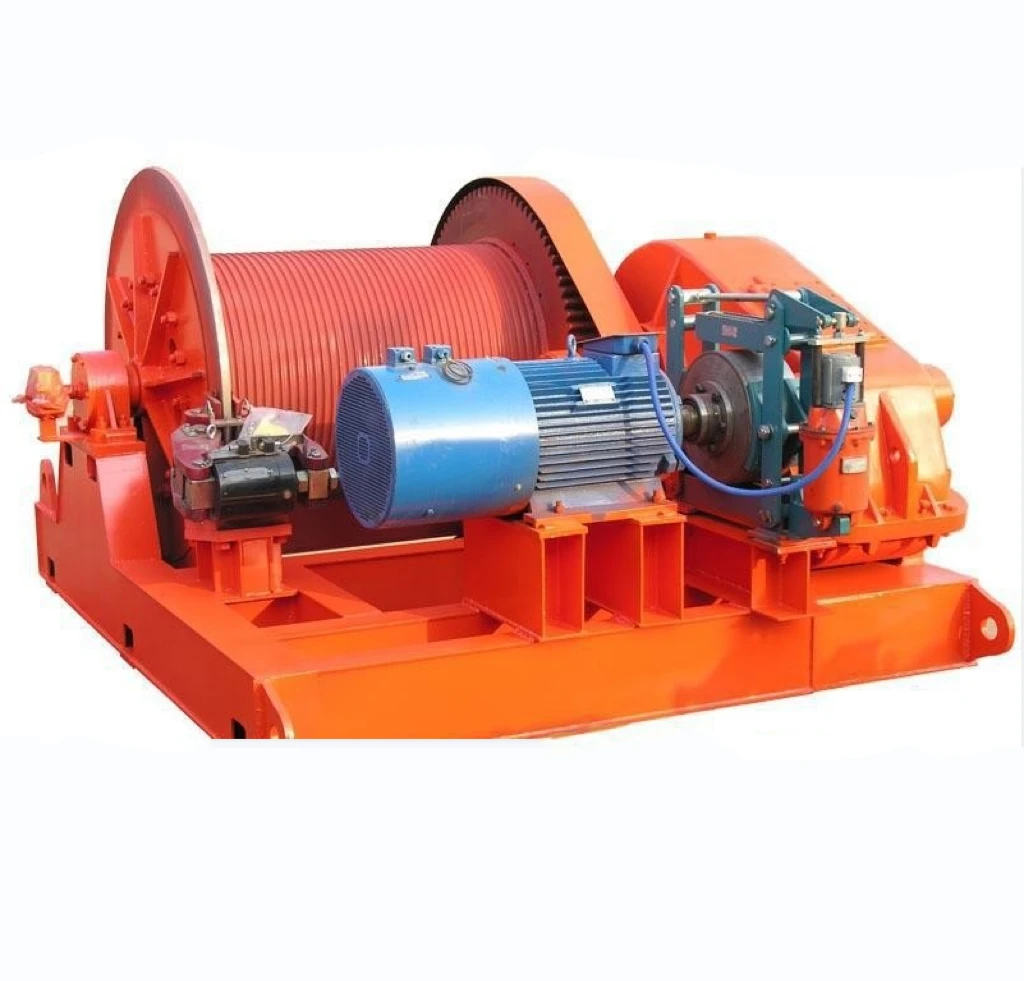
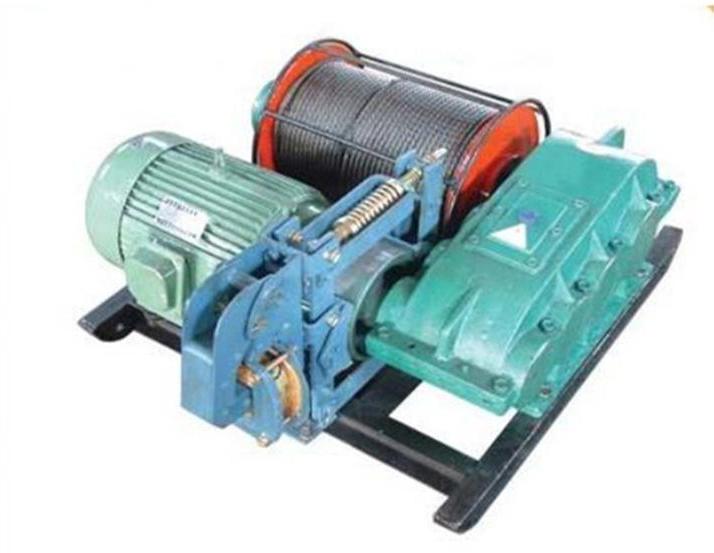
What makes a 3000 lb electric winch stand out? It’s more than just the lifting capacity. Material selection is huge. You’re looking at high-strength steel for the drum and gears, and frankly, the quality of the motor is paramount. Many cheaper winches use motors that just aren’t built to handle consistent, heavy loads. I've noticed a lot of engineers prioritize sealed designs – keeping out dust, water, and corrosion is vital, especially in outdoor environments. The rope or cable material is also important – synthetic ropes are becoming more popular for their weight and strength, but steel cable still has its place, you know, for certain specialized applications where abrasion resistance is key. Here's a breakdown of specs on a typical model we handle at LBS Winch:| Parameter | Value | Notes |
|---|---|---|
| Lifting Capacity | 3000 lbs (1361 kg) | Single Line |
| Motor Power | 1.5 kW | 230V/460V options |
| Rope/Cable | Synthetic Rope / Steel Cable | Custom lengths available |
| Gear Ratio | 200:1 | For controlled lifting |
Vendor Landscape & Choosing the Right Winch
Now, there are a lot of players in this space. It can be tricky to sort through them all. Honestly, price isn't everything. You really need to look at build quality, warranty support, and frankly, the vendor's reputation. I’ve seen too many operations get stuck with a cheap winch that fails prematurely, causing downtime and headaches. Here’s a quick comparison of a few prominent vendors – this is a general overview, of course, and things can change:| Vendor | Price Range | Build Quality | Warranty |
|---|---|---|---|
| LBS Winch | $800 - $1500 | Excellent | 2 Year |
| Brand A | $600 - $1000 | Good | 1 Year |
| Brand B | $400 - $800 | Fair | 90 Days |
Conclusion: Investing in Reliability
Ultimately, choosing a 3000 lb electric winch isn't just about lifting weight; it’s about investing in peace of mind. Don't underestimate the value of a well-built, reliable machine. It’s a tool that can save you time, money, and a lot of frustration in the long run.References
References:
- Industry durability reports, HKaiseal 2023
- Maintenance strategies for conveyor equipment, Journal of Manufacturing 2022
- Personal project insights & engineer interviews 2018–2023
Latest news
-
The Ultimate Guide to Gear Steels for Durability and PerformanceNewsApr.16,2026
-
High Performance Gear Stainless Steel for Industrial DurabilityNewsApr.09,2026
-
Comprehensive Guide to Steel Bevel Gears Applications and SelectionNewsApr.07,2026
-
Comprehensive Guide to Durable Stainless Steel Miter Gears and ApplicationsNewsApr.04,2026
-
Comprehensive Guide to Steel Spur Gears Functionality and ApplicationsNewsMar.31,2026
-
Comprehensive Guide to Durable Stainless Steel Spur Gears and Their ApplicationsNewsMar.28,2026