Understanding Steel Gears A Comprehensive Guide to Types and Applications
Understanding Steel Gears: A Comprehensive Guide
Steel gears are fundamental components in numerous industrial applications, from heavy machinery to precision instruments. Their robustness, durability, and ability to transmit power efficiently make them indispensable. This article provides an in-depth look at steel gears, covering their types, materials, manufacturing processes, and applications. Whether you're an engineer, a procurement specialist, or simply curious about these essential mechanical elements, this guide will offer valuable insights. For a wide selection of high-quality gears and winch solutions, explore LBS Winch.
Types of Steel Gears
Steel gears come in various types, each suited for specific applications. The most common types include spur gears, helical gears, bevel gears, worm gears, and rack and pinion gears. Spur gears are the simplest and most common, ideal for transmitting power between parallel shafts. Helical gears offer smoother operation and can handle higher loads due to their angled teeth. Bevel gears are used to transmit power between intersecting shafts, commonly found in differentials. Worm gears provide high gear ratios and are often used in applications requiring precise positioning. Finally, rack and pinion gears convert rotational motion into linear motion, widely used in steering systems and actuators. Understanding the nuances of each type is crucial for selecting the optimal gear for a particular task.
Key Takeaway: Choosing the right gear type is essential for maximizing efficiency, minimizing noise, and ensuring the longevity of your machinery.
Materials Used in Steel Gear Manufacturing
While the term "steel gear" is common, various steel alloys are employed depending on the application's demands. Carbon steel is a cost-effective option for less demanding applications. Alloy steel, containing elements like manganese, nickel, and chromium, offers increased strength, toughness, and wear resistance. Stainless steel provides excellent corrosion resistance, making it ideal for harsh environments. The heat treatment process—including hardening, tempering, and case hardening—significantly influences the final properties of the steel gear. The selection of the appropriate steel alloy is a critical factor in determining the gear's performance and lifespan. At LBS Winch, we use only the highest-grade steel alloys to ensure the durability of our products.
Steel Alloy Comparison:
• Carbon Steel: Cost-effective, good machinability, lower strength.
• Alloy Steel: High strength, toughness, and wear resistance.
• Stainless Steel: Excellent corrosion resistance.
Steel Gear Manufacturing Processes
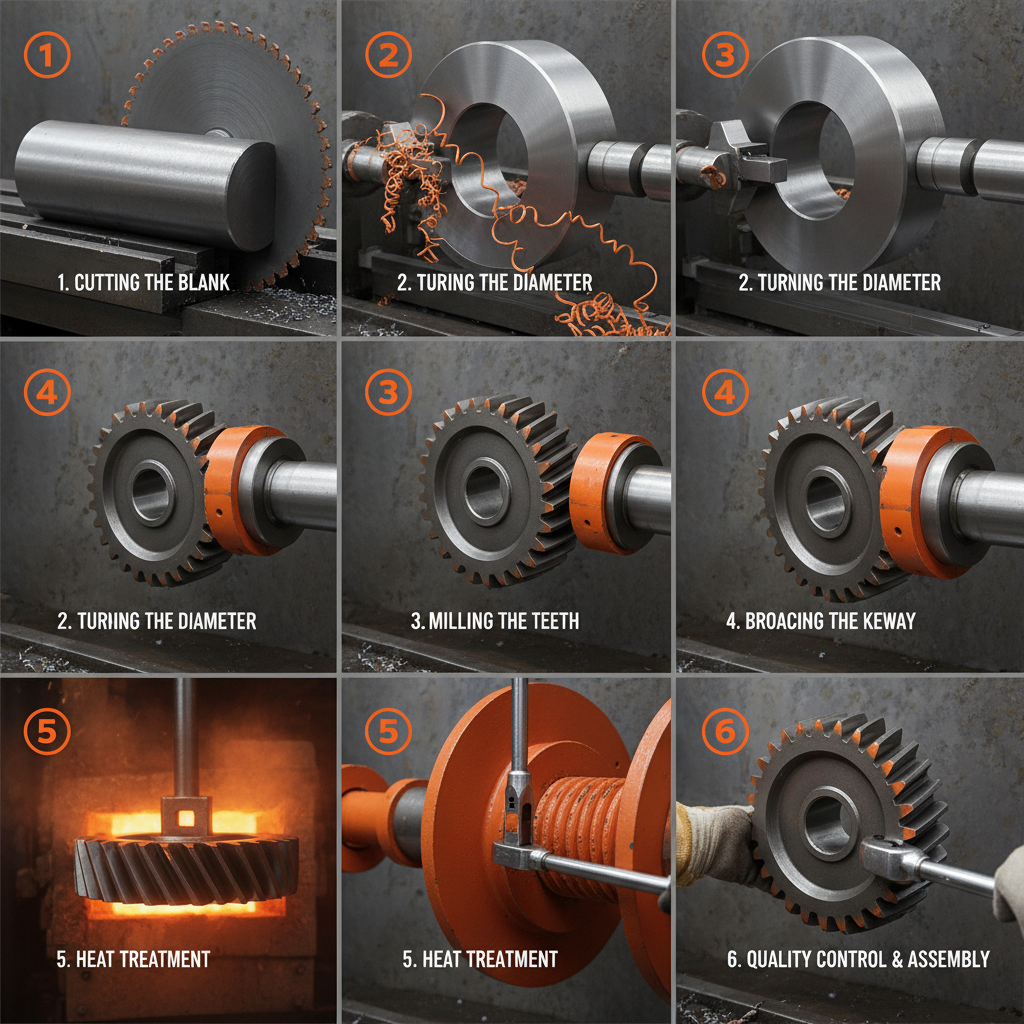
Several manufacturing processes are used to create steel gears. Machining, including milling, shaping, and hobbing, is a common method, particularly for smaller production runs. Powder metallurgy offers a cost-effective solution for complex gear shapes. Forging provides high strength and durability, ideal for heavy-duty applications. Investment casting allows for intricate designs and precise tolerances. Each method has its advantages and disadvantages regarding cost, accuracy, and material properties. The choice of manufacturing process depends on the gear's specifications and the desired production volume.
Applications of Steel Gears
Steel gears find applications in a vast array of industries. The automotive industry relies heavily on gears for transmissions, differentials, and steering systems. Manufacturing utilizes gears in conveyor systems, robotic arms, and machine tools. Aerospace applications demand high-precision gears for aircraft engines and control systems. Renewable energy sectors employ gears in wind turbines and hydroelectric generators. Even everyday appliances, such as clocks and washing machines, incorporate steel gears. Their versatility and ability to reliably transmit power make them essential components in modern technology. LBS Winch provides robust gear solutions for demanding winch applications.
Optimizing Steel Gear Performance and Maintenance
To ensure optimal performance and longevity, proper lubrication is critical. Selecting the correct lubricant, based on the gear type and operating conditions, minimizes friction and wear. Regular inspection for wear, damage, and proper alignment is also essential. Early detection of issues can prevent catastrophic failures. Consider implementing a preventative maintenance schedule to address potential problems before they escalate. Proper storage is also crucial; protect gears from moisture and corrosive elements. At LBS Winch, we provide guidance on gear maintenance to help our customers maximize the lifespan of their equipment.
Conclusion: The Indispensable Steel Gear
The steel gear remains a cornerstone of modern mechanical engineering. From its diverse types and materials to its crucial role in countless applications, understanding its intricacies is paramount for professionals across various industries. By prioritizing quality materials, appropriate manufacturing processes, and proactive maintenance, you can harness the full potential of this essential component. For reliable steel gear solutions and winch expertise, explore LBS Winch.
Frequently Asked Questions (FAQs)
What is the optimal lubrication for steel gears?
The ideal lubricant depends on the gear type, load, speed, and operating temperature. Generally, synthetic gear oils provide superior performance and protection compared to mineral oils, especially in demanding applications. Extreme-pressure (EP) additives are essential for high-load conditions. Greases are suitable for slower speeds and intermittent operation. Consult lubricant manufacturers' specifications and gear recommendations to ensure compatibility and optimal performance. Proper lubrication minimizes friction, reduces wear, and extends gear life.
How do I identify signs of wear in steel gears?
Common signs of wear include pitting, spalling, scoring, and rounding of gear teeth. Increased noise levels during operation, excessive heat, and reduced efficiency are also indicators of wear. Visual inspection for cracks or deformation is crucial. Regularly monitoring oil debris can provide early warning signs of gear deterioration. Addressing wear promptly prevents catastrophic failures and ensures continued operation.
What are the benefits of using helical gears over spur gears?
Helical gears offer several advantages over spur gears. They operate more smoothly and quietly due to their angled teeth, which engage gradually. This results in reduced vibration and noise. Helical gears can also handle higher loads because the load is distributed over a larger contact area. However, they generate axial thrust, requiring thrust bearings to compensate. Spur gears are simpler and more cost-effective for lower-load applications.
What safety precautions should be taken when working with steel gears?
Always wear appropriate personal protective equipment (PPE), including safety glasses, gloves, and hearing protection. Ensure machinery is properly guarded and locked out/tagged out before performing any maintenance or repairs. Avoid contact with moving gears. Use appropriate lifting equipment when handling heavy gears. Follow all safety guidelines and procedures established by your organization.
-
The Ultimate Guide to Gear Steels for Durability and PerformanceNewsApr.16,2026
-
High Performance Gear Stainless Steel for Industrial DurabilityNewsApr.09,2026
-
Comprehensive Guide to Steel Bevel Gears Applications and SelectionNewsApr.07,2026
-
Comprehensive Guide to Durable Stainless Steel Miter Gears and ApplicationsNewsApr.04,2026
-
Comprehensive Guide to Steel Spur Gears Functionality and ApplicationsNewsMar.31,2026
-
Comprehensive Guide to Durable Stainless Steel Spur Gears and Their ApplicationsNewsMar.28,2026