Ultimate Guide to Hydraulic Winch 4x4: Power, Precision & Performance for Off-Road Vehicles
Hydraulic Winch 4x4: Powering Tough Terrain Operations Worldwide
If you’ve ever watched an off-road recovery or seen construction machinery wrestle with heavy loads on uneven ground, chances are a hydraulic winch 4x4 was quietly powering the operation. These machines are more than just tools — they’re a crucial link in the chain of rugged, reliable performance across industries and challenging environments worldwide.
Why does this matter globally, you ask? Well, hydraulic winches engineered for 4x4 vehicles or off-road setups are key to enhancing safety, efficiency, and accessibility, particularly in remote or disaster-prone regions. Their unique ability to deliver controlled, high-torque pulling power even in the most adverse conditions makes them indispensable for rescue operations, infrastructure development, and even humanitarian missions.
Understanding what drives the hydraulic winch 4x4 market — from core engineering principles to practical applications — unlocks insights into a niche that quietly fuels so much heavy-lifting progress.
The Global Footprint of Hydraulic Winches for 4x4s: An Industry Perspective
Did you know the global off-road vehicle market, which forms the primary platform for hydraulic winch 4x4 deployment, is expected to grow at a 6-7% Compound Annual Growth Rate through 2030 (source: Statista)? This is not just about fun weekend drivers taking the scenic route. The rise of industries like oil & gas, mining, forestry, and disaster relief is pushing demand for rugged equipment that includes winches designed to handle steep gradients, mud, and unpredictable terrain.
However, despite their booming relevance, one pressing issue remains: how do you create a hydraulic winch that’s not just powerful but reliable, easily maintained, and adaptable to various 4x4 chassis and environments? The market answers by focusing on innovation in materials and system design.
Mini Takeaway:
- Hydraulic winch 4x4 units are globally relevant for industrial, emergency, and recreational purposes.
- Growth ties strongly to expanding industries that operate off the beaten path.
- Challenges focus on balancing power, durability, and maintenance ease.
What Exactly Is a Hydraulic Winch 4x4?
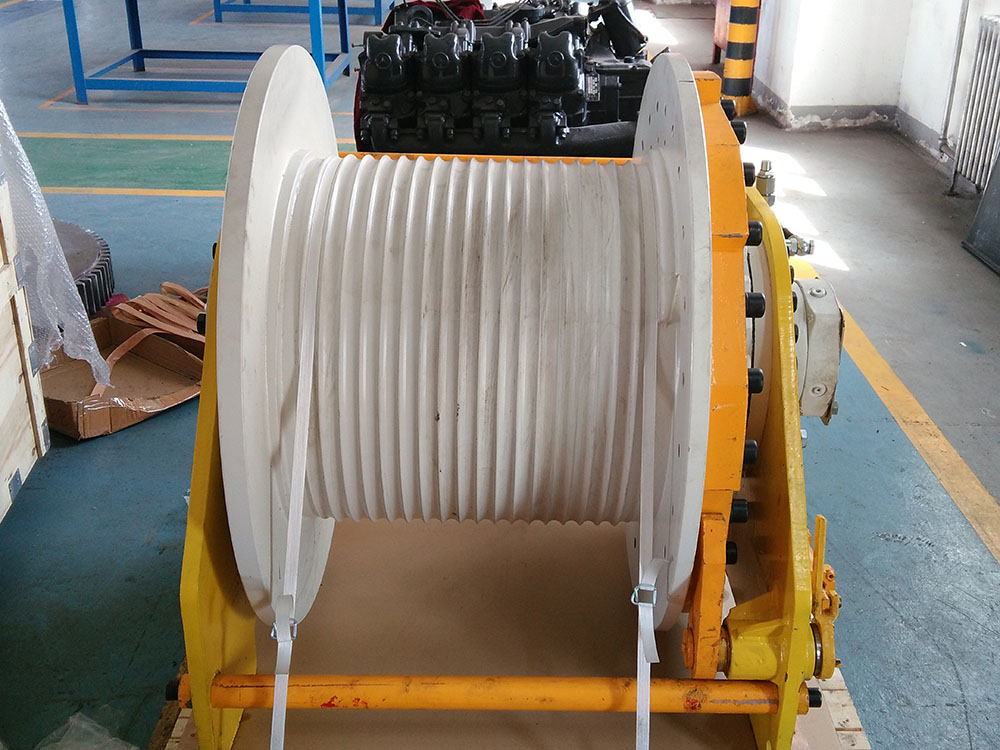
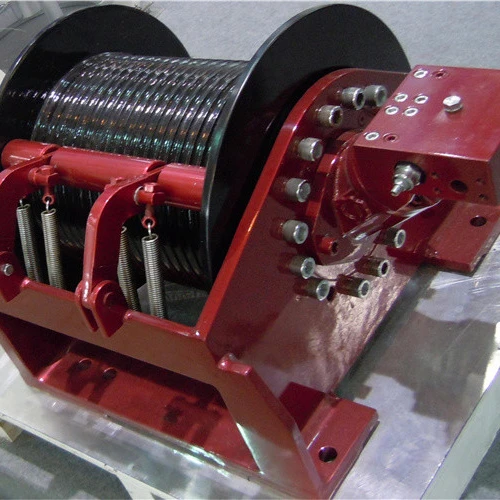
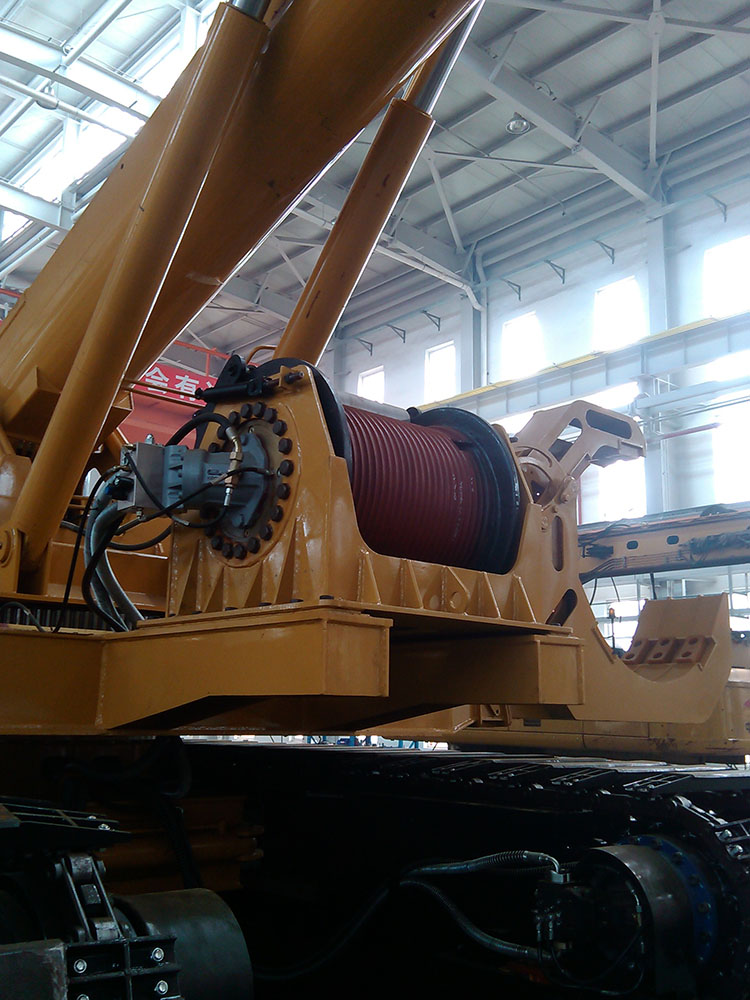
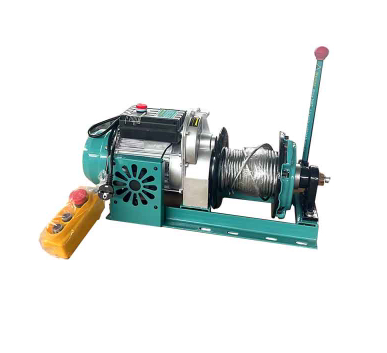
Let’s get down to basics. A hydraulic winch 4x4 is essentially a winching mechanism powered by hydraulic fluid pressure, specifically designed or adapted for 4-wheel drive (4x4) vehicles. Unlike electric or mechanical winches, hydraulic models capitalize on the vehicle’s existing hydraulic system, often found in off-road trucks or specialized machines.
This connection means better torque delivery without taxing the vehicle’s electrical system. Plus, with minimal electrical components, hydraulic winches shine in harsh environments where water, dust, or extreme temperatures would cripple other types.
Think about emergency responders using a 4x4 with a hydraulic winch to pull trapped vehicles in flood zones, or engineers deploying them in off-grid mining operations — their ability to function reliably when the going gets tough is unmatched.
Key Factors Behind Hydraulic Winches Designed for 4x4s
1. Durability and Material Quality
Hydraulic winches often incorporate high-grade steel drums, corrosion-resistant coatings, and sealed hydraulic motors to withstand rough handling and weather extremes. This ensures years of reliable use even when routinely exposed to mud, saltwater, or abrasive debris.
2. Power and Torque Output
Torque matters above all when pulling heavy loads. Hydraulic winches for 4x4s often deliver impressive pulling capacities ranging from around 4,000 lbs to beyond 15,000 lbs. Designers calibrate this to match the expected use case — from light off-road recovery to industrial cable handling.
3. Compact and Adaptable Installation
4x4 vehicles vary widely in size and configuration. That’s why many hydraulic winches come in modular designs with multiple mounting options, adaptable flange patterns, and variable hydraulic flow rates.
4. Ease of Maintenance
Because these tools often work in remote areas, they’re built to reduce downtime with simple access to key components and built-in safeguards against contamination.
5. Cost Efficiency Over Time
Though hydraulic winches might have a higher initial cost compared to electric variants, their long-term reliability and lower operational strain reduce total cost of ownership substantially.
6. Safety Features
Automatic load holding valves, controlled descent systems, and pressure relief valves reduce the risk of accidents during winching operations.
Mini Takeaway:
- Success in the field comes from blending durability, power, adaptability, maintenance ease, cost efficiency, and safety.
- Every winch is designed with a specific application profile in mind.
Where in the World Are Hydraulic Winches for 4x4s Making a Difference?
From the rainforests of South America to the frozen tundras of northern Canada, hydraulic winches integrated with 4x4 vehicles find crucial use.
- Post-Disaster Relief Operations: Countries frequently battling floods or landslides like the Philippines and Nepal depend on them to recover vehicles, clear roadways, and transport supplies.
- Mining and Exploration: Remote mining camps in Australia and Africa use hydraulic winch 4x4 units to haul heavy equipment through rugged terrain.
- Forestry and Agriculture: In Scandinavia and the Pacific Northwest, forestry vehicles equipped with hydraulic winches handle timber extraction without damaging the soil too deeply.
- Military and Defense: Various armed forces equip their off-road support vehicles with these winches for rapid recovery and tactical versatility.
Real-World Example:
In 2022, a humanitarian NGO deployed 4x4s with hydraulic winches to assist remote communities after flooding in Bangladesh. The self-reliant power of the winches meant getting critical supplies where trucks alone couldn't – an impact impossible to overstate.
Mini Takeaway:
- Hydraulic winches 4x4 have proven utility across continents and sectors.
- They enable both economic activity and emergency services in difficult locations.
Product Specifications Snapshot
| Specification | Typical Range/Example | Notes |
|---|---|---|
| Pulling Capacity | 4,500 - 15,000 lbs (2,000 – 6,800 kg) | Depends on hydraulic flow and motor size |
| Motor Type | Gear Pump Driven Hydraulic Motor | Maximizes torque, compact design |
| Cable Length | 50 - 150 ft (15 - 45 m) | Steel wire rope rated for load |
| Operating Pressure | 2,000 - 3,000 PSI | Safe operating range for truck hydraulics |
| Mounting Options | Front bumper, rear deck, mid frame | Versatile adaptability for different 4x4 models |
| Weight | 35 - 70 kg (77 - 154 lbs) | Varies with capacity and build |
Why Choose a Hydraulic Winch 4x4? Advantages & Long-Term Value
It’s not just about sheer power — it's the sum of factors that gives hydraulic winches a leg up. Cost efficiency over a vehicle’s lifecycle trumps the occasional upfront expense. That longevity is enhanced by the smaller chance of component burnout, as hydraulic systems cycle power more smoothly than electric counterparts.
Socially speaking, a reliable hydraulic winch can be a literal lifesaver. The sense of trust it builds for operators, emergency crews, and even villagers can’t be overstated. Mechanically, it offers smooth, controlled pulls that protect both vehicles and operators from jerks or stalls, enhancing safety and dignity in tough spots.
Plus, with sustainability increasingly on everyone’s mind, many manufacturers are moving towards eco-friendlier hydraulic fluids and lighter, recyclable components. This keeps the sector humming without a cloud of pollution, which in real terms, will matter more every year.
Vendor Comparison: Leading Hydraulic Winch 4x4 Providers
| Vendor | Typical Pull Capacity | Unique Feature | Approx. Price Range (USD) |
|---|---|---|---|
| LBS Winch | 8,000 lbs | Modular mounting kits + reinforced hydraulic seals | $3,500 - $4,200 |
| HydroPull Systems | 12,000 lbs | High-flow motor variant for industrial vehicles | $4,800 - $5,600 |
| TerraTorque | 6,500 lbs | Compact size for tight chassis spaces | $3,100 - $3,700 |
What’s Next? Future Trends & Innovations in Hydraulic Winch 4x4 Technology
The future looks pretty green — literally and figuratively. Hydraulic systems will increasingly pair with electric hybrid powertrains to boost efficiency. New composite materials for winch drums and ropes promise lighter yet stronger builds.
On the tech side, digital controls are creeping in, enabling operators to manage tension and speed remotely, reducing the risk of human error. Even AI-assisted diagnostics could soon preempt wear and breakdowns.
ISO and other standards bodies are paying closer attention too, pushing industry-wide guidelines that promise safer, more interoperable products globally. For anyone invested in the field, these trends point toward smarter, more sustainable hydraulic winch solutions.
Challenges & Solutions: Navigating the Rough Edges
Hydraulic winch units, despite their robustness, aren't without hiccups. Limited hose length can restrict placement. In extreme cold, fluid viscosity issues might delay responsiveness.
But engineers are on it — low-temp hydraulic fluids, quick-disconnect couplings, and modular hose design all mitigate these concerns. Plus, operator training has improved significantly, reducing mishandling errors that once caused system failures.
FAQ: Your Top Questions About Hydraulic Winch 4x4
- What advantages do hydraulic winches have over electric winches in 4x4 vehicles?
- Hydraulic winches offer superior torque delivery without drawing electrical power, making them more reliable in heavy-duty, off-grid applications. Their sealed components also withstand extreme environments better than electric winches.
- Can I install a hydraulic winch on any 4x4 vehicle?
- Most hydraulic winches are designed with adaptable mounting options, but compatibility can vary based on the vehicle's hydraulic system capacity and chassis layout. It’s best to consult with manufacturers or specialists before installation.
- How often does a hydraulic winch require maintenance in the field?
- Under typical use, basic inspections and fluid checks every 50-100 hours of operation are recommended. Components like seals and hoses should be examined regularly to avoid leaks or contamination.
- Are hydraulic winches safe for use in cold-weather or wet environments?
- Yes, hydraulic winches excel in these conditions due to the robustness of their components and fluid-driven power. Using appropriate low-temperature hydraulic fluids further enhances performance.
- Is it cost-effective to invest in a higher capacity hydraulic winch?
- While initial costs can be higher, investing in a winch with a pull capacity matched to or slightly above your needs reduces risk of overloading and extends equipment life, leading to better long-term value.
Wrapping It Up: Why Hydraulic Winch 4x4 Matters for the Long Haul
Hydraulic winch 4x4 systems embody a fascinating blend of mechanical muscle and clever engineering finesse — the sort of gear that feels like backstage power yet makes front-line results possible. From industry titans building infrastructure in the wild to emergency crews racing to save lives, they’re the quiet workhorses worth knowing.
For anyone needing dependable, durable, and adaptable winching solutions for off-road 4x4 vehicles, the investment pays dividends in safety, reliability, and operational reach.
If you’re thinking about upgrading or exploring options, don't hesitate. Check out LBS Winch for a range of trusted hydraulic winch 4x4 solutions that match real-world needs.
References
-
The Ultimate Guide to Gear Steels for Durability and PerformanceNewsApr.16,2026
-
High Performance Gear Stainless Steel for Industrial DurabilityNewsApr.09,2026
-
Comprehensive Guide to Steel Bevel Gears Applications and SelectionNewsApr.07,2026
-
Comprehensive Guide to Durable Stainless Steel Miter Gears and ApplicationsNewsApr.04,2026
-
Comprehensive Guide to Steel Spur Gears Functionality and ApplicationsNewsMar.31,2026
-
Comprehensive Guide to Durable Stainless Steel Spur Gears and Their ApplicationsNewsMar.28,2026