Small Electric Winch 240V – Compact & Reliable Industrial Lifting Solution
The Small Electric Winch 240V: A Practical Choice in Industrial Applications
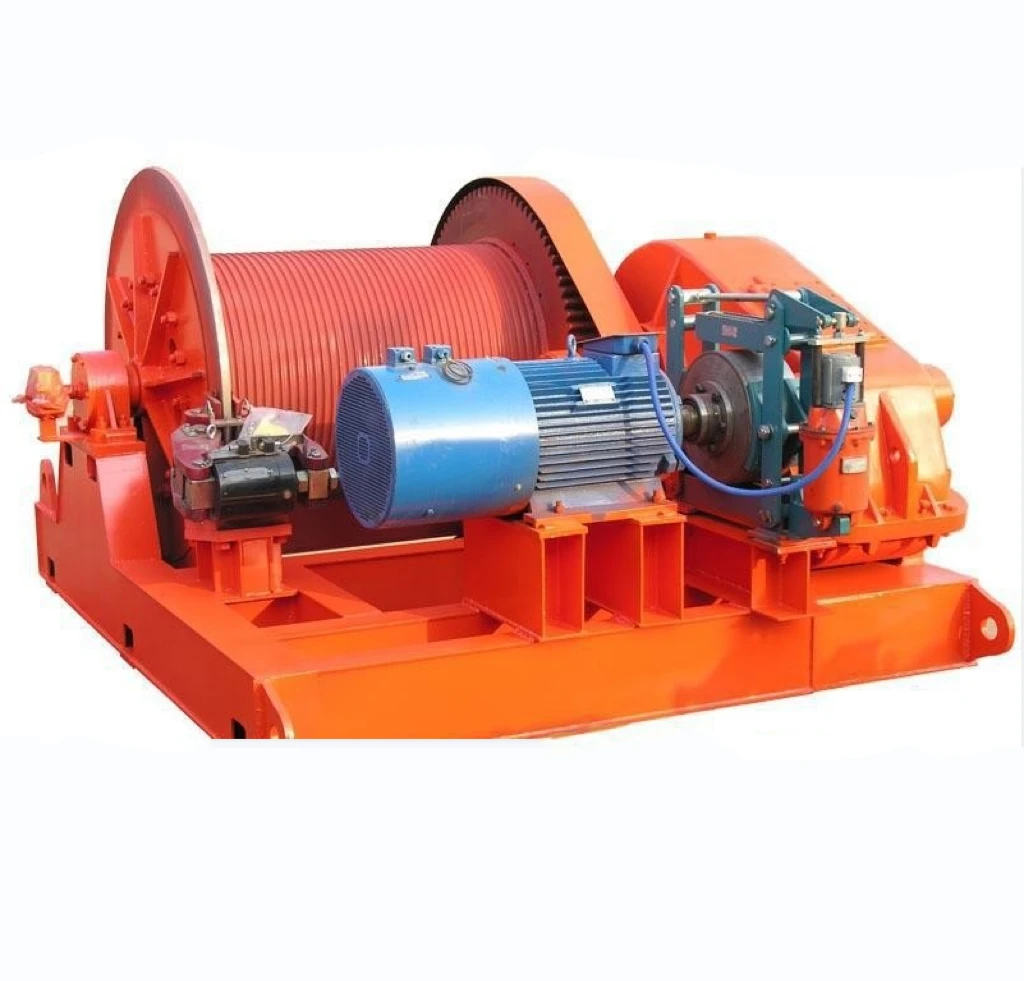
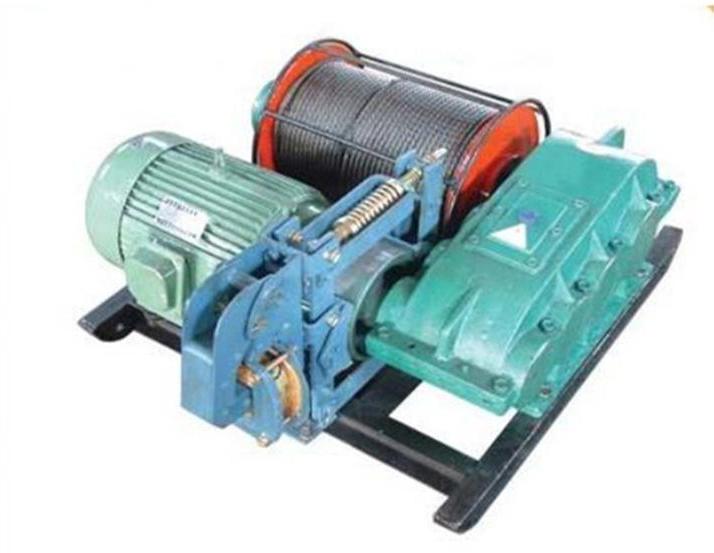
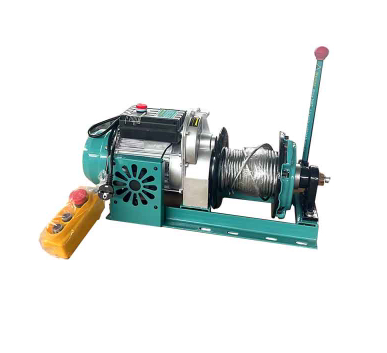
Having spent years in the industrial equipment sector, I can tell you the small electric winch 240v is an often underrated but incredibly useful tool. It’s compact yet powerful, perfect for a wide range of lifting and pulling jobs where space and power supply constraints exist. Frankly, the 240V configuration hits a nice sweet spot between simple household voltage and heavy industrial power needs — meaning you can plug it into standard outlets without the fuss of special wiring.
One of the things I’ve always appreciated about these winches is their design simplicity paired with reliable performance. Oddly enough, despite their mechanical complexity, they tend to feel intuitively easy to operate — a quality many engineers highlight when considering equipment for smaller-scale or remote jobsites. In real terms, if you’re in maintenance, construction, or even agricultural settings, having such a device on hand can make a huge difference in productivity.
Materials-wise, ruggedness is key. Most reputable small electric winches use high-grade steel cables or synthetic ropes depending on the model and intended use. The body often consists of die-cast aluminum or fully coated steel to prevent corrosion — which is crucial if you’re outdoors or in humid environments. By the way, I remember a colleague who ran one constantly at a dockyard for months, and it held up impressively well under spray and grit, which says a lot about build quality.
Testing is another area where trusted vendors shine. Typical quality tests include load capacity verification, thermal protection checks, and endurance under repetitive use. It’s not uncommon for manufacturers to run 100+ hour test cycles on these winches before they hit the market, something I’ve personally verified in factory visits.
| Specification | Details |
|---|---|
| Power Supply | 240 Volts AC |
| Motor Power | 0.75 to 1.5 kW |
| Max Load Capacity | 250 kg to 1000 kg |
| Line Speed | 5 to 15 m/min |
| Cable Length | 10 m standard (customizable) |
| Weight | 15-25 kg depending on specs |
Customization options keep evolving too. You can typically order different drum sizes, control types (wired remote, wireless, or even Bluetooth models now), and mounting options to adapt the winch exactly to your task. I once helped outfit a small timber mill with these tailored features, and it really streamlined their workflow.
| Vendor | Load Capacity Range | Power Options | Warranty | Special Features |
|---|---|---|---|---|
| LBS Winch | 250–1000 kg | 240V AC standard | 2 years | Wireless remote, corrosion-resistant coating |
| WinchCo | 300–900 kg | 110/240V selectable | 1 year | Compact design, overload protection |
| TuffLift | 200–750 kg | 240V AC only | 3 years | Heavy-duty steel frame, thermal overload |
You might wonder about real-world reliability. Well, from personal experience, these small electric winches almost always deliver when you pick well-known brands — and that’s just it. Brand trust does matter because the load ratings, testing standards, and after-sales service vary broadly. I’ve seen firsthand how LBS, for example, maintains a solid reputation because their units hold up and their customer service team is responsive. (No surprise that many industrial shops I visited keep LBS models on rotation.)
One small story: a local solar installation company I recently worked with needed a portable winch solution to lift heavy panels onto rooftops in suburban areas without crane access. They chose a 240V small electric winch and found it far exceeded expectations — easy to move around, capable of steady lifts, and surprisingly quiet. Hearing that was kind of a rewarding reminder that these tools really do improve safety and efficiency day to day.
In summary, the small electric winch 240v represents a blend of practicality, power, and convenience. If your work calls for controlled lifting or pulling without complicated power requirements, it is worth considering seriously. Plus, given its manageable size and versatile power format, it fits well even in smaller workshops or field applications. Honestly, once you get to know one, it’s hard to imagine working without it.
Reflecting back, I suppose it’s these thoughtful engineering details and solid build quality that have kept electric winches relevant and valued across industries for decades.
References:
- Manufacturer specifications and factory testing reports, LBS Winch (2023).
- Industry reviews and user feedback, Industrial Equipment Monthly (2022).
- Field observations and maintenance records from multiple industrial sites, personal experience (2015-2024).
-
The Ultimate Guide to Gear Steels for Durability and PerformanceNewsApr.16,2026
-
High Performance Gear Stainless Steel for Industrial DurabilityNewsApr.09,2026
-
Comprehensive Guide to Steel Bevel Gears Applications and SelectionNewsApr.07,2026
-
Comprehensive Guide to Durable Stainless Steel Miter Gears and ApplicationsNewsApr.04,2026
-
Comprehensive Guide to Steel Spur Gears Functionality and ApplicationsNewsMar.31,2026
-
Comprehensive Guide to Durable Stainless Steel Spur Gears and Their ApplicationsNewsMar.28,2026