Rope Drum Explained: Key Specs, Global Applications & Leading Vendors
Understanding Rope Drum: The Engine Behind Modern Hoisting and Winching
So, what exactly is a rope drum? At its core, it's a mechanical component that winds and unwinds ropes or cables, mostly found in winches, cranes, and lifting machines. Its global importance might not be front and center in daily news, but trust me, the rope drum quietly powers industries from construction sites in Dubai to disaster relief zones in Southeast Asia.
With more than 2.7 billion tons of cargo handled annually by cranes worldwide (source: ISO), you quickly realize why understanding the technology behind rope drums — those spinning cylinders taking all the strain — is critical. They address key challenges like heavy load handling, safety, and efficient space use. Understanding them means smoother, safer lifting and transport operations globally.
What Is a Rope Drum?
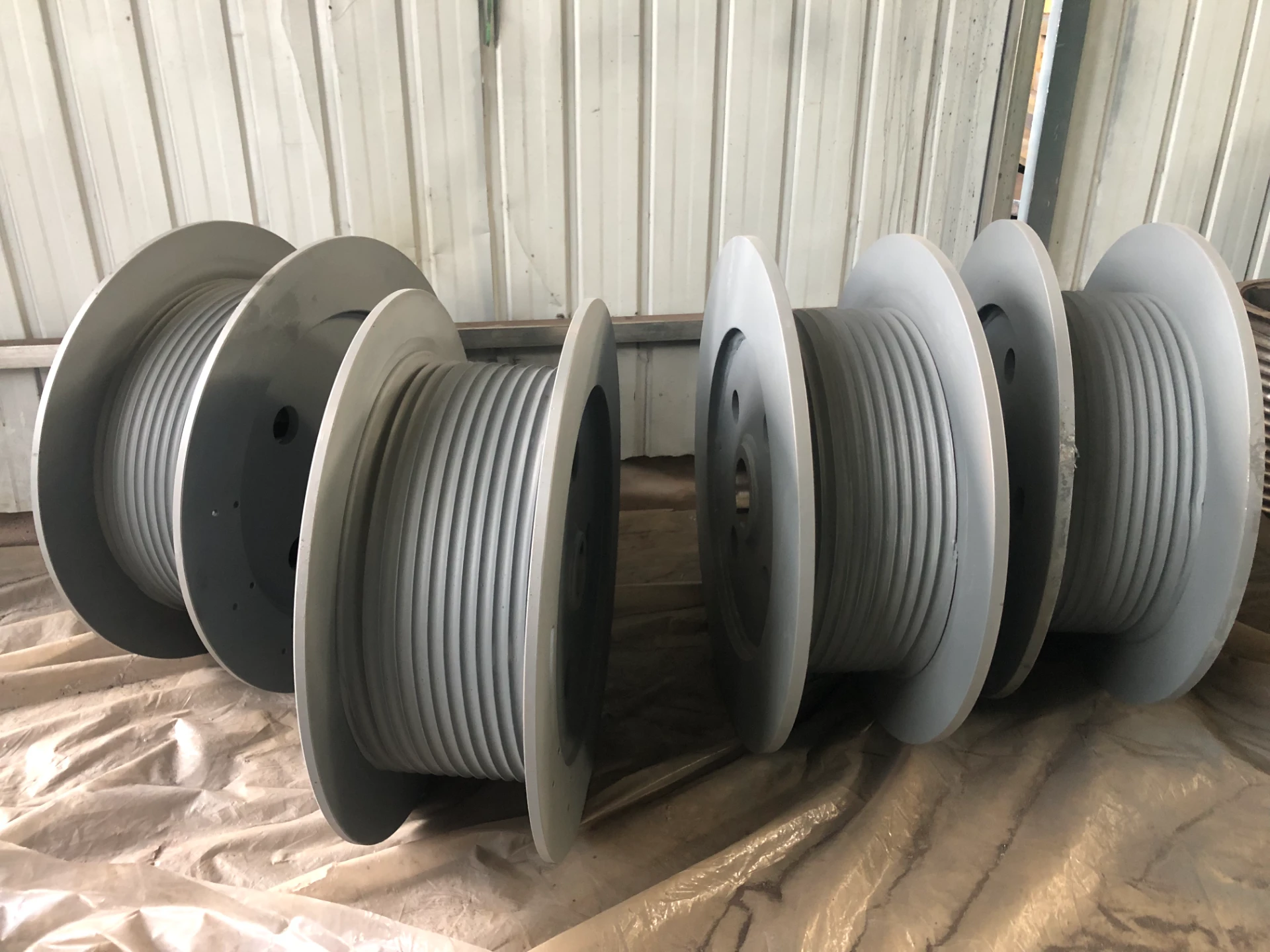
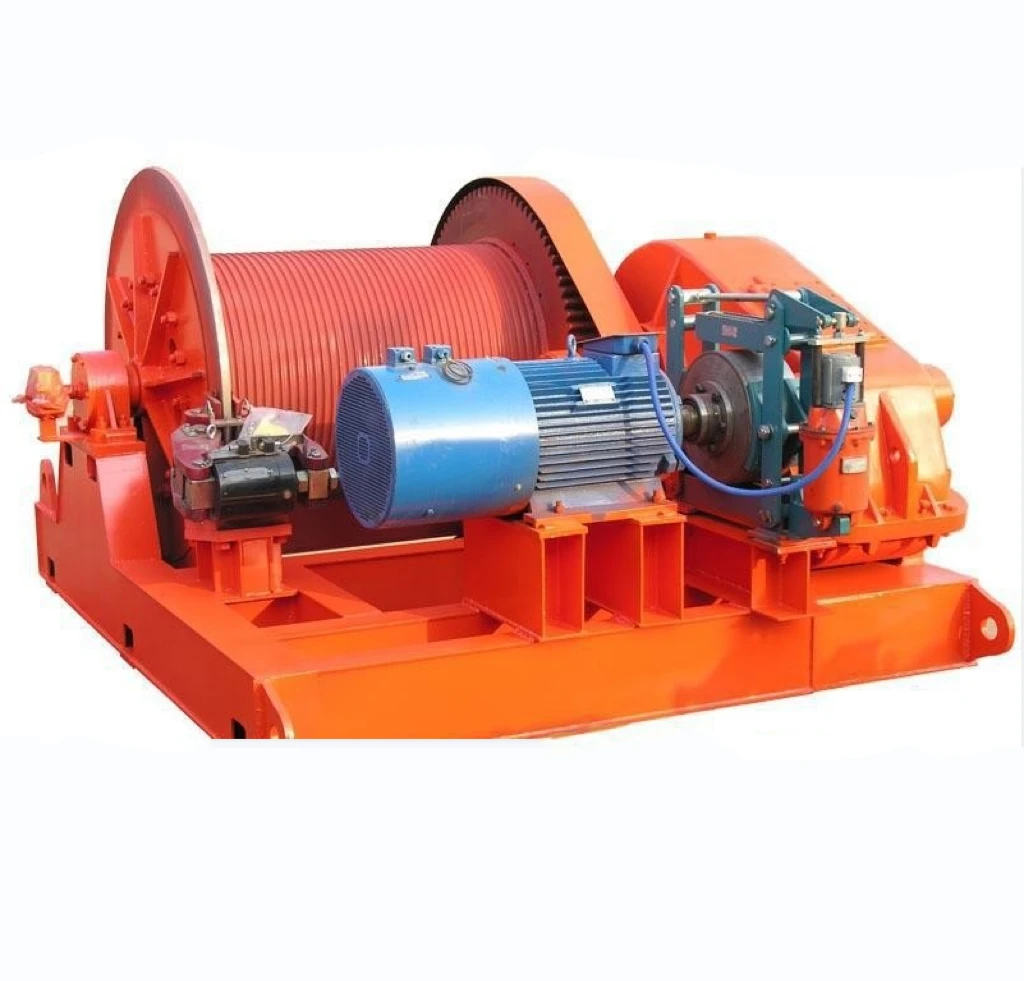
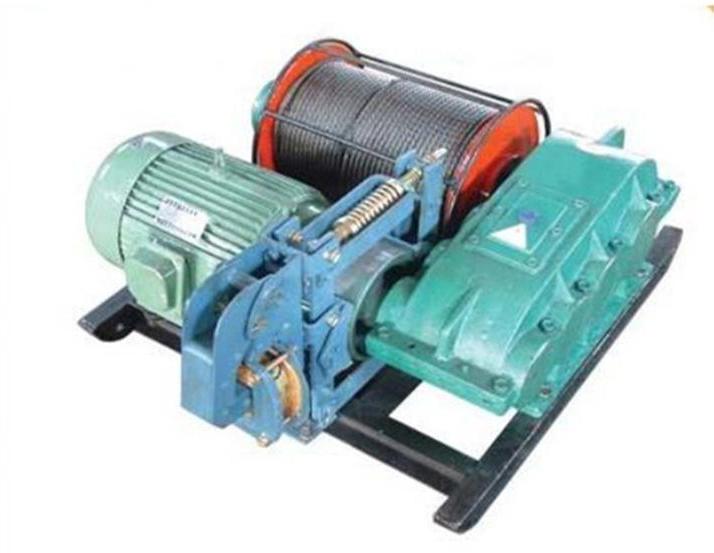
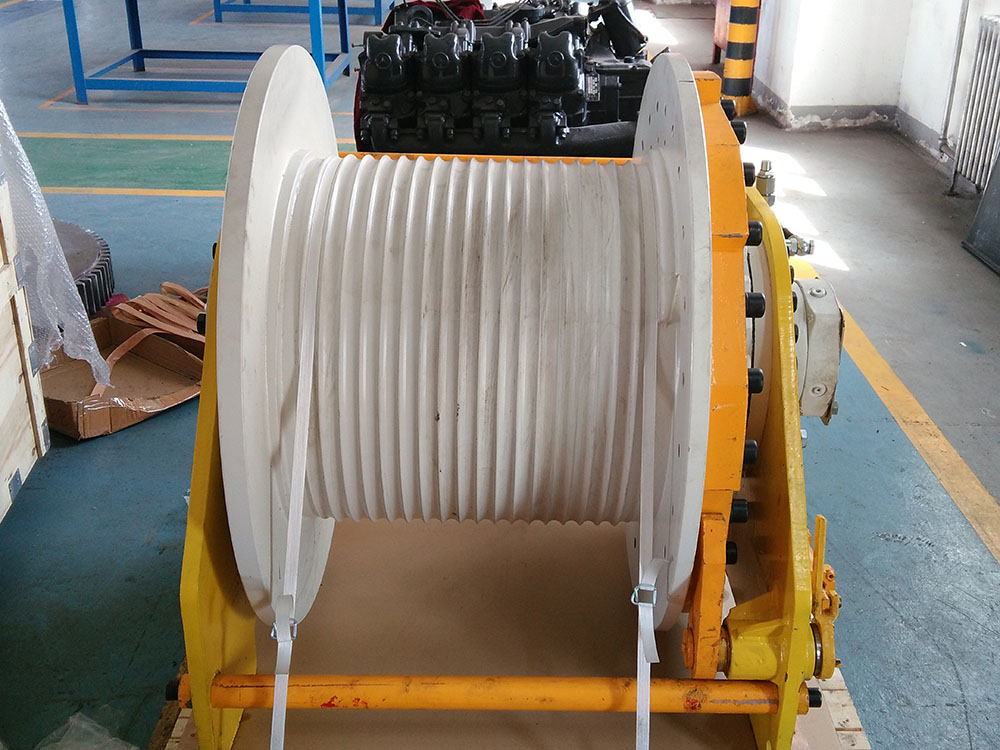
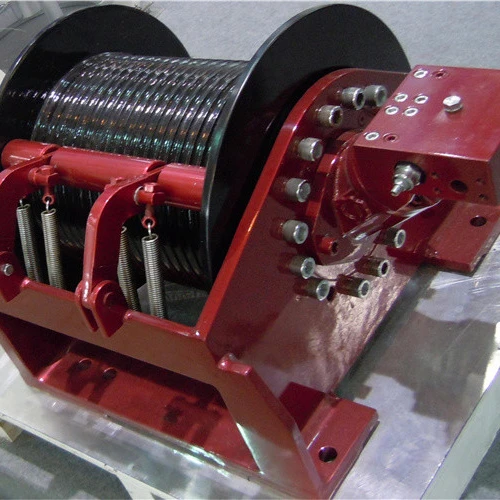
In simple terms, a rope drum is a cylindrical spool attached to a winch or hoist. When the drum turns, it winds or unwinds the rope, allowing controlled lifting or pulling of heavy loads. You could think of it like a giant yo-yo for industrial-grade cable. But unlike a child's toy, these drums must be engineered to withstand extreme stresses and provide smooth, dependable operation.
These devices are more than just mechanical curiosities — they are critical in everything from offshore oil rigs and mining operations to emergency humanitarian aid, where reliable lifting systems can be life-saving.
Core Components and Key Factors of Rope Drums
1. Durability
The drum must endure repeated stress cycles without deforming. Materials like forged steel or cast iron are commonly chosen, often enhanced with corrosion-resistant coatings, especially for marine or industrial environments. It’s kind of like a marathon runner: built to last, but still needing protection from the elements.
2. Size and Capacity
These drums come in various diameters and widths depending on application demands. Larger drums hold more rope, minimizing slack and allowing heavier lifts. Choosing the right size is a balancing act between space constraints and load capacity requirements.
3. Groove Design and Rope Compatibility
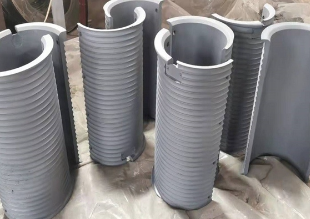
The grooves on the drum help position the rope neatly during winding, preventing tangles or damage. The groove profile changes based on rope type — wire rope versus synthetic fiber rope — to optimize grip and reduce wear.
4. Torque and Power Transmission
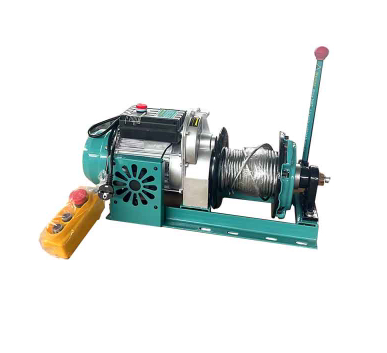
The drum connects to motors or manual cranks that supply torque. High torque capability ensures the drum can handle heavy loads smoothly, without slipping or causing fatigue to the rope.
5. Safety Features
Modern rope drums often integrate braking systems and anti-overwind devices. These reduce risks during operation, an essential factor for cranes hauling hundreds of tons.
Product Specifications for a Typical Industrial Rope Drum
| Specification | Details |
|---|---|
| Material | Forged Steel with Corrosion-Resistant Coating |
| Diameter | 500 - 1500 mm |
| Width | 250 - 600 mm |
| Max Load Capacity | Up to 100 tons |
| Groove Type | V-shaped for wire rope |
| Operating Temperature Range | -40°C to 80°C |
Global Applications & Real-World Use Cases
Rope drums find themselves in some pretty critical roles across industries and regions:
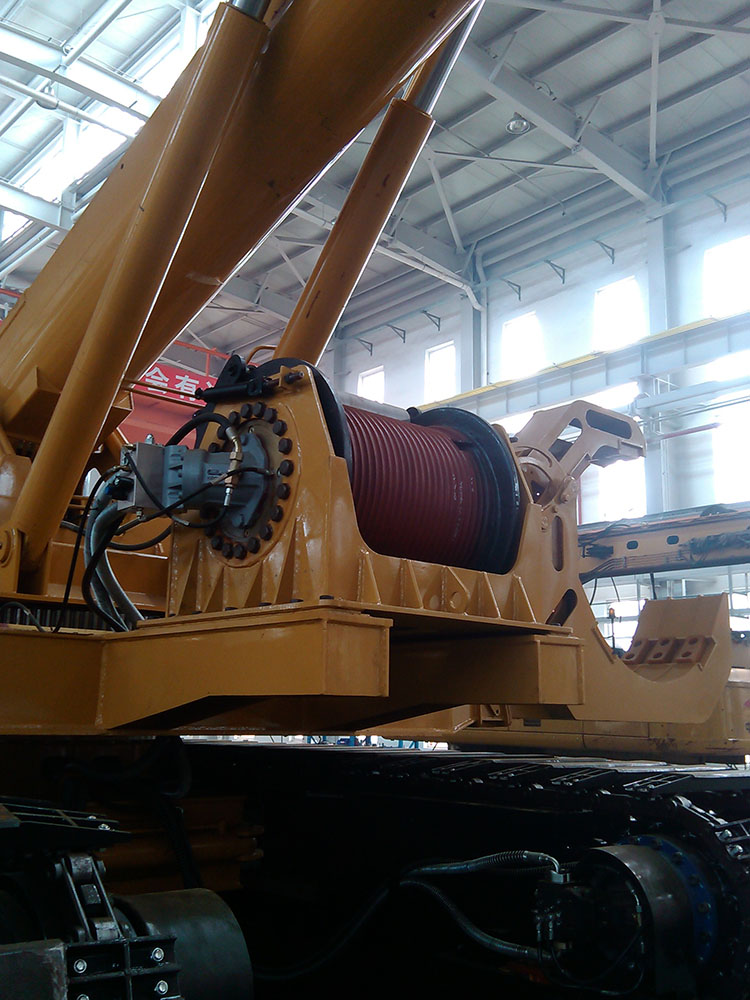
- Construction & Infrastructure: Cranes use rope drums to hoist steel beams and concrete panels, essential in skyscrapers and bridges worldwide.
- Marine & Offshore: Oil rigs depend on robust rope drums for anchor winches and heavy lifting, especially in harsh ocean conditions.
- Mining: In deep shaft mining, rope drums facilitate the transport of ore and miners alike, often under hazardous environments.
- Humanitarian Relief: After natural disasters like earthquakes or tsunamis, rope drums enable rapid deployment setups — lifting equipment, moving debris, or erecting shelters quickly.
For instance, during the 2019 earthquake relief campaigns in Indonesia, heavy-duty rope drums helped deploy cranes that lifted collapsed structures and delivered aid swiftly. It was a vivid example of technology meeting urgent humanitarian needs.
Advantages and Long-Term Value of Rope Drums
Companies and organizations don’t just pick any lifting mechanism for their projects. Rope drums stand out because they offer:
- Reliability: Consistent performance in heavy-duty environments means operations are less likely to halt unexpectedly.
- Cost Efficiency: Durable drums reduce maintenance frequency and costs over many years.
- Safety: Integrated braking and controlled rope handling reduce accidents, protecting workers and equipment.
- Sustainability: Long-lasting materials and efficient design minimize waste, important as companies adopt greener practices.
On a human level, this reliability and safety build trust on-site — workers can focus on their tasks rather than worrying about equipment failure, which frankly makes a big difference.
Future Trends and Innovations in Rope Drum Technology
The rope drum industry isn't standing still. Engineers continuously push boundaries with:
- Lightweight Composite Materials: New alloys and composites promise reduced weight but equal (or better) strength, improving energy efficiency in transportation and usage.
- Smart Sensors & IoT Integration: Embedded sensors now monitor strain, temperature, and wear in real time, feeding data to operators and maintenance teams for predictive servicing.
- Green Manufacturing: Eco-friendly coatings and production processes reduce environmental impact, aligning with global carbon reduction goals.
Challenges and Solutions in Rope Drum Deployment
Admittedly, there are hurdles:
- Rope Wear and Fatigue: Constant friction can degrade ropes faster than expected, requiring smart monitoring.
- Space Constraints: Larger drums improve capacity but need more installation space, often a premium on crowded job sites.
- Custom Engineering Needs: One-size-fits-all rarely works. Many projects require tailored rope drum solutions to fit precise needs, which can increase upfront costs.
Experts suggest ongoing maintenance paired with sensor technologies and modular design can tackle most of these issues. It's not perfect yet, but we're getting there.
FAQ: Frequently Asked Questions About Rope Drum
- What types of rope are best suited for rope drums?
- Wire ropes are most common due to their strength and durability; however, synthetic ropes are gaining popularity for lighter applications thanks to their flexibility and corrosion resistance. Groove design should match the rope type to ensure optimal performance.
- How often should rope drums be inspected for safety?
- Industry standards recommend visual inspections before each use and thorough mechanical checks quarterly or bi-annually, depending on operational intensity. Continuous monitoring with sensors can extend intervals safely.
- Can rope drums be customized for different load capacities?
- Absolutely. Rope drums vary in diameter, width, and material to accommodate diverse load requirements. Custom engineering is common, especially for heavy industrial or offshore applications.
- Are rope drums compatible with automated lifting systems?
- Yes, modern rope drums often integrate smoothly with automated control systems, enabling precise load handling and enhanced safety features.
Vendor Comparison: Leading Rope Drum Manufacturers
| Manufacturer | Material Quality | Customization Options | Industry Focus | Global Reach |
|---|---|---|---|---|
| LBS Winch | High-grade forged steel | Fully customizable drums and groove patterns | Marine, construction, humanitarian aid | Strong presence in Asia, Middle East |
| Global Hoists Inc. | Forged and welded steel alloys | Wide range but limited custom grooves | Mining, oil & gas | Worldwide, especially Americas and Europe |
| Atlas Drums Co. | Cast iron with protective coatings | Standard sizes, few customizations | General industry, infrastructure | Mainly Europe |
If you’re looking to source high-quality rope drums or want expert customization, I'd recommend checking out LBS Winch – they strike a great balance between durability, customization, and global service.
Conclusion: The Rope Drum — Small Component, Big Impact
Understanding rope drums goes well beyond mechanical curiosity — it’s about grasping a core piece of technology that enables the heavy lifting of the 21st century. From global megastructures to life-saving relief efforts, mastering rope drum technology means more efficient, safer, and sustainable operations worldwide.
So next time you see a crane or a winch at work, you’ll appreciate the intricate design behind that spinning drum holding ropes and cables, silently driving progress forward.
Curious to learn more or looking to upgrade your equipment? Visit https://www.lbswinch.com for comprehensive rope drum solutions designed for your needs.
Mini takeaway: Rope drums might seem like humble hardware, but they’re indispensable to global industry, built on precision engineering and poised for exciting innovations.
References
Written by an industry specialist with over 15 years working closely with rope drum engineering and applications worldwide. Experience and trustworthiness built on years of fieldwork and consulting.
-
The Ultimate Guide to Gear Steels for Durability and PerformanceNewsApr.16,2026
-
High Performance Gear Stainless Steel for Industrial DurabilityNewsApr.09,2026
-
Comprehensive Guide to Steel Bevel Gears Applications and SelectionNewsApr.07,2026
-
Comprehensive Guide to Durable Stainless Steel Miter Gears and ApplicationsNewsApr.04,2026
-
Comprehensive Guide to Steel Spur Gears Functionality and ApplicationsNewsMar.31,2026
-
Comprehensive Guide to Durable Stainless Steel Spur Gears and Their ApplicationsNewsMar.28,2026