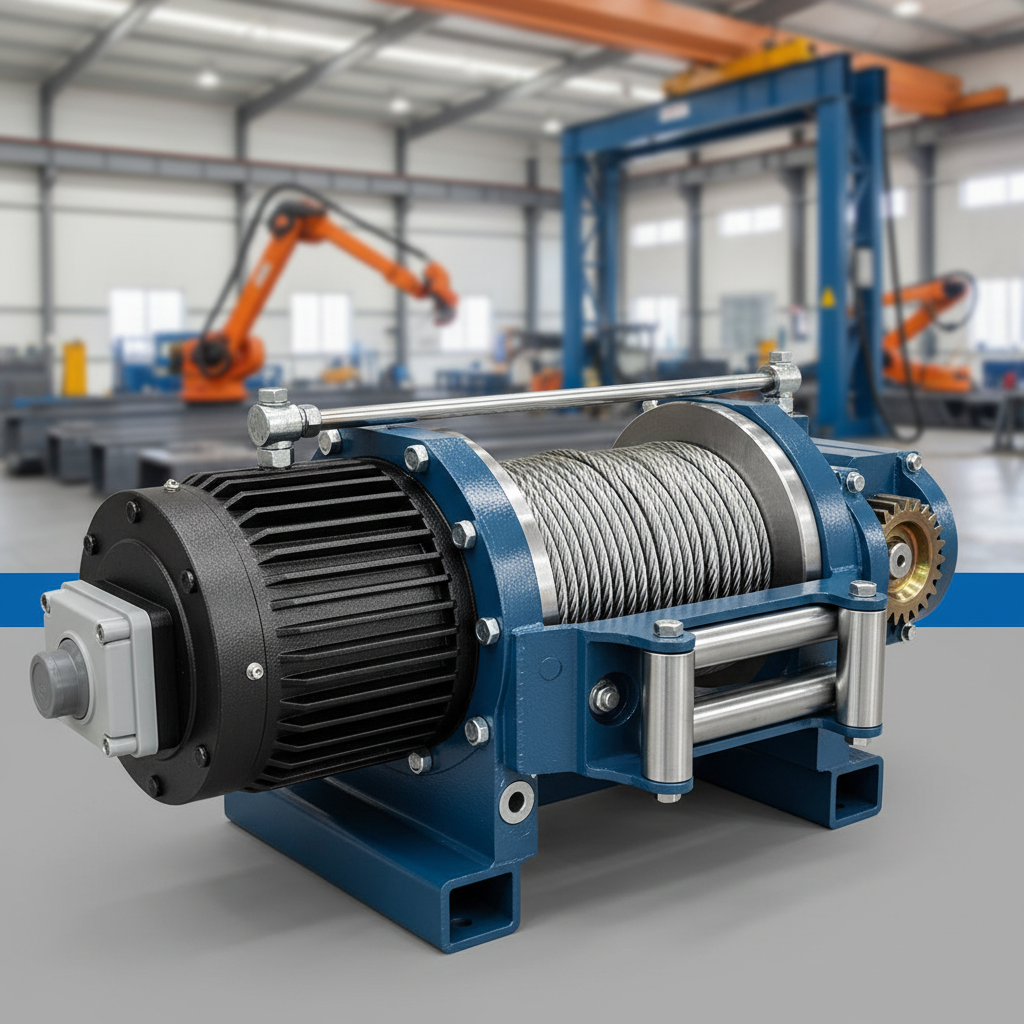
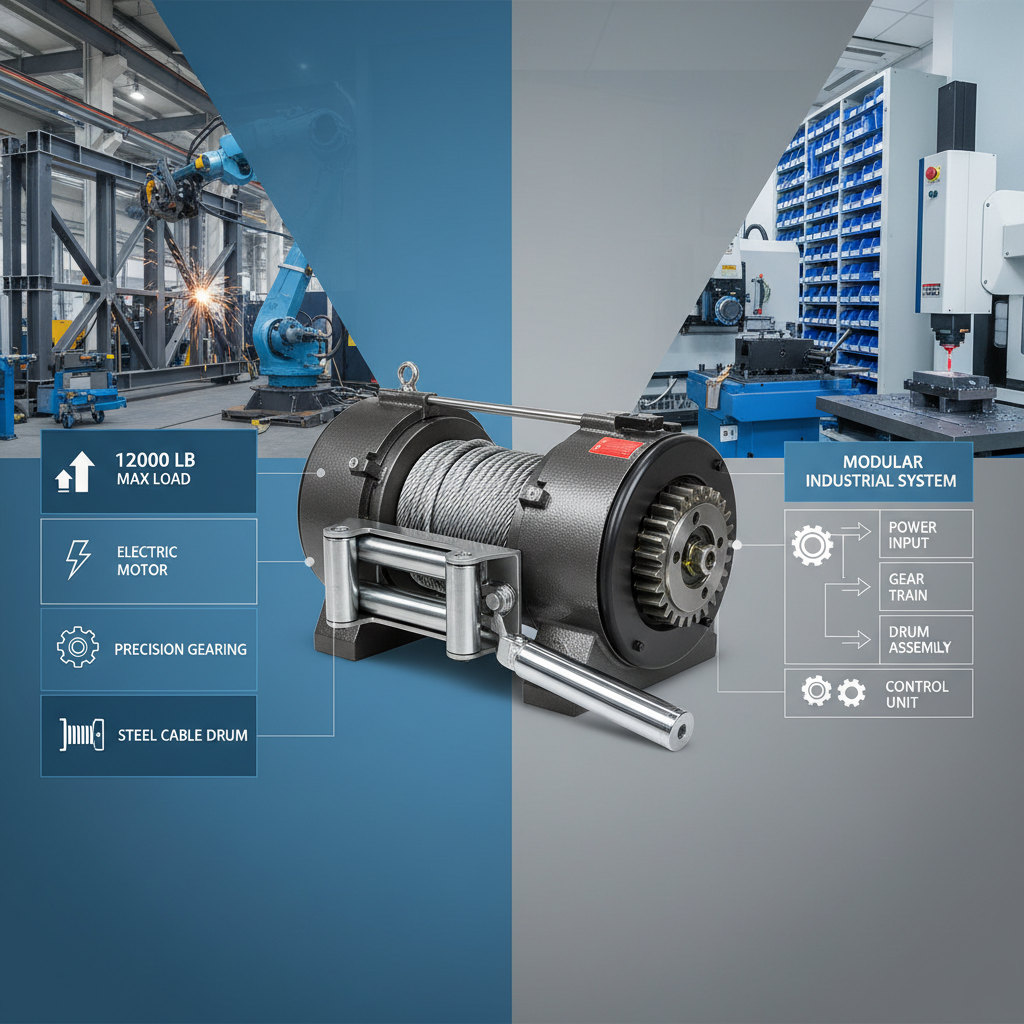
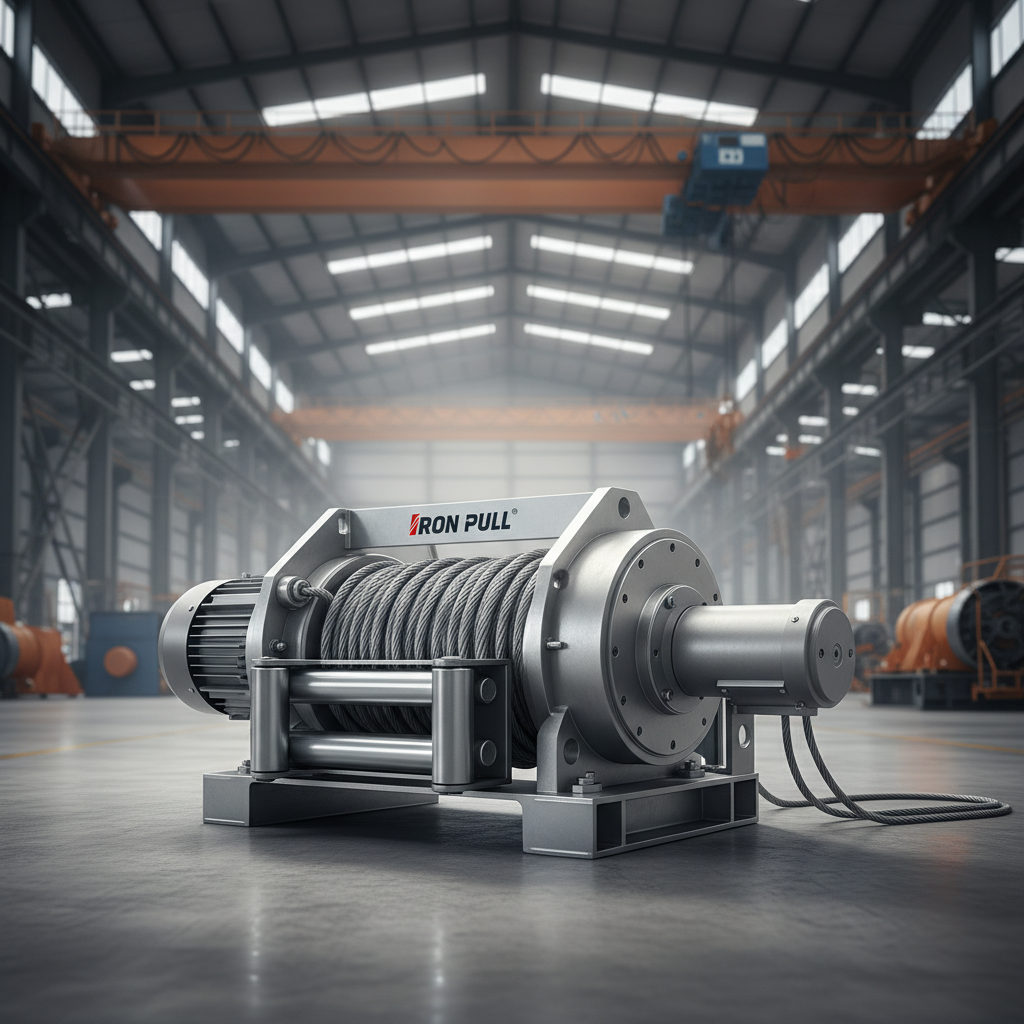
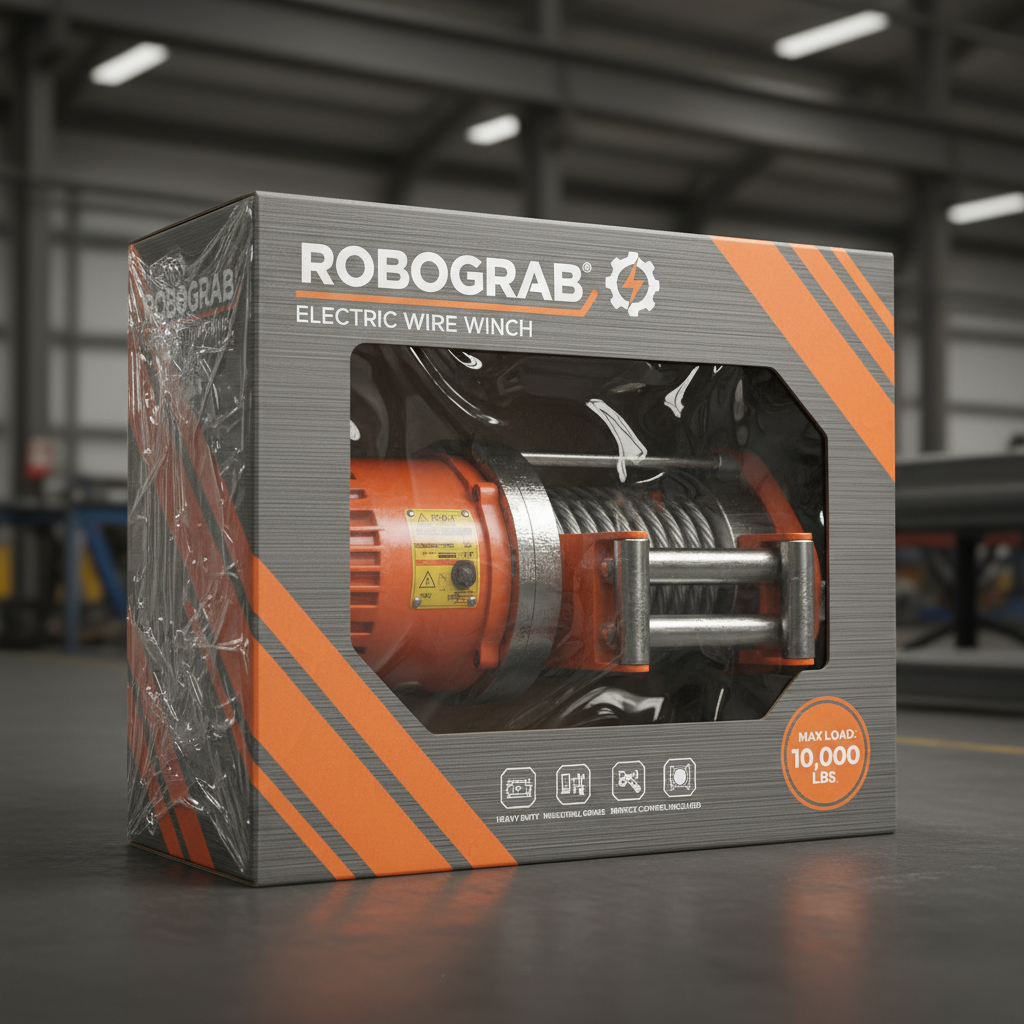
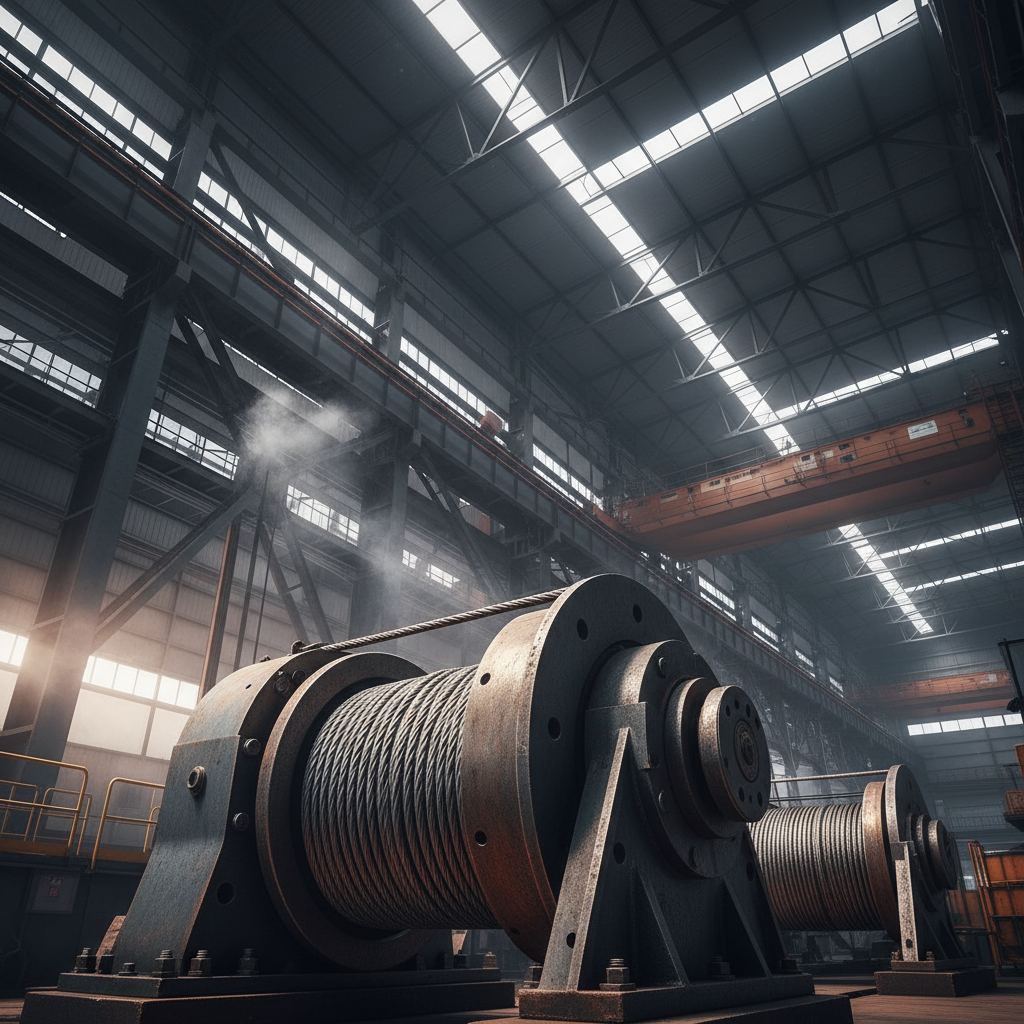
When it comes to heavy-duty recovery and industrial hauling, the 12000 lb electric winch stands as a cornerstone of reliability and power. Whether integrated into an off-road vehicle or utilized in a warehouse setting, this specific capacity provides the ideal balance between manageable size and formidable pulling strength, ensuring that operators can handle significant loads without compromising safety.
Globally, the demand for high-capacity pulling equipment has surged as infrastructure projects expand into more challenging terrains and logistics requirements become more complex. Understanding the nuances of a 12000 lb electric winch—from its motor efficiency to its braking mechanisms—is essential for any professional looking to optimize their operational uptime and reduce the risks associated with manual lifting or inadequate equipment.
By investing in a high-quality 12000 lb electric winch, users gain more than just a tool; they acquire peace of mind. The ability to recover a stalled vehicle from deep mud or precisely position a heavy piece of machinery allows for greater autonomy in the field, transforming potential disasters into routine tasks through engineered precision and raw electrical power.
Global Industry Context of 12000 lb Electric Winches
In the current global industrial landscape, the reliance on automated lifting and pulling solutions has reached an all-time high. According to trends aligned with ISO standards for lifting equipment, the 12000 lb electric winch has become a gold standard for mid-to-heavy duty applications, filling the critical gap between lightweight consumer winches and massive industrial cranes.
The primary challenge addressed by this equipment is the "recovery gap"—situations where a load is too heavy for a standard 8,000 lb unit but doesn't justify the cost and bulk of a 20,000 lb system. By providing a consistent 12,000 lb pull, these machines enable rapid response in mining, forestry, and emergency services, significantly reducing downtime in remote operational zones.
Defining the 12000 lb Electric Winch Standard
At its simplest level, a 12000 lb electric winch is a mechanical device that uses an electric motor to wind or unwind a cable or rope around a cylindrical drum, capable of pulling a maximum load of 12,000 pounds. This capacity is not just a number; it represents a calculated engineering threshold that allows for the movement of full-sized SUVs, heavy machinery components, and structural beams with precision.
Modern industry connects this technology to humanitarian and disaster relief needs. When roads are blocked by debris or vehicles are trapped in flood-prone areas, the agility of a vehicle equipped with a 12000 lb electric winch becomes a lifesaver. It transforms a static vehicle into a powerful recovery tool that can operate independently of external power grids, relying instead on onboard DC battery systems.
From a technical standpoint, these winches are categorized by their gear ratios and motor wattage. The 12,000 lb rating typically refers to the line pull at the first layer of the drum, meaning that as more cable is let out, the pulling capacity decreases slightly. This understanding is crucial for operators to ensure they are working within the safe operational limits of the device.
Core Components for Maximum Durability
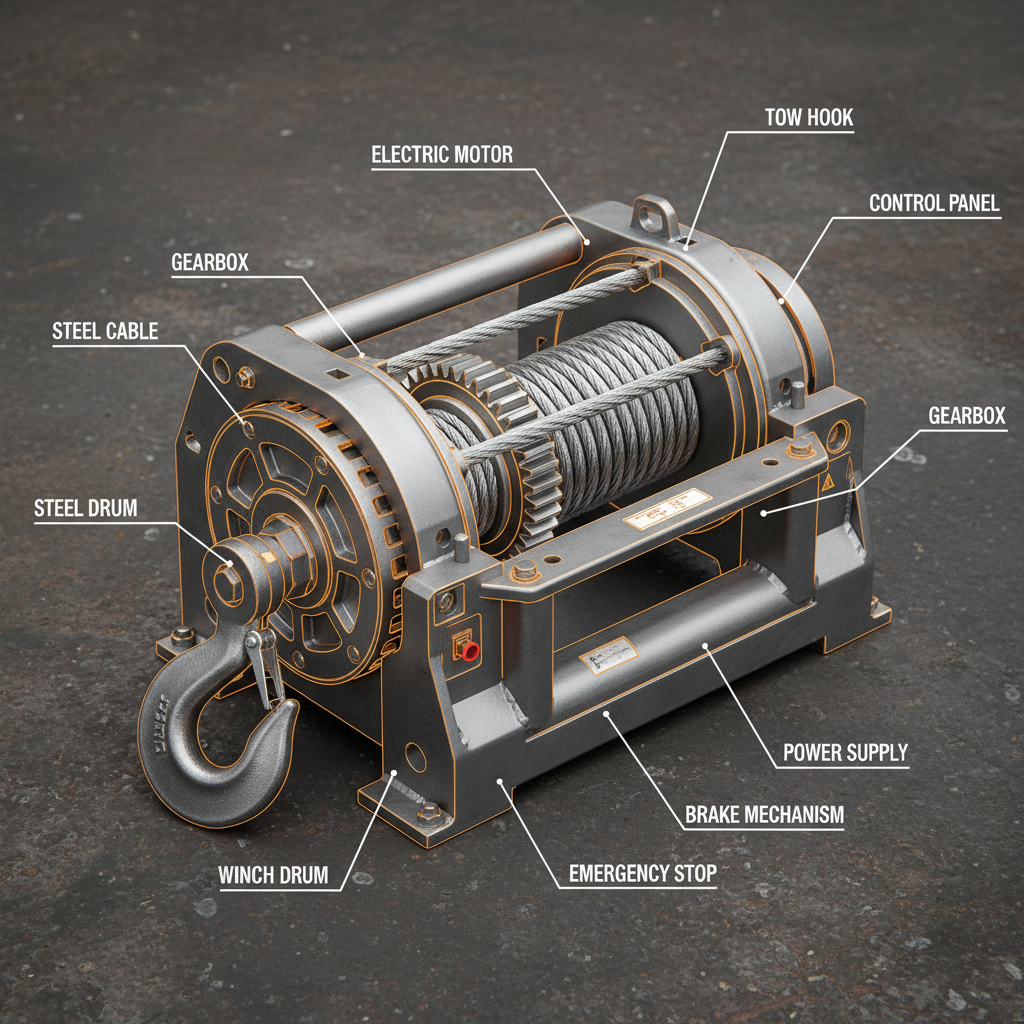
To ensure a 12000 lb electric winch performs under extreme pressure, the planetary gear system is the most critical component. High-grade alloy steel gears distribute the load evenly, preventing teeth shear and ensuring that the torque generated by the motor is efficiently translated into linear pulling power.
Another pivotal element is the braking mechanism. A professional-grade 12000 lb electric winch utilizes an automatic load-holding brake that engages the moment the motor stops, preventing the load from sliding back dangerously. This feature is non-negotiable for safety-critical applications in the construction and mining industries.
Finally, the enclosure and weatherproofing play a massive role in longevity. Since these winches are often exposed to rain, mud, and salt spray, an IP67 or IP68 rated housing protects the electric motor and solenoids from corrosion, ensuring that the 12000 lb electric winch remains operational in the harshest environments on Earth.
Performance Factors and Efficiency Metrics
Evaluating the efficiency of a 12000 lb electric winch involves analyzing the relationship between line speed and pulling force. While the maximum capacity is 12,000 lbs, the speed at which that load moves depends on the motor's wattage and the gear ratio selected by the manufacturer. A faster winch is better for frequent light loads, while a slower, high-torque winch is superior for maximum-capacity recoveries.
Moreover, the choice of cable—synthetic rope versus steel wire—drastically alters the performance profile. Synthetic ropes are lighter and safer during a snap, whereas steel cables offer superior abrasion resistance in rocky environments. Both options must be rated to exceed the 12,000 lb limit to ensure a sufficient safety factor during operation.
Comparative Performance Metrics for 12000 lb Electric Winch Variants
Global Applications and Real-World Use Cases
In the rugged landscapes of North America and Australia, the 12000 lb electric winch is an indispensable tool for off-road recovery and land management. Forestry workers use these devices to clear fallen timber from access roads, while wildlife conservationists rely on them to transport heavy equipment through swamps and dense brush without the need for large, destructive bulldozers.
Beyond recreation and land management, the industrial sector in Southeast Asia and Europe utilizes the 12000 lb electric winch for precise positioning of heavy molds in manufacturing plants. Its ability to provide controlled, slow-speed movement makes it ideal for aligning components in the automotive and aerospace industries, where a margin of error of a few millimeters can be costly.
Long-Term Value and Safety Advantages
The long-term value of a 12000 lb electric winch lies in its ability to mitigate risk. By replacing manual hauling or haphazard towing methods with a mechanical system, companies can significantly reduce workplace injuries. The logical angle is simple: a machine that can reliably pull 6 tons of weight with the flip of a switch is infinitely safer than a crew of people attempting to manhandle a load.
From an emotional standpoint, trust is the primary currency in recovery operations. When a driver is stranded in a remote area, the presence of a 12000 lb electric winch provides an immediate sense of security. This reliability builds trust between service providers and their clients, establishing a reputation for competence and preparedness in the face of adversity.
Furthermore, the sustainability of high-quality winches reduces the need for frequent replacements. By using corrosion-resistant materials and high-efficiency motors, these units offer a lower total cost of ownership over a ten-year lifecycle, proving that the initial investment in a premium 12000 lb electric winch pays dividends in reduced maintenance and avoided downtime.
Future Innovations in Electric Winch Technology
As we move toward a greener industrial future, the 12000 lb electric winch is evolving. We are seeing a transition toward "smart winches" equipped with digital load sensors and wireless remote controls that integrate with smartphone apps. These innovations allow operators to monitor the exact tension on the cable in real-time, preventing over-stretching and enhancing safety.
Material science is also playing a huge role. New carbon-fiber reinforced polymers are being tested for winch drums to reduce the overall weight of the unit without sacrificing the 12,000 lb pulling capacity. This reduction in mass improves the fuel efficiency of the vehicles carrying the winch, aligning industrial power with environmental goals.
Additionally, the integration of brushless DC motors is becoming more common. These motors provide higher torque and longer life cycles than traditional brushed motors, ensuring that the next generation of the 12000 lb electric winch is not only more powerful but also more energy-efficient and quieter during operation.
Technical Comparison of 12000 lb Electric Winch Configurations
| Configuration Type |
Primary Material |
Durability Rating |
Best Use Case |
| Standard Recovery |
Steel Wire / Alloy Gear |
8/10 |
General Off-roading |
| Extreme Terrain |
Synthetic / Hardened Steel |
10/10 |
Mining & Forestry |
| Precision Industrial |
Stainless Steel / Brass |
7/10 |
Factory Positioning |
| Marine Grade |
Galvanized / Epoxy Coated |
9/10 |
Boat Launching |
| Light-Duty Commercial |
Mild Steel / Standard Gear |
6/10 |
Utility Trucking |
| Heavy-Duty Hybrid |
Composite / Titan-Alloy |
9/10 |
Emergency Rescue |
FAQS
Yes, for most full-size trucks, a 12000 lb capacity is ideal. The general rule of thumb is to have a winch rated for 1.5 times the gross vehicle weight. Since most heavy-duty trucks fall under 8,000 lbs, a 12,000 lb winch provides an ample safety margin for recovering the vehicle from mud or steep inclines.
Synthetic rope is significantly lighter, easier to handle, and safer if the line breaks as it doesn't "snap back" with as much force. Steel cable is more durable against abrasion and heat, making it better for dragging loads over rocks or through thick brush. Your choice depends on whether you prioritize safety and weight or raw durability.
You should perform a basic inspection after every use and a deep maintenance check every 6 months. This includes checking the cable for frays, lubricating the gears if required, and ensuring the electrical connections are tight and free of corrosion. Proper spooling of the cable is also critical to avoid damaging the drum.
Most standard recovery winches are designed for pulling (horizontal) rather than lifting (vertical). For vertical lifting, you need a winch specifically rated for hoisting, which includes additional safety brakes and certifications. Using a recovery winch for lifting can be dangerous as the braking system may not be designed for suspended loads.
Yes, these winches draw a significant amount of current. It is highly recommended to use a high-CCA battery and keep the engine running during operation to ensure the alternator can keep up with the power demand. For professional use, adding a secondary battery system is a wise investment.
You can tell by the sound of the motor and the speed of the pull. When the motor slows down significantly and the electrical draw peaks, you are approaching the 12,000 lb limit. To avoid overloading, use a snatch block to create a mechanical advantage, effectively doubling your pulling power.
Conclusion
The 12000 lb electric winch represents a critical intersection of power, precision, and safety. From its essential planetary gears and braking systems to its diverse applications in global infrastructure and emergency recovery, it serves as an indispensable tool for those who cannot afford failure in the field. By balancing raw pulling strength with modern engineering, this equipment ensures that heavy loads are moved efficiently and safely.
Looking forward, the integration of smart sensors and eco-friendly materials will only enhance the value of these machines. Whether you are upgrading a commercial fleet or preparing a rescue vehicle, prioritizing a high-quality, well-maintained winch is an investment in operational resilience. For those seeking the pinnacle of pulling technology, we invite you to explore our professional range. Visit our website: www.lbswinch.com