Large Winch: Powering Industry and Humanitarian Efforts Globally
Understanding the Large Winch: Powering Industries and Relief Across the Globe
Across diverse industries and humanitarian efforts worldwide, the large winch emerges as a pivotal tool — one that quietly powers everything from heavy construction to disaster relief. You might not always see it, but wherever massive loads need safe, reliable handling, this robust device steps in. Knowing what a large winch is and why it matters is key to grasping how modern industry runs smoothly and how urgent relief can reach those in need swiftly.
Global Context: Why Large Winches Matter More Than Ever
In our increasingly complex global economy, heavy equipment like large winches supports everything from shipping logistics to renewable energy projects. According to the International Organization for Standardization (ISO), the global construction equipment market is projected to grow significantly in the next decade, reflecting expanding infrastructure worldwide (ISO). Meanwhile, emergency response agencies frequently rely on heavy-duty winching systems to clear debris and move essential supplies after natural disasters — events sadly on the rise due to climate change (United Nations Climate).
However, challenges like equipment reliability in harsh environments and cost-effective logistics call for ongoing innovation in large winch technology. Frankly, when seconds count in rescue operations or expensive machinery hangs in the balance on a construction site, you want a machine you can trust.
What Exactly Is a Large Winch?
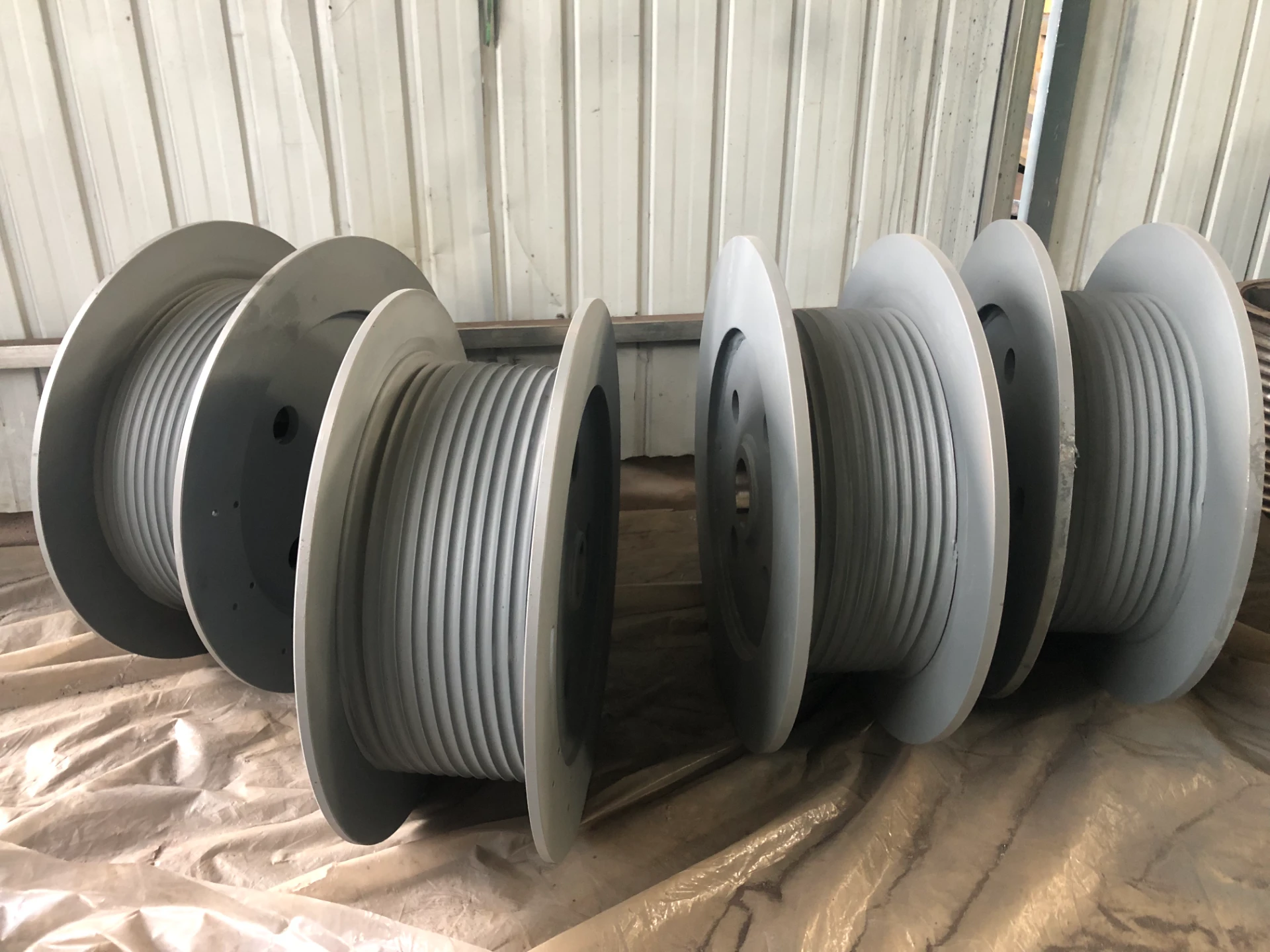
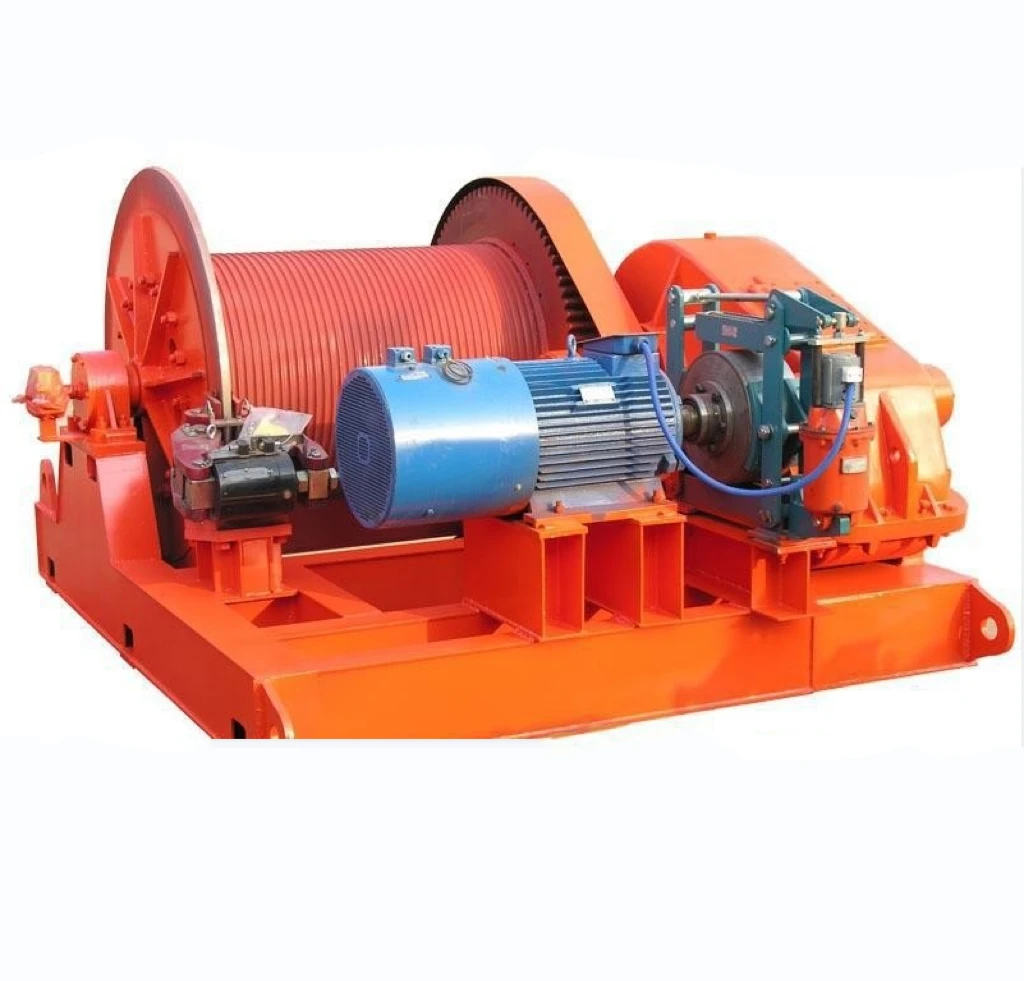
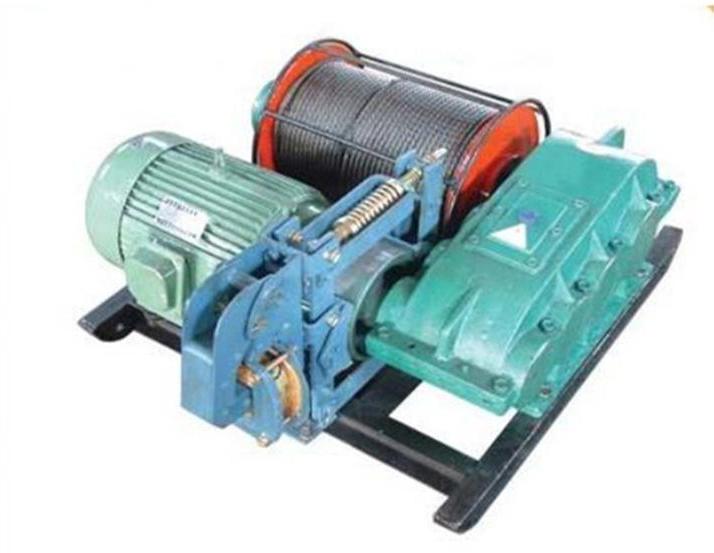
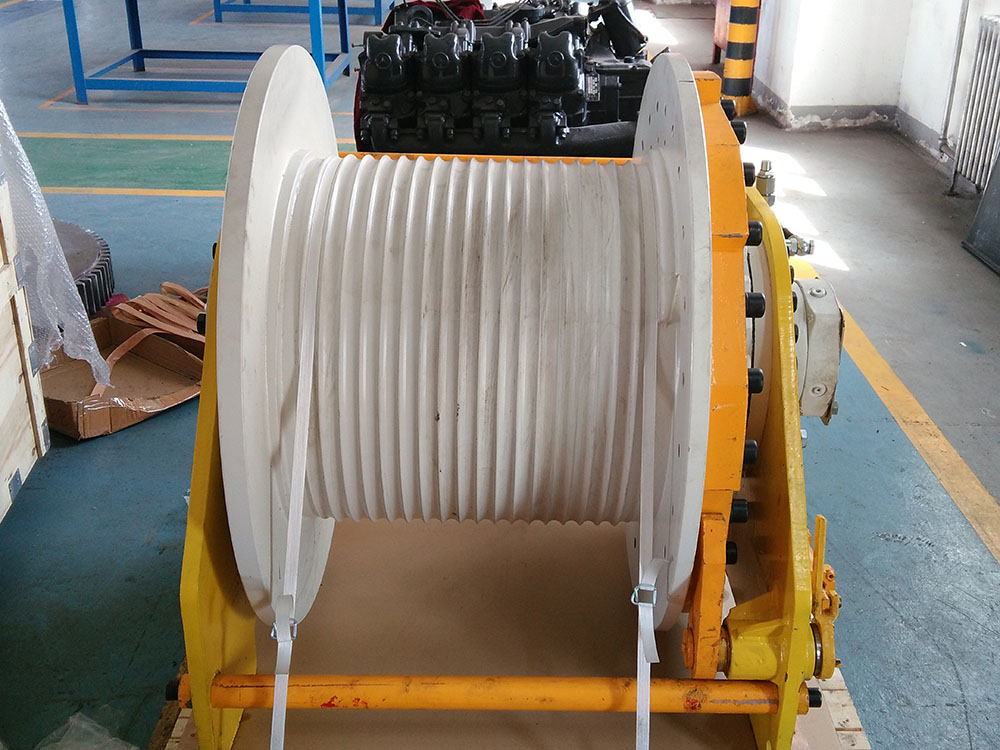
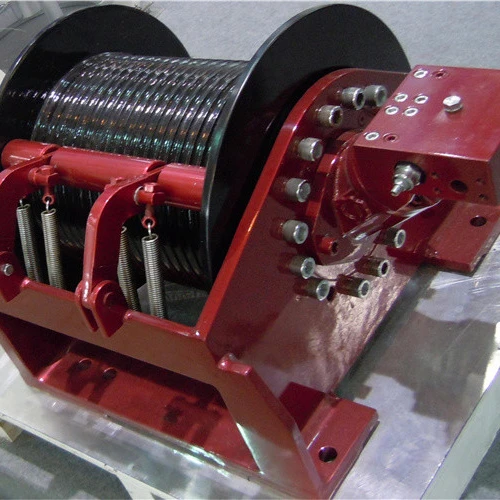
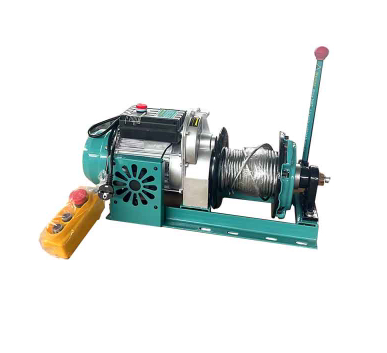
In the simplest terms, a large winch is a mechanical device designed to pull or lift heavy loads by winding cable or rope around a drum. These machines are often powered by electric motors, hydraulics, or engines and come with gear systems to provide the necessary torque. While small winches might help in everyday tasks (like towing a stalled car), a large winch operates on a scale suited to industrial demands—think mining, maritime operations, and large-scale infrastructure projects.
Its role extends beyond just “pulling.” In modern industries and humanitarian efforts, large winches enable safe material transport, equipment positioning, and even support renewable energy developments like offshore wind turbines.
Key Components and Considerations of Large Winches
1. Durability
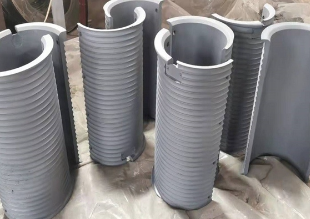
Heavy-duty steel drums, corrosion-resistant coatings, and rugged gears form the backbone of a reliable large winch. This durability ensures performance in saltwater environments for maritime applications or dusty, abrasive conditions on a mining site.
2. Power Source and Scalability
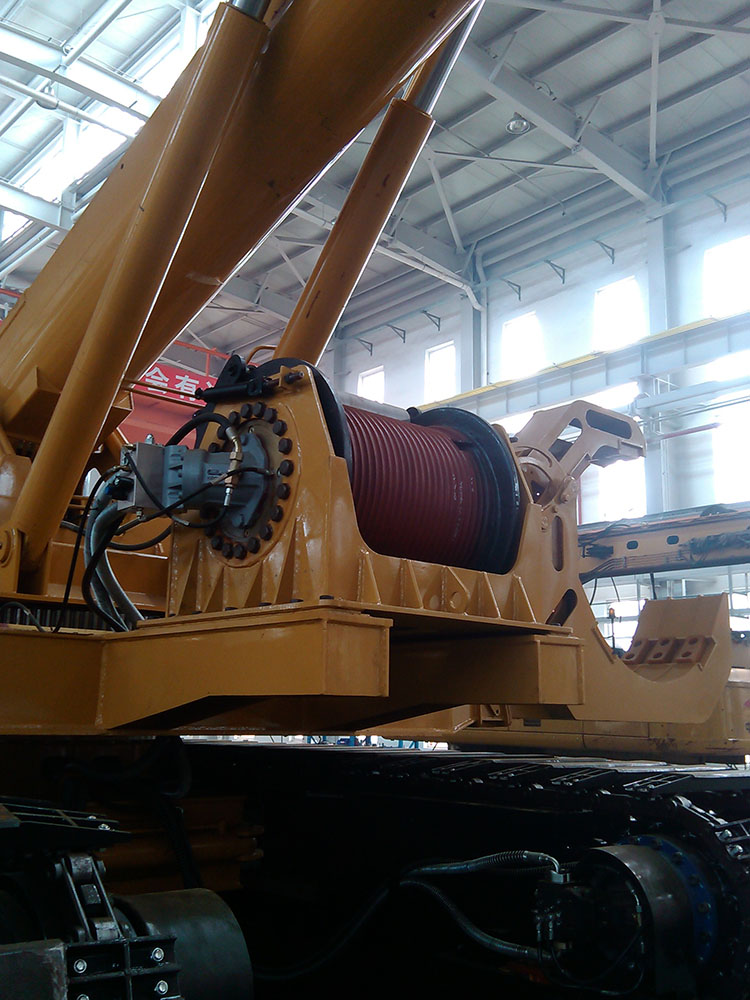
Large winches can be hydraulic, electric, or diesel-powered. The choice often depends on size and application — hydraulic winches excel in controlled environments, while diesel units suit remote locations without reliable electricity. Scalability comes into play as projects grow, with some winches designed to be modular or upgradeable.
3. Safety Features
Automatic braking systems, overload sensors, and remote controls are increasingly standard, minimizing operator risk and improving precision. After all, human lives and expensive equipment depend on these safeguards working flawlessly.
4. Cost Efficiency
Initial costs, maintenance, and operational expenses factor heavily into winch selection. Surprisingly, investing a bit more upfront in quality can save thousands long-term by reducing downtime and repairs.
5. Adaptability and Customization
With different projects demanding unique approaches—whether ultra-long cables, special drum sizes, or specific mounting systems—the ability to customize a large winch can be a game-changer.
Mini takeaway: Durability, power, safety, cost, and customization form the core of what makes a large winch effective and trusted across industries.
Global Applications and Real-World Use Cases
It’s worth zooming out to see this technology in action. You’d find large winches:
- In maritime shipping hubs: For loading and unloading containers, especially in ports handling gigantic cargo ships.
- On construction sites: Assisting cranes and moving building materials in skyscraper projects in cities like Dubai and Shanghai.
- During disaster response efforts: NGOs employ large winches to clear roads obstructed by fallen trees or debris, particularly after earthquakes or hurricanes.
- In mining operations: Facilitating the transport of heavy machinery and raw materials underground.
- Within renewable energy: Installing and maintaining offshore wind turbines where heavy lifting is unavoidable.
Take the example of a relief organization working in remote Nepal after an earthquake. They used a large hydraulic winch to drag collapsed structures and safely clear pathways in a fractured mountainous region — a task otherwise impossible given the terrain.
Mini takeaway: Whether urban or remote, industrial or humanitarian, the large winch proves itself invaluable time and again.
Advantages & Long-Term Value of Investing in Large Winches
The obvious benefit is powerful, reliable load handling. But beyond that lies sustainability (modern winches often feature energy-efficient motors), safety (reducing injury risks thanks to automation and precision controls), and social impact (when deployed in emergency zones, they literally save lives). It’s a mix of emotion and logic — companies want trustworthy equipment, operators want safe workplaces, and affected communities want rapid aid.
And don’t underestimate how a good large winch improves operational efficiency — meaning faster project completions and better cost management. You know, there’s something quietly impressive about machines that keep industries ticking while empowering people simultaneously.
Future Trends & Innovations in Large Winch Technology
In a time when digital transformation is touching every sector, large winches are getting smarter. Concepts like IoT-enabled remote monitoring allow operators to track winch performance in real time, preventing breakdowns before they happen. Electric winches, leveraging renewable grid energy or even solar power in remote sites, are reducing carbon footprints.
Material science is also evolving — lighter, stronger composites bring new durability without weight penalties. Automation and AI could soon optimize winch control to reduce human error further and improve safety margins. Oddly enough, these traditional machines are rapidly becoming “smart” and green.
Challenges & Practical Solutions
Of course, there are hurdles. Keeping large winches operational in extreme weather, managing high upfront investment costs, and ensuring operator training are ongoing concerns. However, expert manufacturers increasingly offer modular systems to reduce downtime and bundle training programs to boost user confidence. Remote diagnostics and predictive maintenance are another big help.
Innovative approaches like hybrid power systems (combining diesel and electric, for example) are addressing energy limitations in isolated sites.
Product Specifications at a Glance
| Specification | Typical Range | Notes |
|---|---|---|
| Pulling Capacity | 5 to 200+ tons | Varies by application and model |
| Drum Diameter | 0.5 to 2.5 meters | Affects cable length and tension |
| Power Source | Electric / Hydraulic / Diesel | Dependent on operational environment |
| Cable Length | Up to 1000 meters | Needed for deep mining or offshore |
| Safety Features | Auto-brake, overload sensors, remote control | Standard in modern units |
Vendor Comparison in Brief
| Vendor | Power Options | Customization | Global Support |
|---|---|---|---|
| WinchMaster Corp | Electric, Hydraulic | High (multiple models & add-ons) | Extensive worldwide |
| HeavyLift Solutions | Diesel, Hybrid | Medium (modular design) | Strong in Europe & Asia |
| PowerPull Inc. | Electric only | Low (standardized units) | North America focused |
FAQ: Common Questions About Large Winches
- Q: What factors determine the choosing of a large winch for my project?
A: Consider the required pulling capacity, power source availability, environmental conditions, safety features, and potential customization needs. Match these with your operational priorities for best results. - Q: How do large winches improve safety in lifting heavy loads?
A: Most modern winches include automatic braking systems, overload detectors, and remote operation controls that reduce operator exposure to dangerous zones and prevent mechanical failure. - Q: Can large winches be used in environmentally sensitive areas?
A: Yes, especially with electric power options that offer quieter operation and lower emissions. Selecting corrosion-resistant materials also helps maintain environmental compliance. - Q: Are there maintenance challenges associated with large winches?
A: Regular lubrication, inspections of cable integrity, and functional testing of safety devices are critical. Predictive maintenance technologies are becoming invaluable to minimize unexpected failures.
Conclusion: The Lasting Impact of Large Winches
In the grand scheme, large winches embody the blend of raw mechanical power and sophisticated engineering that underpin many facets of our modern world. They transform impossible tasks into routine operations, save precious time in crisis, and extend humanity’s reach both literally and figuratively. For industries aiming for efficiency and for communities seeking rapid aid, investing in the right large winch technology is a smart, forward-looking choice.
Curious to explore large winch options tailored to your needs? Visit our website: large winch for detailed product information and expert guidance.
Mini takeaway: Large winches are much more than machines; they’re enablers of progress and safety worldwide.
References:
1. ISO - Construction equipment market outlook
2. United Nations Climate Change
3. Wikipedia - Winch
-
The Ultimate Guide to Gear Steels for Durability and PerformanceNewsApr.16,2026
-
High Performance Gear Stainless Steel for Industrial DurabilityNewsApr.09,2026
-
Comprehensive Guide to Steel Bevel Gears Applications and SelectionNewsApr.07,2026
-
Comprehensive Guide to Durable Stainless Steel Miter Gears and ApplicationsNewsApr.04,2026
-
Comprehensive Guide to Steel Spur Gears Functionality and ApplicationsNewsMar.31,2026
-
Comprehensive Guide to Durable Stainless Steel Spur Gears and Their ApplicationsNewsMar.28,2026